· 9 min read
Can Dogs Eat the Insides of a Pumpkin? A Pet Parent’s Guide to This Seasonal Snack
It’s October, and your kitchen counter is covered in pumpkin guts. You’re elbow-deep in stringy pulp and slippery seeds, carving a spooky face, when suddenly you feel a wet nose nuzzling your hand. Your dog, ever the opportunist, is eyeing the pile of orange goop with that “please, just one bite” look. Cue the panic: Can dogs eat the insides of a pumpkin? Is this seasonal snack safe, or should you shoo them away from the carving station?
If you’ve ever wondered whether pumpkin—nature’s orange superfood—has a place in your pup’s bowl, you’re not alone. Pumpkin is everywhere this time of year, and with its reputation as a “health food” for humans, it’s natural to wonder if it’s safe for our four-legged friends. The good news? Pumpkin insides (when prepared properly) can be a delicious, nutrient-packed treat for dogs. But like any human food, there are rules to follow to keep your pup safe.
In this guide, we’ll break down everything you need to know: the benefits, the risks, how much to feed, and even some FAQs to put your mind at ease. Let’s dive in!
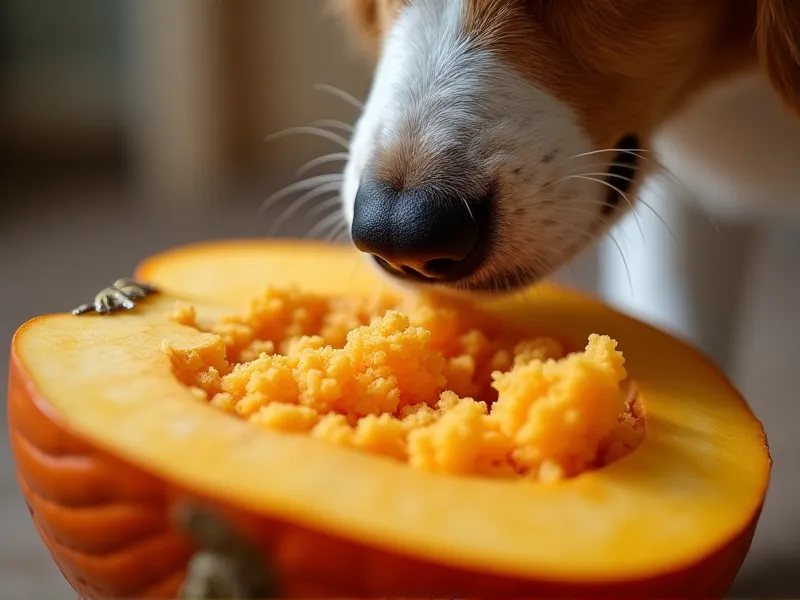
Table of Contents
- Can Dogs Eat Pumpkin Insides? The Short Answer
- What Are “Pumpkin Insides,” Anyway?
- Nutritional Benefits of Pumpkin for Dogs
- Potential Risks to Watch Out For
- How to Safely Feed Pumpkin Insides to Your Dog (Guidelines)
- Healthier Alternatives to Pumpkin (For Variety)
- FAQ: Your Pumpkin Questions Answered
- Conclusion: Pumpkin as a Healthy Treat (In Moderation)
Can Dogs Eat Pumpkin Insides? The Short Answer
Yes, dogs can safely eat pumpkin insides—in moderation and when prepared correctly.
The “insides” of a pumpkin typically refer to two parts: the soft, stringy pulp (the orange flesh) and the seeds. Both are non-toxic to dogs, and the pulp, in particular, is loaded with fiber and nutrients that can support your dog’s digestion and overall health. However, there are caveats: raw pumpkin may be hard to digest, seeds can pose a choking hazard if not prepared properly, and added sugars (like in canned pumpkin pie filling) are a big no-no.
In short: Plain, cooked pumpkin pulp (and properly prepared seeds) are safe. But skip the sugar, spices, and raw chunks. Let’s break it down.
What Are “Pumpkin Insides,” Anyway?
Before we talk benefits and risks, let’s clarify what we mean by “pumpkin insides.” When you cut open a pumpkin, you’ll find two main parts inside:
- Pulp: The soft, orange flesh that lines the inside of the pumpkin. This is the part we often cook, mash, or puree (think: pumpkin pie filling, but without the sugar).
- Seeds: The flat, white/cream-colored seeds embedded in the pulp. These are often roasted and eaten as a snack by humans, but they can also be fed to dogs (with precautions).
Both parts are edible for dogs, but they require different preparation. Let’s start with the star of the show: the pulp.
Nutritional Benefits of Pumpkin for Dogs
Pumpkin pulp is a nutritional powerhouse for dogs—low in calories, high in fiber, and packed with vitamins and minerals. Here’s why it’s worth adding to your pup’s treat rotation:
1. Fiber: A Digestive Superhero
Pumpkin is rich in both soluble and insoluble fiber. Soluble fiber absorbs water, slowing digestion and helping to firm up loose stools (hello, diarrhea!). Insoluble fiber adds bulk to stool, which can relieve constipation by keeping things moving. This makes pumpkin a go-to recommendation for vets to soothe upset tummies or regulate irregular bowel movements.
Fun fact: Many commercial dog foods even include pumpkin as a “functional ingredient” for digestive health!
2. Vitamins: A Boost for Immunity & Vision
Pumpkin is loaded with beta-carotene, an antioxidant that the body converts into vitamin A. Vitamin A is critical for dogs’ eye health, skin, and immune function. It also contains small amounts of vitamin C (supports immunity), vitamin E (an antioxidant), and B vitamins (for energy metabolism).
3. Minerals: Potassium & More
Potassium is another key nutrient in pumpkin. This mineral helps regulate your dog’s heart rate, muscle function, and fluid balance. Pumpkin also contains iron (supports red blood cells) and magnesium (important for bone health).
4. Low in Calories & Sugar (When Plain)
Unlike many “treats” (looking at you, cookies!), plain pumpkin is low in calories (about 25 calories per ½ cup of cooked pulp) and naturally low in sugar. This makes it a great option for dogs on a weight-management plan or those with diabetes (as long as it’s unsweetened).
Potential Risks to Watch Out For
While pumpkin is generally safe, there are a few risks to keep in mind to avoid tummy troubles (or worse).
1. Too Much Fiber = Stomach Upset
Fiber is great—but too much can backfire. If you overfeed pumpkin, your dog may experience bloating, gas, diarrhea, or even constipation (yes, fiber can cause both!). This is especially true for dogs unused to high-fiber diets. Start small and monitor their stool.
2. Choking Hazards: Seeds & Large Chunks
Pumpkin seeds are small and round, which makes them a choking risk for small dogs or dogs who gulp their food. Whole seeds can also get stuck in the intestines, leading to blockages (though this is rare with small amounts). Raw seeds may also be hard to digest.
3. Added Sugars or Spices (Avoid Canned Pie Filling!)
Not all pumpkin is created equal. Canned pumpkin with added sugar or “pumpkin pie filling” (which includes sugar, cinnamon, nutmeg, or cloves) is dangerous for dogs. Nutmeg, in particular, can be toxic in large doses, causing seizures or tremors. Always check the label: Look for “100% pure pumpkin” with no additives.
4. Raw Pumpkin: Hard to Digest
Raw pumpkin pulp is tough and fibrous, which can be hard for dogs to break down. This may lead to stomach upset, vomiting, or diarrhea. Stick to cooked pumpkin—steamed, boiled, or roasted—to make it easier to digest.
How to Safely Feed Pumpkin Insides to Your Dog (Guidelines)
Now that we know the “why” and “what to avoid,” let’s talk about the “how.” Here’s how to prepare and serve pumpkin insides safely:
Step 1: Choose the Right Pumpkin
- Fresh pumpkin: Opt for small, “sugar pumpkins” (also called pie pumpkins) rather than large carving pumpkins. Sugar pumpkins have sweeter, less fibrous flesh that’s easier to digest.
- Canned pumpkin: Look for “100% pure pumpkin” (not pie filling!). Brands like Libby’s Pure Pumpkin are safe, as they contain no added sugar or spices.
Step 2: Prepare the Pulp
- Fresh pumpkin pulp: Wash the pumpkin, cut it into chunks, remove the seeds, and cook until soft (steam, boil, or roast). Mash or puree it to make it easy to serve. Let it cool before feeding.
- Canned pumpkin: Simply open the can and serve—no cooking needed! Just make sure it’s plain (no sugar, salt, or spices).
Step 3: Prepare the Seeds (If Feeding Them)
- Roast and grind: To make seeds safe, rinse them to remove pulp, roast them in the oven at 350°F for 10–15 minutes (until crispy), then let cool. For small dogs, grind the seeds into a powder to avoid choking. For larger dogs, whole roasted seeds (in small amounts) are usually okay.
- No salt, oil, or seasonings: Keep seeds plain—salt, garlic, or onion powder is toxic to dogs.
Step 4: How Much to Feed?
Pumpkin should be an occasional treat, not a meal replacement. The amount depends on your dog’s size:
- Small dogs (under 20 lbs): 1–2 tablespoons per day
- Medium dogs (20–50 lbs): 2–4 tablespoons per day
- Large dogs (50+ lbs): 4–6 tablespoons per day
Pro tip: Mix pumpkin into their regular food, stuff it into a Kong, or freeze it in ice cube trays for a cool summer treat!
Healthier Alternatives to Pumpkin (For Variety)
Pumpkin is a great option, but variety is key to a balanced diet. Here are some other low-sugar, high-fiber veggies dogs love:
- Sweet potato: Cooked, mashed sweet potato is rich in beta-carotene and fiber (similar to pumpkin!).
- Carrots: Crunchy and low-calorie, carrots are great for dental health and full of vitamin A.
- Green beans: Fresh or cooked green beans are high in fiber and low in calories—perfect for weight management.
- Butternut squash: Another winter squash with similar benefits to pumpkin (beta-carotene, fiber).
All of these can be fed in moderation, following the same “plain, cooked, no additives” rule as pumpkin.
FAQ: Your Pumpkin Questions Answered
Q: Can dogs eat raw pumpkin insides?
A: Technically, raw pumpkin isn’t toxic, but it’s hard for dogs to digest. Raw pulp may cause stomach upset, and raw seeds are a bigger choking risk. Stick to cooked pumpkin to avoid issues.
Q: Is canned pumpkin safe for dogs?
A: Yes—if it’s 100% pure pumpkin with no added sugar, salt, or spices. Avoid canned “pumpkin pie filling,” which contains sugar and toxic spices like nutmeg.
Q: Can dogs eat pumpkin seeds?
A: Yes, but only if they’re roasted, unsalted, and prepared safely. Whole seeds can choke small dogs, so grind them or feed only 1–2 whole seeds (for large dogs) as an occasional treat.
Q: Can puppies eat pumpkin?
A: Yes! Puppies can enjoy small amounts of cooked pumpkin (1–2 teaspoons for tiny breeds) as a treat. Just introduce it slowly to avoid upsetting their sensitive tummies.
Q: My dog ate too much pumpkin—what should I do?
A: If your dog overindulges, they may have diarrhea, gas, or bloating. Monitor them closely—most cases resolve on their own in 24–48 hours. If symptoms persist or they’re lethargic, contact your vet.
Q: Can pumpkin help with my dog’s diarrhea or constipation?
A: Yes! As a fiber-rich food, pumpkin can soothe both. For diarrhea: 1–2 tbsp (per size) of plain pumpkin to firm stools. For constipation: The same amount to add bulk and get things moving. Always check with your vet first, though!
Conclusion: Pumpkin as a Healthy Treat (In Moderation)
Pumpkin insides—when cooked, plain, and served in the right amounts—are a wonderful, nutrient-dense treat for dogs. From aiding digestion to boosting immunity, this seasonal superfood has a lot to offer. Just remember: moderation is key, avoid added sugars or spices, and always prepare seeds safely.
As with any new food, if your dog has underlying health issues (like diabetes or kidney disease) or you’re unsure how much to feed, check with your vet first. They can help tailor a plan that works for your pup’s unique needs.
So this fall, don’t feel guilty about sharing a little pumpkin love with your dog. A spoonful of mashed, cooked pulp (or a few roasted seeds) might just become their new favorite seasonal snack—and you’ll feel good knowing it’s good for them, too!
References
- American Kennel Club (AKC). “Can Dogs Eat Pumpkin?” akc.org/expert-advice/nutrition/can-dogs-eat-pumpkin
- PetMD. “Pumpkin for Dogs: Benefits, Risks, and Serving Sizes.” petmd.com/dog/nutrition/can-dogs-eat-pumpkin
- Tufts University Cummings School of Veterinary Medicine. “Pumpkin: A Healthy Treat for Dogs.” tuftscummingsschool.tufts.edu/news/pumpkin-healthy-treat-dogs
- VCA Animal Hospitals. “Dietary Fiber for Dogs.” vcahospitals.com/know-your-pet/dietary-fiber-for-dogs