· 7 min read
Can Dogs Eat the Inside of a Pumpkin? A Pet Parent’s Guide to Fall’s Favorite Treat
As the leaves turn and pumpkin spice takes over every coffee shop, you might find yourself staring at a carved pumpkin on your porch and wondering: Can my dog enjoy the inside of this pumpkin too? Maybe your pup is eyeing the gooey, orange flesh as you scoop it out for roasting, or you’ve seen viral videos of dogs chomping on pumpkin puree. Before you share, let’s break down everything you need to know about feeding your dog pumpkin insides—from benefits to risks, portion sizes, and more.
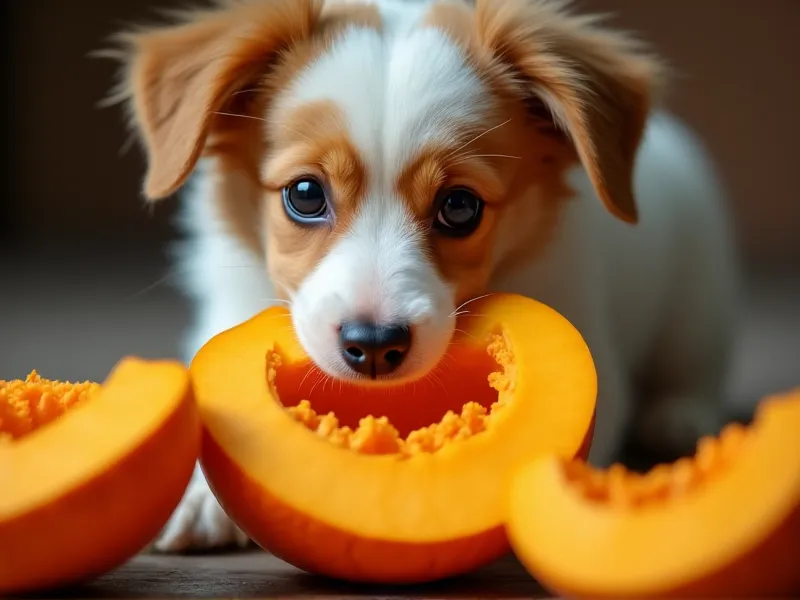
Table of Contents
- Can Dogs Eat the Inside of a Pumpkin? The Short Answer
- The Benefits of Pumpkin for Dogs: Why It’s More Than a Fall Trend
- Potential Risks: What to Watch Out For
- How Much Pumpkin Can Dogs Eat? Safe Portion Sizes
- Healthier Alternatives (When Pumpkin Isn’t the Best Choice)
- FAQ: Your Pumpkin-for-Dogs Questions Answered
- Conclusion: Enjoy Fall Safely with Your Pup
Can Dogs Eat Pumpkin Insides? The Short Answer
Yes! The soft, orange flesh inside a pumpkin is safe for dogs to eat—in moderation. In fact, many vets recommend pumpkin as a natural remedy for digestive issues, and it’s packed with nutrients that support your dog’s overall health.
But there’s a catch: Not all pumpkin “insides” are created equal. We’re talking about the plain, cooked flesh here—no added sugar, spices, or toppings. The stringy “guts” (the fibrous strands attached to the seeds) and the seeds themselves can pose risks, so it’s best to scoop those out first.
The Benefits of Pumpkin for Dogs: Why It’s More Than a Fall Trend
Pumpkin isn’t just a tasty seasonal snack—it’s a nutritional powerhouse for your pup. Here’s why adding a little pumpkin to their diet (when done right) can be a great idea:
1. Fiber: A Digestive Superhero
Pumpkin is rich in soluble and insoluble fiber, which works wonders for your dog’s gut.
- Soluble fiber (think: the soft, pulpy part) absorbs water, helping firm up loose stools (hello, diarrhea relief!).
- Insoluble fiber (the slightly tougher bits) adds bulk to stool, making it easier to pass (goodbye, constipation!).
Vets often recommend pumpkin to soothe upset tummies or regulate digestion. Just ask Dr. Sarah Wooten, a veterinarian and author, who notes, “Pumpkin is a go-to for mild digestive issues because it’s gentle and effective—much better than over-the-counter meds for minor cases.”
2. Vitamins for Overall Health
Pumpkin is loaded with vitamins that support your dog’s body from head to tail:
- Vitamin A: Essential for eye health, immune function, and healthy skin/coat. (Pro tip: Vitamin A is fat-soluble, so a little goes a long way—too much can be harmful, but pumpkin has just the right amount for occasional treats.)
- Vitamin C: A powerful antioxidant that boosts the immune system and fights inflammation.
- Vitamin E: Another antioxidant that protects cells from damage and keeps your dog’s skin moisturized.
3. Potassium: For Muscles and Heart Health
Potassium is an electrolyte that helps regulate muscle function, heart rhythm, and blood pressure. Pumpkin has a moderate amount of potassium, making it a heart-healthy snack (especially for senior dogs or those with mild heart concerns).
4. Low in Calories, High in Satisfaction
At just ~25 calories per ½ cup (cooked, plain), pumpkin is a low-calorie treat—perfect for dogs watching their weight. It’s also naturally sweet (without added sugar!), so even picky eaters tend to love it.
Potential Risks: What to Watch Out For
While pumpkin flesh is generally safe, there are a few risks to keep in mind to avoid turning a healthy snack into a problem:
1. Added Sugar: A Hidden Danger
Canned pumpkin is a convenient option, but always check the label. Many brands sell “pumpkin pie filling” (which has added sugar, spices like cinnamon or nutmeg, and even salt) instead of plain pumpkin. Sugar is empty calories for dogs and can lead to obesity or diabetes over time. Nutmeg, in particular, is toxic to dogs in large amounts, causing seizures or vomiting.
Stick to 100% pure pumpkin puree (no added ingredients) or fresh, cooked pumpkin.
2. Too Much Fiber = Tummy Trouble
While fiber is great for digestion, too much can backfire. Overfeeding pumpkin can cause:
- Gas or bloating
- Loose stools or diarrhea (ironically, the opposite of what you want if you’re using it for diarrhea relief!)
- Intestinal blockages (rare, but possible if your dog eats huge amounts at once).
As with any new food, start small and monitor your dog for 24–48 hours.
3. Seeds and Stringy “Guts”: Choking and Blockage Risks
The stringy, fibrous strands that hold pumpkin seeds (the “guts”) and the seeds themselves are not toxic, but they can be dangerous:
- Choking hazard: Small dogs, in particular, might choke on large seeds or long stringy bits.
- Intestinal blockage: If your dog eats a handful of seeds or a clump of stringy flesh, it could get stuck in their intestines, leading to vomiting, lethargy, or the need for surgery.
Always scoop out the seeds and stringy parts before feeding pumpkin to your dog.
4. Raw Pumpkin: Hard to Digest
Raw pumpkin is tough on your dog’s stomach. The fibers are harder to break down, which can cause gas, bloating, or even an upset stomach. Stick to cooked pumpkin (steamed, roasted, or boiled—no oil or seasoning!).
How Much Pumpkin Can Dogs Eat? Safe Portion Sizes
The key here is moderation. Pumpkin should be an occasional treat, not a replacement for your dog’s regular food. Here’s a general guide based on your dog’s weight:
| Dog Size | Daily Pumpkin Serving (Cooked/Plain) |
|---|---|
| Small (≤20 lbs) | 1–2 tablespoons |
| Medium (20–50 lbs) | 2–4 tablespoons |
| Large (50–100 lbs) | ¼–½ cup |
| Extra-Large (>100 lbs) | ½–¾ cup |
Pro tip: Mix pumpkin into your dog’s regular food, freeze it into ice cube trays for a cool snack, or stuff it into a Kong for enrichment. Avoid feeding pumpkin every day—stick to 2–3 times per week at most.
Healthier Alternatives (When Pumpkin Isn’t the Best Choice)
Pumpkin is fantastic, but if you’re looking for variety (or your dog isn’t a fan), these alternatives offer similar benefits:
- Sweet Potato: Rich in fiber, vitamins A and C, and beta-carotene. Cooked, mashed sweet potato is a great swap (just watch portion sizes—they’re slightly higher in calories than pumpkin).
- Butternut Squash: Another fall favorite with fiber, vitamins, and a sweet flavor dogs love.
- Green Beans: Low-calorie, high-fiber, and crunchy—perfect for dogs on a diet.
- Plain Yogurt: Probiotics for gut health, plus calcium. Opt for unsweetened, plain yogurt (no xylitol, which is toxic to dogs).
FAQ: Your Pumpkin-for-Dogs Questions Answered
Q: Can dogs eat raw pumpkin?
A: It’s not recommended. Raw pumpkin is hard to digest and may cause gas or stomach upset. Always cook pumpkin first (steam, roast, or boil—no oil, salt, or spices).
Q: Are pumpkin seeds safe for dogs?
A: Pumpkin seeds are not toxic, but they’re a choking hazard (especially for small dogs) and can cause intestinal blockages if eaten in large quantities. If you want to share seeds, roast them plain, grind them into a powder, and mix a tiny amount (1–2 seeds, ground, for small dogs) into their food.
Q: Can pumpkin help my dog with diarrhea?
A: Yes! The soluble fiber in pumpkin absorbs excess water in the gut, firming up stools. Start with 1–2 tablespoons (depending on size) mixed into their food. If diarrhea persists for more than 24 hours, contact your vet—it could be a sign of something more serious.
Q: Is pumpkin pie filling safe for dogs?
A: No! Pumpkin pie filling has added sugar, spices (like nutmeg, which is toxic in large doses), and sometimes even alcohol. Stick to plain pumpkin puree.
Q: My dog ate a whole pumpkin—should I panic?
A: Probably not, but monitor them closely. A large amount may cause diarrhea, vomiting, or gas. If they’re lethargic, refusing food, or vomiting repeatedly, call your vet—they may have a blockage.
Conclusion: Enjoy Fall Safely with Your Pup
So, can dogs eat the inside of a pumpkin? Absolutely—when it’s plain, cooked, and served in moderation. Pumpkin is a tasty, nutrient-dense treat that supports digestion, immunity, and overall health. Just skip the seeds, avoid added sugar, and stick to the portion guide above.
As with any new food, if your dog has health issues (like diabetes, kidney disease, or a history of digestive problems), check with your vet first. And remember: The best treats are the ones shared with love (and a little common sense).
This fall, go ahead and let your pup join in on the pumpkin fun—just save the pumpkin spice latte for yourself. 🎃🐾
References
- American Kennel Club (AKC). “Can Dogs Eat Pumpkin?” akc.org/expert-advice/nutrition/can-dogs-eat-pumpkin
- ASPCA. “Toxic and Non-Toxic Plants: Pumpkin.” aspca.org/pet-care/animal-poison-control/toxic-and-non-toxic-plants/pumpkin
- PetMD. “Pumpkin for Dogs: Benefits, Risks, and Serving Sizes.” petmd.com/dog/nutrition/can-dogs-eat-pumpkin
- Wooten, Dr. Sarah. “Pumpkin for Dogs: Why It’s a Vet Favorite.” drsarahwooten.com/pumpkin-for-dogs/