· 8 min read
Can Dogs Eat Thanksgiving Turkey? A Pet Parent’s Guide to Sharing the Holiday Feast Safely
The air is crisp, the table is set, and the star of the show—your golden, roasted Thanksgiving turkey—is finally out of the oven. As you carve into that juicy bird, you feel a wet nose nudge your hand. Your dog, ever the optimist, sits beside you, tail thumping a steady rhythm, eyes locked on the turkey. It’s hard to resist those puppy-dog eyes, but before you slip them a bite, you pause: Is turkey safe for dogs?
Thanksgiving is all about sharing, but when it comes to our furry family members, not all holiday treats are created equal. Let’s break down everything you need to know about dogs and Thanksgiving turkey—from the benefits to the risks, how much to serve, and even healthier alternatives to keep your pup happy and healthy this holiday season.
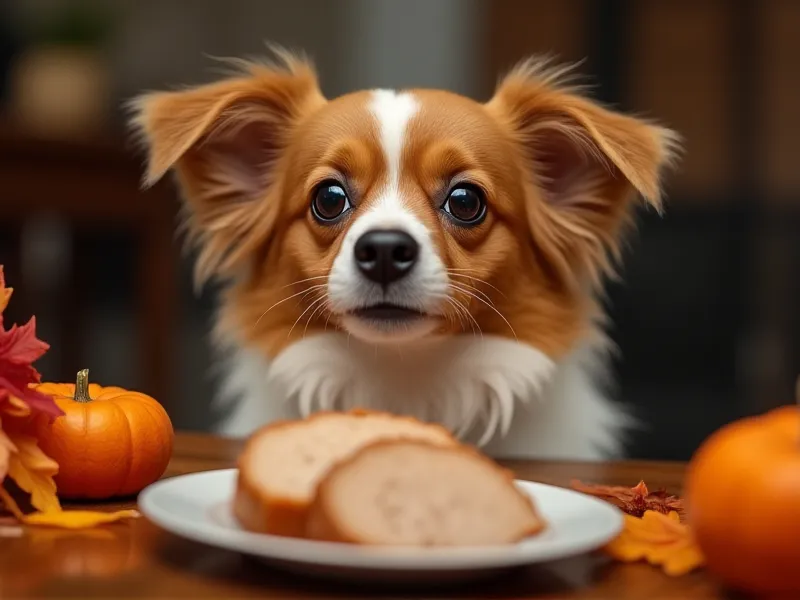
Table of Contents
- Can Dogs Eat Thanksgiving Turkey? The Short Answer
- The Benefits of Turkey for Dogs: Why It’s a (Sometimes) Great Treat
- The Risks: What Makes Thanksgiving Turkey Dangerous for Dogs?
- How Much Turkey Can Dogs Safely Eat? A Portion Guide
- Healthier Alternatives to Holiday Turkey
- FAQ: Your Most Pressing Turkey Questions Answered
- Conclusion: Celebrate Safely with Your Pup
Can Dogs Eat Thanksgiving Turkey? The Short Answer
Yes, dogs can eat plain, cooked turkey in small, moderation portions. In fact, turkey is a common ingredient in high-quality dog foods because it’s lean, protein-rich, and easy to digest. However, how the turkey is prepared and served makes all the difference. Thanksgiving turkey often comes with hidden dangers: bones, fatty skin, rich gravies, and seasonings like onions, garlic, or salt—all of which can harm your dog.
So, while a tiny nibble of unseasoned, boneless turkey breast is probably okay, the holiday bird as a whole isn’t a free-for-all. Let’s dive into the details.
The Benefits of Turkey for Dogs: Why It’s a (Sometimes) Great Treat
Turkey isn’t just a holiday staple for humans—it’s packed with nutrients that can benefit your dog, too. Here’s why plain, cooked turkey can be a healthy addition to their diet (in moderation):
1. Lean Protein for Strong Muscles
Turkey is a fantastic source of high-quality protein, which is essential for building and repairing muscle tissue, supporting a healthy coat, and keeping your dog’s energy levels steady. According to the American College of Veterinary Nutrition, protein should make up 18-22% of an adult dog’s diet, and turkey is a great way to hit that target without excess fat.
2. Essential Vitamins and Minerals
Turkey is loaded with B vitamins (like B6 and B12), which help convert food into energy and support brain function. It also contains zinc (for a healthy immune system), selenium (an antioxidant that fights cell damage), and potassium (which regulates heart rate and blood pressure). These nutrients are why turkey is a go-to ingredient in many premium dog foods!
3. Gentle on Sensitive Stomachs
If your dog has a sensitive digestive system, turkey is often recommended as a bland protein source (think: the classic “boiled chicken and rice” diet, but with turkey instead). It’s low in allergens compared to red meats, making it a safe choice for pups with food sensitivities.
The Risks: What Makes Thanksgiving Turkey Dangerous for Dogs?
While plain turkey is safe, Thanksgiving turkey is rarely “plain.” Let’s break down the hidden hazards that could turn your pup’s holiday treat into a trip to the vet:
1. Cooked Turkey Bones: A Choking and Blockage Risk
Never give your dog cooked turkey bones. When bones are cooked, they become brittle and can splinter into sharp shards. These shards can:
- Get stuck in your dog’s throat (choking hazard).
- Tear their esophagus, stomach, or intestines (leading to internal bleeding or infection).
- Cause intestinal blockages (which often require surgery to remove).
Even small bones (like from wings or drumsticks) are risky. The ASPCA warns that cooked bones are one of the most common holiday pet emergencies—so keep that turkey carcass far out of reach!
2. Fatty Skin and Dark Meat: Pancreatitis Waiting to Happen
Turkey skin and dark meat are high in fat, and too much fat can trigger pancreatitis in dogs. The pancreas produces enzymes to digest food, but a sudden influx of fat can cause it to become inflamed. Symptoms of pancreatitis include vomiting, diarrhea, abdominal pain, and lethargy—and it can be life-threatening if left untreated.
Pancreatitis is especially risky for dogs with a history of the condition, overweight pups, or small breeds. Even a small piece of skin could be enough to cause trouble!
3. Seasonings: Onions, Garlic, Salt, and More
Thanksgiving turkey is often seasoned with onions, garlic, sage, rosemary, or salt—all of which are toxic or harmful to dogs:
- Onions and garlic: These contain N-propyl disulfide, which damages red blood cells and can lead to anemia. Even small amounts (like in stuffing or gravy) can be dangerous.
- Salt: Too much salt causes sodium ion poisoning, leading to vomiting, diarrhea, seizures, or even death. A single spoonful of salty gravy could be toxic for a small dog.
- Sage: In large amounts, sage can cause gastrointestinal upset or central nervous system depression.
4. Sugary Glazes and Add-Ins
If your turkey has a honey glaze, cranberry sauce, or other sweet toppings, it’s a no-go for dogs. Sugar can lead to obesity, dental issues, or even diabetes over time. Some glazes also contain xylitol, an artificial sweetener that is extremely toxic to dogs (even a tiny amount can cause liver failure).
How Much Turkey Can Dogs Safely Eat? A Portion Guide
The key word here is moderation. Turkey should be a treat, not a meal replacement. As a general rule, treats (including turkey) should make up no more than 10% of your dog’s daily calorie intake.
To put that in perspective:
- Small dogs (10-20 lbs): 1-2 tablespoons of plain, cooked turkey breast (no skin, no bones).
- Medium dogs (30-50 lbs): 1-2 ounces (about the size of a deck of cards).
- Large dogs (60+ lbs): 2-3 ounces (a small handful).
Always adjust based on your dog’s individual needs. If they’re overweight, have diabetes, or a sensitive stomach, stick to the smaller end of the range—or skip the turkey altogether.
Pro tip: Remove all skin and visible fat before serving. Opt for white meat over dark meat (it’s leaner). And never feed turkey that’s been mixed with stuffing, gravy, or seasonings.
Healthier Alternatives to Holiday Turkey
If you want to treat your dog this Thanksgiving without the risks, try these safer alternatives:
1. Plain, Boiled Turkey Breast
Skip the oven-roasted bird and boil a small piece of turkey breast (no salt, no seasonings). Let it cool, then dice into bite-sized pieces. This is a low-fat, protein-packed treat that’s easy to digest.
2. Turkey Jerky (Dog-Safe Version)
Make your own dog-friendly jerky by slicing turkey breast into thin strips, baking at 200°F for 2-3 hours (until dry), and storing in an airtight container. Avoid store-bought jerky, which often has added salt or preservatives.
3. Thanksgiving “Side Dishes” for Dogs
Some holiday sides are safer than turkey! Try:
- Cooked sweet potato (no butter or sugar): Rich in fiber and vitamins A and C.
- Green beans (steamed, no salt): Low in calories and high in fiber.
- Plain mashed potatoes (no butter, milk, or garlic): A bland, filling treat (in small amounts).
4. Commercial Turkey Treats
Look for dog treats made with turkey as the first ingredient (check the label for no added sugars, salt, or preservatives). Brands like Blue Buffalo or Merrick offer turkey-based treats that are specifically formulated for dogs.
FAQ: Your Most Pressing Turkey Questions Answered
Q: Can dogs eat raw turkey?
A: It’s not recommended. Raw turkey can contain harmful bacteria like Salmonella or E. coli, which can make your dog (and you!) sick. Stick to fully cooked turkey.
Q: What if my dog stole a turkey bone?
A: Stay calm, but act fast. If the bone is small, your dog might pass it, but monitor for symptoms like vomiting, diarrhea, lethargy, or loss of appetite. If they’re choking (gagging, pawing at the mouth), call your vet or an emergency animal hospital immediately.
Q: Is turkey lunch meat safe for dogs?
A: Most deli turkey is high in salt and preservatives (like nitrates), which can be harmful. Opt for fresh, unseasoned turkey instead.
Q: Can puppies eat turkey?
A: Yes, but in very small amounts. Puppies have sensitive stomachs, so start with a tiny piece (1-2 teaspoons for a small breed puppy) and watch for digestive upset.
Q: My dog ate seasoned turkey—should I panic?
A: It depends on the seasoning. If it contained onions, garlic, or xylitol, call your vet right away. If it was just a little salt or sage, monitor for vomiting, diarrhea, or restlessness. When in doubt, always consult your vet.
Conclusion: Celebrate Safely with Your Pup
Thanksgiving is about gratitude—and there’s no one we’re more grateful for than our furry companions. While sharing a tiny taste of plain, cooked turkey breast is a sweet way to include them, it’s crucial to prioritize their safety. Avoid bones, skin, seasonings, and fatty parts, and stick to small portions.
If your dog has health issues (like pancreatitis or diabetes), or if you’re unsure whether turkey is safe for them, check with your vet first. They can give personalized advice based on your pup’s needs.
This holiday, enjoy the feast, the company, and the joy of seeing your dog’s tail wag—all while keeping them happy and healthy. Happy Thanksgiving!
Sources:
- American Society for the Prevention of Cruelty to Animals (ASPCA). “People Foods to Avoid Feeding Your Pets.” aspca.org
- American Veterinary Medical Association (AVMA). “Pancreatitis in Dogs.” avma.org
- PetMD. “Can Dogs Eat Turkey?” petmd.com
- American College of Veterinary Nutrition (ACVN). “Nutrition for Dogs.” acvn.org