· 8 min read
Can Dogs Eat Thanksgiving Ham? A Pet Parent’s Guide to Holiday Safety
Thanksgiving is all about gathering, gratitude, and way too much food. As you pass the mashed potatoes and carve the centerpiece ham, there’s one guest who’s definitely not shy about begging: your dog. Those puppy eyes are hard to resist, but before you slip them a slice, you might wonder: Is Thanksgiving ham safe for dogs?
The holiday season should be joyful for everyone—including your furry friend. Let’s break down the facts, so you can make the best choice for your pup this Thanksgiving.
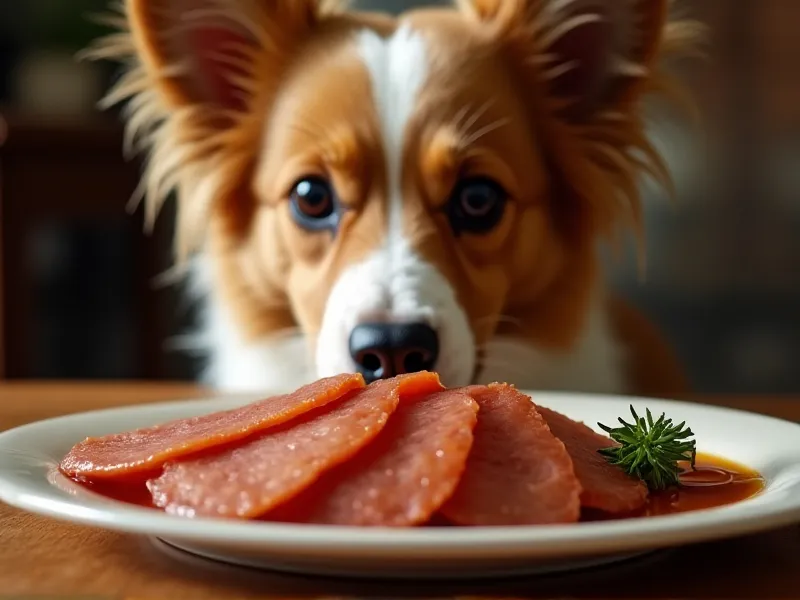
Table of Contents
- Can Dogs Eat Thanksgiving Ham? The Short Answer
- Potential “Benefits” of Ham for Dogs (Spoiler: They’re Minimal)
- The Risks: Why Thanksgiving Ham Is Risky for Dogs
- How Much Ham Is “Safe” to Feed Your Dog?
- Healthier Thanksgiving Treat Alternatives for Your Pup
- FAQ: Your Top Ham-and-Dog Questions Answered
- Conclusion: Celebrate Safely with Your Furry Friend
Can Dogs Eat Thanksgiving Ham? The Short Answer
No, Thanksgiving ham is not a safe or recommended treat for dogs. While a tiny, occasional bite of plain, unseasoned ham is unlikely to harm most healthy dogs, the risks far outweigh any minimal benefits. Ham is high in sodium, fat, and often loaded with added sugars, spices, or preservatives—all of which can cause serious health issues for your pup.
Think of it this way: Your dog’s regular diet (high-quality kibble or wet food) is carefully balanced to meet their nutritional needs. Ham is like human junk food for dogs—tasty, but not worth the potential consequences.
Potential “Benefits” of Ham for Dogs (Spoiler: They’re Minimal)
You might be wondering, But ham is meat—doesn’t it have protein? Technically, yes. Ham is pork, so it contains protein, which is essential for dogs. It may also have small amounts of B vitamins (like B12), iron, and zinc. However, these nutrients are already abundant in your dog’s regular food—and in far healthier forms.
For example:
- Protein: Lean chicken, turkey, or fish are better sources (lower in fat and sodium).
- B vitamins: Eggs, leafy greens, or carrots offer these without the salt.
Ham has no unique nutritional benefits for dogs. In fact, the downsides make it a poor choice compared to other treats.
The Risks: Why Thanksgiving Ham Is Risky for Dogs
Let’s dig into the real concerns. Thanksgiving ham is rarely just “plain ham”—it’s often glazed, seasoned, or processed, which adds layers of risk. Here’s what to watch out for:
1. High Sodium: A Recipe for Salt Poisoning
Ham is extremely high in salt. A single slice of deli ham can contain 300–500 mg of sodium—that’s more than half the daily recommended sodium intake for a 20-pound dog (who should have no more than 200–300 mg/day, according to the American College of Veterinary Nutrition).
Too much sodium can lead to salt poisoning (hypernatremia), which causes:
- Excessive thirst and urination
- Vomiting or diarrhea
- Lethargy or confusion
- Seizures or even death in severe cases
Dogs with kidney disease, heart issues, or high blood pressure are especially vulnerable. Even healthy dogs can suffer long-term kidney damage from repeated sodium overload.
2. Fatty Meat: A Trigger for Pancreatitis
Ham (especially the fatty edges or skin) is loaded with saturated fat. Dogs can’t digest large amounts of fat well, and it can trigger pancreatitis—a painful, life-threatening condition where the pancreas becomes inflamed.
Symptoms of pancreatitis include:
- Severe abdominal pain (your dog may hunch over or refuse to be touched)
- Vomiting (often repeatedly)
- Loss of appetite
- Lethargy
Pancreatitis requires immediate veterinary care and can lead to chronic health issues.
3. Added Sugars: Empty Calories & Dental Woes
Honey-glazed, brown sugar, or maple-glazed hams are holiday favorites—but sugar is terrible for dogs. Added sugars contribute to:
- Obesity (a leading cause of diabetes, joint pain, and heart disease in dogs)
- Dental decay (cavities and gum disease)
- Upset stomach (sugar can disrupt gut bacteria, leading to diarrhea)
Even “natural” sweeteners like honey or molasses are problematic. Dogs don’t need sugar in their diet—stick to treats with no added sugars.
4. Toxic Spices: Garlic, Onion, and More
Many hams are seasoned with garlic powder, onion powder, or other spices to boost flavor. Garlic and onions are toxic to dogs (they damage red blood cells, leading to anemia). Even small amounts can cause issues, especially in small dogs.
Other risky seasonings include:
- Cinnamon (in large amounts, can irritate the mouth or lower blood sugar)
- Nutmeg (toxic in large doses, causing hallucinations or seizures)
5. Bones: A Choking Hazard (or Worse)
Never give your dog ham bones! Cooked bones (including ham bones) are brittle and can splinter, leading to:
- Choking
- Blockages in the throat, stomach, or intestines (which may require surgery)
- Tears in the digestive tract
Even “small” bones (like from a ham shank) are dangerous. Stick to dog-safe chews instead (e.g., rubber toys or rawhide alternatives).
6. Preservatives: Nitrates and Nitrites
Most store-bought hams contain preservatives like nitrates or nitrites to keep them fresh and pink. While the FDA considers these safe in small amounts for humans, some studies (like this one from the Journal of Toxicology) suggest they may increase cancer risk in animals when consumed regularly.
Dogs with sensitive stomachs may also react to these chemicals with vomiting or diarrhea.
How Much Ham Is “Safe” to Feed Your Dog?
If you must share a tiny bite (we get it—those puppy eyes are persuasive!), follow these rules:
- Size matters: A thumbnail-sized piece (no bigger than your pinky nail) for small dogs (under 20 lbs). For large dogs (over 50 lbs), a bite the size of a quarter is the absolute max.
- Plain only: No glaze, seasoning, or fat. Trim all visible fat and check for spices.
- Once a year, not once a week: This is a once-in-a-blue-moon treat, not a regular snack.
- Skip it if… Your dog has health issues (kidney, heart, or pancreatic problems), is overweight, or is a puppy (their tummies are more sensitive).
Healthier Thanksgiving Treat Alternatives for Your Pup
Instead of ham, spoil your dog with these safe, nutrient-packed holiday treats:
1. Lean Turkey (Skinless, Boneless)
Turkey is the star of Thanksgiving for a reason! Plain, cooked turkey breast (no skin, bones, or seasoning) is low in fat, high in protein, and easy to digest. A small slice makes a perfect treat.
2. Cooked Sweet Potato
Sweet potatoes are rich in fiber, vitamins A and C, and potassium—great for digestion and immune health. Mash a little plain, cooked sweet potato (no butter or sugar!) and serve a spoonful.
3. Green Beans
Steamed or roasted green beans (no salt or butter) are low-calorie, high-fiber, and crunchy—dogs love them! They’re a great way to help your pup feel full without extra calories.
4. Plain Pumpkin
Canned pumpkin (not pie filling!) is a dog favorite. It’s loaded with fiber (good for upset tummies) and beta-carotene. A tablespoon or two is a delicious, healthy snack.
5. Carrots
Raw or steamed carrots are crunchy, low in calories, and great for dental health (they scrape plaque off teeth!). Small dogs can have baby carrots; larger dogs can munch on a sliced carrot stick.
FAQ: Your Top Ham-and-Dog Questions Answered
Q: My dog stole a big piece of ham! What should I do?
A: Stay calm. First, check for symptoms: excessive thirst, vomiting, diarrhea, or lethargy. If they ate a lot of ham (more than a few bites), call your vet immediately—especially if they have health issues. Offer fresh water (but don’t force them to drink) and monitor them closely for 24 hours.
Q: Can dogs eat ham bones?
A: No! Cooked bones (including ham bones) are brittle and can splinter, causing choking, intestinal blockages, or tears. Even small bone fragments are dangerous. Stick to dog-safe chews like antlers or rubber toys.
Q: Is ham better than bacon for dogs?
A: Neither is good, but bacon is even worse—it’s higher in fat and salt than ham. Both are best avoided.
Q: Can my dog have ham-flavored dog treats?
A: Some commercial dog treats are “ham-flavored,” but they’re usually made with low-sodium, dog-safe ingredients. Check the label for added sugars, salt, or preservatives. Stick to treats with simple, recognizable ingredients.
Q: My dog loves ham—why can’t I just feed it to them regularly?
A: Dogs thrive on consistency and balanced nutrition. Regularly feeding ham (high in salt, fat, and additives) can lead to obesity, kidney disease, or pancreatitis over time. Their regular food is formulated to meet all their needs—treats should be just that: treats!
Conclusion: Celebrate Safely with Your Furry Friend
Thanksgiving is about sharing love, not risky treats. While a tiny bite of plain ham won’t hurt most dogs, it’s simply not worth the risk of pancreatitis, salt poisoning, or other issues. Instead, opt for the healthier alternatives we listed—your dog will wag their tail just as hard (and you’ll have peace of mind).
Remember: When in doubt, consult your vet. They know your dog’s health history and can help you make the best choices. This holiday, focus on what matters most: snuggles, playtime, and making memories with your whole family—paws included.
Happy Thanksgiving! 🦃🐾
References
- American Veterinary Medical Association (AVMA). “Foods Toxic to Pets.” avma.org/resources/pet-owners/nutrition/foods-toxic-pets
- ASPCA Animal Poison Control Center. “Toxic and Non-Toxic Plants and Foods.” aspca.org/pet-care/animal-poison-control
- Cornell University College of Veterinary Medicine. “Pancreatitis in Dogs.” vet.cornell.edu/departments-centers-and-institutes/cornell-animal-health-diagnostics-center/animal-health-topics/pancreatitis-dogs
- American College of Veterinary Nutrition. “Nutrition FAQs for Pet Owners.” acvn.org/nutrition-faqs