· 9 min read
Can Dogs Eat Thanksgiving Food? A Pet Parent’s Guide to Safe Holiday Feasting
The turkey’s roasting, the stuffing’s simmering, and the dining room smells like cinnamon and sage. It’s Thanksgiving—your favorite day of the year, filled with family, gratitude, and way too much food. But there’s one guest at the table with a front-row seat to all the action: your dog. Those big, pleading eyes? They’re practically begging for a taste of the feast. “Just a tiny bite,” you think. “What could go wrong?”
Before you slide a scrap under the table, let’s get real: Thanksgiving is a minefield of delicious (but potentially dangerous) foods for dogs. Some dishes are harmless—even healthy!—while others could land your pup in the emergency vet. In this guide, we’ll break down exactly which Thanksgiving foods are safe, which are toxic, and how to let your dog join the celebration without risking their health. Spoiler: With a little planning, you can share the joy (and the leftovers) safely.
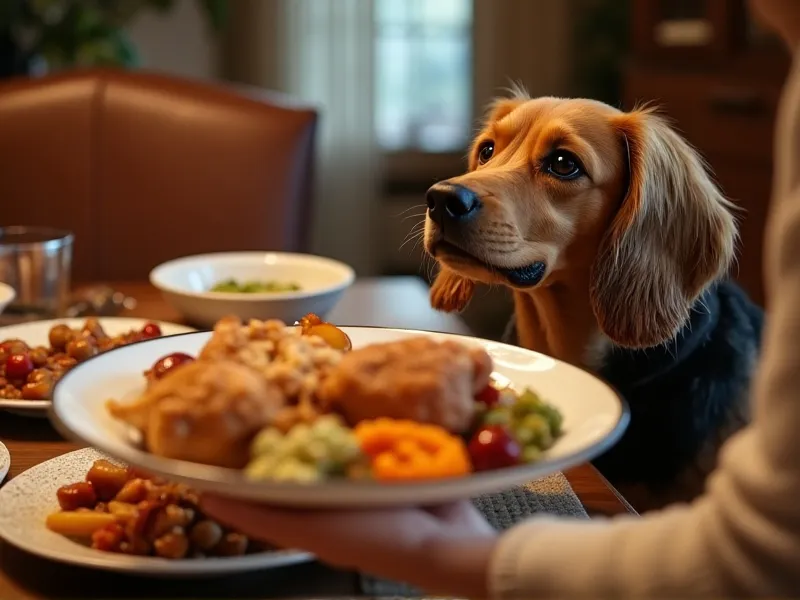
Table of Contents
- The Short Answer: Yes… But With Big Exceptions
- Thanksgiving Foods That Are Safe (and Even Healthy!)
- The Dangerous List: Foods to Keep FAR From Your Dog
- How Much is “Too Much”? Portion Guidelines for Dogs
- Healthier Alternatives to Holiday Treats
- FAQ: Your Top Thanksgiving Dog Questions Answered
- Conclusion: Celebrate Safely Together
The Short Answer: Yes… But With Big Exceptions
Can dogs eat Thanksgiving food? Yes, some Thanksgiving foods are safe for dogs—but only in small, plain portions, and with strict limits on what’s allowed.
Here’s the truth: Thanksgiving meals are often loaded with butter, salt, sugar, garlic, onions, and other ingredients that are toxic or harmful to dogs. A “little taste” of your aunt’s famous casserole could contain hidden dangers, even if the main ingredient seems harmless. The key is to stick to plain, unseasoned versions of certain foods, skip the risky stuff entirely, and never overdo it.
Thanksgiving Foods That Are Safe (and Even Healthy!)
Let’s start with the good news: There are plenty of Thanksgiving staples that are not only safe for dogs but also packed with nutrients. These can be given as occasional treats (in moderation!) to let your pup feel included.
1. Plain, Cooked Turkey (No Skin, No Bones!)
Turkey is a lean protein source that’s safe for dogs—if it’s cooked, unseasoned, and free of skin and bones.
Why it’s good: Turkey is rich in protein (essential for muscle health), B vitamins (supports energy and brain function), and selenium (an antioxidant that boosts immunity).
How to serve: Remove all skin (it’s high in fat, which can cause pancreatitis), bones (a choking hazard and risk for intestinal blockages), and seasoning (no salt, pepper, garlic, or herbs). Offer a small, diced portion—think the size of a tablespoon for small dogs, or a few tablespoons for larger breeds.
2. Sweet Potatoes (Plain, No Butter or Marshmallows!)
Sweet potatoes are a Thanksgiving favorite, and they’re fantastic for dogs—again, as long as they’re plain.
Why it’s good: Loaded with fiber (supports digestion), vitamin A (promotes eye health), and potassium (regulates blood pressure). Unlike white potatoes, sweet potatoes have natural sweetness, so dogs love them!
How to serve: Bake or boil sweet potatoes without butter, sugar, marshmallows, or cinnamon (small amounts of cinnamon are safe, but many dogs dislike the taste). Mash a tiny spoonful into their regular food, or offer a cooled, diced chunk as a treat.
3. Green Beans (Steamed or Blanched, No Salt/Butter)
Plain green beans are a low-calorie, high-fiber snack that’s perfect for dogs watching their waistlines.
Why it’s good: Fiber aids digestion, while vitamins C and K support immune health and blood clotting. They’re also low in calories, making them a great option for overweight dogs.
How to serve: Steam or blanch green beans until tender (raw green beans are safe too, but some dogs struggle to digest them). Skip the butter, salt, or bacon bits—those add unnecessary fat and sodium.
4. Plain Cranberries (Fresh or Frozen, No Added Sugar)
Cranberries are a superfood for humans, and they’re safe for dogs in small amounts—as long as they’re unsweetened.
Why it’s good: Cranberries contain antioxidants (fight inflammation) and vitamin C. Some studies even suggest they may support urinary tract health in dogs (though more research is needed).
How to serve: Offer 1–2 fresh or frozen cranberries (thawed) for small dogs, or 3–4 for larger breeds. Avoid canned cranberry sauce, which is packed with sugar or artificial sweeteners like xylitol (deadly to dogs).
5. Carrots (Raw or Cooked, No Seasoning)
Crunchy, sweet carrots are a classic dog treat, and they’re a safe addition to any Thanksgiving spread.
Why it’s good: High in beta-carotene (converts to vitamin A for eye health), fiber, and vitamin K. Chewing raw carrots can also help clean your dog’s teeth!
How to serve: Slice raw carrots into bite-sized pieces, or steam them until soft (easier for senior dogs or those with dental issues). No butter, salt, or honey—just plain carrots!
The Dangerous List: Foods to Keep FAR From Your Dog
Now, the critical part: These Thanksgiving foods are never safe for dogs, even in tiny amounts. Keep them locked away, and remind guests not to share!
1. Turkey Skin and Fat
Turkey skin is high in fat, which can trigger pancreatitis—a painful, potentially life-threatening inflammation of the pancreas. Even a small piece can cause vomiting, diarrhea, or worse in dogs, especially small breeds or those prone to pancreatitis.
2. Turkey Bones (Cooked or Raw)
Bones are a huge no-no. Cooked turkey bones are brittle and can splinter, leading to choking, lacerations in the mouth/throat, or intestinal blockages. Raw bones aren’t safer—they can still break teeth or cause blockages.
3. Stuffing/Dressing
Stuffing is a Thanksgiving staple, but it’s a minefield for dogs. Most recipes include onions, garlic, celery, raisins, or spices—all of which are toxic. Onions and garlic damage red blood cells, leading to anemia, while raisins can cause kidney failure. Even “plain” stuffing often has salt and butter, which are harmful in large amounts.
4. Gravy
Gravy is made with turkey drippings, which are high in fat, salt, and often garlic or onion powder. A lap of gravy can lead to stomach upset, pancreatitis, or sodium poisoning (symptoms include vomiting, diarrhea, and seizures).
5. Onions, Garlic, and Chives (In Any Form)
These Allium vegetables are toxic to dogs, even in small doses. They contain compounds that destroy red blood cells, leading to anemia (symptoms: weakness, lethargy, pale gums, and rapid breathing). They’re often hidden in stuffing, casseroles, and even some dips—so always check labels!
6. Mashed Potatoes (Unless Plain, But Even Then… Proceed With Caution)
Mashed potatoes are usually loaded with butter, milk, salt, and sometimes garlic. Even plain mashed potatoes (no butter/milk) are high in carbs, which can cause blood sugar spikes. Save this for humans—your dog doesn’t need the extra calories.
7. Desserts: Pie, Cookies, and Candies
Pumpkin pie, apple pie, and chocolate desserts are all off-limits. Chocolate contains theobromine, which is toxic to dogs (even a small square of dark chocolate can be deadly). Pies often have sugar, xylitol (a sugar substitute), raisins, or nuts—all dangerous.
8. Alcohol
It should go without saying, but never give your dog alcohol. Even a sip of wine, beer, or eggnog can cause vomiting, diarrhea, coordination issues, or even coma in dogs.
How Much is “Too Much”? Portion Guidelines for Dogs
Even safe Thanksgiving foods can cause problems if overfed. Dogs have sensitive stomachs, and rich, unfamiliar foods can lead to vomiting, diarrhea, or pancreatitis. Here’s how to portion safely:
- Small dogs (under 20 lbs): 1–2 tablespoons of safe food total per day (e.g., 1 tbsp turkey + 1 tbsp sweet potato).
- Medium dogs (20–50 lbs): 2–4 tablespoons total per day.
- Large dogs (50+ lbs): 4–6 tablespoons total per day.
Rule of thumb: Treats (including Thanksgiving scraps) should make up no more than 10% of your dog’s daily calories. For reference, a 30-lb dog eats about 700 calories per day—so their “treat budget” is 70 calories, or roughly 2–3 tablespoons of plain turkey.
Healthier Alternatives to Holiday Treats
If you want to spoil your dog without the risk, try these dog-friendly “Thanksgiving feast” alternatives:
- Turkey & Sweet Potato Bites: Dice plain turkey and cooked sweet potato, mix, and freeze for a cool, crunchy treat.
- Green Bean Fries: Blanch green beans, toss with a tiny bit of olive oil (optional), and bake at 350°F for 15 minutes until crispy.
- Pumpkin Puree (Unsweetened): Canned pumpkin (not pie filling!) is rich in fiber and great for digestion. Serve 1–2 teaspoons mixed into their food.
- Dog-Safe Cranberry Treats: Mix fresh cranberries with plain yogurt (no xylitol) and freeze in ice cube trays for a festive snack.
FAQ: Your Top Thanksgiving Dog Questions Answered
Q: Can dogs eat stuffing if it’s “plain” (no onions/garlic)?
A: Even “plain” stuffing is risky. Most recipes include bread (high in carbs), butter, or salt—all of which can upset your dog’s stomach. Skip it entirely.
Q: Is pumpkin pie safe for dogs?
A: No. Pumpkin pie has sugar, spices, and often xylitol or raisins. Stick to plain, unsweetened pumpkin puree instead.
Q: Can my dog have a turkey bone if it’s “soft” (like a drumstick)?
A: No bones! Cooked bones splinter easily, causing choking or intestinal blockages. Even raw bones can break teeth.
Q: My dog ate a grape from the fruit platter—what should I do?
A: Grapes and raisins are toxic to dogs (even one can cause kidney failure). Call your vet immediately—they may recommend inducing vomiting or other treatment.
Q: Is it okay to give my dog a small piece of ham?
A: Ham is high in salt and fat, which can cause pancreatitis or sodium poisoning. Skip it—opt for plain turkey instead.
Conclusion: Celebrate Safely Together
Thanksgiving is about gratitude, and there’s no one we’re more grateful for than our furry family members. While it’s tempting to share your meal, the best gift you can give your dog is a safe, healthy holiday.
Stick to plain, unseasoned treats like turkey, sweet potatoes, or green beans in tiny portions. Keep dangerous foods (onions, bones, chocolate, alcohol) far out of reach. And if you’re ever unsure whether something is safe, err on the side of caution—or call your vet.
This year, let’s raise a (dog-safe!) glass to good food, good company, and a happy, healthy pup by your side. Happy Thanksgiving!
Sources:
- American Society for the Prevention of Cruelty to Animals (ASPCA). “People Foods to Avoid Feeding Your Pets.” aspca.org
- American Veterinary Medical Association (AVMA). “Holiday Hazards for Pets.” avma.org
- PetMD. “Can Dogs Eat Turkey?” petmd.com
- Cornell University College of Veterinary Medicine. “Xylitol Toxicity in Dogs.” cornell.edu