· 9 min read
Can Dogs Eat Teriyaki Chicken? What Pet Parents Need to Know
It’s a cozy weeknight, and you’re digging into a plate of sticky, aromatic teriyaki chicken. The sweet-savory scent fills the room—and suddenly, you feel a pair of eyes burning into you. You look down to find your dog, tail thumping furiously, nose twitching at the smell. “Just a tiny bite won’t hurt, right?” you think. After all, chicken is a staple in many dog foods, and that teriyaki glaze smells so good.
But before you cave to those puppy-dog eyes, let’s get the facts straight: Can dogs eat teriyaki chicken? The answer isn’t as simple as “yes” or “no”—it depends on what’s in that teriyaki, and how much your dog consumes. In this guide, we’ll break down the risks, the (limited) benefits, and what to do if your dog sneaks a bite. Let’s keep those tails wagging and those tummies healthy.
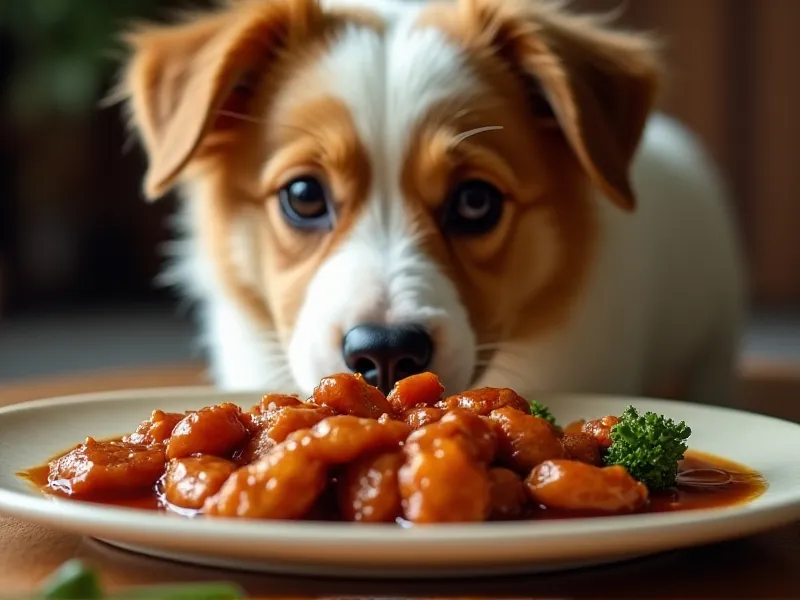
Table of Contents
- Can Dogs Eat Teriyaki Chicken? The Short Answer
- Breaking It Down: The Chicken vs. The Sauce
- The “Good” News: Why Chicken is a Canine Favorite
- The “Bad” News: What’s in Teriyaki Sauce That Harms Dogs?
- The Risks of Feeding Teriyaki Chicken to Dogs: A Closer Look
- Toxic Ingredients: Garlic and Onion Powder
- Sodium Overload: Soy Sauce and Salt
- Sugar: Empty Calories and Long-Term Risks
- Choking Hazards and Digestive Upset
- If Your Dog Ate Teriyaki Chicken: What to Do Next
- Healthier Alternatives: Treat Your Dog to Safe, Tasty Options
- Plain Cooked Chicken (The Gold Standard)
- Homemade Dog-Friendly “Teriyaki”
- Other Nutritious Protein Snacks
- FAQ: Your Teriyaki Chicken and Dog Questions Answered
- Conclusion: Love Them Enough to Say “No” to Teriyaki
- References
Can Dogs Eat Teriyaki Chicken? The Short Answer
No, dogs should not eat teriyaki chicken—at least, not the kind we humans enjoy.
Here’s why: Teriyaki chicken is more than just chicken. It’s chicken smothered in teriyaki sauce—a blend of soy sauce, sugar, garlic, ginger, and often onion. While plain, cooked chicken is a healthy, protein-packed treat for dogs, the sauce is where the trouble starts. Many of its key ingredients (like garlic, onion, and high sodium) are toxic or harmful to dogs, even in small amounts.
In short: The chicken itself is fine, but the teriyaki sauce turns this meal into a risky choice for your pup.
Breaking It Down: The Chicken vs. The Sauce
To understand why teriyaki chicken is off-limits, let’s separate the “good” (the chicken) from the “bad” (the sauce).
The “Good” News: Why Chicken is a Canine Favorite
Plain, unseasoned, cooked chicken is a staple in many dogs’ diets—and for good reason! It’s:
- High in protein: Chicken provides essential amino acids that support muscle growth, immune function, and healthy skin/coat.
- Easy to digest: It’s gentle on sensitive stomachs, making it a go-to for dogs recovering from illness or on restricted diets.
- Rich in nutrients: Chicken is a source of vitamins B6 and B12 (supports energy and brain health), selenium (antioxidant), and phosphorus (bone health).
In fact, many commercial dog foods list chicken as the first ingredient. So, if teriyaki chicken were just chicken, it would be a great treat! But alas, the sauce is a dealbreaker.
The “Bad” News: What’s in Teriyaki Sauce That Harms Dogs?
Teriyaki sauce varies by recipe, but most include these problematic ingredients for dogs:
| Ingredient | Why It’s Risky |
|---|---|
| Soy Sauce | Loaded with sodium (up to 1,000mg per tablespoon!). Too much sodium causes dehydration, electrolyte imbalances, or even sodium ion poisoning. |
| Sugar/Brown Sugar | Empty calories that lead to obesity, dental decay, or diabetes over time. Dogs’ bodies aren’t designed to process large amounts of sugar. |
| Garlic/Onion | Both contain thiosulphate, a compound toxic to dogs. It damages red blood cells, leading to anemia (symptoms: weakness, pale gums, vomiting). |
| Honey/Syrup | High in sugar (same issues as above). Also, raw honey may contain botulism spores, which are dangerous for puppies or dogs with weak immune systems. |
The Risks of Feeding Teriyaki Chicken to Dogs: A Closer Look
Let’s dive deeper into the specific dangers teriyaki chicken poses to your dog.
1. Toxic Ingredients: Garlic and Onion
Garlic and onion are toxic to dogs, even in small quantities. According to the ASPCA, these alliums (members of the onion family) cause oxidative damage to red blood cells, leading to a condition called “Heinz body anemia.” Symptoms may not show up for 2–5 days and can include:
- Lethargy or weakness
- Pale gums
- Rapid breathing or heart rate
- Vomiting or diarrhea
- Dark, discolored urine
Even “small” amounts matter: For a 50-pound dog, just 1 ounce of onion (about 1/4 cup) can cause toxicity. Garlic is even more potent—only 1/10th that amount can be dangerous. Since teriyaki sauce often includes garlic powder or onion flakes, even a drizzle puts your dog at risk.
2. Sodium Overload: Soy Sauce and Salt
Soy sauce is the main sodium culprit in teriyaki sauce. A single tablespoon contains ~900–1,000mg of sodium—more than half the daily recommended limit for a 50-pound dog (which is ~1,500mg total).
Too much sodium leads to:
- Dehydration: Excessive thirst and urination.
- Electrolyte imbalances: Confusion, seizures, or even coma in severe cases.
- Sodium ion poisoning: Symptoms include vomiting, diarrhea, tremors, and high blood pressure.
Dogs with pre-existing conditions like kidney disease or heart problems are even more vulnerable.
3. Sugar: Empty Calories and Long-Term Harm
Teriyaki sauce is sweet, thanks to sugar, brown sugar, or honey. Dogs don’t need added sugar in their diets, and excess leads to:
- Obesity: Extra calories from sugar pack on pounds, increasing the risk of joint pain, diabetes, or heart disease.
- Dental issues: Sugar feeds harmful bacteria in the mouth, causing plaque, tartar, and tooth decay.
- Energy spikes and crashes: Like humans, dogs may get hyper from sugar, followed by lethargy.
4. Choking Hazards and Digestive Upset
If your teriyaki chicken has bones (even small ones), they pose a choking risk or can splinter and damage your dog’s throat, stomach, or intestines.
Even boneless teriyaki chicken can cause digestive upset. The rich, fatty sauce may lead to:
- Vomiting or diarrhea
- Pancreatitis: Inflammation of the pancreas, triggered by high-fat/sugar foods. Symptoms include severe abdominal pain, loss of appetite, and fever—this is a medical emergency.
If Your Dog Ate a Little Teriyaki Chicken: What to Do
Accidents happen! If your dog sneaked a bite of your teriyaki chicken, don’t panic—but stay alert. Here’s what to do:
- Assess the amount: A tiny lick of sauce or a small piece of chicken (without bones) may only cause mild stomach upset (e.g., soft stool). A large portion (or sauce-heavy bite) is more concerning.
- Check for bones: If there were bones, watch for choking, gagging, or difficulty swallowing. Contact your vet immediately if you suspect a bone is stuck.
- Monitor for symptoms: For 24–48 hours, watch for vomiting, diarrhea, lethargy, or pale gums. If any of these occur, call your vet.
- When to call the vet: If your dog ate a large amount, has pre-existing health issues, or shows severe symptoms (seizures, collapse, rapid breathing), seek emergency care.
Healthier Alternatives: Treat Your Dog to Safe, Tasty Options
Just because teriyaki chicken is off the table doesn’t mean you can’t share a special snack with your pup! Here are some dog-friendly alternatives:
1. Plain, Cooked Chicken (The Gold Standard)
Skip the sauce, and plain chicken becomes a perfect treat. Cook boneless, skinless chicken breast in water or broth (no salt!), shred it, and serve:
- As a training reward
- Mixed into their regular food
- On its own as a special snack
Pro tip: Freeze small pieces for a cool summer treat!
2. Homemade Dog-Friendly “Teriyaki”
Craving that sweet-savory flavor? Make a pup-safe version with:
- 1 cup low-sodium chicken broth
- 1 teaspoon apple cider vinegar (for tang)
- 1/4 teaspoon honey (optional, only a tiny bit!)
- A sprinkle of ginger (safe in small amounts)
Simmer until thickened, then toss with plain cooked chicken. Let it cool, and serve sparingly (this is still a treat, not a meal!).
3. Other Nutritious Protein Snacks
Mix up your dog’s treats with these healthy options:
- Turkey: Lean, low-fat, and rich in tryptophan (supports calmness).
- Salmon: Cooked, boneless salmon provides omega-3 fatty acids for a shiny coat.
- Eggs: Scrambled or hard-boiled eggs (no salt!) are a protein and vitamin D boost.
- Greek yogurt: Plain, unsweetened yogurt (lactose-free for sensitive dogs) adds probiotics for gut health.
FAQ: Your Teriyaki Chicken and Dog Questions Answered
Q: My dog ate a small bite of teriyaki chicken. Should I panic?
A: Probably not! A tiny amount may cause mild stomach upset (e.g., loose stool), but monitor them for 24 hours. If they vomit, act lethargic, or have diarrhea, call your vet.
Q: Is teriyaki sauce alone toxic to dogs?
A: Yes—even a tablespoon can be dangerous. The garlic/onion and high sodium make it unsafe, even without chicken.
Q: Can dogs have soy sauce?
A: No. Soy sauce is high in sodium, which is harmful in large amounts. Small licks may cause thirst, but larger quantities risk sodium poisoning.
Q: What are the first signs my dog is sick from teriyaki chicken?
A: Watch for vomiting, diarrhea, lethargy, or excessive thirst. For garlic/onion toxicity, pale gums or weakness may appear 2–5 days later.
Q: Can I give my dog teriyaki chicken without the sauce?
A: Yes! Plain, cooked, boneless chicken is a great treat. Just skip the sauce entirely.
Conclusion: Love Them Enough to Say “No” to Teriyaki
It’s hard to resist sharing your favorite foods with your dog—after all, their excited tail wags and puppy eyes make it feel like a gift. But when it comes to teriyaki chicken, the risks far outweigh the reward. The sauce’s garlic, onion, sodium, and sugar can lead to serious health issues, from anemia to pancreatitis.
Instead, opt for plain cooked chicken or dog-friendly alternatives. Your pup will still wag their tail for a simple, safe snack—and you’ll have peace of mind knowing you’re keeping them healthy.
When in doubt, always consult your vet. They can help you choose treats that fit your dog’s unique needs (age, weight, health conditions). After all, a happy dog is a healthy dog—and that’s the best gift we can give them.
References
- American Society for the Prevention of Cruelty to Animals (ASPCA). “Onions, Garlic, Chives, and Leeks.” aspca.org/pet-care/animal-poison-control/toxic-and-non-toxic-plants/onion-garlic-chives-leeks
- American Kennel Club (AKC). “Can Dogs Eat Chicken? What You Need to Know.” akc.org/expert-advice/nutrition/can-dogs-eat-chicken/
- PetMD. “Sodium Ion Poisoning in Dogs.” petmd.com/dog/conditions/toxicity/sodium-ion-poisoning-dogs
- Veterinary Centers of America (VCA). “Pancreatitis in Dogs.” vcahospitals.com/know-your-pet/pancreatitis-in-dogs
- World Small Animal Veterinary Association (WSAVA). “Nutrition Toolkit for Pet Owners.” wsava.org/global-guidelines/nutrition-toolkit