· 9 min read
Can Dogs Eat T-Bones from Steak? A Pet Parent’s Guide to Safety & Nutrition
Picture this: You’re grilling up a juicy steak for dinner, the aroma filling the kitchen, when your dog trots over, tail wagging furiously. Those big, soulful eyes lock onto the T-bone on your plate, and suddenly, you’re torn. “They look so eager… just a little bite can’t hurt, right?”
If you’ve ever found yourself in this scenario, you’re not alone. Many pet parents wonder if sharing table scraps like T-bones is a harmless treat or a hidden danger. After all, dogs are descendants of wolves—didn’t their wild ancestors gnaw on bones all the time?
The truth is, when it comes to T-bones (and bones in general), the answer isn’t as simple as “yes” or “no.” There are risks, benefits, and important guidelines to consider. In this guide, we’ll break down everything you need to know to keep your pup happy, healthy, and safe—no more second-guessing those puppy-dog eyes.
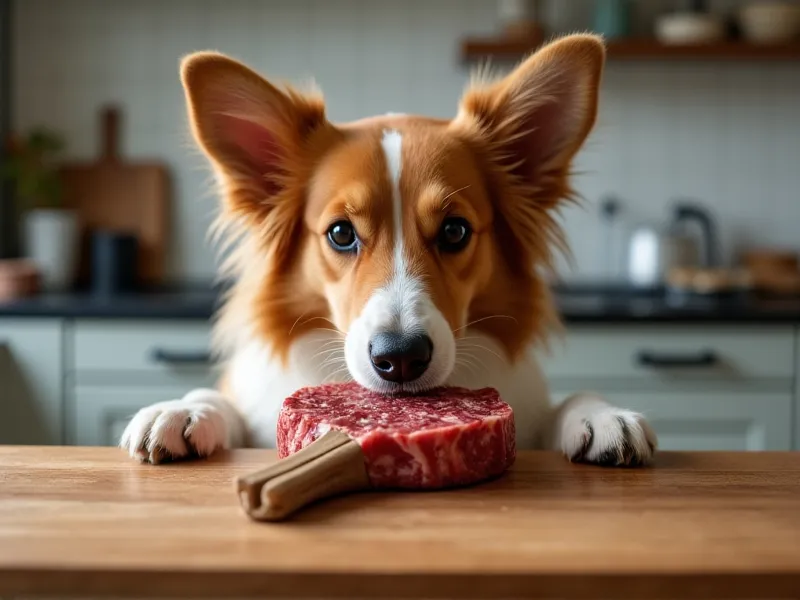
Table of Contents
- Can Dogs Eat T-Bones from Steak? The Short Answer
- The Potential “Benefits”: What Might T-Bones Offer?
- The Risks: Why T-Bones Can Be Dangerous for Dogs
- How Much (If Any) T-Bone Is Safe to Feed?
- Healthier Alternatives to T-Bones for Your Dog
- FAQ: Your T-Bone Questions Answered
- Conclusion: Prioritizing Your Dog’s Safety and Health
- References
Can Dogs Eat T-Bones from Steak? The Short Answer
No, dogs should not eat cooked T-bones from steak.
Cooked T-bones are a significant hazard for dogs, thanks to their size, shape, and texture. When heated, bones become dry, brittle, and prone to splintering—sharp fragments can tear your dog’s mouth, throat, or intestines, leading to choking, internal bleeding, or blockages.
Raw T-bones are slightly more controversial. Some proponents of raw diets argue that raw bones (from safe, human-grade sources) can be a natural chew for dogs, offering nutrients and dental benefits. However, even raw T-bones carry risks, including broken teeth, intestinal blockages, and bacterial contamination.
In short: Cooked T-bones = never safe. Raw T-bones = proceed with extreme caution (and only under veterinary guidance).
The Potential “Benefits”: What Might T-Bones Offer?
Before we dive into the risks, let’s acknowledge why T-bones might seem appealing as a treat. After all, dogs love to chew, and bones do offer some nutritional perks—when handled correctly.
1. Nutrients from Meat & Marrow
A T-bone isn’t just bone: It’s surrounded by meat, fat, and marrow. The meat itself is rich in protein (essential for muscle health), iron (supports red blood cells), and zinc (aids immune function). Marrow, the soft tissue inside bones, adds healthy fats, vitamin B12, and omega-3 fatty acids—nutrients that support skin, coat, and brain health.
2. Dental Benefits (Maybe)
Chewing on bones can help scrape plaque and tartar off your dog’s teeth, promoting better oral health. This is why many “meaty bones” are recommended in raw feeding circles—they act as a natural toothbrush. However, this benefit is only possible if the bone is the right size, texture, and given under supervision (more on that later).
3. Mental Stimulation
Let’s not forget: Chewing is a natural, instinctual behavior for dogs. It relieves boredom, reduces anxiety, and keeps them occupied. A T-bone (if safe) could provide hours of entertainment—though, as we’ll see, the risks often outweigh this perk.
But here’s the catch: These benefits can be found in safer alternatives (more on that below). T-bones, especially cooked ones, come with too many risks to be worth the reward for most dogs.
The Risks: Why T-Bones Can Be Dangerous for Dogs
Now, let’s get real about the dangers. Even if your dog has “eaten bones before and been fine,” T-bones are uniquely risky due to their size, density, and shape. Here’s what you need to watch for:
1. Splintering (Cooked T-Bones Only)
Cooking transforms bones from flexible to brittle. When your dog chews a cooked T-bone, it can shatter into sharp, needle-like fragments. These splinters can:
- Tear the gums, tongue, or throat (causing pain and bleeding).
- Get stuck in the esophagus (choking hazard).
- Puncture the stomach or intestines (leading to internal bleeding or infection, which can be fatal).
2. Choking & Intestinal Blockage
T-bones are large and irregularly shaped, making them easy for dogs to bite off chunks that are too big to swallow. Even if they do swallow a piece, it can get lodged in the intestines, causing a blockage. Symptoms of blockage include vomiting, diarrhea, lethargy, or loss of appetite—and it often requires surgery to fix.
3. Pancreatitis from Fatty Meat
Many T-bones have a thick layer of fat (especially if the steak is well-marbled). Dogs’ bodies aren’t designed to handle large amounts of fat, and a fatty treat can trigger pancreatitis—a painful, potentially life-threatening inflammation of the pancreas. Symptoms include vomiting, abdominal pain, and fever, and it often requires hospitalization.
4. Bacterial Contamination (Raw T-Bones)
Raw T-bones (or any raw meat) can harbor harmful bacteria like Salmonella or E. coli, which can sicken both your dog and your family. While dogs have stronger stomach acid than humans, they can still get food poisoning, and they can spread bacteria through their saliva or feces.
5. Broken Teeth
T-bones are dense and hard—even raw ones. Aggressive chewers may crack or break their teeth, leading to pain, infection, or the need for dental extraction. Puppies, senior dogs, and small breeds are especially at risk for dental damage.
How Much (If Any) T-Bone Is Safe to Feed?
The golden rule: Cooked T-bones should never be fed to dogs—no exceptions. Even a small piece can splinter and cause harm.
Raw T-bones are trickier. Some vets and raw feeding experts argue that raw, meaty bones (like T-bones from grass-fed, human-grade sources) can be safe in moderation, but only under strict conditions:
If You’re Considering Raw T-Bones:
- Consult your vet first. They’ll consider your dog’s age, size, breed, and health (e.g., pancreatitis risk, dental issues) to determine if raw bones are appropriate.
- Choose the right size. The bone should be larger than your dog’s mouth to prevent choking. For example, a small dog might handle a chicken neck, but a T-bone could be too big (or too small, depending on the dog!).
- Supervise 100% of the time. Never leave your dog alone with a raw T-bone. If they start to break off sharp pieces or swallow chunks, take it away immediately.
- Limit frequency. Raw bones should be an occasional treat, not a daily snack. Once a week (or less) is typical for most dogs.
- Avoid seasoning. No salt, pepper, garlic, or onions—these are toxic to dogs.
But here’s the bottom line: Most vets caution against raw T-bones due to the risks of blockages, broken teeth, and bacteria. For the average pet parent, the safer choice is to skip T-bones altogether.
Healthier Alternatives to T-Bones for Your Dog
If you want to treat your dog to a chew or a meaty snack without the risk of T-bones, there are plenty of safer options:
1. Rawhide-Free Chews
Look for chews made from natural ingredients like sweet potatoes, carrots, or pumpkin. Brands like Earth Animal or Himalayan Dog Chew offer long-lasting, digestible options that won’t splinter.
2. Dental Chews
Products like Greenies or Pedigree Dentastix are designed to clean teeth, freshen breath, and satisfy the urge to chew—without the bone risk. They’re vet-recommended and come in sizes for all breeds.
3. Bully Sticks
Bully sticks (made from dried bull pizzles) are high in protein, low in fat, and long-lasting. They’re a favorite among dogs and less likely to cause blockages than bones (just choose odor-free versions if you’re sensitive to smells!).
4. Raw Meaty Bones (Smaller, Softer Options)
If your vet approves raw bones, opt for smaller, softer varieties like chicken necks, turkey wings, or lamb ribs. These are less dense than T-bones and less likely to break teeth.
5. Cooked Meat (No Bones!)
Skip the T-bone and share a small piece of cooked, unseasoned steak (trimmed of fat) instead. It’s a protein-packed treat without the bone risk.
FAQ: Your T-Bone Questions Answered
Q: My dog stole a cooked T-bone! What should I do?
A: Stay calm, but act fast. Contact your vet immediately—even if your dog seems fine. Symptoms of trouble (e.g., vomiting, lethargy, difficulty pooping) may take hours or days to appear. Your vet may recommend monitoring, inducing vomiting (if safe), or X-rays to check for blockages.
Q: Are raw T-bones better than cooked ones?
A: Raw bones are less likely to splinter, but they still carry risks (choking, blockages, bacteria). Cooked bones are always dangerous. Neither is “better”—it’s about choosing the least risky option (which is often no bone at all).
Q: Can puppies eat T-bones?
A: No. Puppies have smaller, more delicate digestive systems and developing teeth, making them more prone to choking, blockages, or dental damage. Stick to puppy-safe chews like soft rubber toys or puppy-specific dental treats.
Q: What about other bones, like chicken or pork bones?
A: Cooked bones of any kind (chicken, pork, beef) are unsafe. Raw chicken bones are sometimes recommended for small dogs, but they can still splinter. Always ask your vet before feeding any bone.
Conclusion: Prioritizing Your Dog’s Safety and Health
At the end of the day, we all want to spoil our dogs—but their safety comes first. While T-bones might seem like a tasty, natural treat, the risks of splintering, choking, and blockages are too high to ignore.
Cooked T-bones? A hard “no.” Raw T-bones? Proceed only with veterinary approval, strict supervision, and extreme caution.
Instead, opt for safer alternatives like dental chews, bully sticks, or small pieces of cooked meat. Your dog will still feel loved, and you’ll have peace of mind knowing they’re happy and healthy.
As always, when in doubt, consult your vet. They know your dog’s unique needs and can help you make the best choices for their diet and treats. After all, a little extra care today can save you (and your pup) from a lot of trouble tomorrow.
References
- American Kennel Club (AKC). “Can Dogs Eat Bones? What You Need to Know.” akc.org
- ASPCA. “People Foods to Avoid Feeding Your Pets.” aspca.org
- VCA Animal Hospitals. “Bones and Chews: What’s Safe for Dogs?” vcahospitals.com
- Raw Feeding Veterinary Society. “Raw Meaty Bones: Guidelines for Safe Feeding.” rawfeedingvets.org