· 8 min read
Can Dogs Eat T-Bone Steak? The Ultimate Guide for Pet Parents
It’s a sunny Saturday afternoon, and you’re firing up the grill. The scent of a juicy T-bone steak—seared to perfection, with a crispy crust and pink center—fills the air. Beside you, your dog sits, tail thumping a rapid rhythm against the deck, those big, soulful eyes locked on your plate. “Just a little taste?” you wonder. “Surely a bite of this delicious steak won’t hurt, right?”
If you’ve ever found yourself in this scenario, you’re not alone. T-bone steak is a classic favorite for humans, but when it comes to our furry friends, the question isn’t as simple as “to share or not to share.” There’s the meat, the bone, and a whole lot of conflicting advice online. Let’s cut through the confusion and get to the truth: Can dogs eat T-bone steak?
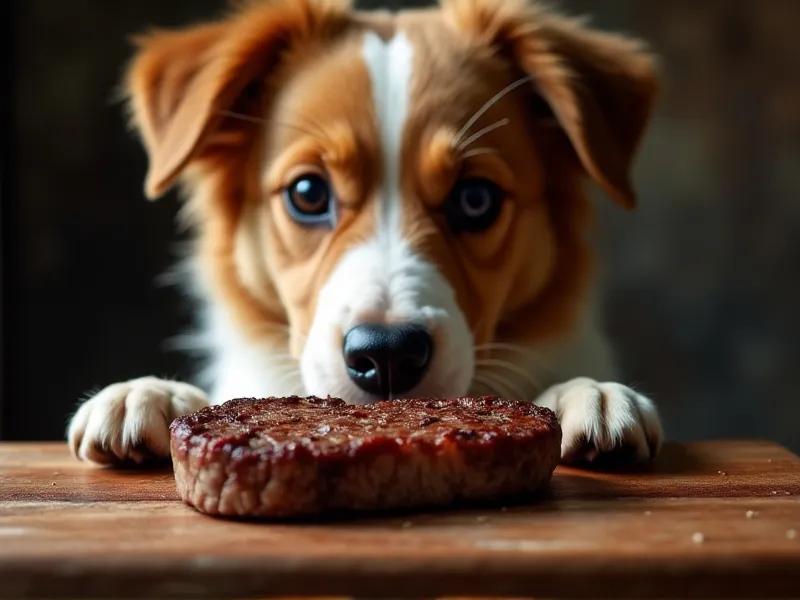
Table of Contents
- Can Dogs Eat T-Bone Steak? The Short Answer
- The Benefits of T-Bone Steak Meat for Dogs (Yes, Meat!)
- The Risks: Why T-Bone Bones (and More) Are a Concern
- How Much T-Bone Steak Is Safe to Feed (If Any)?
- Healthier Alternatives to T-Bone Steak
- FAQ: Your T-Bone Questions Answered
- Conclusion: Enjoy Responsibly, Prioritize Safety
- References
Can Dogs Eat T-Bone Steak? The Short Answer
Let’s start with the basics: Dogs can eat small amounts of cooked, boneless T-bone steak meat as an occasional treat. The lean, unseasoned meat is packed with protein and nutrients that can complement their diet. However, the T-bone itself (the bone portion) is extremely dangerous and should never be given to dogs—raw or cooked.
Why the bone? T-bone steaks are cut from the short loin, containing a “T-shaped” bone that’s thick, hard, and prone to splintering. Whether raw or cooked, this bone poses serious risks, from choking to intestinal blockages. So, while the meat might be a tasty indulgence, the bone is a hard “no.”
The Benefits of T-Bone Steak Meat for Dogs (Yes, Meat!)
If you remove the bone first, the meat of a T-bone steak can offer some nutritional perks for your pup—when served in moderation. Here’s why a tiny bite might make their tail wag (and their body thank you):
1. High-Quality Protein
Protein is the building block of a dog’s diet, supporting muscle growth, repair, and overall energy. T-bone steak meat is a complete protein, meaning it contains all the essential amino acids your dog needs. A 3-ounce serving of lean beef provides about 22 grams of protein—perfect for active dogs or as a post-playtime reward.
2. Essential Vitamins & Minerals
Beef is rich in nutrients like:
- Iron: Supports healthy red blood cells and oxygen transport.
- Zinc: Boosts immune function and skin/coat health.
- B Vitamins (B12, B6): Aid in energy metabolism and brain function.
- Selenium: An antioxidant that protects cells from damage.
3. A Tasty Motivator
Let’s be real: Dogs love meat. A small piece of T-bone steak (sans bone) can be a powerful training tool or a special occasion treat, making bonding moments even more joyful.
The Risks: Why T-Bone Bones (and More) Are a Concern
While the meat has upsides, T-bone steak comes with significant risks—especially when bones are involved. Let’s break down the dangers to keep your pup safe:
1. Choking & Intestinal Blockage (The #1 Risk: Bones!)
The T-bone itself is the biggest threat. Here’s why:
- Cooked bones: When heated, bones become dry, brittle, and prone to splintering. Sharp fragments can get stuck in your dog’s throat (choking), esophagus, or intestines (blockage). Intestinal blockages are life-threatening and often require surgery.
- Raw bones: Even raw T-bones are risky. They’re hard enough to crack teeth, and large pieces can still cause blockages. Plus, raw meat and bones may harbor harmful bacteria like Salmonella or E. coli, which can sicken both dogs and humans.
The AVMA warns that bones (especially weight-bearing bones like T-bones) are “not appropriate for dogs” due to these risks (AVMA, 2023).
2. High Fat Content = Pancreatitis Risk
T-bone steak, especially if it has marbling or a fatty edge, is high in fat. Dogs have sensitive digestive systems, and a sudden influx of fat can trigger pancreatitis—an inflammation of the pancreas that causes severe vomiting, diarrhea, and abdominal pain. In severe cases, pancreatitis can be fatal.
Small dogs, overweight dogs, and breeds prone to pancreatitis (like Miniature Schnauzers) are at even higher risk.
3. Seasonings & Additives
Most T-bone steaks are seasoned with salt, pepper, garlic, onion, or herbs. Garlic and onion are toxic to dogs (they damage red blood cells), while excessive salt can lead to sodium ion poisoning (symptoms: vomiting, diarrhea, seizures). Even “mild” seasonings like black pepper can irritate your dog’s stomach.
4. Broken Teeth
T-bones are rock-hard. Chewing on them can crack or break your dog’s teeth, leading to pain, infection, or costly dental work. Puppies and senior dogs with weaker teeth are particularly vulnerable.
How Much T-Bone Steak Is Safe to Feed (If Any)?
If you decide to share a bite of T-bone steak with your dog, follow these guidelines to minimize risk:
1. Remove the Bone First
This is non-negotiable. Use a sharp knife to trim all meat away from the T-bone, ensuring no small bone fragments remain. Even tiny splinters can cause harm.
2. Keep Portions Tiny
Treats should make up no more than 10% of your dog’s daily calories. For a 50-pound dog, that’s about 100-150 extra calories per day. A 1-2 ounce slice of lean T-bone meat (cooked, unseasoned) is plenty.
- Small dogs (under 20 lbs): 1-2 bites (about 0.5-1 oz).
- Medium dogs (20-50 lbs): 1-2 oz.
- Large dogs (50+ lbs): 2-3 oz.
3. Avoid Seasonings & Fat
Skip the salt, pepper, garlic, butter, or sauces. Opt for plain, grilled or baked steak (no added oils). Trim off visible fat to reduce pancreatitis risk.
4. Consider Your Dog’s Health
Avoid T-bone meat if your dog has:
- Pancreatitis (history or risk).
- Obesity or diabetes (high fat, calories).
- Food allergies to beef.
- A sensitive stomach (fatty meats can cause diarrhea).
5. Serve as an Occasional Treat
T-bone steak isn’t a regular meal. Save it for special occasions—like your birthday or a holiday grill-out.
Healthier Alternatives to T-Bone Steak
If you want to treat your dog to meaty goodness without the T-bone risks, try these safer options:
1. Boneless Lean Meats
- Chicken or turkey breast: Cooked, unseasoned, and boneless. High in protein, low in fat.
- Lean beef (sirloin or round): Trimmed of fat, cooked, and unseasoned.
- Pork loin: Lean, cooked, and unseasoned (avoid fatty pork like bacon).
2. Safe Raw Meaty Bones (With Caution)
If you’re interested in raw feeding, some bones are safer than T-bones. These are soft, flexible, and less likely to splinter:
- Raw chicken necks or backs (for small to medium dogs): Chewable and rich in nutrients.
- Raw turkey necks (for medium to large dogs): Similar benefits.
Note: Raw bones still carry bacteria risk. Consult your vet before starting raw foods, and handle them safely (wash hands, clean surfaces).
3. Commercial Dental Chews
For dogs who love to chew, opt for vet-recommended dental chews (e.g., Greenies, Pedigree Dentastix). These are designed to clean teeth without breaking them.
4. Frozen Meat Treats
Freeze small cubes of cooked, boneless chicken or beef in broth (low-sodium) for a cool, tasty snack on hot days.
FAQ: Your T-Bone Questions Answered
Q: My dog stole a T-bone bone! What should I do?
A: Stay calm. If your dog is choking (gagging, pawing at mouth, struggling to breathe), call your vet or emergency clinic immediately. If they swallowed it, monitor for symptoms like vomiting, diarrhea, lethargy, or loss of appetite over the next 24-48 hours. Even if they seem fine, contact your vet—blockages can take time to show signs.
Q: Can puppies eat T-bone steak meat?
A: Puppies can have small amounts of boneless, cooked T-bone meat as a treat, but avoid it if they’re teething (they may chew aggressively, risking choking). Puppies have sensitive tummies, so start with a tiny bite to check for digestive upset.
Q: Is raw T-bone steak safer than cooked?
A: No. Raw bones are still hard and can crack teeth or cause blockages. Plus, raw meat may contain harmful bacteria. Cooked bones are more brittle, but both are risky. The safest option is no bone at all.
Q: My dog loves bones—aren’t they “natural” for dogs?
A: Wild canines eat bones, but they’re also adapted to digest them (e.g., stronger jaws, shorter intestines). Domestic dogs have different diets and are more prone to blockages. Many vets recommend avoiding bones altogether (AKC, 2022).
Q: Can T-bone meat cause allergies?
A: Beef is a common allergen for dogs. Symptoms include itchy skin, ear infections, or digestive issues. If your dog has never had beef, start with a tiny bite and monitor for reactions.
Conclusion: Enjoy Responsibly, Prioritize Safety
Sharing a bite of T-bone steak with your dog can be a sweet moment—if you do it safely. Remember: meat is okay (in moderation, boneless, unseasoned), but the bone is never worth the risk.
When in doubt, consult your vet. They can help you decide if T-bone meat fits your dog’s diet and recommend safe alternatives. After all, your pup’s health and happiness are what matter most.
So, fire up that grill, savor your steak, and give your dog a tiny, bone-free bite. They’ll wag their tail, and you’ll rest easy knowing you’re keeping them safe.
References
- American Kennel Club (AKC). (2022). Can Dogs Eat Bones? https://www.akc.org/expert-advice/nutrition/can-dogs-eat-bones/
- American Veterinary Medical Association (AVMA). (2023). Feeding Your Pet: Bones, Raw Diets, and Other Risks. https://www.avma.org/resources/pet-owners/petcare/feeding-your-pet
- PetMD. (2023). Pancreatitis in Dogs: Symptoms, Causes, and Treatment. https://www.petmd.com/dog/conditions/digestive/c_dg_pancreatitis
- Tufts University Cummings School of Veterinary Medicine. (2021). Raw Food Diets for Dogs and Cats: What You Need to Know. https://vetnutrition.tufts.edu/2019/05/raw-food-diets-for-dogs-and-cats-what-you-need-to-know/