· 7 min read
Can Dogs Eat Sweet Peppers Raw? A Pet Parent’s Guide to Safe Snacking
You’re dicing a crisp, colorful bell pepper for your stir-fry when your dog—ever the kitchen companion—trots over, tail thumping, nose twitching at the fresh scent. “Just a tiny bite?” they seem to beg with those puppy eyes. Before you toss them a piece, you pause: Are sweet peppers safe for dogs to eat raw? It’s a common question for pet parents who want to share healthy snacks with their furry friends. Let’s dive into the facts to keep your pup happy and healthy.
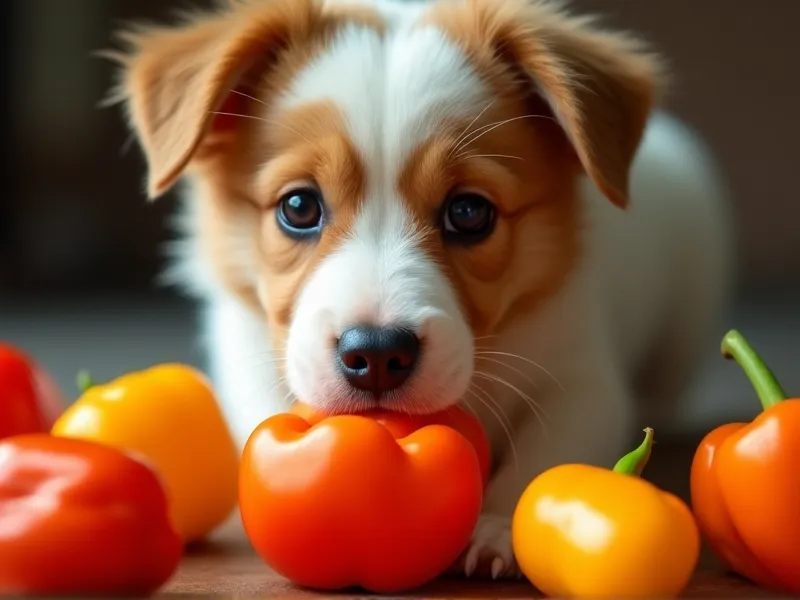
Table of Contents
- Can Dogs Eat Sweet Peppers Raw? The Short Answer
- Nutritional Benefits of Sweet Peppers for Dogs
- Potential Risks to Watch For
- Safe Serving Guidelines: How Much Is Too Much?
- Healthier Alternatives to Sweet Peppers
- Frequently Asked Questions (FAQ)
- Conclusion: Moderation is Key
- References
1. Can Dogs Eat Sweet Peppers Raw? The Short Answer
Yes, dogs can safely eat sweet peppers raw—in moderation. Unlike spicy peppers (think jalapeños or chili peppers), sweet peppers (bell peppers, banana peppers, etc.) are non-toxic to dogs and even offer some nutritional perks. They’re low in calories, high in vitamins, and crunchy, making them a fun occasional treat.
But “safe” doesn’t mean “unlimited.” Like any human food, sweet peppers should be fed sparingly, not as a replacement for your dog’s balanced kibble or wet food. And there are a few caveats (more on that later!) to ensure your pup’s tummy stays happy.
2. Nutritional Benefits of Sweet Peppers for Dogs
Sweet peppers—whether red, yellow, orange, or green—are packed with nutrients that can boost your dog’s health. Let’s break down their superpowers:
Vitamin A: For Vision and Immune Health
Sweet peppers are rich in beta-carotene, which converts to vitamin A in the body. Vitamin A supports:
- Eye health: Helps maintain clear vision and prevents age-related eye issues.
- Immune function: Strengthens the immune system to fight off infections.
- Skin and coat: Keeps fur shiny and skin moisturized (no more dry, flaky patches!).
Vitamin C: A Powerful Antioxidant
Dogs can produce some vitamin C on their own, but extra from food never hurts. Vitamin C acts as an antioxidant, neutralizing harmful free radicals that contribute to aging and disease. It also:
- Supports collagen production (important for joint health and wound healing).
- Reduces inflammation (helpful for dogs with arthritis or allergies).
- Boosts energy levels (great for active pups!).
Fun fact: Red and yellow peppers have more vitamin C than green ones! A red bell pepper has about 152mg of vitamin C per cup—nearly 3x more than an orange.
Fiber: For a Happy Gut
Fiber is essential for digestive health, and sweet peppers deliver a decent amount (about 2.5g per cup). Fiber helps:
- Regulate bowel movements (say goodbye to constipation or diarrhea!).
- Keep your dog feeling full (curbs overeating and helps with weight management).
- Feed “good” gut bacteria (supports a healthy microbiome).
Potassium: For Heart and Muscle Health
Potassium is a mineral that helps maintain proper heart function, muscle contractions, and fluid balance. It’s especially important for senior dogs or those with heart conditions, as it supports healthy blood pressure.
3. Potential Risks to Watch For
While sweet peppers are generally safe, they’re not without risks—especially if overfed or prepared improperly. Here’s what to watch out for:
Natural Sugar: Too Much Can Lead to Weight Gain
Sweet peppers contain natural sugars (about 4-5g per cup). While this is less than, say, a banana (14g), over time, extra sugar can add up. Excess sugar in a dog’s diet may cause:
- Weight gain or obesity (linked to diabetes, joint pain, and heart disease).
- Tooth decay (yes, dogs get cavities too!).
Stomach Upset: Fiber Overload
Fiber is good, but too much fiber can backfire. If your dog eats a large handful of raw peppers, they may experience:
- Gas or bloating (uncomfortable for them—and smelly for you!).
- Diarrhea or loose stools (fiber draws water into the gut, which can loosen stools if overdone).
- Nausea (some dogs may vomit if their stomach is upset).
Choking Hazard: Size Matters
Raw peppers are crunchy, but their shape and texture can pose a choking risk—especially for small dogs (think Chihuahuas or Yorkies) or dogs who gulp food without chewing. Large chunks can get stuck in the throat or intestines, leading to choking or blockages (a medical emergency!).
Pesticides: Wash Thoroughly!
Most store-bought peppers are sprayed with pesticides to keep bugs away. These chemicals can irritate your dog’s stomach or even cause poisoning in large amounts. Always wash peppers thoroughly under running water before feeding them to your pup. For extra safety, opt for organic peppers (fewer pesticides) or peel the skin (though the skin has most of the fiber!).
4. Safe Serving Guidelines: How Much Is Too Much?
The key to feeding sweet peppers is moderation. Here’s a quick guide based on your dog’s size:
| Dog Size | Serving Size (Raw, Chopped) | Frequency |
|---|---|---|
| Small (≤20 lbs) | 1-2 thin slices (1-2 tbsp) | 1-2x per week |
| Medium (20-50 lbs) | 3-4 slices (3-4 tbsp) | 1-2x per week |
| Large (>50 lbs) | ¼ cup (about 4-5 slices) | 1-2x per week |
Pro tips for safe serving:
- Chop into small pieces: Dice peppers into bite-sized bits (no larger than your dog’s thumbnail) to avoid choking.
- Remove stems and seeds: The stem is tough and hard to digest, and seeds (while not toxic) can be a choking hazard for tiny dogs.
- Start small: If your dog has never had peppers before, offer 1-2 tiny pieces first. Monitor for 24 hours—if they get gassy or have diarrhea, hold off next time.
- Avoid seasoning: Never add salt, pepper, garlic, or onion—these are toxic to dogs!
5. Healthier Alternatives to Sweet Peppers
If your dog isn’t a fan of peppers, or you want to mix up their treat routine, try these dog-safe veggies instead. Many are lower in sugar or easier to digest:
Carrots
- Why they’re great: Crunchy, low in calories (only 25 calories per medium carrot), and packed with beta-carotene (vitamin A).
- Bonus: Chewing carrots helps clean teeth (natural “dental floss”!).
Cucumber
- Why they’re great: 96% water, so they’re hydrating and low in calories (16 calories per cup). Perfect for hot days or overweight dogs.
- Pro tip: Freeze cucumber slices for a cool, refreshing treat!
Green Beans
- Why they’re great: High in fiber, low in sugar, and loaded with vitamins A, C, and K. Canned green beans (no salt!) are a popular weight-loss treat.
Broccoli
- Why they’re great: Rich in vitamin C, fiber, and antioxidants. Serve steamed (raw broccoli can cause gas in some dogs) in small amounts (1-2 florets per day).
6. Frequently Asked Questions (FAQ)
Q: Can dogs eat all colors of sweet peppers?
A: Yes! Red, yellow, orange, and green peppers are all safe. Red and yellow peppers have more vitamins (C and A) than green ones, but green is still a healthy choice. Avoid spicy peppers (jalapeños, habaneros, chili peppers)—they contain capsaicin, which can cause pain, vomiting, or diarrhea.
Q: What if my dog ate a whole raw pepper?
A: Don’t panic! A single pepper is unlikely to harm most dogs, but monitor for stomach upset (gas, diarrhea, vomiting). If symptoms last more than 24 hours, or if your dog is small (≤10 lbs), contact your vet.
Q: Can puppies eat raw sweet peppers?
A: Puppies can try small amounts, but their tummies are more sensitive. Start with 1 tiny slice (about the size of a pea) and watch for reactions. Avoid feeding to puppies under 6 months old—their digestive systems are still developing.
Q: Are cooked sweet peppers better than raw?
A: Cooked peppers are easier to digest (gentler on sensitive tummies), but raw peppers retain more vitamin C (cooking can reduce it by 25-30%). Either is fine—just avoid adding oil, salt, or seasonings.
Q: My dog hates sweet peppers. Is that normal?
A: Totally! Dogs have unique taste preferences. Some love crunchy veggies, others prefer fruits (like blueberries or apples, in moderation). Don’t force it—there are plenty of other healthy treats to try.
7. Conclusion: Moderation is Key
Sweet peppers can be a healthy, crunchy treat for dogs—rich in vitamins A, C, fiber, and potassium. Just remember: moderation is key. Feed small, chopped pieces as an occasional snack (not a meal replacement), and watch for signs of stomach upset.
Every dog is different—what works for one may not work for another. If your dog has a health condition (like diabetes, kidney disease, or a sensitive stomach), always check with your vet before introducing new foods.
At the end of the day, the best treat for your dog is your love and attention—but a tiny slice of red pepper? That’s just the cherry on top (or should we say, the pepper on top?).
8. References
- American Society for the Prevention of Cruelty to Animals (ASPCA). “People Foods Dogs Can and Can’t Eat.” ASPCA.org
- American Kennel Club (AKC). “Can Dogs Eat Bell Peppers?” AKC.org
- VCA Hospitals. “Nutrition for Dogs.” VCAAmerica.com
- PetMD. “Vitamin C for Dogs: Benefits, Dosage, and Side Effects.” PetMD.com