· 9 min read
Can Dogs Eat Sugar-Free Jello? What Pet Parents Need to Know
It’s a lazy Sunday afternoon, and you’re savoring a cool, jiggly bowl of sugar-free jello—maybe mango-flavored, or perhaps a classic lime. Out of the corner of your eye, you spot your pup: tail thumping, head tilted, those big, imploring eyes fixed on your snack. “Just a tiny spoonful?” you think. “It’s sugar-free, so it’s gotta be harmless, right?”
If you’ve ever found yourself in this scenario, you’re not alone. Pet parents often wonder if “sugar-free” equals “dog-safe,” especially when it comes to treats that seem light and innocent. But the truth about sugar-free jello and dogs is more complicated than that wobbly texture suggests. Let’s dive in and separate fact from fiction—so you can keep your pup safe and satisfied.
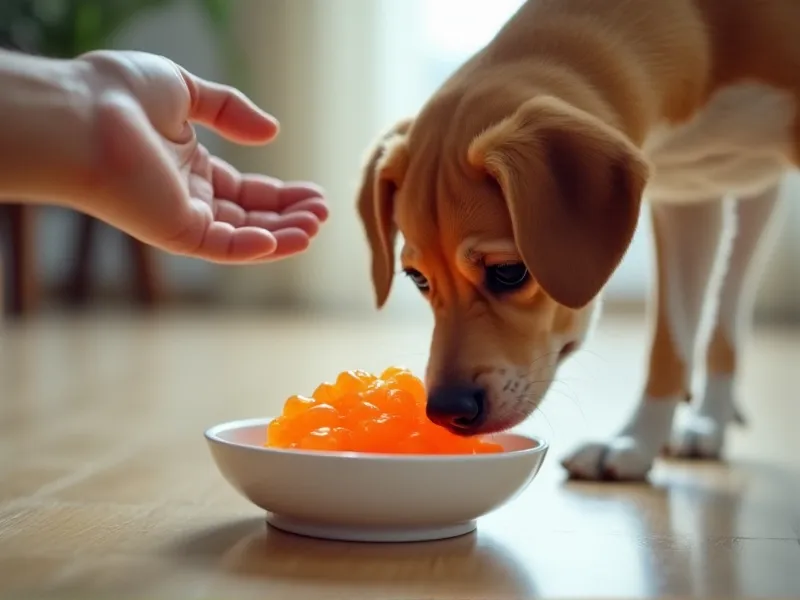
Table of Contents
- Can Dogs Eat Sugar-Free Jello? The Short Answer
- Potential “Benefits” of Sugar-Free Jello for Dogs (Spoiler: They’re Slim)
- The Risks of Sugar-Free Jello for Dogs: Why It’s a No-Go
- How Much Sugar-Free Jello Is Safe for Dogs?
- Healthier Alternatives to Sugar-Free Jello
- FAQ: Your Burning Questions Answered
- Conclusion: When in Doubt, Skip the Jello
Can Dogs Eat Sugar-Free Jello? The Short Answer
No, sugar-free jello is not safe for dogs. In fact, it’s often dangerous, and here’s why: The primary ingredient that makes sugar-free jello “sugar-free” is usually an artificial sweetener—and one of the most common culprits, xylitol, is highly toxic to dogs. Even small amounts can cause life-threatening health issues like hypoglycemia (low blood sugar), liver failure, or worse.
But wait—what if the sugar-free jello you’re eating doesn’t have xylitol? Maybe it uses stevia, erythritol, or another sweetener. While those are less toxic, sugar-free jello still comes with other risks, from digestive upset to choking hazards. Let’s break it down.
Potential “Benefits” of Sugar-Free Jello for Dogs (Spoiler: They’re Slim)
Before we jump into the risks, let’s address the elephant in the room: Are there any upsides to sharing sugar-free jello with your dog? The short answer is… almost none.
Store-bought sugar-free jello is a processed food, and its nutritional value is next to zero. It’s mostly water, gelatin, artificial sweeteners, and additives. Even “fruit-flavored” varieties rarely contain real fruit—just synthetic flavors. So, your dog won’t get vitamins, minerals, or fiber from it.
If you’re thinking of homemade sugar-free jello (made with real fruit, unsweetened gelatin, and no artificial additives), there might be trace benefits. For example, adding blueberries could offer antioxidants, or pumpkin might add fiber. But even then, the gelatin itself isn’t a “superfood” for dogs (more on that later), and the risks still often outweigh the minimal perks.
In short: Sugar-free jello isn’t a treat that will boost your dog’s health. There are far better snacks to share.
The Risks of Sugar-Free Jello for Dogs: Why It’s a No-Go
Now, let’s get to the real concern: the risks. Sugar-free jello isn’t just “empty calories”—it can actively harm your dog. Here’s what to watch out for:
Xylitol: The Hidden Toxic Threat
By far the biggest danger in sugar-free jello is xylitol, a sugar alcohol used as a sweetener in many “sugar-free” products (gum, candy, baked goods, and yes, some jellos). Xylitol is extremely toxic to dogs, even in tiny doses.
Why is xylitol so dangerous? When dogs eat xylitol, their bodies mistake it for sugar and release a surge of insulin. This causes blood sugar to plummet (hypoglycemia) within 10–60 minutes. Symptoms of xylitol poisoning include:
- Vomiting
- Loss of coordination (acting “drunk”)
- Weakness or lethargy
- Seizures
- Collapse
In severe cases, xylitol can also cause liver failure, which may not show symptoms until 12–24 hours after ingestion. According to the ASPCA Animal Poison Control Center, as little as 0.1 grams of xylitol per pound of a dog’s body weight can cause hypoglycemia. For a 10-pound dog, that’s just 1 gram—about the amount in a single stick of sugar-free gum.
The bottom line: Always check the ingredients list of sugar-free jello for xylitol. If it’s present, keep it far away from your dog.
Artificial Sweeteners: A Recipe for Stomach Trouble
What if the sugar-free jello uses other sweeteners, like sorbitol, mannitol, or maltitol? These are also sugar alcohols, and while they’re not as toxic as xylitol, they can still wreak havoc on your dog’s digestive system.
Sugar alcohols aren’t fully absorbed by the body, so they ferment in the gut. This can lead to:
- Gas and bloating
- Diarrhea (sometimes severe)
- Stomach cramps
For example, sorbitol is commonly used in sugar-free jello to add sweetness and texture. Even small amounts can cause loose stools in dogs, especially those with sensitive stomachs. And if your dog eats a large serving? Think diarrhea, dehydration, and a very unhappy pup (and owner).
Artificial Colors, Flavors, and Fillers: Unnecessary Additives
Store-bought sugar-free jello is loaded with artificial ingredients to make it taste and look appealing. Think Red 40, Yellow 5, Blue 1—these synthetic dyes have been linked to behavioral issues in children (like hyperactivity), and while research on dogs is limited, most vets agree they’re best avoided.
Many jellos also contain “natural flavors,” which sounds harmless, but can include hidden additives or byproducts that irritate dogs’ stomachs. And let’s not forget the preservatives—like sodium benzoate—which are added to extend shelf life but offer no nutritional value.
Your dog’s body doesn’t need these chemicals. In fact, they may contribute to long-term health issues, like food sensitivities or inflammation.
Choking Hazard: The Slippery, Wobbly Risk
Finally, there’s the physical risk: jello’s texture. It’s slippery, jiggly, and can easily get stuck in a dog’s throat—especially if they gulp it down without chewing. Small dogs and flat-faced breeds (like pugs or bulldogs) are at higher risk, as their airways are narrower.
Even if it doesn’t cause choking, jello can also block the esophagus, leading to discomfort or difficulty breathing. It’s just not worth the risk for a snack that offers no real benefit.
How Much Sugar-Free Jello Is Safe for Dogs?
When it comes to sugar-free jello, the safest answer is: none.
Even if the jello is free of xylitol, the artificial sweeteners, colors, and choking risk make it a poor choice. A “tiny bite” might not kill your dog, but it could still cause diarrhea, stomach pain, or worse. And if you accidentally give them jello with xylitol? The consequences could be fatal.
If you’re dead set on sharing a jello-like treat (we get it—those puppy eyes are hard to resist!), skip the store-bought stuff and opt for a homemade version with dog-safe ingredients (more on that below).
Healthier Alternatives to Sugar-Free Jello
Instead of sugar-free jello, try these dog-safe, nutrient-packed alternatives that your pup will love:
1. Homemade “Dog Jello” with Bone Broth
Gelatin (the main ingredient in jello) can be good for dogs—when it’s unflavored, unsweetened, and sourced from quality ingredients. Gelatin is rich in collagen, which supports joint health, skin, and coat.
Recipe:
- 1 cup low-sodium bone broth (chicken or beef, no onions/garlic)
- 1 tablespoon unflavored gelatin powder (look for grass-fed, if possible)
- 1/4 cup dog-safe fruit (blueberries, strawberries, or mashed banana)
How to make it:
- Heat bone broth in a small pot until warm (not boiling).
- Whisk in gelatin until dissolved.
- Stir in fruit, then pour into a silicone mold or small bowl.
- Refrigerate for 2–3 hours until set.
- Cut into small cubes and serve as a cool, wobbly treat!
2. Frozen Fruit Chunks
Skip the jello altogether and go straight for the good stuff: fresh fruit. Many fruits are safe (and healthy!) for dogs, like blueberries (antioxidants), watermelon (hydration), and apples (fiber, minus the seeds). Freeze them for a crunchy, refreshing snack—perfect for hot days.
3. Plain Yogurt Drops
Plain, unsweetened yogurt is packed with probiotics (good for gut health) and calcium. Spoon small dollops onto a baking sheet, freeze them, and you’ve got “yogurt jello bites” without the sugar or additives. Just make sure the yogurt doesn’t contain xylitol (some “low-sugar” yogurts do!).
4. Pumpkin Puree Pops
Canned pumpkin (not pie filling!) is a dog superfood—it’s high in fiber and beta-carotene. Mix 1/4 cup pumpkin puree with 1/4 cup water, pour into ice cube trays, and freeze. Your dog will love the creamy, sweet flavor (and it’s great for upset tummies!).
FAQ: Your Burning Questions Answered
Q: My dog ate sugar-free jello—what should I do?
A: First, check the ingredients list for xylitol. If xylitol is present, call your vet or the ASPCA Animal Poison Control Center (1-888-426-4435) immediately. Even a small amount can be toxic. If there’s no xylitol, monitor your dog for 24 hours for diarrhea, vomiting, or bloating. If symptoms occur, contact your vet.
Q: Is regular jello (with sugar) better for dogs than sugar-free?
A: No. Regular jello is loaded with sugar, which is bad for dogs. Too much sugar can lead to obesity, dental disease, and even diabetes. It’s also still a choking hazard. Stick to dog-safe treats instead.
Q: Can puppies eat sugar-free jello?
A: Puppies have smaller bodies and more sensitive stomachs, so they’re at higher risk for xylitol poisoning or digestive upset. Avoid sugar-free jello entirely.
Q: Are there any sugar-free jellos without xylitol?
A: Some brands use stevia or erythritol instead of xylitol. Stevia is generally safe for dogs in small amounts, but erythritol can still cause diarrhea. Even then, these jellos often have artificial colors/flavors. It’s better to make your own dog-safe version.
Conclusion: When in Doubt, Skip the Jello
At the end of the day, sugar-free jello is a snack best enjoyed by humans—not our four-legged friends. Between the risk of xylitol poisoning, digestive upset, and choking, there’s simply no good reason to share it with your dog.
Instead, opt for homemade treats like bone broth jello or frozen fruit—snacks that are safe, nutrient-dense, and actually good for your pup. And if you ever find yourself wondering, “Is this safe?” when it comes to human food, err on the side of caution. When in doubt, call your vet—they’re always happy to help you make the best choices for your dog’s health.
Your pup’s tail will be just as waggy for a blueberry as it would be for jello. Promise.
References:
- ASPCA Animal Poison Control Center. (n.d.). Xylitol Poisoning in Dogs. https://www.aspca.org/pet-care/animal-poison-control/xylitol-poisoning-dogs
- VCA Animal Hospitals. (n.d.). Toxic Foods for Dogs. https://vcahospitals.com/know-your-pet/toxic-foods-for-dogs
- PetMD. (2021). Can Dogs Eat Gelatin? https://www.petmd.com/dog/nutrition/can-dogs-eat-gelatin
- American Kennel Club. (2022). Fruits and Vegetables Dogs Can or Can’t Eat. https://www.akc.org/expert-advice/nutrition/fruits-vegetables-dogs-can-eat/