· 9 min read
Can Dogs Eat Store-Bought Mushrooms? The Ultimate Guide for Pet Parents
You’re standing at the kitchen counter, sautéing a handful of fresh mushrooms for your dinner, when you feel a wet nose nudge your hand. Looking down, your dog is staring up at you with those irresistible puppy eyes, tail thumping, as if to say, “Hey, that smells good—can I have a bite?” It’s a common scenario for pet parents: we love sharing our food with our furry friends, but we also worry, “Is this safe?”
Mushrooms are a staple in many human diets—savory, versatile, and packed with nutrients. But when it comes to our dogs, the rules can get fuzzy. After all, we’ve all heard horror stories about toxic wild mushrooms. But what about the ones you buy at the grocery store? Can dogs eat store-bought mushrooms, or should they stay off the menu entirely?
In this guide, we’ll break down everything you need to know: which store-bought mushrooms are safe, their potential benefits, hidden risks, how much to feed (if any), and healthier alternatives. Let’s dive in!
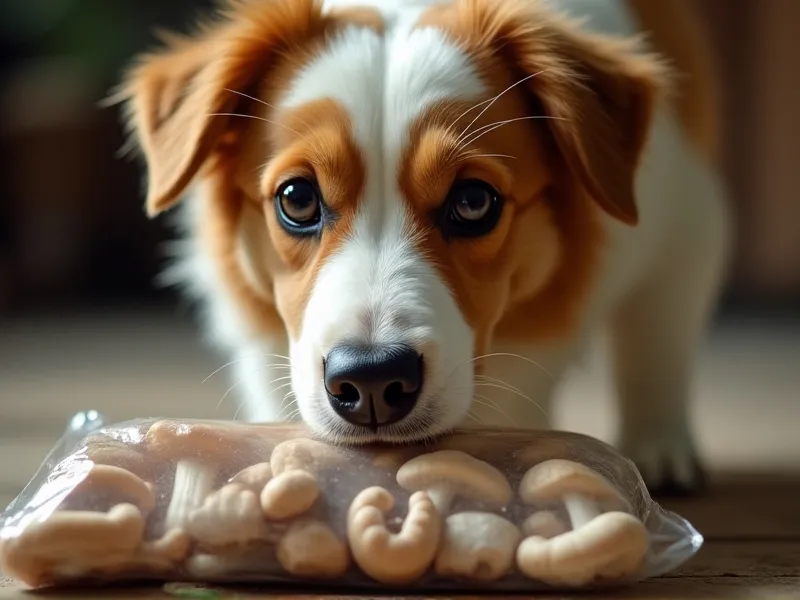
Table of Contents
- Can Dogs Eat Store-Bought Mushrooms? The Short Answer
- The Benefits of Store-Bought Mushrooms for Dogs
- The Risks: What Pet Parents Need to Watch For
- How Much Store-Bought Mushroom Can Dogs Safely Eat?
- Healthier Alternatives to Mushrooms
- FAQ: Your Mushroom Questions Answered
- Conclusion: Moderation and Common Sense
- References
Can Dogs Eat Store-Bought Mushrooms? The Short Answer
Yes, most common store-bought mushrooms are safe for dogs to eat in small, occasional amounts.
Unlike wild mushrooms—many of which are highly toxic and can be fatal to dogs—commercially grown mushrooms (like white button, cremini, portobello, and shiitake) are non-toxic and generally considered safe. These mushrooms are cultivated in controlled environments, free from the toxins found in their wild counterparts (such as the death cap or destroying angel mushrooms).
That said, “safe” doesn’t mean “unlimited.” Store-bought mushrooms should never replace your dog’s balanced, species-appropriate diet, and there are important caveats to keep in mind (more on that later!). Always err on the side of caution, and when in doubt, check with your vet first.
The Benefits of Store-Bought Mushrooms for Dogs
While mushrooms aren’t a必需 nutrient for dogs, they do offer some potential health perks when fed in moderation. Let’s break down their key nutrients:
1. B Vitamins for Energy and Vitality
Mushrooms are rich in B vitamins, including riboflavin (B2), niacin (B3), and pantothenic acid (B5). These vitamins play crucial roles in your dog’s health:
- B2: Supports healthy skin, coat, and eye function.
- B3: Aids in energy metabolism, helping convert food into fuel for your dog’s active lifestyle.
- B5: Promotes a healthy nervous system and hormone production.
For example, portobello mushrooms are particularly high in niacin, which can help keep your dog’s energy levels steady and support brain health.
2. Fiber for Digestive Health
Mushrooms contain dietary fiber, which is beneficial for your dog’s gut. Fiber helps regulate digestion, prevents constipation, and supports a healthy balance of gut bacteria. However, it’s important to note that too much fiber can lead to digestive upset (more on that in the risks section!), so portion control is key.
3. Potassium for Heart and Muscle Function
Potassium is an essential mineral that helps maintain healthy heart rhythm, muscle function, and blood pressure. Mushrooms, especially shiitake and cremini varieties, are a natural source of potassium, making them a nutrient-dense addition to your dog’s occasional treats.
4. Low in Calories and Fat
For dogs watching their weight, mushrooms are a great low-calorie option. A cup of raw white button mushrooms contains only about 15 calories and less than 1 gram of fat, making them a guilt-free treat compared to high-calorie snacks like cheese or bacon.
The Risks: What Pet Parents Need to Watch For
While store-bought mushrooms are generally safe, they aren’t without risks—especially if prepared improperly or fed in large quantities. Here’s what to watch out for:
1. Added Ingredients: The Hidden Danger
The biggest risk with store-bought mushrooms isn’t the mushroom itself—it’s what’s on or in it. Many mushrooms sold in stores are marinated, seasoned, or cooked with ingredients that are toxic to dogs, such as:
- Garlic and onions: These belong to the allium family, which can damage a dog’s red blood cells and cause anemia, even in small amounts.
- Salt: Excess salt can lead to sodium ion poisoning, causing symptoms like vomiting, diarrhea, seizures, or even death.
- Butter, oil, or sauces: High-fat toppings can trigger pancreatitis in dogs, a painful and potentially life-threatening condition.
- Artificial seasonings: Ingredients like xylitol (a sugar substitute) are highly toxic to dogs, causing a rapid drop in blood sugar and liver failure.
Rule of thumb: Only feed your dog plain, unseasoned, cooked mushrooms. Avoid marinated, canned, or pre-cooked mushrooms from deli counters—these often contain harmful additives.
2. Digestive Upset from Too Much Fiber
While fiber is good for digestion, too much can backfire. Mushrooms are high in insoluble fiber, which can cause gas, bloating, diarrhea, or constipation in dogs, especially if they’re not used to it. This is more common in small dogs or those with sensitive stomachs.
3. Choking Hazard
Small, whole mushrooms (like button mushrooms) can pose a choking risk, especially for toy breeds or dogs who gulp their food without chewing. To reduce this risk, chop mushrooms into small, bite-sized pieces before feeding.
4. Raw Mushrooms: Hard to Digest
Raw mushrooms are tough for dogs to digest because of their cell walls, which are made of chitin—a fibrous substance that dogs’ stomachs struggle to break down. This can lead to gastrointestinal upset, including vomiting or diarrhea. Always cook mushrooms before feeding them to your dog—cooking softens the chitin and makes nutrients easier to absorb.
5. Allergic Reactions (Rare, but Possible)
While rare, some dogs may be allergic to mushrooms. Signs of an allergic reaction include itching, swelling of the face or paws, hives, or difficulty breathing. If you notice any of these symptoms after feeding your dog mushrooms, contact your vet immediately.
How Much Store-Bought Mushroom Can Dogs Safely Eat?
The golden rule here is moderation. Mushrooms should never make up more than 10% of your dog’s daily calorie intake—treats, in general, should stay within this range to avoid unbalancing their diet.
The exact amount depends on your dog’s size, weight, and overall health. Here’s a general guideline:
- Small dogs (under 20 lbs): ¼ to ½ of a small, cooked mushroom (e.g., button mushroom) per week.
- Medium dogs (20–50 lbs): ½ to 1 small cooked mushroom per week.
- Large dogs (50+ lbs): 1 to 2 small cooked mushrooms per week.
Pro tip: Start with a tiny amount (like a teaspoon of chopped mushroom) and monitor your dog for 24–48 hours. If they show no signs of digestive upset (vomiting, diarrhea, gas), you can gradually increase the portion (within the guidelines above).
Healthier Alternatives to Mushrooms
If you’re unsure about feeding mushrooms, or if your dog doesn’t like them, there are plenty of safer, nutrient-dense alternatives that dogs love:
1. Carrots
Crunchy, low-calorie, and packed with beta-carotene (which converts to vitamin A), carrots are a favorite among dogs. They’re great for dental health, too—chewing raw carrots helps scrape plaque off teeth!
2. Green Beans
Fresh or frozen green beans (cooked, plain) are high in fiber, vitamins A, C, and K, and low in calories. They’re a fantastic treat for weight management and help keep your dog feeling full.
3. Blueberries
These tiny superfoods are loaded with antioxidants, vitamins C and K, and fiber. They’re perfect for training treats or a refreshing summer snack—many dogs love frozen blueberries!
4. Sweet Potatoes
Cooked, plain sweet potatoes are rich in beta-carotene, fiber, and potassium. They’re a great source of energy and support digestive health. Just avoid adding butter or cinnamon!
5. Pumpkin (Plain, Canned)
Plain, unsweetened pumpkin is a go-to for dogs with digestive issues. It’s high in fiber and beta-carotene, and can help soothe both diarrhea and constipation.
FAQ: Your Mushroom Questions Answered
Q: Can dogs eat raw store-bought mushrooms?
A: It’s not recommended. Raw mushrooms are hard to digest and may cause stomach upset. Cooking mushrooms softens their cell walls, making them easier to digest and safer for your dog.
Q: My dog ate a marinated mushroom—should I panic?
A: Stay calm, but act quickly. Check the ingredients: if the marinade contained garlic, onions, salt, or xylitol, contact your vet immediately. Symptoms of toxicity (vomiting, diarrhea, lethargy) can appear within hours.
Q: Are all store-bought mushrooms safe?
A: Most common varieties (white button, cremini, portobello, shiitake, oyster) are safe. Avoid exotic or wild-looking mushrooms from specialty stores—if you’re unsure of the type, skip it. Always buy mushrooms from a reputable grocery store to ensure they’re commercially grown.
Q: Can puppies eat store-bought mushrooms?
A: Puppies have sensitive digestive systems, so it’s best to wait until they’re at least 6 months old and fully weaned onto their adult diet. Even then, start with a tiny amount and monitor for upset.
Q: My dog loves mushrooms—can I feed them every day?
A: No. Mushrooms should be an occasional treat, not a daily snack. Overfeeding can lead to digestive issues or nutrient imbalances. Stick to the 10% rule for treats!
Conclusion: Moderation and Common Sense
So, can dogs eat store-bought mushrooms? Yes—as long as they’re plain, cooked, and fed in moderation. Commercially grown mushrooms like white button, cremini, and portobello are non-toxic and offer small doses of vitamins, fiber, and potassium.
But remember: the key is caution. Avoid seasoned or marinated mushrooms, chop them into small pieces to prevent choking, and never replace your dog’s balanced diet with human food. If you’re unsure about a specific type of mushroom or your dog has health issues (like pancreatitis or allergies), consult your vet first.
At the end of the day, our dogs rely on us to keep them safe—and a little common sense goes a long way. So next time your pup begs for a mushroom, you can share a tiny, cooked piece with confidence… and maybe save the rest for your salad.
References
- American Society for the Prevention of Cruelty to Animals (ASPCA). “Toxic and Non-Toxic Plants.” aspca.org/pet-care/animal-poison-control/toxic-and-non-toxic-plants
- American Kennel Club (AKC). “Can Dogs Eat Mushrooms?” akc.org/expert-advice/nutrition/can-dogs-eat-mushrooms
- VCA Hospitals. “Foods Your Dog Should Not Eat.” vcahospitals.com/know-your-pet/foods-your-dog-should-not-eat
- PetMD. “Human Foods Dogs Can and Can’t Eat.” petmd.com/dog/nutrition/human-foods-dogs-can-and-cant-eat