· 7 min read
Can Dogs Eat Spoiled Meat? The Risks, What to Do, and Safe Alternatives
Picture this: You’re cleaning out the fridge, and there it is—a forgotten package of steak buried in the back. The expiration date? A week past. The smell? Let’s just say it’s not appetizing. Your dog, ever the scavenger, trots over, tail wagging, hoping for a snack. “Surely a little bite won’t hurt,” you think. But before you hand over that spoiled meat, let’s get real: When it comes to your pup’s health, spoiled meat is a gamble you don’t want to take.
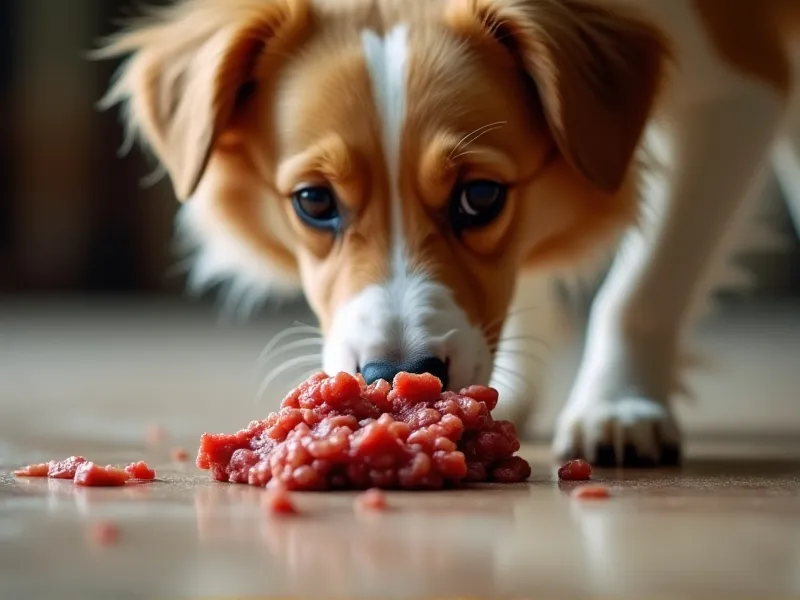
Table of Contents
- Can Dogs Eat Spoiled Meat? The Short Answer
- What Happens When Meat Spoils?
- The Hidden Dangers: Risks of Spoiled Meat for Dogs
- Accidental Ingestion: What to Do If Your Dog Ate Spoiled Meat
- Fresh vs. Spoiled: Why Fresh Meat Matters (and Spoiled Doesn’t)
- Safe Guidelines: How Much Spoiled Meat Is “Okay”?
- Healthier Alternatives to Spoiled Meat
- FAQ: Your Spoiled Meat Questions Answered
- Conclusion: Prioritize Freshness for Your Furry Friend
1. Can Dogs Eat Spoiled Meat? The Short Answer
No. Spoiled meat is not safe for dogs to eat. While dogs have a reputation for eating “questionable” things (we’ve all seen them sniffing garbage!), spoiled meat poses serious health risks, from upset tummies to life-threatening infections. Even a small bite could lead to food poisoning, bacterial overgrowth, or toxin exposure. When in doubt: When meat smells off, looks slimy, or is past its prime—toss it, don’t feed it.
2. What Happens When Meat Spoils?
To understand why spoiled meat is dangerous, let’s break down what “spoiled” really means. Meat spoils when bacteria, mold, and yeast grow on it—usually because it’s been left unrefrigerated too long, stored improperly, or passed its expiration date.
The Culprits Behind Spoilage:
- Bacteria: Common offenders include Salmonella, E. coli, Listeria, and Clostridium perfringens. These bacteria multiply rapidly in warm, moist environments (like a forgotten package in the fridge).
- Toxins: As bacteria grow, some produce harmful toxins (e.g., Clostridium botulinum produces botulinum toxin, which causes botulism). These toxins aren’t destroyed by cooking, so even heating spoiled meat won’t make it safe.
- Mold: Some molds produce mycotoxins, which can irritate your dog’s digestive system or worse.
You might notice spoilage through:
- A sour, rotten, or “off” smell
- Slimy or sticky texture
- Discoloration (e.g., gray, green, or brown patches)
- Gas bubbles or a “bloated” package
3. The Hidden Dangers: Risks of Spoiled Meat for Dogs
Spoiled meat isn’t just “gross”—it’s a breeding ground for pathogens that can sicken your dog. Here’s what you need to watch for:
Bacterial Infections
Bacteria like Salmonella and E. coli are the most common threats. When ingested, they attack your dog’s gut, leading to:
- Vomiting (sometimes with bile or blood)
- Diarrhea (watery or bloody)
- Abdominal pain (your dog may whine, pace, or avoid being touched)
- Fever (over 103°F/39.4°C)
- Lethargy or weakness
In severe cases, bacteria can enter the bloodstream (sepsis), causing organ damage or even death—especially in puppies, senior dogs, or those with weakened immune systems.
Toxin Poisoning
Some bacteria produce toxins that are even more dangerous than the bacteria themselves. For example:
- Botulism: Caused by Clostridium botulinum toxin, this rare but deadly condition affects the nervous system. Symptoms include muscle weakness, difficulty swallowing, drooling, and even paralysis of the respiratory muscles (which can be fatal).
- Staphylococcal enterotoxins: Produced by Staphylococcus aureus, these toxins cause sudden vomiting and diarrhea—often within 1-6 hours of ingestion.
Long-Term Health Risks
Repeated exposure to spoiled meat (even small amounts) can lead to chronic gut inflammation, nutrient deficiencies, or a higher risk of foodborne illness over time. Some toxins may also damage the liver or kidneys with prolonged exposure.
4. Accidental Ingestion: What to Do If Your Dog Ate Spoiled Meat
Mistakes happen! If your dog raided the trash or snuck a bite of spoiled meat before you could stop them, stay calm—but act fast.
Signs to Watch For (0-72 Hours After Ingestion)
Most symptoms appear within 6-24 hours, but some (like botulism) may take 12-72 hours. Look for:
- Vomiting or retching
- Diarrhea (pay attention to frequency and whether it’s bloody)
- Loss of appetite
- Lethargy or reluctance to move
- Dehydration (dry gums, sunken eyes, reduced urination)
- Tremors, seizures, or difficulty breathing (severe cases)
What to Do Next
- Don’t induce vomiting unless directed by a vet. Some toxins (like botulinum) can damage the esophagus if vomited up.
- Contact your vet immediately if your dog shows any symptoms. They may recommend:
- Monitoring at home (for mild cases)
- Bringing your dog in for IV fluids, anti-nausea meds, or antibiotics
- Testing (e.g., blood work, fecal analysis) to identify the pathogen
5. Fresh vs. Spoiled: Why Fresh Meat Matters (and Spoiled Doesn’t)
You might be thinking, “But meat is packed with nutrients—can’t some of that still be good in spoiled meat?” Unfortunately, no. Spoilage destroys nutrients and replaces them with harmful substances. Let’s compare:
Why Fresh Meat Is a Great Treat (When Fed Safely)
Fresh, unspoiled meat is a nutrient-dense addition to your dog’s diet (in moderation). It provides:
- Protein: Essential for muscle repair, immune function, and healthy skin/coat.
- Iron & Zinc: Support red blood cell production and wound healing.
- B Vitamins: Boost energy and brain health.
Just be sure to feed it cooked (raw meat carries its own risks!) and in small portions as a treat, not a meal replacement.
Why Spoiled Meat Is Nutritionally Worthless
By the time meat spoils, bacteria and enzymes have broken down proteins, fats, and vitamins—so there’s little to no nutritional value left. Instead of protein, your dog gets bacteria; instead of iron, they get toxins. It’s a lose-lose.
6. Safe Guidelines: How Much Spoiled Meat Is “Okay”?
Trick question: None. There’s no “safe” amount of spoiled meat for dogs. Even a tiny bite can cause an upset stomach, and larger portions raise the risk of severe illness. When in doubt, follow this rule: If you wouldn’t eat it, don’t feed it to your dog.
7. Healthier Alternatives to Spoiled Meat
Instead of risking spoiled meat, treat your dog to these fresh, safe options:
Cooked, Unseasoned Meat
- Chicken: Boneless, skinless, cooked chicken breast (no salt, garlic, or onions).
- Beef: Lean ground beef or steak (cooked thoroughly, no fat trimmings).
- Turkey: Diced, cooked turkey (great for sensitive tummies).
- Fish: Cooked salmon or sardines (in water, no salt) for omega-3s.
Commercial Dog Treats
Look for high-quality treats with meat as the first ingredient (e.g., freeze-dried chicken, jerky made for dogs). Avoid treats with added sugars, preservatives, or mystery “meat by-products.”
Fruits & Veggies (Yes, Really!)
Many dogs love fresh fruits and veggies as low-calorie snacks:
- Carrots (crunchy and good for teeth!)
- Blueberries (antioxidants)
- Green beans (fiber)
- Pumpkin (canned, plain—great for digestion)
8. FAQ: Your Spoiled Meat Questions Answered
Q: My dog ate a small piece of slightly expired meat. Should I panic?
A: “Slightly expired” doesn’t always mean “spoiled.” If the meat was refrigerated, smelled normal, and had no slime/discoloration, it might be safe. Monitor for 24 hours—if your dog shows vomiting/diarrhea, call the vet. When in doubt, err on the side of caution.
Q: How can I tell if meat is spoiled before my dog gets to it?
A: Trust your senses! Check the expiration date, smell for a rotten odor, feel for sliminess, and look for discoloration. When storing meat, keep it refrigerated at 40°F (4°C) or below, and freeze it if you won’t use it within 1-2 days.
Q: Can dogs eat meat that’s been left out overnight?
A: No. Meat left at room temperature for more than 2 hours (or 1 hour if it’s over 90°F/32°C outside) enters the “danger zone” where bacteria multiply rapidly. Even if it smells fine, it could be loaded with pathogens.
Q: My dog ate spoiled meat but seems fine. Should I still call the vet?
A: Yes—some toxins (like botulism) take 12-72 hours to cause symptoms. Call your vet to report the ingestion, and ask if you should monitor at home or bring them in for an exam.
9. Conclusion: Prioritize Freshness for Your Furry Friend
At the end of the day, your dog’s health is worth more than a few scraps of spoiled meat. While it’s tempting to avoid waste, feeding spoiled food puts your pup at risk of serious illness. Instead, opt for fresh, cooked meat (in moderation) or safe treats—and always check with your vet if you’re unsure about a food’s safety.
Remember: When it comes to spoiled meat, “better safe than sorry” isn’t just a saying—it’s the best way to keep your dog happy, healthy, and tail-wagging for years to come.
Sources:
- American Society for the Prevention of Cruelty to Animals (ASPCA). “Food Poisoning in Dogs.”
- VCA Animal Hospitals. “Salmonellosis in Dogs.”
- PetMD. “Botulism in Dogs.”
- Centers for Disease Control and Prevention (CDC). “Food Safety for Pets.”