· 8 min read
Can Dogs Eat Split Pea Soup? A Pet Parent’s Guide to Safe and Tasty Treats
Picture this: It’s a chilly Sunday afternoon, and you’re simmering a pot of hearty split pea soup. The aroma of tender peas, carrots, and a hint of ham fills the kitchen. As you stir, you feel a wet nose nudge your hand—your dog, eyes wide and tail wagging, is begging for a taste. You pause: Is split pea soup safe for dogs?
If you’ve ever found yourself in this scenario, you’re not alone. Split pea soup is a comfort food staple, but when it comes to sharing human meals with our furry friends, caution is key. In this guide, we’ll break down whether dogs can enjoy split pea soup, the potential benefits and risks, and how to serve it safely (if at all). Let’s dig in!
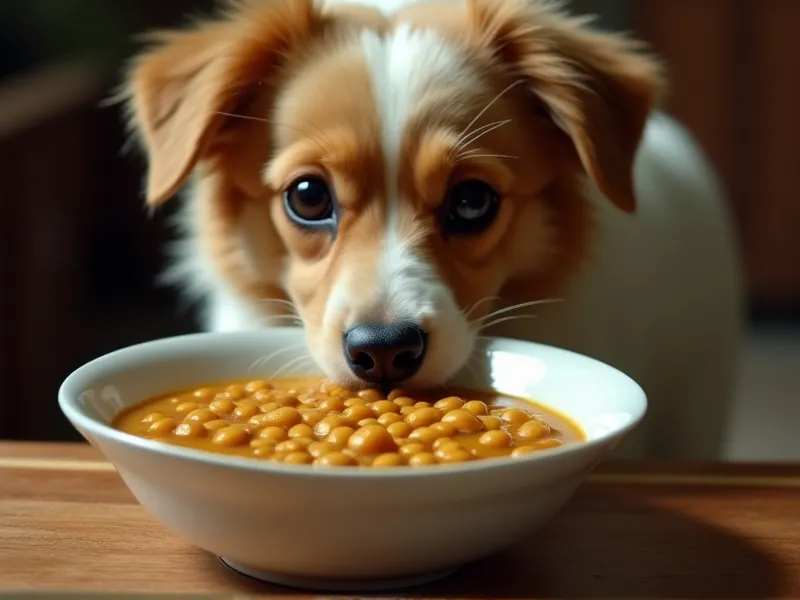
Table of Contents
- Can Dogs Eat Split Pea Soup? The Short Answer
- The Benefits of Split Peas for Dogs: Nutritional Perks
- The Risks: Hidden Dangers in Split Pea Soup
- Safe Guidelines: How Much Split Pea Soup Can Dogs Eat?
- Healthier Alternatives to Split Pea Soup
- FAQ: Your Split Pea Soup Questions Answered
- Conclusion: Moderation and Common Sense
Can Dogs Eat Split Pea Soup? The Short Answer
Yes, dogs can eat split pea soup—but only plain, unsalted, and in very small amounts, as an occasional treat.
The key here is plain. Most store-bought or homemade split pea soups include ingredients that are harmful to dogs, like onions, garlic, salt, or ham bones. Split peas themselves are non-toxic and even nutritious, but the soup’s additives are where the danger lies. Think of it this way: Split peas are the “good guy,” but the extras in the soup can turn it into a “bad guy” for your pup.
The Benefits of Split Peas for Dogs: Nutritional Perks
Before we dive into the risks, let’s talk about why split peas can be a healthy addition to your dog’s diet—when served correctly. Split peas (whether green or yellow) are packed with nutrients that support your dog’s overall health:
1. High-Quality Plant Protein
Split peas are a great source of plant-based protein, which helps build and repair muscle tissue. For dogs, protein is essential for energy, immune function, and healthy skin and coat. A ½-cup serving of cooked split peas contains about 8 grams of protein—no small feat for a legume!
2. Fiber for Digestive Health
Fiber is a dog’s digestive system’s best friend, and split peas are loaded with it (about 8 grams per ½ cup cooked). Soluble fiber helps regulate blood sugar and lower cholesterol, while insoluble fiber keeps things moving in the gut, preventing constipation. Just be careful: Too much fiber too fast can cause stomach upset (more on that later!).
3. Essential Vitamins and Minerals
Split peas are a nutrient-dense food, rich in:
- Vitamin A: Supports eye health and immune function.
- Vitamin K: Aids in blood clotting and bone health.
- B Vitamins (Thiamine, Folate): Boost energy metabolism and brain function.
- Potassium: Regulates heart rate and blood pressure, keeping your dog’s heart healthy.
- Iron: Helps transport oxygen in the blood, preventing anemia.
The Risks: Hidden Dangers in Split Pea Soup
Now, here’s the catch: Split pea soup is rarely just split peas. Most recipes include ingredients that are toxic or harmful to dogs. Let’s break down the biggest risks:
1. Salt (Sodium) Overload
Dogs need only a tiny amount of sodium in their diet—about 100 mg per day for a 33-pound dog, according to PetMD. Most split pea soups (even “low-sodium” versions) contain far more than that. For example, a single cup of canned split pea soup can have 800–1,200 mg of sodium!
Too much salt can lead to:
- Dehydration
- Increased thirst and urination
- Sodium ion poisoning (symptoms: vomiting, diarrhea, tremors, seizures, even death in severe cases).
2. Onions and Garlic: Toxic to Dogs
Onions, garlic, leeks, and chives are all part of the Allium family, which is toxic to dogs. These ingredients contain thiosulfate, a compound that damages red blood cells, leading to anemia. Even small amounts (like a sprinkle of garlic powder) can cause harm over time.
Many split pea soup recipes start with a base of onions and garlic, so always check the ingredient list!
3. Ham, Bacon, or Pork Bones
Ham hocks or bacon are common additions to split pea soup for flavor—but they’re terrible for dogs. Ham is high in sodium and fat, which can cause pancreatitis (a painful inflammation of the pancreas). Worse, pork bones (even cooked ham bones) can splinter, leading to choking, intestinal blockages, or tears in the digestive tract.
4. Excess Fiber: Stomach Upset
While fiber is good, too much can backfire. If your dog isn’t used to high-fiber foods, a bowl of split pea soup could lead to:
- Gas and bloating
- Diarrhea
- Stomach cramps
Puppies, senior dogs, or dogs with sensitive stomachs are especially prone to this.
5. Added Sugars or Sweeteners
Some soups (especially canned varieties) include added sugars, honey, or artificial sweeteners like xylitol. Xylitol is extremely toxic to dogs, even in small amounts, causing a rapid drop in blood sugar, seizures, or liver failure. Always read labels carefully!
Safe Guidelines: How Much Split Pea Soup Can Dogs Eat?
If you want to share a tiny taste of split pea soup with your dog, follow these rules to keep them safe:
1. Stick to “Plain Jane” Soup
Make a separate batch for your pup: just water, split peas, and maybe a few carrots (no salt, onions, garlic, or meat). Avoid canned soups entirely—they’re almost always high in sodium.
2. Serve in Tiny Portions
Split pea soup should never replace your dog’s regular meals. Think of it as a rare treat, not a staple. A good rule of thumb:
- Small dogs (under 20 lbs): 1–2 tablespoons
- Medium dogs (20–50 lbs): ¼ cup
- Large dogs (50+ lbs): ½ cup
3. Check for Allergies or Sensitivities
Start with a tiny amount (like 1 teaspoon) and watch for signs of an adverse reaction: itching, swelling, vomiting, or diarrhea. If your dog has food allergies, skip the soup altogether.
4. Avoid Feeding to High-Risk Dogs
Dogs with kidney disease, heart disease, or diabetes should never have split pea soup. The high sodium and fiber can worsen their conditions.
5. Consult Your Vet First
If you’re unsure whether split pea soup is safe for your dog (especially if they have health issues), ask your vet. They know your pup’s unique needs best!
Healthier Alternatives to Split Pea Soup
If you want to treat your dog to the nutrients in split peas without the risks of soup, try these safer options:
1. Plain Cooked Split Peas
Skip the soup entirely! Cook split peas in plain water (no salt), mash them, and mix a spoonful into your dog’s regular food. This gives them all the fiber and protein without added toxins.
2. Green Beans
Cooked or raw green beans are low in calories, high in fiber, and packed with vitamins A, C, and K. They’re a great crunchy snack or meal topper.
3. Pumpkin (Plain, Canned)
Plain, unsweetened pumpkin is a fiber superstar. It soothes upset stomachs, aids digestion, and even helps with weight management. Mix a tablespoon into your dog’s food for a healthy boost.
4. Sweet Potatoes
Cooked sweet potatoes are rich in fiber, vitamin A, and potassium. Slice them into cubes and bake for a chewy, nutritious treat.
FAQ: Your Split Pea Soup Questions Answered
Q: Can dogs eat split pea soup with ham?
A: No! Ham is high in sodium and fat, and ham bones are dangerous. Stick to plain split pea soup with no meat.
Q: Is split pea soup toxic to dogs?
A: Split peas themselves are not toxic, but the additives (onions, garlic, salt, etc.) in most soups can be. Plain, unsalted split pea soup is safe in small amounts.
Q: My dog ate a lot of split pea soup—what should I do?
A: If the soup contained onions, garlic, or xylitol, call your vet or the ASPCA Poison Control Center (888-426-4435) immediately. If it was plain but your dog is vomiting or lethargic, contact your vet to rule out stomach upset.
Q: Can puppies eat split pea soup?
A: Puppies have sensitive stomachs and developing kidneys. It’s best to avoid split pea soup entirely—opt for plain cooked peas or green beans instead.
Conclusion: Moderation and Common Sense
Split pea soup can be a cozy treat for your dog, but only if it’s plain, unsalted, and served in tiny amounts. The real danger lies in the additives—onions, garlic, salt, and bones—that turn a nutritious pea into a risky meal.
When in doubt, skip the soup and go for safer alternatives like plain split peas, green beans, or pumpkin. And always remember: Your vet is your best resource for personalized advice.
After all, the goal is to keep your furry friend happy, healthy, and wagging their tail—whether they’re begging for soup or snuggling by your side.
Stay warm, and happy snacking (for both you and your pup)!
References
- American Kennel Club (AKC). “Can Dogs Eat Peas?” AKC.org
- ASPCA. “Toxic and Non-Toxic Plants: Onion.” ASPCA.org
- PetMD. “Sodium Poisoning in Dogs.” PetMD.com
- VCA Animal Hospitals. “Dietary Fiber for Dogs.” VCAHospitals.com