· 8 min read
Can Dogs Eat Spinach Artichoke Dip? The Surprising Truth for Pet Parents
Picture this: You’re settled in for movie night, chips in one hand, a warm bowl of spinach artichoke dip in the other. Your dog—ever the opportunist—trots over, tail wagging, nose twitching at the creamy, cheesy aroma. Those big, pleading eyes seem to say, “Just a tiny taste?” It’s a scenario many pet parents face: sharing snacks with our furry family members. But before you cave, you pause: Is spinach artichoke dip safe for dogs?
As dog lovers, we want to treat our pups, but their health always comes first. In this post, we’ll break down whether spinach artichoke dip is a dog-friendly snack, explore its potential benefits (spoiler: they’re minimal), highlight the hidden risks, and share safer alternatives your dog will actually love. Let’s dive in!
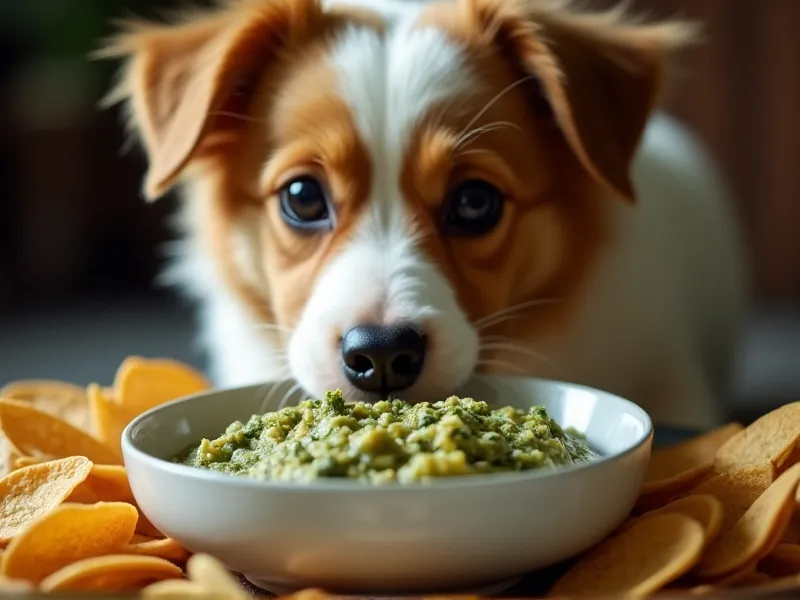
Table of Contents
- Can Dogs Eat Spinach Artichoke Dip? The Short Answer
- The Ingredients Breakdown: Veggies vs. the “Dip”
- Potential Benefits: Are There Any?
- The Risks: Why Spinach Artichoke Dip Is a Bad Idea
- If Your Dog Accidentally Eats Some: What to Do
- Healthier Alternatives to Share With Your Pup
- FAQ: Your Top Questions Answered
- Conclusion: Prioritize Your Dog’s Health
Can Dogs Eat Spinach Artichoke Dip? The Short Answer
No, spinach artichoke dip is not safe for dogs. While the veggies in the dip (spinach and artichokes) are generally non-toxic and even nutritious in small amounts, the other ingredients—like garlic, high-fat dairy, salt, and seasonings—make the dip dangerous. In fact, some components (we’re looking at you, garlic!) are outright toxic to dogs. Even “small” servings can lead to stomach upset, pancreatitis, or worse.
The Ingredients Breakdown: Veggies vs. the “Dip”
To understand why spinach artichoke dip is risky, let’s dissect its typical ingredients. A classic recipe might include:
- Spinach (fresh or frozen)
- Artichoke hearts (canned or fresh)
- Cheese (usually Parmesan, mozzarella, or cream cheese)
- Sour cream or mayonnaise
- Garlic (minced or powder)
- Onions (sometimes, in “zesty” versions)
- Salt, pepper, or other seasonings
The stars here—spinach and artichokes—are actually dog-safe on their own. It’s the dip part that ruins the party. Let’s break down the good, the bad, and the ugly.
Potential Benefits: Are There Any?
Spinach and artichokes are nutrient powerhouses for humans, but do those benefits translate when mixed into a creamy dip? Let’s see:
Spinach: A Veggie Superstar (in Moderation)
Spinach is packed with:
- Vitamins A, C, and K: Support eye health, immunity, and blood clotting.
- Iron and folate: Help with red blood cell function.
- Fiber: Aids digestion (but too much can cause gas!).
The ASPCA lists spinach as non-toxic to dogs, and small amounts (like a few leaves) are fine as an occasional treat.
Artichokes: Fiber & Antioxidants
Artichokes are also safe for dogs, per the ASPCA. They’re rich in:
- Fiber: Keeps the gut moving and helps dogs feel full.
- Potassium: Supports heart and muscle health.
- Antioxidants: Fight inflammation and cell damage.
A few cooked, plain artichoke hearts (no seasoning!) can even be a healthy snack for dogs.
The Catch: The Dip Dilutes the Benefits
Here’s the problem: Spinach and artichokes make up only a small portion of most spinach artichoke dips. The rest is cheese, sour cream, garlic, and salt—ingredients that cancel out any veggie benefits and introduce serious risks. Think of it like giving your dog a candy bar with a side of kale: The “good” is negligible compared to the “bad.”
The Risks: Why Spinach Artichoke Dip Is a Bad Idea
Now, let’s get to the real concern: the other ingredients in the dip. These are the reasons vets warn against sharing spinach artichoke dip with dogs.
1. Garlic: Toxic to Dogs (Even in Small Amounts)
Garlic is part of the allium family, which also includes onions, leeks, and chives. Alliums contain compounds (like N-propyl disulfide) that damage dogs’ red blood cells, leading to a condition called hemolytic anemia. Symptoms include weakness, lethargy, pale gums, and dark urine—and in severe cases, it can be fatal.
Most spinach artichoke dip recipes call for minced garlic (or garlic powder) for flavor. Even a teaspoon of garlic in dip can be toxic to small dogs (e.g., a 10-pound Chihuahua). Larger dogs may tolerate slightly more, but there’s no “safe” amount—garlic has no place in a dog’s diet.
2. High-Fat Dairy: A Recipe for Pancreatitis
Cheese, sour cream, and mayonnaise are staples in spinach artichoke dip—and they’re all high in fat. Dogs can’t digest large amounts of fat well, and rich, fatty foods are a leading cause of pancreatitis (inflammation of the pancreas).
Pancreatitis is painful and potentially life-threatening. Symptoms include vomiting, diarrhea, loss of appetite, and abdominal pain. Even a small spoonful of dip can trigger an attack in dogs prone to pancreatitis (like overweight pups or certain breeds, e.g., Miniature Schnauzers).
3. Salt: Too Much Sodium Is Dangerous
Dips are often loaded with salt to enhance flavor. Dogs need only tiny amounts of sodium (about 100mg per 10 pounds of body weight daily). A single serving of spinach artichoke dip can contain 200–400mg of sodium—way more than your dog needs in a day.
Excess salt leads to sodium ion poisoning, with symptoms like excessive thirst, urination, vomiting, diarrhea, tremors, or seizures. In severe cases, it can cause kidney damage.
4. Onions: Another Allium Toxicity Risk
Some recipes add onions (or onion powder) for extra flavor. Onions are just as toxic as garlic to dogs, causing the same red blood cell damage. Even a sprinkle can be dangerous, especially for small dogs.
5. Choking Hazards & Stomach Upset
The thick, creamy texture of spinach artichoke dip can be a choking risk, especially for small dogs or those who gulp food. Additionally, the rich, unfamiliar ingredients can irritate your dog’s stomach, leading to vomiting, diarrhea, or gas.
If Your Dog Accidentally Eats Some: What to Do
Mistakes happen! If your dog sneaks a lick (or a whole spoonful) of spinach artichoke dip, stay calm and take action:
- Check the ingredients: Did the dip contain garlic, onions, or excessive salt? These are red flags.
- Monitor for symptoms: Watch for vomiting, diarrhea, lethargy, pale gums, or excessive thirst/urination.
- Contact your vet: If the dip had garlic/onions, or if your dog shows any symptoms, call your vet immediately. They may recommend inducing vomiting (if caught early) or monitoring for anemia.
- When in doubt, err on the side of caution: Even “small” amounts of garlic can cause long-term damage, so don’t wait to seek help.
Healthier Alternatives to Share With Your Pup
Instead of risky dip, treat your dog to these safe, tasty alternatives that capture the “veggie dip” vibe without the danger:
1. Plain Steamed Spinach or Artichokes
Skip the dip entirely! Offer your dog a few bite-sized pieces of steamed, unseasoned spinach or cooked artichoke hearts. Both are low-calorie, high-fiber, and packed with nutrients. Start with a tiny portion (e.g., 1–2 spinach leaves for small dogs) to avoid gas.
2. “Yogurt Veggie Dip” (Homemade!)
Whip up a dog-safe dip by mixing:
- 2 tbsp plain, unsweetened Greek yogurt (high in protein, probiotics for gut health)
- 1 tsp steamed, chopped spinach
- 1 tsp mashed artichoke heart (no seasonings!)
Serve with a carrot stick or apple slice for dipping. Your dog will love the creamy texture, and you’ll love the safe ingredients!
3. Cottage Cheese & Veggie Mix
Cottage cheese is low in fat and high in protein—perfect for dogs. Mix a spoonful with a pinch of steamed spinach or artichoke hearts for a savory treat.
4. Frozen Veggie Bites
Blend steamed spinach, artichoke hearts, and a little water, then freeze in ice cube trays. These make refreshing, low-calorie snacks for hot days!
FAQ: Your Top Questions Answered
Q: My dog ate a tiny bit of dip with garlic—will they be okay?
A: It depends on your dog’s size and the amount of garlic. Even a small amount (e.g., 1 clove for a 50-pound dog) can cause toxicity over time. Contact your vet to be safe—they may recommend blood work to check for anemia.
Q: Is “low-fat” spinach artichoke dip safer?
A: No. Low-fat versions still contain garlic, salt, and dairy, which are risky. The fat content is just one of many dangers.
Q: Can puppies have spinach artichoke dip?
A: Puppies have sensitive stomachs and developing organs, so they’re even more at risk for pancreatitis or garlic toxicity. Avoid all human dips for puppies.
Q: What about vegan spinach artichoke dip?
A: Vegan versions may swap cheese for vegan cheese (still high in fat/salt) or add garlic/onions. Always check ingredients—vegan doesn’t equal dog-safe!
Q: Are artichoke leaves or stems safe for dogs?
A: The fleshy “heart” of the artichoke is safe, but the tough outer leaves and spiny choke (the fuzzy center) can be a choking hazard. Stick to the heart only.
Conclusion: Prioritize Your Dog’s Health
While spinach and artichokes are healthy on their own, spinach artichoke dip is a recipe for trouble for dogs. Garlic, high fat, salt, and other toxins make it unsafe, even in small amounts.
Instead of sharing your dip, opt for plain veggies or homemade dog-safe treats. Your pup will love the attention, and you’ll have peace of mind knowing you’re keeping them healthy.
As always, when in doubt about a human food, consult your vet. They know your dog’s unique needs and can guide you toward safe, tasty treats.
Here’s to many more snack sessions—with your dip and their safe alternatives! 🐾
References
- American Society for the Prevention of Cruelty to Animals (ASPCA). “Toxic and Non-Toxic Plants: Spinach.” aspca.org
- ASPCA. “Toxic and Non-Toxic Plants: Artichoke.” aspca.org
- American Kennel Club (AKC). “Can Dogs Eat Spinach?” akc.org
- VCA Hospitals. “Pancreatitis in Dogs.” vcahospitals.com
- PetMD. “Garlic Poisoning in Dogs.” petmd.com