· 8 min read
Can Dogs Eat Spicy Stuff? The Definitive Guide for Pet Parents
Picture this: You’re savoring a fiery bowl of chili or a zesty enchilada, and your dog is glued to your side, tail wagging, nose twitching, begging for a bite. Those puppy eyes are hard to resist—“Just a tiny taste won’t hurt,” you think. But before you hand over that spicy morsel, let’s hit pause. Spicy food is a human favorite, but our canine companions process things differently. Can dogs actually eat spicy stuff? And if not, why?
In this guide, we’ll dive into the science behind dogs and spicy food, break down the risks (and very few potential benefits), and give you clear advice on keeping your pup safe. Whether you’re dealing with accidental nibbles or considering sharing your meal, we’ve got you covered.
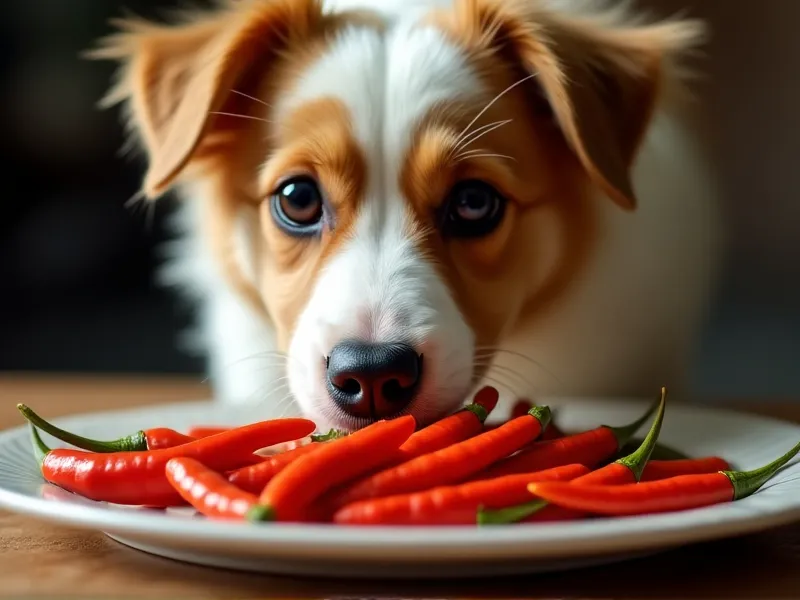
Table of Contents
- Can Dogs Eat Spicy Stuff? The Short Answer
- What Makes Spicy Food “Spicy,” Anyway? (And Why Dogs React Differently)
- The “Benefits” of Spicy Food for Dogs: Are They Real?
- The Risks of Feeding Spicy Food to Dogs: What You Need to Know
- How Much Spicy Food Is “Safe” for Dogs? (Spoiler: Probably None)
- Healthier Alternatives to Spicy Snacks Your Dog Will Love
- FAQ: Your Spicy Food Questions, Answered
- Conclusion: Keep the Spice for Yourself (and Keep Your Pup Happy)
- References
Can Dogs Eat Spicy Stuff? The Short Answer
Let’s cut to the chase: No, dogs should not eat spicy food.
While a tiny accidental bite might not send your pup to the ER, intentionally feeding spicy stuff—whether it’s a jalapeño, hot sauce, or a spicy curry—is a bad idea. Dogs lack the taste receptors to “enjoy” the heat like humans do, and their sensitive digestive systems can react poorly to the compounds in spicy foods (we’re looking at you, capsaicin).
In short: Save the spicy snacks for yourself. Your dog’s taste buds (and stomach) will thank you.
What Makes Spicy Food “Spicy,” Anyway? (And Why Dogs React Differently)
To understand why spicy food is a no-go for dogs, let’s talk about capsaicin. This naturally occurring compound is found in chili peppers (think jalapeños, habaneros, cayenne) and is what gives spicy food its “heat.”
Humans have taste receptors called TRPV1 that detect capsaicin, creating that burning sensation we either love or hate. Dogs also have TRPV1 receptors—but here’s the kicker: Their receptors are more concentrated in their digestive tract, not just their mouths. That means even if your dog doesn’t “taste” the heat (they can’t register spiciness the way we do), the capsaicin will still irritate their throat, stomach, and intestines.
Plus, dogs have a much stronger sense of smell than taste. The pungent aroma of spicy food might intrigue them, but their bodies aren’t equipped to handle the chemical irritation that follows.
The “Benefits” of Spicy Food for Dogs: Are They Real?
You might be thinking, “But chili peppers have vitamins! Can’t a little bit be good for them?” It’s true—some spicy foods (like bell peppers, which are not spicy) are packed with nutrients. For example:
- Vitamin C: Supports immune health.
- Vitamin A: Good for vision and skin.
- Fiber: Aids digestion.
- Potassium: Helps with muscle and nerve function.
But here’s the catch: These nutrients are far easier (and safer) to get from non-spicy sources. Bell peppers, carrots, sweet potatoes, and blueberries are all dog-safe and loaded with the same vitamins—without the capsaicin.
To get even a tiny amount of these nutrients from spicy peppers, you’d have to feed your dog enough capsaicin to cause irritation. The risks simply outweigh any potential benefits.
The Risks of Feeding Spicy Food to Dogs: What You Need to Know
Spicy food isn’t just “unpleasant” for dogs—it can cause real harm. Let’s break down the biggest risks:
1. Immediate Irritation: Burning and Discomfort
Capsaicin irritates the mucous membranes in your dog’s mouth, throat, and stomach. You might notice:
- Excessive drooling
- Pawing at the mouth (like they’re trying to “scrape” the heat away)
- Whining or restlessness
- Red, inflamed gums or tongue
2. Gastrointestinal Upset (The Big One)
The digestive tract is where capsaicin does the most damage. Even a small amount can lead to:
- Vomiting
- Diarrhea (sometimes with blood, in severe cases)
- Abdominal pain (your dog might hunch their back or avoid being touched)
- Loss of appetite
In extreme cases, repeated exposure could even cause ulcers or long-term digestive inflammation.
3. Dehydration and Electrolyte Imbalance
Vomiting and diarrhea from spicy food can quickly lead to dehydration. Signs include:
- Dry nose or gums
- Lethargy
- Sunken eyes
- Reduced urination
Dehydration is serious—left untreated, it can lead to kidney issues or worse.
4. Hidden Toxins in Spicy Dishes
Most spicy human foods aren’t just capsaicin—they’re loaded with other ingredients that are toxic to dogs:
- Onions/garlic: Found in salsas, curries, and hot sauces. These destroy red blood cells, leading to anemia.
- Excess salt: Chips, nachos, and spicy dips are high in sodium, which can cause sodium ion poisoning (symptoms: vomiting, diarrhea, seizures).
- Sugar: Spicy sauces like sweet chili or honey sriracha have added sugar, which contributes to obesity, diabetes, and dental disease.
- Alcohol: Some spicy recipes (like certain marinades) include alcohol, which is toxic to dogs even in small amounts.
5. Choking Hazards
Spicy foods often come with physical risks, too:
- Chili seeds: Small and hard, they can get stuck in your dog’s throat or intestines.
- Tough or spicy bones: Think buffalo wings—bones can splinter and tear the digestive tract.
How Much Spicy Food Is “Safe” for Dogs? (Spoiler: Probably None)
The short answer: There’s no “safe” amount of spicy food to intentionally feed your dog.
Even a tiny bite of a jalapeño could irritate a small dog (like a Chihuahua), while a larger dog (like a Great Dane) might tolerate a crumb better—but why risk it? Every dog is different, and you can’t predict how their body will react.
If your dog accidentally steals a spicy chip or licks some hot sauce, don’t panic. Monitor them closely for 24 hours. Most mild cases resolve on their own with rest and water. But if you notice severe symptoms (bloody diarrhea, non-stop vomiting, lethargy), call your vet immediately.
Healthier Alternatives to Spicy Snacks Your Dog Will Love
Instead of sharing your spicy meal, treat your pup to these dog-safe, nutrient-packed alternatives. They’ll love the flavor, and you’ll love the peace of mind:
🍚 Cooked, Plain Grains
- Brown rice, quinoa, or oats (cooked in water, no salt/butter). Great for fiber and energy.
🥦 Fresh Veggies
- Carrots (crunchy and good for teeth!)
- Green beans (steamed or raw—low-calorie and high-fiber)
- Bell peppers (red, yellow, or green—non-spicy and full of vitamin C)
- Cucumber (hydrating and refreshing, especially in summer)
🍗 Lean Proteins
- Plain cooked chicken or turkey (no seasoning, skin, or bones)
- Scrambled eggs (cooked in water, not oil)
- Canned tuna (in water, no salt—occasional treat, not daily)
🌿 Dog-Safe Herbs (For a Tiny “Flavor Boost”)
If you want to add a little pizzazz to their food, try these mild, vet-approved herbs:
- Turmeric: A pinch (with a dash of black pepper to boost absorption) has anti-inflammatory properties.
- Parsley: Fresh parsley freshens breath and is rich in vitamins A and C.
- Basil: A small sprinkle adds a mild, fresh flavor—safe in moderation.
FAQ: Your Spicy Food Questions, Answered
Q: My dog ate a spicy taco—what should I do?
A: First, stay calm. Remove any remaining spicy food and offer your dog fresh water (but don’t force them to drink). Monitor for symptoms like vomiting, diarrhea, or pawing at the mouth for the next 24 hours. If they seem in pain, can’t keep water down, or show signs of dehydration, call your vet ASAP.
Q: Can dogs have “mild” spicy foods, like paprika or chili powder?
A: Plain paprika (not “smoked” or “spicy”) is generally safe in tiny amounts, but it’s unnecessary. Chili powder, however, often contains cayenne (which has capsaicin) or garlic powder (toxic). When in doubt, skip the seasoning—your dog doesn’t need it!
Q: Is wasabi or horseradish considered “spicy” for dogs?
A: Yes! Wasabi and horseradish get their heat from allyl isothiocyanate, a compound that irritates the nose and digestive tract (just like capsaicin). They can cause sneezing, vomiting, or diarrhea—keep them far from your pup.
Q: My dog loves spicy food—does that mean it’s safe?
A: Some dogs might act like they “love” spicy food (thanks to the smell or the salty/savory elements), but that doesn’t mean it’s good for them. Dogs can’t communicate when they’re in pain, so even if they beg, resist the urge to share.
Conclusion: Keep the Spice for Yourself (and Keep Your Pup Happy)
Sharing food with our dogs is one of the joys of pet parenthood—but when it comes to spicy stuff, it’s better to say “no.” Capsaicin and other ingredients in spicy dishes can irritate their digestive systems, cause pain, or even lead to serious health issues.
Instead of risking it, stick to dog-safe treats and fresh, whole foods. Your pup will thrive on the love (and the carrots) far more than a spicy bite. And if you ever accidentally share something spicy, or if your dog raids the trash for a chili pepper, don’t hesitate to call your vet—they’re there to help.
At the end of the day, our dogs trust us to keep them safe. Let’s回报 that trust with snacks that nourish, not harm.
References
- American Society for the Prevention of Cruelty to Animals (ASPCA). Toxic and Non-Toxic Plants & Foods. aspca.org/pet-care/animal-poison-control
- VCA Animal Hospitals. Gastroenteritis in Dogs. vcahospitals.com/know-your-pet/gastroenteritis-in-dogs
- PetMD. Can Dogs Eat Spicy Food? What You Need to Know. petmd.com/dog/nutrition/can-dogs-eat-spicy-food
- American Kennel Club (AKC). Human Foods Dogs Can and Can’t Eat. akc.org/expert-advice/nutrition/human-foods-dogs-can-and-cant-eat