· 8 min read
Can Dogs Eat Spicy Foods? The Surprising Truth Every Pet Parent Needs to Know
Picture this: You’re curled up on the couch, savoring a fiery bowl of chili or a zesty taco, when your dog trots over. Their tail wags, nose twitches, and those big, soulful eyes lock onto your plate. “Just a tiny bite won’t hurt,” you think. But before you cave to those puppy-dog eyes, there’s a crucial question to ask: Can dogs eat spicy foods?
As pet parents, we want to share the joy of food with our furry companions, but when it comes to spicy snacks, the answer isn’t as simple as “yes” or “no.” Spicy foods can be a minefield for dogs, with hidden risks that might surprise you. In this guide, we’ll break down everything you need to know—from whether dogs can taste spice to the dangers of even small amounts, plus safer alternatives to keep their tails wagging.
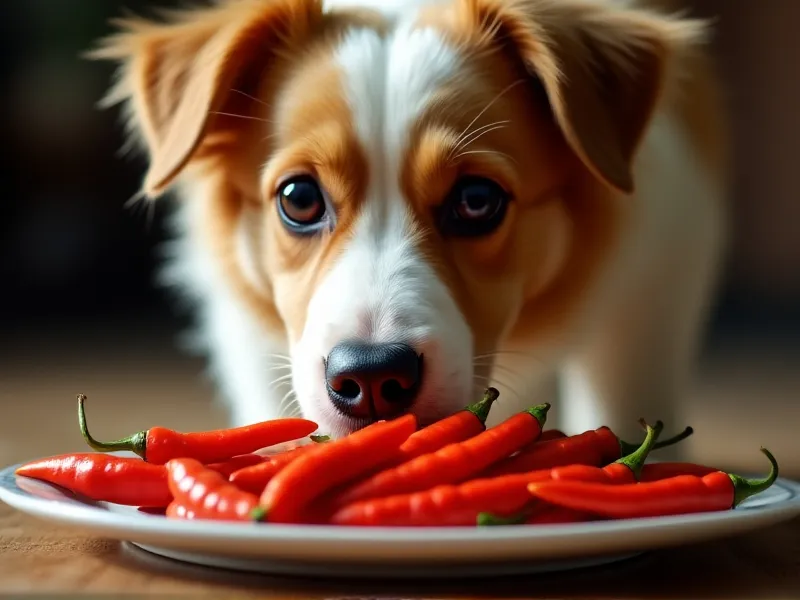
Table of Contents
- Can Dogs Eat Spicy Foods? The Short Answer
- What Happens When Dogs Eat Spicy Foods?
- Potential “Benefits” of Spicy Foods (Spoiler: They’re Not Worth It)
- The Real Risks: Why Spicy Foods Are Dangerous for Dogs
- How Much Spicy Food Is “Safe” for Dogs?
- Healthier Alternatives to Spicy Snacks
- FAQ: Your Spicy Food Questions Answered
- Final Thoughts: Keep Their Bellies Happy (and Spice-Free)
Can Dogs Eat Spicy Foods? The Short Answer
No, dogs should not eat spicy foods.
While a single lick of salsa or a tiny piece of chili pepper might not kill your dog, spicy foods are not part of a healthy canine diet—and even small amounts can cause significant discomfort or harm. Dogs’ bodies are not designed to process capsaicin, the compound that gives spicy foods their heat, and this can lead to a range of issues, from upset tummies to more serious health problems.
What Happens When Dogs Eat Spicy Foods?
To understand why spicy foods are bad for dogs, let’s start with the science: Dogs can feel the heat from spicy foods, even if they don’t “taste” it the way we do. Humans have taste buds that detect sweet, salty, sour, bitter, and umami—but dogs lack the receptors to “taste” spiciness as a flavor. Instead, capsaicin (the active component in chili peppers) irritates their mouths, throats, and digestive tracts, triggering a burning sensation.
Think of it like this: When you bite into a habanero, your eyes water, your nose runs, and your mouth burns. For dogs, that sensation is amplified. Their tongues and gums are more sensitive, and their digestive systems are far less equipped to handle irritation.
Potential “Benefits” of Spicy Foods (Spoiler: They’re Not Worth It)
You might wonder, “But chili peppers have vitamins, right? Could a little spice actually help my dog?” It’s true that some spicy ingredients—like chili peppers, paprika, or cayenne—contain nutrients like:
- Vitamin A: Supports eye health and immune function.
- Vitamin C: An antioxidant that boosts immunity.
- Fiber: Aids digestion (in moderation).
- Potassium: Helps regulate heart and muscle function.
But here’s the catch: Dogs get all these nutrients (and more) from their regular, balanced dog food. There’s no need to risk their health by feeding them spicy foods. For example, sweet potatoes (a safe, dog-friendly veggie) are packed with vitamin A and fiber—without the fiery kick. Spicy foods offer no unique benefits that can’t be found in safer, tastier alternatives.
The Real Risks: Why Spicy Foods Are Dangerous for Dogs
The risks of feeding spicy foods to dogs far outweigh any trivial “benefits.” Here’s what you need to watch out for:
1. Immediate Discomfort: Burning and Irritation
Capsaicin irritates the mucous membranes in your dog’s mouth, throat, and stomach. This can cause:
- Excessive drooling
- Pawing at the mouth (as if trying to “scratch” the burn)
- Panting or difficulty swallowing
- Nausea or vomiting
In severe cases, the burning sensation can even damage the lining of their esophagus or stomach, leading to ulcers over time.
2. Digestive Upset (Diarrhea, Vomiting, and More)
Spicy foods throw off your dog’s digestive balance. Their stomachs are sensitive to strong flavors, and capsaicin can trigger inflammation in the gut. This often leads to:
- Diarrhea (which may be watery or contain blood if the gut is irritated)
- Vomiting (to expel the irritant)
- Abdominal pain (your dog may whine, pace, or avoid touch near their belly)
Dehydration is a common side effect of vomiting and diarrhea, especially in small dogs or puppies.
3. Choking Hazards and Hidden Toxins
Many spicy foods come with extra risks beyond capsaicin:
- Chips, nachos, or crackers: Crunchy, salty, and often coated in spices. These can break into sharp pieces, leading to choking or damage to the throat. They’re also high in fat and sodium, which can cause pancreatitis (a life-threatening inflammation of the pancreas) in dogs.
- Salsa or hot sauce: Often contains onions, garlic, or chives—all toxic to dogs. Even small amounts of these ingredients can damage red blood cells, leading to anemia.
- Spicy dips (e.g., queso, guacamole): High in dairy (many dogs are lactose intolerant) or avocado (which contains persin, a toxin that’s dangerous for dogs).
4. Long-Term Health Risks
Repeated exposure to spicy foods can lead to chronic issues, such as:
- Gastrointestinal disease: Chronic inflammation of the stomach or intestines.
- Pancreatitis: Fatty, spicy foods (like buffalo wings or chili) are a top trigger for this painful condition, which requires immediate veterinary care.
- Weight gain: Many spicy snacks are high in calories, leading to obesity and related issues (diabetes, joint pain).
How Much Spicy Food Is “Safe” for Dogs?
None.
There’s no “safe” amount of spicy food to feed your dog intentionally. Even a small bite of a jalapeño or a lick of hot sauce can cause discomfort. However, accidents happen—if your dog sneaks a bite of your spicy meal, here’s what to do:
- Monitor them closely: Watch for signs of distress (drooling, vomiting, diarrhea, restlessness).
- Offer water: Let them drink to soothe their mouth, but don’t force it.
- Avoid milk: Contrary to popular belief, milk doesn’t neutralize capsaicin in dogs. Stick to water.
- Contact your vet: If symptoms last more than a few hours, or if your dog is lethargic, in pain, or has bloody stool/vomit, call your vet immediately.
Healthier Alternatives to Spicy Snacks
Instead of sharing your spicy treats, opt for these dog-safe alternatives that are tasty, nutritious, and gentle on their tummies:
Veggies (Cooked or Raw, Plain)
- Carrots: Crunchy, low-calorie, and packed with vitamin A.
- Green beans: High in fiber and vitamins, great for weight management.
- Sweet potatoes: Cooked and mashed (no butter or spices!) for a vitamin-rich snack.
- Cucumber: Hydrating and refreshing, perfect for hot days.
Fruits (In Moderation)
- Apples: Remove the seeds (they contain cyanide) and core—slice up the flesh for a crunchy, fiber-rich treat.
- Blueberries: Antioxidant powerhouses that support brain health.
- Bananas: A small slice (no more than 10% of their daily calories) for a potassium boost.
Lean Proteins
- Plain cooked chicken/turkey: Shredded and unseasoned—great for training rewards.
- Boiled eggs: A protein-packed snack (no salt or butter).
Commercial Dog Treats
Stick to high-quality, vet-recommended treats with simple ingredients (avoid those with added sugars, salt, or artificial flavors). Brands like Zuke’s, Blue Buffalo, or Wellness Core offer safe options.
FAQ: Your Spicy Food Questions Answered
Q: My dog ate a jalapeño—what should I do?
A: Stay calm! A single jalapeño is unlikely to cause severe harm, but monitor your dog for 24 hours. If they vomit, have diarrhea, or seem in pain, contact your vet.
Q: Can dogs taste spicy food?
A: Dogs can’t “taste” spiciness as a flavor (they lack the taste receptors), but they can feel the burning sensation from capsaicin. This is why some dogs may avoid spicy foods, while others (curious pups!) might take a bite—only to regret it later.
Q: Is paprika safe for dogs? It’s mild, right?
A: Paprika is technically non-toxic, but it’s still not recommended. Even mild spices can irritate your dog’s stomach, and there’s no nutritional benefit. Stick to plain, unseasoned foods.
Q: My dog seems to like spicy food—should I let them have it?
A: Just because they “like” it doesn’t mean it’s good for them! Some dogs are drawn to strong smells or the salt in spicy foods, but that doesn’t make it safe. Think of it like letting a toddler eat candy for dinner—they might love it, but it’s not healthy.
Q: Are there any spices that are safe for dogs?
A: A few mild spices (like turmeric, in small amounts) are sometimes recommended for dogs, but only under veterinary guidance. Turmeric has anti-inflammatory properties, but it should be paired with black pepper (to boost absorption) and given in moderation. Always ask your vet before adding spices to their diet.
Final Thoughts: Keep Their Bellies Happy (and Spice-Free)
At the end of the day, our dogs rely on us to make the best choices for their health—and when it comes to spicy foods, the safest choice is to say “no.” While sharing a meal with your pup is tempting, their sensitive tummies and unique biology mean spicy snacks are best left off their menu.
Instead, bond over dog-safe treats, long walks, or snuggles on the couch. And if you ever have doubts about a food’s safety, reach out to your vet—they’re your best resource for keeping your furry friend happy, healthy, and spice-free.
Here’s to many more tail wags (and belly rubs) ahead!
References
- American Society for the Prevention of Cruelty to Animals (ASPCA). “People Foods to Avoid Feeding Your Pets.” aspca.org
- American Kennel Club (AKC). “Can Dogs Eat Spicy Food?” akc.org
- VCA Hospitals. “Pancreatitis in Dogs.” vcahospitals.com
- PetMD. “Human Foods Dogs Can and Can’t Eat.” petmd.com