· 8 min read
Can Dogs Eat Spaghetti and Meatballs? A Pet Parent’s Guide to Sharing Comfort Food Safely
It’s a cozy weeknight, and you’ve just set a steaming plate of spaghetti and meatballs on the table. The tangy tomato sauce, tender meatballs, and twirls of pasta smell irresistible—and you’re not the only one who thinks so. At your feet, your dog sits, tail thumping, eyes locked on your plate, and tongue lolling. “Just a little bite?” you wonder. “What’s the harm?”
If you’ve ever found yourself in this scenario, you’re not alone. Spaghetti and meatballs are a beloved comfort food, and sharing snacks with our furry friends feels like a natural way to bond. But before you toss Fido a meatball, it’s crucial to know: Can dogs eat spaghetti and meatballs safely?
In this guide, we’ll break down the risks and (limited) benefits, share how much (if any) is okay, and even suggest healthier alternatives your pup will love. Let’s dig in!
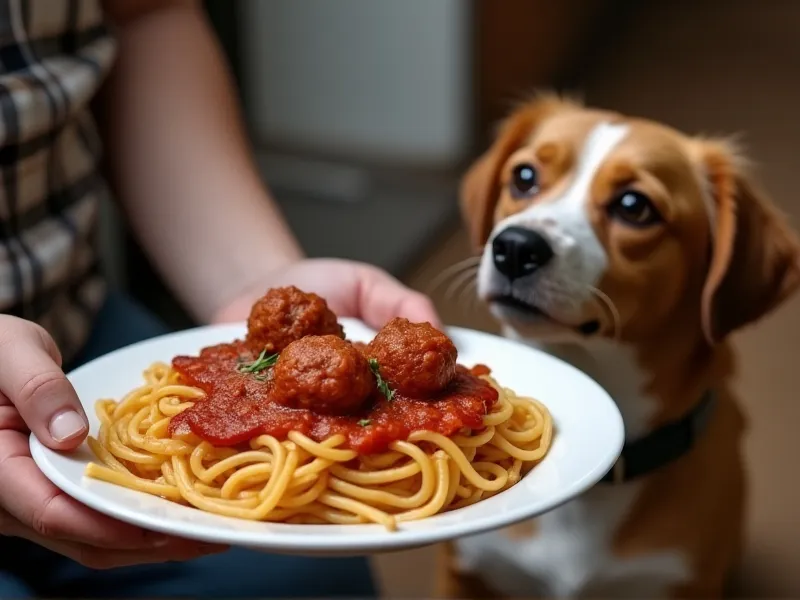
Table of Contents
- Can Dogs Eat Spaghetti and Meatballs? The Short Answer
- The Potential Benefits (Yes, There Are a Few!)
- The Risks: Why Spaghetti and Meatballs Can Be Dangerous for Dogs
- How Much Spaghetti and Meatballs Can Dogs Safely Eat? (If Any)
- Healthier Alternatives to Spaghetti and Meatballs
- Frequently Asked Questions (FAQ)
- Conclusion: Prioritize Your Dog’s Health with Mindful Treats
Can Dogs Eat Spaghetti and Meatballs? The Short Answer
No, dogs should not eat spaghetti and meatballs as a regular treat—and in many cases, even a small bite could be risky.
Here’s why: Most spaghetti and meatballs recipes include ingredients that are toxic or harmful to dogs, like onions, garlic, high salt, and fatty meats. The sauce alone is often a minefield, and meatballs can be dense, high in fat, or spiced with ingredients that upset your pup’s stomach.
That said, plain, cooked spaghetti (without sauce, seasonings, or meatballs) is generally safe in tiny, occasional amounts. Pasta itself is a simple carb that can offer a quick energy boost, but it has little nutritional value for dogs. Think of it like a “junk food” snack for them—fun once in a while, but not something to build a meal around.
The Potential Benefits (Yes, There Are a Few!)
Let’s start with the good news: If you strip spaghetti and meatballs down to their most basic components (and avoid the dangerous stuff), there are a few minor benefits.
1. Plain Spaghetti: A Mild Source of Energy
Cooked, unseasoned spaghetti is made from wheat flour and water, which means it’s mostly carbohydrates. Carbs provide dogs with quick energy—handy if your pup needs a small pick-me-up (though they should get most of their energy from balanced dog food).
If you opt for whole-grain spaghetti, it may also contain small amounts of fiber, which can support digestion. Just remember: Fiber from dog food or veggies is far more nutrient-dense for your pup than pasta.
2. Lean Meatballs (In Theory): Protein for Muscles
Meatballs are typically made with ground meat, which is a source of protein. Protein is essential for dogs—it supports muscle growth, immune function, and healthy skin and coat. But (and this is a big “but”) most store-bought or homemade meatballs are loaded with added salt, spices, or toxic ingredients like onions. More on that later!
The Risks: Why Spaghetti and Meatballs Can Be Dangerous for Dogs
Now, let’s get real: The risks of feeding your dog spaghetti and meatballs far outweigh the benefits. Let’s break down the biggest dangers, ingredient by ingredient.
Toxic Ingredients in Sauce: Onion, Garlic, and More
The sauce is often the most dangerous part of the dish. Here’s what to watch for:
-
Onions and Garlic: These are highly toxic to dogs, even in small amounts. Both belong to the Allium family, which contains compounds that damage a dog’s red blood cells, leading to anemia. Symptoms of onion/garlic poisoning include weakness, lethargy, vomiting, diarrhea, and pale gums. Even a teaspoon of onion powder in sauce can harm small dogs, according to the ASPCA.
-
Tomato Sauce (In Large Amounts): Ripe tomatoes themselves are non-toxic, but tomato sauce is often concentrated and acidic. Too much can irritate your dog’s stomach, causing vomiting or diarrhea. Plus, many sauces include added sugar or salt (see below!).
High Sodium and Fat: A Recipe for Pancreatitis
Most spaghetti and meatballs are loaded with salt and fat—two things dogs don’t need in excess:
-
Salt: Dogs need very little sodium (about 0.25 grams per 1,000 calories). A single serving of spaghetti sauce can contain 1,000+ mg of sodium—way more than your dog’s daily limit. Too much salt leads to dehydration, increased thirst/urination, and in severe cases, sodium ion poisoning (symptoms: seizures, tremors, even death).
-
Fat: Meatballs are often made with ground beef (high in saturated fat) or pork. Fatty foods can trigger pancreatitis in dogs—a painful, potentially life-threatening condition where the pancreas becomes inflamed. Symptoms include vomiting, diarrhea, loss of appetite, and abdominal pain. The AKC notes that pancreatitis is a common emergency in dogs who eat fatty table scraps.
Choking Hazards: Meatballs and Long Pasta Strands
Physical hazards are another concern:
-
Meatballs: They’re dense, round, and often large—perfect for getting stuck in a dog’s throat. Small dogs, in particular, are at risk of choking on meatballs.
-
Long Pasta Strands: Uncut spaghetti can wrap around your dog’s tongue or throat, leading to choking or intestinal blockages (if swallowed whole). Blockages require emergency surgery and can be fatal if not treated quickly.
Added Sugars and Unhealthy Additives
Many store-bought sauces or pre-made meatballs include hidden sugars, artificial flavors, or preservatives. Dogs have no need for sugar, and excess can lead to obesity, dental issues, or even diabetes over time. Artificial additives, while not always toxic, can also upset your pup’s stomach.
How Much Spaghetti and Meatballs Can Dogs Safely Eat? (If Any)
The short answer: Almost none. But if you’re set on sharing a tiny taste (and the dish is completely plain), here’s a general rule:
-
Plain, cooked spaghetti (no sauce, no seasonings): A very small portion—think:
- Teaspoon-sized for toy breeds (e.g., Chihuahuas, Yorkies).
- Tablespoon-sized for small/medium breeds (e.g., Beagles, Cocker Spaniels).
- 1–2 tablespoons for large breeds (e.g., Labs, German Shepherds).
-
Meatballs: Even plain, unseasoned meatballs (no onion, garlic, or salt) are risky due to fat content. Avoid them entirely unless approved by your vet.
Never make spaghetti and meatballs a regular treat, and never feed it as a meal replacement. Dogs need balanced nutrition from dog food formulated for their species—pasta and meatballs simply don’t cut it.
Healthier Alternatives to Spaghetti and Meatballs
If you want to share a special snack with your pup, skip the spaghetti and meatballs and try these vet-approved alternatives instead:
1. Plain Cooked Pasta (But Better!)
Stick to plain, cooked pasta (no sauce) as an occasional treat, but opt for whole-grain or legume-based pasta (like chickpea pasta) for extra fiber and protein. Always cut it into short, bite-sized pieces to avoid choking.
2. Lean, Unseasoned Meat
Instead of fatty meatballs, give your dog a small piece of cooked, unseasoned chicken, turkey, or lean beef. These are high in protein and low in fat—perfect for a savory snack. Just avoid deli meats (too salty!) and always remove bones.
3. Veggie “Noodles”
For a fun twist, try zucchini noodles (“zoodles”) or sweet potato noodles. Cook them plain, and your dog will get fiber, vitamins, and minerals without the carbs or risks of wheat pasta.
4. Dog-Friendly “Meatballs”
Make your own! Mix lean ground turkey, cooked quinoa, and a dash of pumpkin (for fiber) into small balls, bake them, and let cool. No onion, garlic, or salt—just pure, pup-approved protein.
5. Fresh Fruits and Veggies
Many dogs love crunchy snacks like carrot sticks, green beans, or apple slices (no seeds!). These are low in calories, high in nutrients, and safe for most dogs.
Frequently Asked Questions (FAQ)
Q: Can dogs eat meatballs without sauce?
A: Maybe, but only if they’re completely plain: no onion, garlic, salt, spices, or fatty meats. Even then, meatballs are high in fat, so they’re not ideal. Stick to small, lean meat pieces instead.
Q: Is whole-wheat spaghetti better for dogs than white spaghetti?
A: Whole-wheat spaghetti has more fiber, which can aid digestion, but it’s still just a carb-heavy treat. It’s not “healthier” than dog food, so feed it sparingly.
Q: What if my dog accidentally ate a lot of spaghetti and meatballs?
A: Watch for symptoms like vomiting, diarrhea, lethargy, or loss of appetite. If you notice these, or if the dish contained onions/garlic, contact your vet immediately. Better safe than sorry!
Q: Can dogs eat marinara sauce?
A: No. Marinara sauce is often high in salt, sugar, and garlic/onion. Even a small amount can upset your dog’s stomach or cause toxicity.
Conclusion: Prioritize Your Dog’s Health with Mindful Treats
Sharing food with our dogs is a joyful part of pet parenthood, but when it comes to spaghetti and meatballs, it’s best to say “no thanks.” The risks—toxic ingredients, high fat/salt, and choking hazards—far outweigh any minor benefits.
Instead, opt for safe, nutrient-dense treats like lean meat, veggies, or whole-grain pasta (in tiny portions). And when in doubt, always check with your vet before introducing new foods to your dog’s diet.
At the end of the day, your pup’s health and happiness are what matter most. Skip the meatball, give them a belly rub, and save the spaghetti for yourself—they’ll love you just the same (maybe even more!).
References
- American Kennel Club (AKC). “Pancreatitis in Dogs.” akc.org
- ASPCA. “Onion Toxicity in Dogs.” aspca.org
- PetMD. “Can Dogs Eat Pasta?” petmd.com
- VCA Hospitals. “Dietary Guidelines for Dogs.” vcahospitals.com