· 9 min read
Can Dogs Eat Spaghetti? A Pet Parent’s Guide to Safe Sharing
It’s a cozy Friday night, and you’re twirling a forkful of warm, buttery spaghetti when your dog trots over. Their tail wags furiously, and those big, soulful eyes lock onto your plate, as if begging, “Can I have a bite?” If you’ve ever found yourself in this situation, you’re not alone. Spaghetti is a beloved comfort food for humans, but when it comes to our four-legged friends, the question lingers: Is spaghetti safe for dogs?
As pet parents, we want to share the things we love with our pups—but we also need to keep their health top of mind. In this guide, we’ll break down whether dogs can eat spaghetti, the potential benefits and risks, how much to feed (if any), and even healthier alternatives to satisfy that carb craving. Let’s dig in!
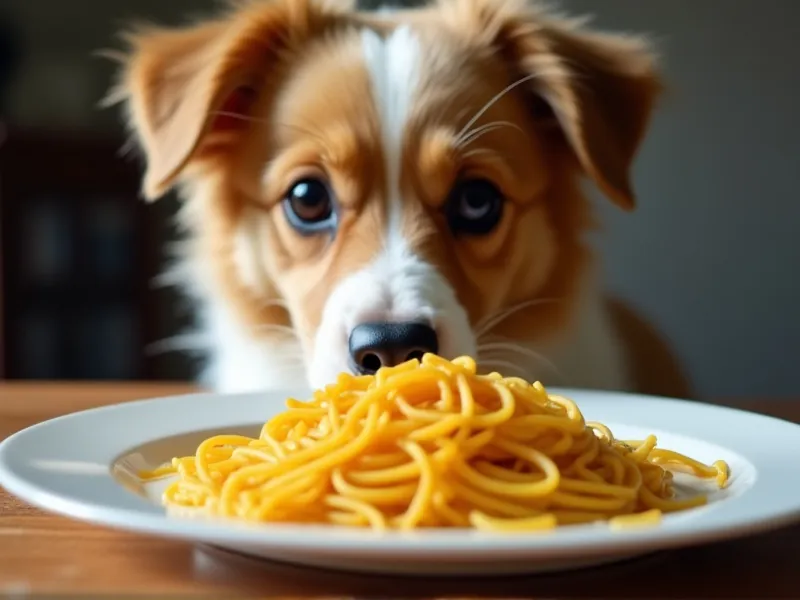
Table of Contents
- Can Dogs Eat Spaghetti? The Short Answer
- The Benefits of Spaghetti for Dogs (Yes, There Are Some!)
- The Risks: What to Watch Out For
- How Much Spaghetti Can Dogs Safely Eat?
- Healthier Alternatives to Spaghetti for Dogs
- FAQ: Your Spaghetti-and-Dog Questions Answered
- Final Thoughts: Enjoy Responsibly
Can Dogs Eat Spaghetti? The Short Answer
Yes, dogs can eat plain, cooked spaghetti in small, occasional amounts. Spaghetti itself—made from wheat flour and water—is not toxic to dogs. However, the way you serve it matters more than the pasta itself. Spaghetti with sauce, seasonings, or toppings (like garlic, onions, or sugar) is a big no-no. Even plain spaghetti should be treated as a treat, not a regular part of their diet.
Think of it like human junk food: a little bite won’t hurt, but making it a staple could lead to health issues. Let’s break down the details.
The Benefits of Spaghetti for Dogs (Yes, There Are Some!)
While spaghetti isn’t a nutritional powerhouse for dogs, it does offer a few potential benefits when served plain and in moderation:
1. Carbohydrates for Energy
Dogs need carbohydrates for energy, just like humans. Spaghetti is primarily made of carbs, which can give your pup a quick energy boost—great for active dogs or those needing a little pick-me-up. However, dogs get most of their carbs from their regular kibble, so spaghetti should only supplement this, not replace it.
2. Fiber (If Whole Grain)
Opt for whole wheat or whole grain spaghetti instead of white pasta, and you’ll add fiber to your dog’s diet. Fiber aids digestion, helps maintain healthy blood sugar levels, and keeps your dog feeling full longer. Just remember: fiber is good, but too much can cause stomach upset, so stick to small portions.
3. Fortified Nutrients
Some pasta brands fortify their products with vitamins and minerals like iron, B vitamins (thiamine, folate), and niacin. These nutrients support your dog’s immune system, energy metabolism, and overall health. While your dog’s regular food should already include these, a tiny serving of fortified pasta can be a minor bonus.
4. Hydration (If Served with Water)
Cooked spaghetti absorbs water, so it has a high moisture content. This can help keep your dog hydrated, especially if they’re picky about drinking water. Just don’t overdo it—too much pasta can lead to bloating.
The Risks: What to Watch Out For
While plain spaghetti is generally safe, there are several risks to be aware of, especially when it comes to preparation and portion size:
1. Toxic Additives: Sauces, Garlic, and Onions
The biggest danger isn’t the pasta itself—it’s what you put on it. Most spaghetti sauces contain garlic and onions, which are toxic to dogs. These ingredients contain thiosulphate, which damages red blood cells and can lead to anemia. Symptoms of garlic/onion poisoning include weakness, vomiting, diarrhea, and pale gums.
Other sauce ingredients to avoid:
- Sugar: Many store-bought marinara or Alfredo sauces have added sugar, which can cause obesity, dental issues, or even diabetes in dogs.
- Salt: Excess salt leads to sodium ion poisoning, causing vomiting, diarrhea, seizures, or kidney damage.
- Herbs/Spices: Basil, oregano, or black pepper are usually safe in tiny amounts, but large quantities can irritate your dog’s stomach.
Rule of thumb: Never share spaghetti with sauce, no matter how “mild” you think it is.
2. Choking Hazard
Long, uncut spaghetti strands can be a choking risk, especially for small dogs or those who gulp their food. A strand could get stuck in their throat or wrap around their tongue, leading to gagging or difficulty breathing. Always cut spaghetti into short, bite-sized pieces before serving.
3. Stomach Upset
Dogs have sensitive digestive systems, and sudden changes in diet (like a big bowl of pasta) can cause diarrhea, vomiting, or gas. This is especially true for dogs with grain allergies or sensitivities—wheat is a common allergen, so if your dog has a grain intolerance, skip the spaghetti altogether.
4. Weight Gain and Obesity
Spaghetti is high in calories and carbs. A cup of cooked spaghetti has about 220 calories—for a 10-pound dog, that’s nearly 20% of their daily calorie needs! Over time, frequent or large servings can lead to weight gain, which increases the risk of joint pain, diabetes, and heart disease.
5. Nutritional Imbalance
If your dog fills up on spaghetti, they may eat less of their regular, balanced dog food. Dog food is formulated to meet all their nutritional needs (protein, fats, vitamins, minerals), while spaghetti is mostly empty calories. Replacing even a small portion of their kibble with pasta can lead to deficiencies over time.
How Much Spaghetti Can Dogs Safely Eat?
The key word here is moderation. Spaghetti should be a rare treat, not a meal. Here’s a general guideline for portion sizes based on your dog’s weight:
| Dog Size | Recommended Portion (Cooked Spaghetti) | Frequency |
|---|---|---|
| Small (5–20 lbs) | 1–2 tablespoons (cut into small pieces) | Once every 1–2 weeks |
| Medium (20–50 lbs) | ¼ cup (cut into small pieces) | Once a week |
| Large (50+ lbs) | ½ cup (cut into small pieces) | Once a week |
Tips for serving safely:
- Cook it thoroughly: Raw pasta is hard to digest and can cause stomach blockages.
- No salt or oil: Avoid adding salt, butter, or oil—plain water is best.
- Cut into small pieces: Prevent choking by chopping spaghetti into 1–2 inch lengths.
- Mix with something healthy: Add a tiny bit of plain, cooked chicken or steamed veggies (carrots, green beans) to boost nutrition without adding calories.
Healthier Alternatives to Spaghetti for Dogs
If you want to share a carb-based treat with your dog but want something more nutritious than spaghetti, try these alternatives:
1. Sweet Potato Noodles (Veggie “Spaghetti”)
Sweet potatoes are a superfood for dogs! They’re packed with vitamins A, C, and B6, potassium, and fiber. Spiralize a cooked sweet potato into “noodles” for a low-calorie, nutrient-dense alternative to pasta. Serve plain or with a dash of plain Greek yogurt (no sugar) for extra protein.
2. Zucchini Noodles (“Zoodles”)
Zucchini is low in calories, high in water, and rich in fiber and vitamin C. Spiralize raw or lightly steam zucchini noodles for a crunchy or soft treat. They’re perfect for overweight dogs or those on a low-carb diet.
3. Cooked Quinoa
Quinoa is a complete protein (contains all nine essential amino acids) and is gluten-free. It’s high in fiber, iron, and magnesium, making it a great alternative to pasta. Cook plain quinoa and serve a tablespoon or two as a treat—your dog will love the nutty flavor!
4. Pumpkin (Plain, Canned)
Pumpkin (not pie filling!) is a dog favorite. It’s high in fiber and beta-carotene (which converts to vitamin A) and helps soothe upset stomachs. Mix a spoonful of plain, canned pumpkin into your dog’s kibble or serve it alone as a low-calorie treat.
5. Brown Rice
Brown rice is a whole grain with more fiber and nutrients than white rice. It’s gentle on the stomach and a common ingredient in dog food. Cook plain brown rice and serve a small portion as a treat—great for dogs with sensitive digestion.
FAQ: Your Spaghetti-and-Dog Questions Answered
Q: Can dogs eat spaghetti sauce?
A: No. Most sauces contain garlic, onions, sugar, or salt, all of which are harmful to dogs. Even “mild” sauces can cause stomach upset or toxicity.
Q: Is whole wheat spaghetti better than white spaghetti for dogs?
A: Yes, if your dog tolerates wheat. Whole wheat has more fiber and nutrients than white pasta, which supports digestion and overall health. Avoid if your dog has a wheat allergy.
Q: My dog ate spaghetti with sauce—what should I do?
A: Check the ingredients first. If the sauce contained garlic, onions, or large amounts of salt/sugar, contact your vet immediately. Symptoms of poisoning (weakness, vomiting, diarrhea) can appear within 24–72 hours. If the sauce was plain (no toxic ingredients), monitor your dog for stomach upset and offer plenty of water.
Q: Can puppies eat spaghetti?
A: Yes, but in very small amounts. Puppies have sensitive digestive systems, so stick to a teaspoon or two of plain, cooked, cut-up spaghetti. Avoid if they’re still on a strict puppy food diet (consult your vet first).
Q: Is gluten-free spaghetti safe for dogs?
A: Yes, if your dog has a gluten allergy. Gluten-free pasta (made from rice, quinoa, or chickpeas) is safe, but it’s not more nutritious than regular pasta unless fortified. Only switch to gluten-free if your vet diagnoses a wheat allergy.
Final Thoughts: Enjoy Responsibly
Sharing a tiny bite of plain spaghetti with your dog is a sweet way to bond, but remember: their health comes first. Stick to small portions, skip the sauce, and opt for whole grain or veggie alternatives when possible.
If you’re unsure whether your dog can tolerate spaghetti (e.g., they have diabetes, allergies, or digestive issues), always consult your vet first. Every dog is different, and your vet can provide personalized advice based on their age, weight, and health.
At the end of the day, the best treat for your dog is your love and attention—but a bite of plain spaghetti now and then? That’s just the cherry on top (or the parmesan, but skip the parmesan too—dairy can upset tummies!).
Happy sharing, and bon appétit to you and your pup!
References
- American Society for the Prevention of Cruelty to Animals (ASPCA). “People Foods to Avoid Feeding Your Pets.” aspca.org
- American Kennel Club (AKC). “Can Dogs Eat Pasta?” akc.org
- Veterinary Centers of America (VCA). “Foods Toxic to Dogs.” vcahospitals.com
- PetMD. “Can Dogs Eat Spaghetti?” petmd.com