· 11 min read
Can Dogs Eat Sourdough Bread? What Pet Parents Need to Know
The aroma of freshly baked sourdough bread is enough to make anyone’s mouth water—crusty exterior, soft, tangy interior, and that signature fermented flavor that feels equal parts cozy and gourmet. But if you’re a dog parent, you’ve probably paused mid-bite, stared into your pup’s pleading eyes, and wondered: Is it safe to share a piece?
Dogs are curious creatures, and their love for human food is no secret. But when it comes to sourdough, the answer isn’t a simple “yes” or “no.” Let’s dive into what you need to know to keep your furry friend happy, healthy, and (occasionally!) treat-filled.
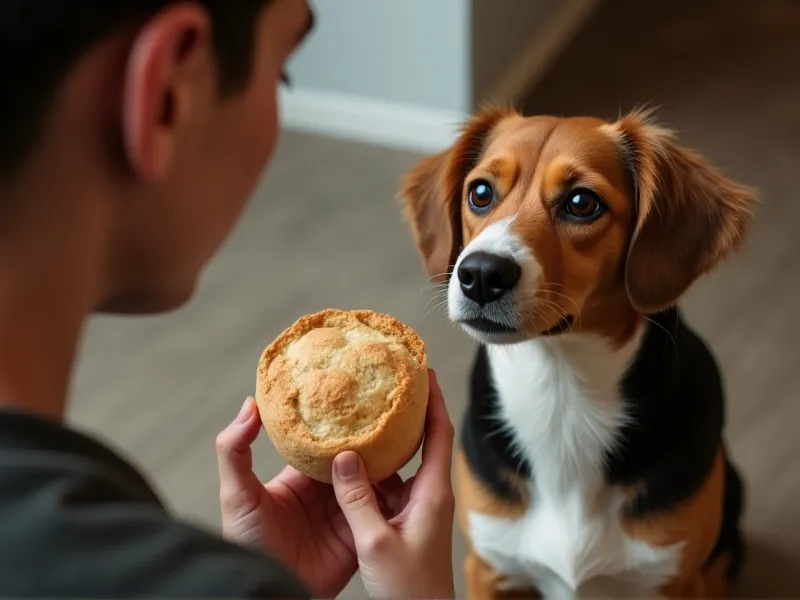
Table of Contents
- Can Dogs Eat Sourdough Bread? The Short Answer
- What Is Sourdough Bread, Anyway?
- Potential Benefits of Sourdough Bread for Dogs (Yes, There Are a Few!)
- Risks of Feeding Sourdough Bread to Dogs (The Important Fine Print)
- How Much Sourdough Bread Can Dogs Eat? Guidelines for Pet Parents
- Healthier Alternatives to Sourdough Bread
- FAQ: Your Sourdough Bread and Dog Questions Answered
- Conclusion: Sourdough as an Occasional Treat, Not a Staple
- References
Can Dogs Eat Sourdough Bread? The Short Answer
Yes, dogs can eat small amounts of baked sourdough bread as an occasional treat—but it’s not without risks. Sourdough itself isn’t toxic to dogs, but factors like added ingredients, portion size, and whether the bread is baked or unbaked can make a big difference.
The key here is moderation and caution. While a tiny bite of plain, baked sourdough is unlikely to harm most dogs, it shouldn’t become a regular part of their diet. And unbaked sourdough dough? That’s a serious hazard—more on that later.
What Is Sourdough Bread, Anyway?
Before we dive into the “can they eat it” details, let’s clarify what sourdough actually is. Unlike regular bread, which relies on commercial yeast for rising, sourdough is made using a “starter”—a fermented mixture of flour and water that contains wild yeast and lactic acid bacteria. This starter ferments the dough, creating carbon dioxide (which makes the bread rise) and lactic acid (which gives sourdough its tangy flavor).
Traditional sourdough has minimal ingredients: just flour, water, salt, and the starter. No added sugars, preservatives, or artificial flavors—if you’re buying or baking an artisanal, plain version. But many store-bought sourdoughs cut corners, adding sugar, honey, oils, or even preservatives to speed up production or enhance flavor. These added ingredients can turn a “neutral” treat into a risky one for your dog.
Potential Benefits of Sourdough Bread for Dogs (Yes, There Are a Few!)
Let’s start with the good news: Sourdough bread isn’t all bad. In small, plain doses, it may offer a few minor perks—though it’s important to note these are not “essential” nutrients for dogs, and they’re far better obtained from their regular, balanced diet.
1. Fiber for Digestive Health
Whole grain sourdough (made with whole wheat or rye flour) contains dietary fiber, which can support your dog’s digestive system by promoting regular bowel movements. The fermentation process in sourdough may even make this fiber easier to digest than the fiber in unfermented bread, thanks to enzymes produced by the starter bacteria 1.
2. B Vitamins from Fermentation
The wild yeast and bacteria in sourdough starter produce B vitamins during fermentation, including thiamine (B1), riboflavin (B2), and niacin (B3). These vitamins play roles in energy metabolism, brain function, and skin health 2. Again, dogs get plenty of B vitamins from high-quality dog food, but a tiny piece of sourdough won’t hurt.
3. Minimal Additives (in Traditional Sourdough)
If you’re choosing a plain, artisanal sourdough with no added sugars, salt, or toppings, it’s a “cleaner” treat than many processed human foods (looking at you, chocolate chip cookies or garlic bread). For dogs with sensitive stomachs, this simplicity might mean fewer digestive upsets compared to heavily seasoned or sweetened snacks.
Risks of Feeding Sourdough Bread to Dogs (The Important Fine Print)
Now, the not-so-good news: Sourdough bread comes with several risks, some of which are serious. Let’s break them down so you can make informed choices.
1. Unbaked Sourdough Dough: A Life-Threatening Hazard
This is the biggest risk by far. Never, ever let your dog eat unbaked sourdough dough. When raw dough enters your dog’s stomach, the warm, moist environment causes the yeast to continue fermenting. This produces two dangerous byproducts:
- Carbon dioxide gas: Builds up in the stomach, causing painful bloating (gastric dilatation). In severe cases, the stomach can twist (volvulus), cutting off blood flow—a condition called GDV (gastric dilatation-volvulus), which is fatal without emergency surgery 3.
- Ethanol (alcohol): As yeast ferments sugars, it produces alcohol. Even a small amount of unbaked dough can lead to alcohol toxicity in dogs, causing symptoms like vomiting, lethargy, disorientation, low body temperature, seizures, or even coma 4.
If your dog eats unbaked sourdough dough, call your vet or an emergency animal hospital immediately. This is not a “wait and see” situation—it can be life-threatening within hours.
2. Added Sugars and Sweeteners
Many store-bought sourdoughs (especially “soft” or “sweet” varieties) add sugar, honey, or high-fructose corn syrup to mask the tangy flavor. Dogs don’t need sugar in their diet, and excess sugar can lead to obesity, dental decay, and even diabetes over time. Even “natural” sweeteners like honey are high in sugar and empty calories for dogs.
3. Salt Overload
Salt is a necessary nutrient for dogs, but only in tiny amounts. Traditional sourdough contains salt (to slow fermentation and enhance flavor), but some commercial brands add extra salt to extend shelf life. Too much salt can cause sodium ion poisoning in dogs, with symptoms like excessive thirst, urination, vomiting, diarrhea, tremors, or seizures 5.
4. Toxic Toppings
Butter, garlic, onions, raisins, or chocolate—these are common toppings or mix-ins for sourdough (think garlic herb sourdough or raisin-walnut sourdough). All of these are toxic to dogs:
- Garlic/onions: Contain thiosulfate, which damages red blood cells and can cause anemia.
- Raisins/grapes: Can cause kidney failure in some dogs (even small amounts).
- Chocolate: Contains theobromine, which is toxic and can cause seizures or death.
Even a “plain” slice with a pat of butter is risky—butter is high in fat, which can trigger pancreatitis in dogs, especially small or sensitive breeds.
5. Gluten Sensitivity
Most dogs tolerate gluten (the protein in wheat, barley, and rye) just fine. However, some dogs have gluten sensitivities or allergies, which can cause itchy skin, ear infections, diarrhea, or vomiting. If your dog has a known gluten sensitivity, sourdough (even plain) is off-limits.
6. Choking or Blockage Risks
The crusty exterior of sourdough can be tough and dry, especially if it’s overbaked. For small dogs or dogs who gulp their food, a large piece of crust could pose a choking hazard. Additionally, if your dog swallows a big chunk without chewing, it could block their digestive tract (intestinal obstruction), which often requires surgery to fix.
7. Empty Calories
Sourdough is high in carbohydrates (from flour) but low in protein, healthy fats, vitamins, or minerals—nutrients dogs do need. Feeding too much sourdough can fill your dog up, leaving less room for their nutritionally balanced dog food. Over time, this can lead to nutrient deficiencies or weight gain.
How Much Sourdough Bread Can Dogs Eat? Guidelines for Pet Parents
If you’ve read this far and still want to share a tiny piece of plain, baked sourdough with your dog (we get it—those puppy eyes are hard to resist!), follow these rules to keep them safe:
1. Stick to Plain, Artisanal Sourdough
Choose a sourdough with only flour, water, salt, and starter. No added sugars, honey, oils, toppings, or preservatives. Check the ingredient list carefully—if you can’t pronounce an ingredient, skip it.
2. Size Matters: Tiny Portions Only
A “treat” should make up no more than 10% of your dog’s daily calories—and sourdough is calorie-dense. As a general guideline:
- Small dogs (10–20 lbs): 1–2 tiny bites (about the size of a dime).
- Medium dogs (30–50 lbs): 1–2 small pieces (about the size of a quarter).
- Large dogs (60+ lbs): A thin slice (no bigger than your palm).
Err on the side of smaller portions if your dog is overweight, has diabetes, or has a sensitive stomach.
3. Occasional, Not Daily
Sourdough should be a once-in-a-while treat, not a regular snack. Even plain sourdough is still a carb-heavy food that offers little nutritional value for dogs.
4. Avoid If Your Dog Has Health Issues
Skip sourdough entirely if your dog has:
- Diabetes (high carbs can spike blood sugar).
- Obesity (empty calories contribute to weight gain).
- Pancreatitis (high fat from toppings or butter is dangerous).
- Gluten sensitivity or allergies.
- Digestive issues (e.g., IBS, inflammatory bowel disease).
Healthier Alternatives to Sourdough Bread
If you want to treat your dog, there are plenty of safer, more nutritious options than sourdough. These alternatives are lower in carbs, higher in nutrients, and gentler on your dog’s stomach:
1. Cooked Sweet Potato
A slice of plain, cooked sweet potato is packed with fiber, vitamins A and C, and potassium—all great for your dog’s skin, coat, and digestion. It’s naturally sweet, so most dogs love it!
2. Plain Pumpkin (Canned or Cooked)
Pumpkin (not pumpkin pie filling!) is rich in fiber and beta-carotene, which supports eye health. It’s also great for settling upset tummies.
3. Carrots or Green Beans
Crunchy, low-calorie, and full of vitamins—carrots (raw or cooked) and green beans (cooked, no salt) make excellent, satisfying treats. They’re also great for dental health (chewing carrots helps scrape plaque!).
4. Apples (No Seeds!)
A slice of apple (core and seeds removed) is a sweet, fiber-rich treat. Just avoid the seeds—they contain trace amounts of cyanide, which is toxic in large quantities.
5. Plain, Cooked Chicken or Turkey
Lean, unseasoned chicken or turkey is high in protein and easy to digest. It’s a great “high-value” treat for training or spoiling.
FAQ: Your Sourdough Bread and Dog Questions Answered
Q: Can puppies eat sourdough bread?
A: Puppies have sensitive digestive systems and are still growing, so it’s best to avoid sourdough. Their bodies need nutrient-dense puppy food, not empty carbs. If you must share a tiny bite, consult your vet first.
Q: Is sourdough better than regular bread for dogs?
A: Sourdough may be slightly easier to digest than regular bread, thanks to the fermentation process, which breaks down some of the gluten and phytic acid (a compound that inhibits nutrient absorption). But this doesn’t make it a “health food.” Both sourdough and regular bread are high in carbs and low in nutrients for dogs—stick to tiny portions of either, if at all.
Q: My dog ate a whole slice of sourdough—should I worry?
A: If it’s plain, baked sourdough and your dog is otherwise healthy, monitor them for signs of stomach upset (vomiting, diarrhea, bloating). If they ate a large amount, or if they have diabetes/obesity, contact your vet. If the bread had toppings (garlic, raisins, etc.), call your vet immediately.
Q: Can dogs with diabetes eat sourdough bread?
A: No. Sourdough is high in carbohydrates, which can cause dangerous spikes in blood sugar for dogs with diabetes. Stick to low-carb treats recommended by your vet.
Q: Is unbaked sourdough starter dangerous for dogs?
A: Yes! Sourdough starter is just unbaked dough with active yeast. If your dog licks or eats starter, they’re at risk of yeast fermentation in the stomach (gas and alcohol toxicity). Call your vet right away.
Conclusion: Sourdough as an Occasional Treat, Not a Staple
At the end of the day, sourdough bread isn’t toxic to dogs—but it’s far from ideal. A tiny, plain, baked piece once in a blue moon is unlikely to harm most healthy dogs, but the risks (unbaked dough, added sugars, choking) often outweigh the minimal benefits.
Your dog’s regular diet—high-quality dog food formulated for their age, size, and health needs—is the best way to keep them happy and healthy. When you do treat them, opt for nutrient-dense options like sweet potato, pumpkin, or lean protein instead.
And if you’re ever unsure whether a food is safe for your dog, always consult your vet. They know your pup’s individual needs and can help you make the best choices.
So, the next time your dog begs for a bite of your sourdough? Maybe offer a carrot stick instead. Their tail will wag just as hard—and you’ll both feel better knowing it’s safe.
References
Footnotes
-
European Journal of Nutrition. “Fermentation Improves the Nutritional Value of Whole-Grain Wheat and Rye.” Link ↩
-
Journal of Food Science. “B Vitamins in Sourdough Fermentation.” Link ↩
-
American Kennel Club (AKC). “Gastric Dilatation-Volvulus (GDV) in Dogs.” Link ↩
-
ASPCA Animal Poison Control Center. “Yeast Dough Toxicity in Pets.” Link ↩