· 7 min read
Can Dogs Eat Sorbitol? The Definitive Guide for Pet Parents
Picture this: You’re rummaging through your pantry, grabbing a sugar-free snack to curb your afternoon sweet tooth. As you glance at the ingredient list, you spot it: “sorbitol.” Your dog, ever the curious companion, is staring up at you with those big, begging eyes, and suddenly you freeze. Is sorbitol safe for dogs? If you’ve found yourself asking this question, you’re not alone. With sugar-free products flooding grocery shelves, it’s natural to wonder which human foods (and their ingredients) are safe to share with our furry friends.
In this guide, we’ll break down everything you need to know about sorbitol and dogs: whether it’s toxic, potential risks, how much (if any) is safe, and healthier alternatives to keep your pup happy and healthy. Let’s dive in!
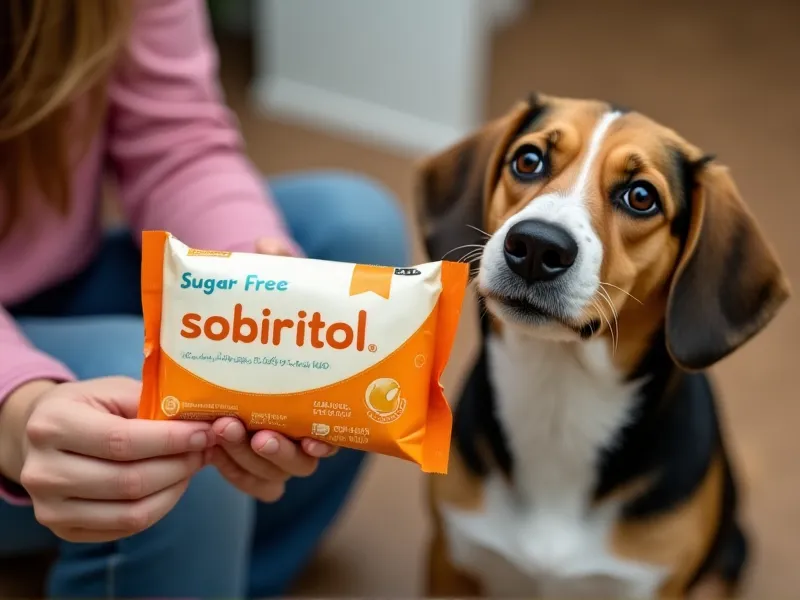
Table of Contents
- Can Dogs Eat Sorbitol? The Short Answer
- What Is Sorbitol, Anyway?
- Potential “Benefits” of Sorbitol (Spoiler: There Aren’t Many for Dogs)
- The Risks of Feeding Sorbitol to Dogs
- How Much Sorbitol Is Safe for Dogs?
- Healthier Alternatives to Sorbitol
- FAQ: Your Sorbitol Questions Answered
- Conclusion: When in Doubt, Skip the Sorbitol
Can Dogs Eat Sorbitol? The Short Answer
No, sorbitol is not recommended for dogs. While it’s not toxic like xylitol (a dangerous sugar alcohol that can cause liver failure in dogs), sorbitol can lead to uncomfortable—even painful—gastrointestinal issues. Dogs lack the digestive enzymes needed to break down sorbitol efficiently, which means even small amounts can cause diarrhea, gas, or stomach upset. For this reason, it’s best to avoid feeding sorbitol to your dog altogether.
What Is Sorbitol, Anyway?
Sorbitol is a sugar alcohol (also called a polyol) commonly used as a low-calorie sweetener in human foods. It occurs naturally in some fruits (like apples, pears, and peaches) in small amounts, but it’s most often added to processed products to mimic the sweetness of sugar without the calories. You’ll find it in:
- Sugar-free candies, gum, and mints
- Diet sodas and “light” beverages
- Sugar-free baked goods (cookies, cakes)
- Some toothpastes and mouthwashes
- Processed foods labeled “no added sugar”
Chemically, sorbitol is similar to sugar but is absorbed more slowly in the human body, making it a popular choice for people with diabetes or those watching their sugar intake. But here’s the catch: dogs’ bodies process sugar alcohols very differently than ours.
Potential “Benefits” of Sorbitol (Spoiler: There Aren’t Many for Dogs)
You might be wondering, “If sorbitol is low-calorie, could it have any benefits for my dog?” Let’s set the record straight: sorbitol has no nutritional value for dogs. Unlike fruits or vegetables, which provide vitamins, fiber, and antioxidants, sorbitol is an empty calorie. It adds sweetness without contributing anything useful to your dog’s diet.
That said, humans often choose sorbitol for its low glycemic index (it doesn’t spike blood sugar) and reduced calorie count. But dogs don’t need “sugar-free” treats—their bodies thrive on balanced, nutrient-dense foods, not empty sweeteners. So while sorbitol might seem like a “healthier” option for humans, it offers no advantages for our four-legged friends.
The Risks of Feeding Sorbitol to Dogs
While sorbitol isn’t toxic, it can cause significant discomfort for your dog. Here’s why it’s risky:
1. Gastrointestinal Upset (Diarrhea, Gas, and Bloating)
Dogs’ digestive systems aren’t equipped to handle large amounts of sugar alcohols like sorbitol. When sorbitol reaches the large intestine undigested, gut bacteria ferment it, producing gas and drawing water into the colon. This leads to:
- Loose stools or diarrhea
- Bloating and abdominal pain
- Excessive flatulence
In severe cases, diarrhea can cause dehydration, especially in small dogs, puppies, or senior dogs with weaker immune systems.
2. Choking Hazards (From the “Vehicle” Itself)
Sorbitol is rarely found in isolation—it’s usually in processed foods like sugar-free candies, gum, or baked goods. These products often pose additional risks:
- Hard candies or gum can get stuck in your dog’s throat, causing choking.
- Many sugar-free treats also contain other ingredients (like chocolate, caffeine, or artificial flavors) that are toxic to dogs.
3. Overconsumption Risks
Even “small” amounts of sorbitol can add up. For example, a single sugar-free mint might contain 1-2 grams of sorbitol, but a whole pack could have 20+ grams. For a 10-pound dog, ingesting just 5 grams of sorbitol could trigger diarrhea (VCA Animal Hospitals).
How Much Sorbitol Is Safe for Dogs?
There’s no official “safe” dosage of sorbitol for dogs, and for good reason: every dog is different. Factors like size, age, and overall health affect how well (or poorly) a dog tolerates sugar alcohols. A large breed dog might handle a tiny amount of sorbitol without issue, while a small breed could get diarrhea from the same serving.
The bottom line? There’s no need to feed your dog sorbitol. Since it offers no nutritional value and carries clear risks, the safest choice is to avoid it entirely. If your dog accidentally ingests a small amount (e.g., a single sugar-free mint), monitor them for 24 hours. If they develop diarrhea, vomiting, or lethargy, contact your vet.
Healthier Alternatives to Sorbitol
Instead of reaching for sorbitol-containing treats, opt for these dog-friendly alternatives that are safe, nutritious, and delicious:
1. Blueberries
Packed with antioxidants and fiber, blueberries are a low-calorie, sweet treat most dogs love. They’re great for training or as a cool summer snack (try freezing them!).
2. Carrots
Crunchy and full of beta-carotene (which supports eye health), carrots are a fantastic low-sugar option. They’re also great for dental health—chewing raw carrots helps scrape plaque off teeth!
3. Apples (No Seeds!)
Apples are a good source of fiber and vitamin C. Just be sure to remove the seeds (they contain trace amounts of cyanide) and core before serving.
4. Plain Pumpkin (Unsweetened)
Canned pumpkin (not pie filling!) is rich in fiber and can even help soothe an upset stomach. It’s a great addition to your dog’s diet in moderation.
5. Banana Slices
Bananas are naturally sweet and provide potassium, vitamin B6, and fiber. Offer small slices as an occasional treat (they’re high in sugar, so don’t overdo it!).
6. Unsweetened Yogurt
Plain, unsweetened yogurt (with live cultures) is a good source of protein and probiotics, which support gut health. Avoid flavors with added sugar or artificial sweeteners.
FAQ: Your Sorbitol Questions Answered
Q: Is sorbitol toxic to dogs?
A: No, sorbitol is not toxic like xylitol (a sugar alcohol that is highly toxic to dogs). However, it can cause severe gastrointestinal upset, including diarrhea and bloating.
Q: My dog ate a sugar-free candy with sorbitol—what should I do?
A: First, check the ingredient list for xylitol (if present, contact your vet immediately—it’s toxic). If it only contains sorbitol, monitor your dog for 24 hours. Watch for diarrhea, vomiting, or lethargy. If symptoms occur, call your vet.
Q: Are there any sugar alcohols that are safe for dogs?
A: Most sugar alcohols (like mannitol, maltitol, or erythritol) can cause similar GI issues to sorbitol. Xylitol is the only one that’s toxic, but all sugar alcohols are best avoided.
Q: Can puppies or senior dogs have sorbitol?
A: Puppies have sensitive digestive systems, and senior dogs may have underlying health issues—both groups are more likely to experience severe diarrhea from sorbitol. It’s safest to avoid it for all ages.
Q: Why do some dog treats contain sorbitol?
A: They rarely do! Most reputable dog food brands avoid sugar alcohols. Always check labels, and opt for treats with natural ingredients (e.g., “chicken,” “sweet potato”) instead of vague terms like “natural flavor.”
Conclusion: When in Doubt, Skip the Sorbitol
At the end of the day, our dogs rely on us to make smart choices about their diet. While sorbitol isn’t toxic, it offers no nutritional value and can cause uncomfortable gastrointestinal issues. Instead of reaching for sugar-free snacks with sorbitol, opt for natural, dog-safe treats like blueberries, carrots, or pumpkin—your pup will thank you!
If you ever have questions about a specific food or ingredient, don’t hesitate to reach out to your veterinarian. They know your dog’s health history and can provide personalized advice. After all, a happy dog is a healthy dog—and that starts with a diet full of nutrient-dense, safe foods.
References
- American Society for the Prevention of Cruelty to Animals (ASPCA). Toxic and Non-Toxic Plants. aspca.org
- VCA Animal Hospitals. Sugar Alcohols and Pets. vcahospitals.com
- PetMD. Can Dogs Eat Sugar-Free Gum? petmd.com
- Journal of Veterinary Internal Medicine. Gastrointestinal Effects of Sugar Alcohols in Dogs. (2018).
Disclaimer: This article is for informational purposes only and not a substitute for professional veterinary advice. Always consult your vet before introducing new foods to your dog’s diet.