· 8 min read
Can Dogs Eat Smoked Pork Bones? The Surprising Truth Every Pet Parent Needs to Know
It’s a familiar scene: You’re gathered around the dinner table, biting into a tender, smoky pork rib. Across from you, your dog sits perfectly still, tail thumping gently, those big, soulful eyes locked on your plate. “Just a little taste?” you think. “Surely a bone won’t hurt, right?”
If you’ve ever paused mid-bite to wonder, Can dogs eat smoked pork bones?, you’re not alone. As pet parents, we want to spoil our furry friends, but their safety always comes first. Smoked pork bones seem like a “natural” treat—after all, dogs love to chew—but the reality is more complicated.
In this guide, we’ll break down everything you need to know: the potential benefits (yes, there are a few!), the very real risks, safer alternatives, and what to do if your dog sneaks a bite. Let’s dive in—your pup’s health depends on it.
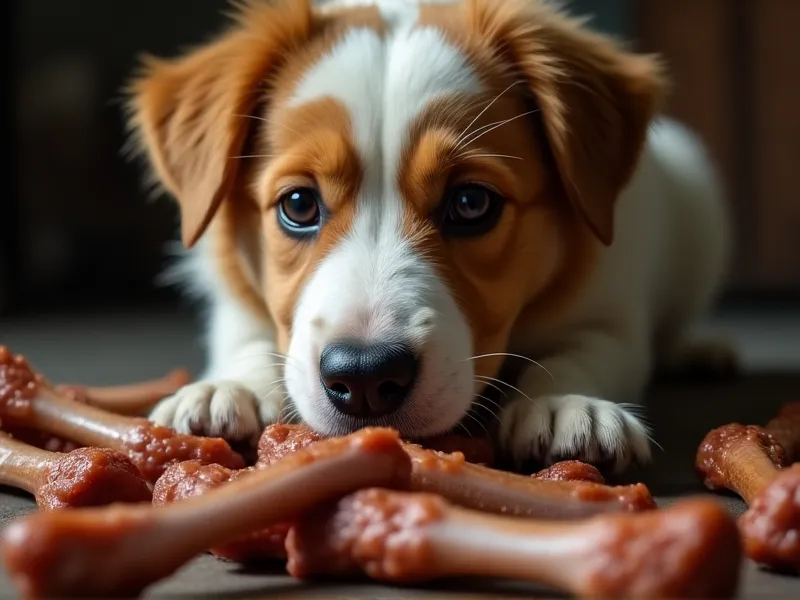
Table of Contents
- Can Dogs Eat Smoked Pork Bones? The Short Answer
- Potential “Benefits” of Pork Bones (But Proceed with Caution)
- The Hidden Risks of Smoked Pork Bones for Dogs
- Choking and Blockages: A Life-Threatening Hazard
- Splintering: Sharp Shards and Internal Damage
- Sodium Overload: Salt Toxicity in Dogs
- Fat and Pancreatitis: A Painful (and Costly) Condition
- Gastrointestinal Upset: Diarrhea, Vomiting, and Discomfort
- So, How Much Smoked Pork Bone Is “Safe” for Dogs?
- Healthier Alternatives to Smoked Pork Bones
- FAQ: Your Most Pressing Questions Answered
- Conclusion: Prioritizing Your Dog’s Health (and Happiness)
- References
Can Dogs Eat Smoked Pork Bones? The Short Answer
No, dogs should not eat smoked pork bones.
While it’s tempting to share that leftover rib bone, smoked pork bones pose serious risks to your dog’s health. The smoking process, combined with the bone’s natural structure, creates hazards that far outweigh any potential benefits. From choking to internal injuries, these bones are best kept off your dog’s menu.
But wait—what about unsmoked pork bones? Or other types of bones? We’ll get to that. For now, let’s start with why smoked pork bones, in particular, are a bad idea.
Potential “Benefits” of Pork Bones (But Proceed with Caution)
Before we dive into the risks, let’s acknowledge the elephant in the room: Why do people even consider giving bones to dogs? After all, wolves (dogs’ ancestors) eat bones in the wild, right?
It’s true that raw, unprocessed bones can offer some perks—but smoked pork bones are not the same. Let’s separate fact from fiction:
The (Limited) Perks of Raw, Unsmoked Bones
- Nutrients: Raw bones (especially meaty ones) contain marrow, which is rich in healthy fats, vitamins (like A and K), and minerals (zinc, iron, potassium). Chewing can also scrape plaque off teeth, supporting dental health.
- Mental Stimulation: Chewing is a natural behavior for dogs—it relieves boredom and stress. A large, raw bone can keep them occupied for hours.
Why Smoked Pork Bones Lose These Benefits
Smoking changes everything. Here’s why:
- Nutrient Loss: The smoking process (which often involves high heat and added chemicals) can degrade nutrients in the bone marrow.
- Added Ingredients: Most smoked pork bones are seasoned with salt, sugar, spices, or sauces (like BBQ sauce), which are harmful to dogs.
- Texture Change: Smoking dries out bones, making them brittle and prone to splintering (more on that later).
In short: Any “benefits” of bones are negated by the smoking process. Smoked pork bones are a far cry from the raw, meaty bones wolves eat in the wild.
The Hidden Risks of Smoked Pork Bones for Dogs
Now, let’s get to the most important part: the risks. While that smoked bone might seem harmless, it can lead to severe (even life-threatening) issues for your dog. Here’s what you need to watch out for:
1. Choking and Blockages: A Split-Second Emergency
Smoked pork bones are often small, thin, or brittle—perfect for breaking into sharp, bite-sized pieces. If your dog bites off a chunk that’s too big, it can get stuck in their throat, causing choking. Signs of choking include:
- Pawing at the mouth
- Gagging or retching
- Difficulty breathing
- Blue-tinged gums
Even if the piece isn’t stuck in the throat, it can lodge in the esophagus, stomach, or intestines. This is called an “intestinal blockage,” which requires emergency surgery. Symptoms include vomiting, diarrhea, loss of appetite, and lethargy.
2. Splintering: Sharp Shards Tearing Through Tissues
Remember how smoking dries out bones? That dryness makes them brittle, so when your dog chews, they can shatter into tiny, sharp splinters. These splinters can:
- Tear the gums, tongue, or cheeks (causing pain and infection).
- Puncture the esophagus, stomach, or intestines (leading to internal bleeding or peritonitis, a life-threatening infection).
Vets often warn against cooked bones (including smoked ones) for this exact reason: raw bones are more flexible and less likely to splinter.
3. Sodium Overload: Salt Toxicity in Dogs
Smoked meats (and their bones) are loaded with salt. A single smoked pork bone can contain more sodium than a dog needs in a day. Too much salt leads to salt toxicity, which causes:
- Extreme thirst and urination
- Vomiting and diarrhea
- Tremors or seizures
- In severe cases, kidney failure or death
Dogs with heart or kidney issues are especially vulnerable. Even a small amount of smoked bone can tip the scales.
4. Fat and Pancreatitis: A Painful Inflammation
Pork bones (smoked or not) are often surrounded by fat. While a little fat is okay, too much can trigger pancreatitis—inflammation of the pancreas. The pancreas produces enzymes to digest food; when it’s inflamed, those enzymes attack the organ itself.
Symptoms of pancreatitis include:
- Severe abdominal pain (your dog may hunch their back)
- Vomiting (sometimes with bile)
- Loss of appetite
- Lethargy
Pancreatitis is painful, expensive to treat, and can be fatal if left unchecked.
5. Gastrointestinal Upset: Stomachaches and Diarrhea
Even if your dog avoids choking or splinters, smoked pork bones can still wreak havoc on their gut. The high fat, salt, and unfamiliar ingredients can cause:
- Upset stomach (nausea, bloating)
- Diarrhea (which may be bloody if the intestines are irritated)
- Constipation (if bone fragments clump together in the colon)
So, How Much Smoked Pork Bone Is “Safe” for Dogs?
Here’s the blunt truth: There’s no “safe” amount of smoked pork bones for dogs.
Even a tiny nibble can pose risks. A small bone fragment could splinter, a lick of sauce could add dangerous sodium, or a chunk could block their intestines. The only way to keep your dog safe is to avoid smoked pork bones entirely.
Healthier Alternatives to Smoked Pork Bones
Just because smoked pork bones are off the table doesn’t mean you can’t treat your dog to a chewy snack. Here are safer, vet-approved alternatives:
1. Raw, Meaty Bones (Under Supervision)
If you want to give your dog a bone, opt for raw, large, and meaty bones (like beef knucklebones or marrow bones). These are:
- Flexible (less likely to splinter).
- Loaded with nutrients (marrow, connective tissue).
- Great for dental health (chewing scrapes off plaque).
Pro tip: Choose a bone larger than your dog’s head to prevent choking. Never leave them unsupervised—even raw bones can break into pieces if chewed too aggressively.
2. Dental Chews: Designed for Safety
Brands like Greenies, Milk-Bone Brushing Chews, or Whimzees make chews specifically for dogs. These are:
- Digestible (no sharp fragments).
- Fortified with vitamins and minerals.
- Effective at reducing plaque and tartar.
Always pick a size appropriate for your dog (small chews for small breeds, etc.) and check with your vet if your dog has dental issues.
3. Veggie Chews: Crunchy and Nutritious
For a low-calorie option, try fresh veggies:
- Carrots: Crunchy, high in fiber and vitamin A.
- Celery: Low-calorie and helps freshen breath.
- Sweet Potatoes: Cooked, plain sweet potato slices are chewy and full of fiber.
Avoid onions, garlic, or avocados—these are toxic to dogs.
4. Interactive Toys: Fun and Stimulating
Toys like Kongs or puzzle feeders keep dogs busy without the risk of bones. Stuff a Kong with peanut butter (xylitol-free!), plain yogurt, or canned pumpkin for a tasty, engaging treat.
FAQ: Your Most Pressing Questions Answered
We know you might still have questions—here are answers to the ones pet parents ask most often:
Q: My dog already ate a smoked pork bone! What should I do?
A: Stay calm, but monitor them closely for 24–48 hours. Watch for choking, vomiting, diarrhea, lethargy, or difficulty pooping. If you notice any of these symptoms, contact your vet immediately. Even if they seem fine, it’s worth a call to your vet—they may want to check for blockages or splinters.
Q: Are puppies more at risk than adult dogs?
A: Yes. Puppies have smaller throats, weaker jaws, and developing digestive systems, making them more prone to choking, blockages, or stomach upset. Senior dogs or those with health issues (like pancreatitis or kidney disease) are also higher risk.
Q: What about other smoked bones, like beef or turkey? Are they safer?
A: No. All smoked bones (regardless of the meat) pose the same risks: splintering, high sodium, and added ingredients. Stick to raw, unsmoked bones if you want to give your dog a bone.
Q: Can I “cook” the bone differently to make it safe?
A: No. Cooking (boiling, baking, smoking, or grilling) dries out bones, making them brittle. Raw is the only safe option for bones—and even then, supervision is key.
Conclusion: Your Dog’s Safety Is Worth the Extra Step
At the end of the day, that puppy-dog stare is hard to resist. But when it comes to smoked pork bones, the risks far outweigh any momentary joy. From choking to pancreatitis, these bones can lead to painful, expensive, and even fatal consequences.
Instead of sharing your smoked ribs, opt for safer alternatives: raw bones (under supervision), dental chews, veggies, or interactive toys. Your dog will love the attention, and you’ll have peace of mind knowing you’re keeping them healthy.
As always, if you’re unsure about a treat, consult your vet. They know your dog’s health history and can recommend the best options for their unique needs.
Here’s to many happy, healthy snack times with your furry friend!
References
- American Kennel Club (AKC). “Can Dogs Eat Bones?” akc.org/expert-advice/nutrition/can-dogs-eat-bones
- ASPCA. “Toxic and Non-Toxic Foods for Dogs.” aspca.org/pet-care/animal-poison-control/toxic-and-non-toxic-plants
- VCA Animal Hospitals. “Pancreatitis in Dogs.” vcahospitals.com/know-your-pet/pancreatitis-in-dogs
- PetMD. “Salt Toxicity in Dogs.” petmd.com/dog/conditions/toxicity/salt-toxicity-dogs