· 9 min read
Can Dogs Eat Smoked Chicken? Benefits, Risks, and Safe Guidelines for Pet Parents
It’s a lazy Saturday evening, and you’re savoring a plate of smoky, fall-off-the-bone chicken—your favorite weekend treat. Across the room, your dog sits patiently, tail thumping a steady rhythm against the floor. Their nose twitches, eyes locked on your plate, as if to say, “Got room for one more?” You pause, fork halfway to your mouth. Smoked chicken smells incredible, but is it safe to share with your furry sidekick?
If you’ve ever found yourself asking, “Can dogs eat smoked chicken?” you’re not alone. As pet parents, we want to spoil our pups, but their health always comes first. In this guide, we’ll break down the facts: the potential benefits, the hidden risks, and whether that occasional bite is worth it. Let’s dive in!
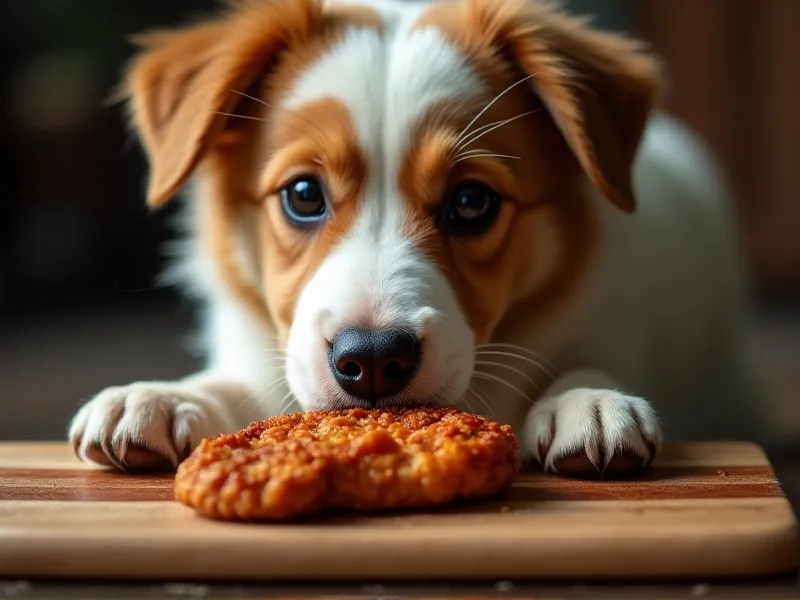
Table of Contents
- Can Dogs Eat Smoked Chicken? The Short Answer
- Potential Benefits of Smoked Chicken for Dogs (Yes, There Are a Few)
- The Risks: Why Smoked Chicken Isn’t Ideal for Your Pup
- How Much Smoked Chicken Is Safe for Dogs? (If Any)
- Healthier Alternatives to Smoked Chicken
- FAQ: Your Smoked Chicken Questions Answered
- Conclusion: Prioritize Your Pup’s Health
Can Dogs Eat Smoked Chicken? The Short Answer
Yes, but only in tiny, occasional amounts—and with major caveats. Smoked chicken isn’t toxic to dogs, but it’s far from an ideal treat. While it may seem harmless (after all, chicken is a staple in many dog foods!), the smoking process adds salt, preservatives, and other additives that can put your pup’s health at risk. Think of it like junk food for dogs: a small bite won’t hurt, but regular or large servings could lead to serious issues.
Potential Benefits of Smoked Chicken for Dogs (Yes, There Are a Few)
Before we dive into the risks, let’s acknowledge why you might be tempted to share that smoky chicken in the first place. Chicken itself is a great source of nutrition for dogs—smoked or not. Here’s what your pup could get from a tiny bite:
1. High-Quality Protein
Chicken is a lean protein powerhouse, and that doesn’t change when it’s smoked (though the smoking process may reduce some nutrients). Protein is essential for dogs: it supports muscle growth, repairs tissues, and keeps their coat shiny and skin healthy. A small piece of smoked chicken can offer a protein boost, but—spoiler—plain, unseasoned chicken is a better source.
2. B Vitamins (If Minimally Processed)
Chicken naturally contains B vitamins like B6 and B12, which help with energy metabolism and brain function. If the smoked chicken is minimally processed (no added chemicals), your dog might get trace amounts of these vitamins. However, smoking can degrade some nutrients, so the benefits here are minimal compared to fresh chicken.
3. A Tasty “Special Treat”
Let’s be real: sharing food with your dog is a bonding experience! A tiny piece of smoked chicken can feel like a luxurious treat for your pup, making them feel loved and included. Just remember: “tasty” doesn’t always mean “healthy.”
The Risks: Why Smoked Chicken Isn’t Ideal for Your Pup
Now, let’s get to the important part: the risks. Smoked chicken is a processed food, and processed foods often come with hidden dangers for dogs. Here’s what you need to watch out for:
1. Too Much Sodium: A Recipe for Salt Toxicity
Smoked meats are loaded with salt. Brining, curing, and smoking all add sodium to enhance flavor and preserve the meat. For example, a 3-ounce serving of store-bought smoked chicken can contain 500–800 mg of sodium—that’s more than half the daily recommended sodium intake for a 50-pound dog (who needs about 1,000 mg/day, according to the National Research Council).
Dogs have a low tolerance for excess sodium. Too much can lead to salt toxicity, which causes symptoms like:
- Vomiting or diarrhea
- Lethargy or confusion
- Excessive thirst or urination
- Seizures or tremors (in severe cases)
In extreme cases, salt toxicity can be fatal. Dogs with kidney disease, heart issues, or hypertension are even more vulnerable.
2. Preservatives: Nitrates and Nitrites
Many smoked chickens (especially store-bought or deli versions) contain preservatives like sodium nitrate or nitrite to keep them fresh longer and give them that pink color. While the FDA considers small amounts safe for humans, nitrates can be risky for dogs. When digested, nitrates can convert to nitrosamines, compounds linked to cancer in animals.
A 2018 study in Toxicology Letters found that high nitrate intake in dogs may increase the risk of bladder cancer over time. Even low levels can irritate your dog’s digestive tract, leading to stomach upset.
3. Fat and Skin: A Trigger for Pancreatitis
If your smoked chicken has skin or visible fat, watch out! Fatty foods are a leading cause of pancreatitis in dogs—a painful, potentially life-threatening condition where the pancreas becomes inflamed. Symptoms include severe abdominal pain, vomiting, and loss of appetite.
Pancreatitis is especially common in small breeds, overweight dogs, or those with a history of digestive issues. Even a small piece of fatty smoked chicken skin can trigger an attack.
4. Hidden Seasonings: Garlic, Onion, or Spices
Many smoked chicken recipes include seasonings like garlic, onion, paprika, or black pepper to boost flavor. Garlic and onion are toxic to dogs—even in small amounts. They damage red blood cells, leading to anemia, weakness, and organ failure.
Other spices, like paprika, can irritate your dog’s stomach, causing diarrhea or gas. Always check the label: if the smoked chicken has “spices” or “flavorings,” it’s best to avoid sharing.
5. Choking Hazards (Bones or软骨)
Some smoked chicken products (like drumsticks or wings) still have bones. Cooked bones are brittle and can splinter, getting stuck in your dog’s throat, esophagus, or intestines. This can cause choking, tears, or blockages—all medical emergencies. Even small bones pose a risk!
How Much Smoked Chicken Is Safe for Dogs? (If Any)
If you must share a bite of smoked chicken with your pup (we get it—those puppy eyes are hard to resist!), follow these strict guidelines:
✅ Occasional, Tiny Portions Only
Think “treat-sized,” not “meal-sized.” For a small dog (10–20 pounds), a piece the size of a dime is enough. For a large dog (50+ pounds), a piece the size of a quarter is max. And this should happen once in a blue moon—not every week.
✅ Remove Skin, Fat, and Bones
Trim off all skin and visible fat to reduce pancreatitis risk. Check for bones (even small ones!) and discard them.
✅ Avoid Seasoned or Processed Varieties
Stick to plain smoked chicken with no added salt, spices, or preservatives. Deli smoked chicken, store-bought “smoked chicken strips,” or flavored varieties (like honey-smoked) are off-limits—they’re higher in sodium and additives.
✅ Monitor for Reactions
After sharing a bite, watch your dog for 24 hours. If they vomit, have diarrhea, act lethargic, or seem uncomfortable, contact your vet immediately.
When to skip it entirely: If your dog has kidney disease, heart problems, diabetes, or a sensitive stomach, smoked chicken is a no-go. Stick to vet-approved treats instead.
Healthier Alternatives to Smoked Chicken
If you want to share chicken with your pup (and who doesn’t?), there are much safer options than smoked. Here are our top picks:
1. Plain, Cooked Chicken Breast
Boil, bake, or grill skinless, boneless chicken breast with no salt, oil, or spices. This is the gold standard for dog-safe chicken. It’s high in protein, low in fat, and free of additives. You can even batch-cook and freeze it for quick treats!
2. Grilled (Not Smoked) Chicken
If you’re grilling chicken for yourself, set aside a small piece before adding salt or seasonings. Grilled chicken (without smoke or marinade) is a healthier alternative to smoked, as it has less sodium and no preservatives.
3. Canned Chicken (Low-Sodium)
Look for canned chicken labeled “low-sodium” or “no salt added.” Drain the liquid and rinse lightly to remove excess sodium, then serve a tiny spoonful as a treat. Avoid canned chicken with bones or skin.
4. Dehydrated Chicken Treats
Store-bought dehydrated chicken treats (made with 100% chicken, no additives) are a great option. They’re chewy, protein-rich, and portion-controlled—perfect for training or occasional snacks.
FAQ: Your Smoked Chicken Questions Answered
Q: My dog stole a big piece of smoked chicken! What should I do?
A: Stay calm, but act fast. If it was a large amount (more than a bite-sized piece), call your vet immediately. They may recommend inducing vomiting (if done within 2 hours) or monitoring for salt toxicity symptoms. Watch for vomiting, diarrhea, or lethargy over the next 24 hours.
Q: Can puppies eat smoked chicken?
A: Puppies have sensitive digestive systems and developing organs, so smoked chicken is a bad idea. Their kidneys and pancreas can’t handle excess sodium or fat as well as adult dogs. Stick to plain, cooked chicken or puppy-safe treats.
Q: Is homemade smoked chicken safer than store-bought?
A: Homemade is better than store-bought (since you can skip preservatives and salt), but it’s still risky. Smoking inherently adds some sodium, and fat/skin is still a pancreatitis risk. Plain cooked chicken is always safer.
Q: What if my dog loves smoked chicken—can I give it to them sometimes?
A: “Sometimes” should mean once every few months, at most. Even then, keep portions tiny and avoid any with seasoning or fat. Your dog’s health is worth the sacrifice of skipping the smoked stuff!
Conclusion: Prioritize Your Pup’s Health
So, can dogs eat smoked chicken? The answer is a cautious “yes, but only rarely and in tiny amounts.” While a small, plain piece won’t hurt most dogs, the risks (salt, preservatives, fat) far outweigh the benefits.
At the end of the day, our dogs rely on us to make healthy choices for them—even when those big, sad eyes are begging for a bite. Instead of smoked chicken, reach for plain, cooked chicken breast: it’s just as tasty (to them!) and infinitely safer.
When in doubt, always consult your vet. They know your dog’s unique health needs and can help you choose the best treats. After all, a happy dog is a healthy dog—and that’s the ultimate goal.
Bon appétit (for you) and happy snacking (for your pup—safely!)
References
- American Society for the Prevention of Cruelty to Animals (ASPCA). “Toxic and Non-Toxic Foods.” aspca.org/pet-care/animal-poison-control/toxic-and-non-toxic-plants
- VCA Animal Hospitals. “Pancreatitis in Dogs.” vcahospitals.com/know-your-pet/pancreatitis-in-dogs
- PetMD. “Salt Toxicity in Dogs.” petmd.com/dog/conditions/toxicity/poisoning-salt-toxicity-dogs
- U.S. Food and Drug Administration (FDA). “Nitrates and Nitrites in Food.” fda.gov/food/food-additives-pet-food/nitrates-and-nitrites-food