· 9 min read
Can Dogs Eat Shelled Peanuts? A Pet Parent’s Guide to Safe Snacking
It’s a lazy Sunday afternoon, and you’re curled up on the couch, snacking on a bowl of crunchy shelled peanuts while your dog, Bella, rests her head on your lap. She lifts her ears, tail thumping gently, and gives you that look—the one that says, “Share? Please?” Before you toss her a peanut, you pause. You’ve heard conflicting advice about dogs and nuts: some say they’re a healthy treat, others warn they’re dangerous. So, can dogs eat shelled peanuts? And if so, are there risks you should know about?
If you’ve ever asked yourself these questions, you’re not alone. Nuts are a popular human snack, but when it comes to our furry friends, it’s critical to separate fact from fiction. In this guide, we’ll break down everything you need to know about shelled peanuts and dogs—from their potential benefits to hidden risks, how much to feed, and even healthier alternatives. Let’s dive in!
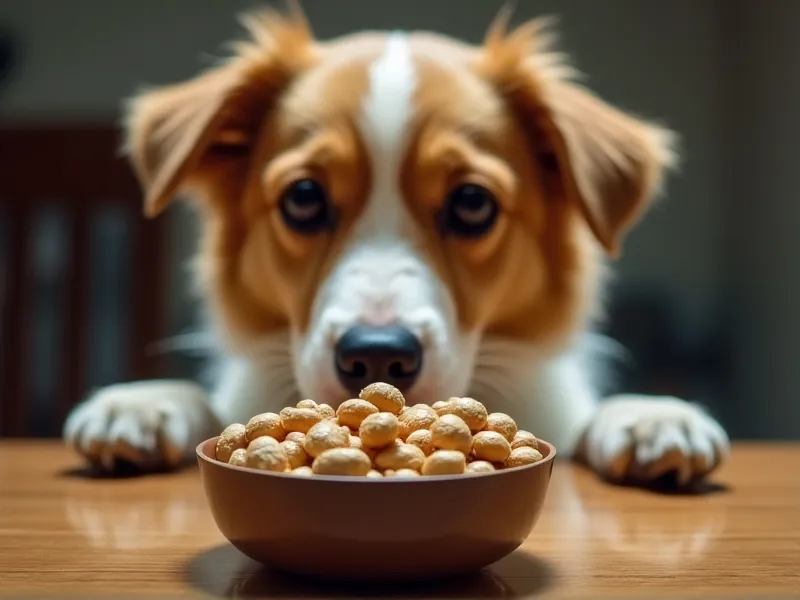
Table of Contents
- Can Dogs Eat Shelled Peanuts? The Short Answer
- Potential Benefits of Shelled Peanuts for Dogs
- Risks to Watch Out For: Why Not All Peanuts Are Safe
- How Much is Safe? Guidelines for Feeding Shelled Peanuts
- Healthier Alternatives to Shelled Peanuts
- FAQ: Your Top Peanut Questions, Answered
- Conclusion: Enjoy in Moderation
- References
Can Dogs Eat Shelled Peanuts? The Short Answer
Yes, dogs can eat shelled peanuts—but only in moderation, and with strict conditions.
Plain, unsalted, unflavored shelled peanuts (meaning the hard outer shell has been removed) are generally safe for most dogs as an occasional treat. They’re packed with nutrients like protein and healthy fats, which can offer some benefits. However, not all peanuts are created equal. Salted, honey-roasted, chocolate-covered, or flavored peanuts are off-limits, as they contain additives that can harm your dog. Additionally, even plain peanuts pose choking or digestive risks if overfed.
Think of shelled peanuts like a “sometimes” snack—not a daily staple. Let’s break down the details.
Potential Benefits of Shelled Peanuts for Dogs
When fed correctly, plain shelled peanuts can offer a few nutritional perks for your pup. Here’s what makes them a (carefully) tasty treat:
1. Protein: For Strong Muscles & Energy
Peanuts are a plant-based protein powerhouse. A 1-ounce serving (about 28 grams) contains roughly 7 grams of protein—essential for building and repairing muscle tissue, supporting immune function, and keeping your dog active. For active dogs or those recovering from illness, a small handful of peanuts can provide a quick protein boost (though they shouldn’t replace balanced dog food).
2. Healthy Fats: Supporting Skin, Coat, & Brain Health
Peanuts are rich in monounsaturated and polyunsaturated fats (the “good” fats), including omega-6 fatty acids. These fats help maintain a shiny coat, healthy skin, and even support brain function in puppies and senior dogs. Just remember: fat is calorie-dense, so moderation is key to avoid weight gain.
3. Fiber: Aiding Digestion
With about 2 grams of fiber per ounce, peanuts can help regulate your dog’s digestive system. Fiber supports healthy bowel movements and keeps the gut microbiome happy—though too much fiber can lead to stomach upset (more on that later).
4. Potassium: For Heart & Muscle Function
Potassium is an electrolyte that helps regulate heart rate, muscle contractions, and fluid balance. Peanuts contain small amounts of potassium, which contributes to overall cardiovascular health in dogs.
5. Vitamins & Minerals: A Tiny Nutrient Boost
Peanuts also pack small doses of vitamins E (an antioxidant that fights cell damage), B vitamins (for energy metabolism), and minerals like magnesium (bone health) and phosphorus (kidney function). While your dog’s regular food should be their main source of these nutrients, peanuts can add a little extra oomph.
Risks to Watch Out For: Why Not All Peanuts Are Safe
While plain shelled peanuts have benefits, they’re not without risks. Here’s what to avoid—and why:
1. Choking Hazard: Small Peanuts, Big Risk
Whole shelled peanuts are small, round, and hard—perfect for choking, especially in tiny dogs (think Chihuahuas, Yorkies) or dogs who gulp their food. Even medium-sized dogs can struggle to chew peanuts properly, leading to blockages in the throat or intestines. If you do feed peanuts, break them into smaller pieces for small breeds, and always supervise your dog while they snack.
2. Salt: A Hidden Danger in Flavored Peanuts
Most store-bought peanuts are salted or seasoned (e.g., “honey-roasted,” “spicy”). Salt is toxic to dogs in large amounts: it can cause sodium ion poisoning, leading to symptoms like vomiting, diarrhea, excessive thirst/urination, tremors, or even seizures. The ASPCA warns that just 1.5 grams of salt per pound of body weight can be lethal for dogs. A single salted peanut may not seem like much, but a handful could quickly add up.
3. Sugar & Artificial Flavors: Empty Calories & Risks
Honey-roasted, chocolate-covered, or candy-coated peanuts are loaded with sugar, which contributes to obesity, dental decay, and even diabetes in dogs. Artificial flavors, colors, or sweeteners (like xylitol, a sugar substitute) are even worse: xylitol is extremely toxic to dogs, causing a rapid drop in blood sugar, liver failure, or death. Always check labels—if it has added sugar or weird ingredients, skip it.
4. Aflatoxins: Moldy Peanuts Are Poisonous
Peanuts are prone to mold growth, specifically a fungus called Aspergillus flavus, which produces a toxin called aflatoxin. Aflatoxins are carcinogenic and can cause liver damage or failure in dogs, even in small amounts. To avoid this, buy high-quality, fresh peanuts from reputable brands, store them in a cool, dry place, and discard any peanuts that look moldy, discolored, or smell “off.”
5. High Fat Content: Pancreatitis Risk
While the fats in peanuts are “good,” they’re still high in calories. A 1-ounce serving has about 160 calories—for a 10-pound dog, that’s nearly 10% of their daily calorie needs! Overfeeding peanuts can lead to obesity, and in severe cases, pancreatitis (inflammation of the pancreas). Pancreatitis is painful and life-threatening, causing symptoms like vomiting, diarrhea, lethargy, and loss of appetite. Dogs with a history of pancreatitis or obesity should avoid peanuts entirely.
6. Allergies: Rare, But Possible
Though uncommon, some dogs may be allergic to peanuts. Signs of an allergic reaction include itching, hives, swelling (especially around the face), coughing, or difficulty breathing. If you notice these symptoms after feeding peanuts, stop immediately and contact your vet.
How Much is Safe? Guidelines for Feeding Shelled Peanuts
The golden rule: Peanuts should make up no more than 10% of your dog’s daily calorie intake. This ensures they don’t displace nutrients from their regular food and avoids overloading on fat or calories.
Here’s a rough guide based on your dog’s size:
| Dog Size | Weight | Max Peanuts per Day (plain, unsalted) | Approx. Calories |
|---|---|---|---|
| Small (e.g., Chihuahua, Yorkie) | 5–15 lbs | 1–2 peanuts | 10–30 calories |
| Medium (e.g., Beagle, Cocker Spaniel) | 15–40 lbs | 2–4 peanuts | 20–60 calories |
| Large (e.g., Labrador, Golden Retriever) | 40–70 lbs | 4–6 peanuts | 40–90 calories |
| Extra-Large (e.g., Great Dane, Mastiff) | 70+ lbs | 6–8 peanuts | 60–120 calories |
Pro Tips:
- Always feed plain, unsalted, shelled peanuts. No shells, no salt, no flavors.
- Break peanuts into smaller pieces for small dogs to reduce choking risk.
- Introduce peanuts slowly: Start with 1–2 peanuts and monitor for 24 hours. If your dog has diarrhea, vomiting, or gas, skip future peanut treats.
- Never replace meals with peanuts. They’re a treat, not a substitute for balanced dog food.
Healthier Alternatives to Shelled Peanuts
If you’re worried about the risks of peanuts, or your dog just isn’t a fan, there are plenty of safer, lower-risk snacks to try. Here are our top picks:
1. Unsalted, Unsweetened Peanut Butter
Peanut butter is a dog favorite—and safer than whole peanuts, as it’s less of a choking hazard. Just always check the label for xylitol (a sugar substitute toxic to dogs). Look for brands with only one ingredient: “peanuts.” Serve a teaspoon on a Kong toy or as a training reward.
2. Carrots
Crunchy, low-calorie, and packed with beta-carotene (vitamin A), carrots are a fantastic alternative. They’re great for dental health (chewing them scrapes plaque!) and safe for dogs of all sizes.
3. Green Beans
Fresh or steamed green beans are high in fiber, low in calories, and full of vitamins C and K. They’re perfect for overweight dogs or as a crunchy snack.
4. Apple Slices (No Seeds!)
Apples are a sweet, refreshing treat with fiber and antioxidants. Just remove the seeds (they contain small amounts of cyanide) and core before serving.
5. Blueberries
These tiny berries are loaded with antioxidants, vitamins, and fiber—plus, they’re low in sugar. Freeze them for a cool summer snack!
FAQ: Your Top Peanut Questions, Answered
Q: Can puppies eat shelled peanuts?
A: Yes, but with extra caution. Puppies have smaller throats (higher choking risk) and sensitive digestive systems. Start with 1 tiny piece of a peanut, and only if they’re over 3 months old (when their digestive tracts are more developed). Avoid if they’re prone to stomach upset.
Q: What if my dog ate salted or flavored peanuts?
A: Monitor them closely for 24 hours. Symptoms of salt toxicity include excessive thirst, urination, vomiting, diarrhea, or lethargy. If you notice these, contact your vet immediately. For flavored peanuts with xylitol, call your vet or an emergency animal hospital right away—xylitol can be fatal even in small doses.
Q: Can dogs eat peanut shells?
A: No! Peanut shells are tough, indigestible, and a major choking hazard. They can also cause intestinal blockages, which may require surgery. Always remove shells before feeding peanuts to your dog.
Q: Are there dogs who should never eat peanuts?
A: Yes. Avoid peanuts if your dog:
- Has pancreatitis (past or present)
- Is obese (high fat = extra calories)
- Has a nut allergy
- Is a small breed prone to choking (e.g., Pomeranians, Shih Tzus)
Q: How do I know if my dog is allergic to peanuts?
A: Signs of an allergic reaction include itching, red skin, hives, swelling (face, paws, or throat), coughing, sneezing, or difficulty breathing. If you see these, stop feeding peanuts and contact your vet.
Conclusion: Enjoy in Moderation
So, can dogs eat shelled peanuts? Yes—but only plain, unsalted, shelled peanuts, and in tiny amounts. They offer protein, healthy fats, and fiber, but pose risks like choking, salt toxicity, or pancreatitis if overfed.
As a pet parent, the key is balance. A peanut or two as an occasional treat is unlikely to harm most dogs, but it should never replace their regular, nutritionally complete food. When in doubt, ask your vet—especially if your dog has health issues like obesity or pancreatitis.
At the end of the day, the best snack for your dog is one that’s safe, healthy, and makes their tail wag. Whether it’s a peanut, a carrot, or a belly rub, the love you share is what matters most.
References
- American Society for the Prevention of Cruelty to Animals (ASPCA). “People Foods to Avoid Feeding Your Pets.” aspca.org/pet-care/animal-poison-control/people-foods-avoid-feeding-your-pets
- American Kennel Club (AKC). “Can Dogs Eat Peanut Butter?” akc.org/expert-advice/nutrition/can-dogs-eat-peanut-butter
- PetMD. “Are Peanuts Safe for Dogs?” petmd.com/dog/nutrition/can-dogs-eat-peanuts
- Merck Veterinary Manual. “Aflatoxicosis in Animals.” merckvetmanual.com/toxicology/mycotoxins/aflatoxicosis
- World Small Animal Veterinary Association (WSAVA). “Nutrition Toolkit: Feeding Guidelines.” wsava.org/global-guidelines/nutrition-toolkit