· 10 min read
Can Dogs Eat Pork Loin? A Pet Parent’s Guide to Safe & Healthy Treats
It’s a lazy Saturday afternoon, and you’re enjoying a home-cooked meal: a perfectly roasted pork loin, golden and juicy, with a side of veggies. Across the room, your dog—let’s call her Bella—sits patiently, tail thumping against the floor, her big brown eyes locked on your plate. “Just a tiny bite won’t hurt, right?” you think. After all, pork is a common human food, but is it safe for our furry friends?
If you’ve ever wondered, “Can dogs eat pork loin?” you’re not alone. As pet parents, we want to share the things we love with our pups, but their digestive systems are different from ours. Some human foods are harmless, while others can be toxic. In this guide, we’ll break down everything you need to know about pork loin and dogs: whether it’s safe, its nutritional benefits, potential risks, how to feed it safely, and even healthier alternatives. Let’s dive in!
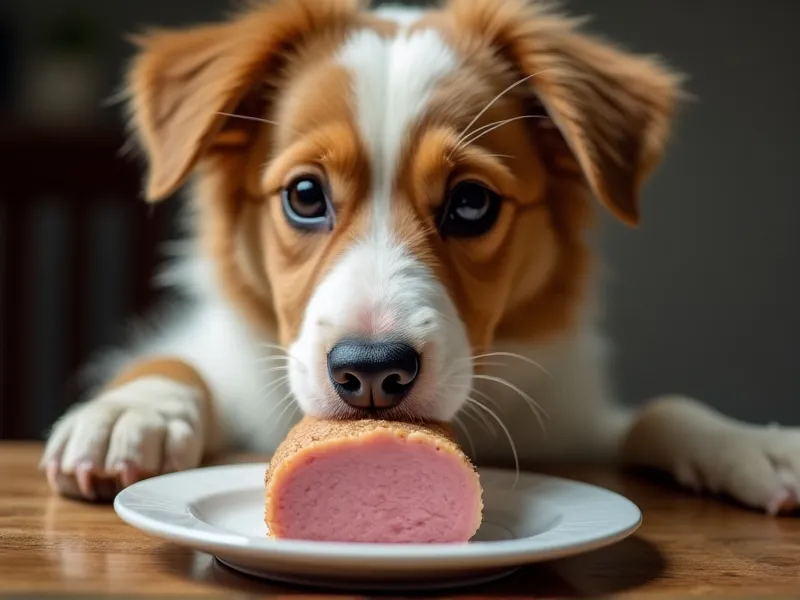
Table of Contents
- Can Dogs Eat Pork Loin? The Short Answer
- Nutritional Benefits of Pork Loin for Dogs
- Potential Risks: What to Watch Out For
- Safe Feeding Guidelines: How to Serve Pork Loin to Your Dog
- Healthier Alternatives to Pork Loin
- Frequently Asked Questions (FAQ)
- Conclusion: Moderation is Key
Can Dogs Eat Pork Loin? The Short Answer
Yes, dogs can eat pork loin—but only when it’s prepared properly.
Pork loin is a lean cut of meat from the back of the pig, and when cooked thoroughly, trimmed of fat, and served plain (no seasonings, bones, or sauces), it can be a safe, occasional treat for most healthy dogs. However, it’s not a “one-size-fits-all” food. Some dogs may have sensitivities, and improper preparation (like undercooking or adding harmful seasonings) can turn this tasty treat into a health hazard.
Think of pork loin as a “sometimes” food, not a staple. Your dog’s primary diet should still be a balanced, vet-approved dog food designed to meet their specific nutritional needs. But as an occasional reward or topper, plain, cooked pork loin can be a delicious addition—when done right.
Nutritional Benefits of Pork Loin for Dogs
Pork loin isn’t just a tasty treat—it’s also packed with nutrients that can benefit your dog when fed in moderation. Let’s break down its key nutritional perks:
1. High-Quality Protein
Protein is the building block of your dog’s body, supporting muscle growth, repair, and overall energy. Pork loin is an excellent source of lean protein, with about 22 grams of protein per 3-ounce (85g) serving (cooked, trimmed of fat). This makes it a great option for active dogs, working dogs, or those recovering from illness (always check with your vet first!).
2. Essential B Vitamins
Pork loin is rich in B vitamins, including:
- Thiamine (B1): Supports brain function and energy metabolism.
- Niacin (B3): Aids in digestion, skin health, and converting food into energy.
- Vitamin B6: Helps produce red blood cells and neurotransmitters (important for mood and brain health).
- Vitamin B12: Critical for nerve function and the formation of DNA.
These vitamins work together to keep your dog’s coat shiny, energy levels steady, and brain sharp.
3. Minerals for Overall Health
Pork loin also provides key minerals:
- Selenium: An antioxidant that boosts the immune system and protects cells from damage.
- Zinc: Supports skin and coat health, wound healing, and immune function.
- Phosphorus: Works with calcium to maintain strong bones and teeth.
- Potassium: Regulates heart rate, muscle function, and fluid balance.
4. Low in Fat (When Trimmed)
Unlike fattier pork cuts (like bacon or pork belly), pork loin is naturally low in fat—if you trim off all visible fat. A 3-ounce serving has just 3-4 grams of fat, making it a better choice than high-fat meats that can trigger pancreatitis in dogs.
Potential Risks: What to Watch Out For
While pork loin can be a healthy treat, it’s not without risks. Here’s what to avoid to keep your dog safe:
1. Undercooked Pork: Parasite Risk
Raw or undercooked pork can contain Trichinella spiralis, a parasitic worm that causes trichinosis. Symptoms of trichinosis in dogs include diarrhea, vomiting, muscle pain, fever, and even neurological issues. While trichinosis is rare in commercially raised pork (thanks to modern farming practices), it’s still a risk—especially with wild boar or poorly processed pork.
Solution: Always cook pork loin to an internal temperature of 145°F (63°C), followed by a 3-minute rest, to kill any parasites. Use a meat thermometer to be sure!
2. Seasonings and Additives
Your Sunday roast might be seasoned with garlic, onion, salt, pepper, or herbs like rosemary—but these can be toxic to dogs:
- Garlic and Onion: Both belong to the allium family and can damage a dog’s red blood cells, leading to anemia. Even small amounts (like a sprinkle of garlic powder) can be harmful.
- Salt: Excess salt causes sodium ion poisoning, leading to vomiting, diarrhea, seizures, or even death.
- Spices: Some spices (e.g., nutmeg, cinnamon in large amounts) can irritate your dog’s stomach or cause neurological issues.
Solution: Serve pork loin plain—no salt, no spices, no sauces, no marinades.
3. Fatty Trimmings: Pancreatitis Risk
While pork loin is lean, any remaining fat (like the fat cap or marbling) is high in calories and can trigger pancreatitis—a painful, potentially life-threatening inflammation of the pancreas. Symptoms include vomiting, diarrhea, lethargy, and loss of appetite.
Solution: Trim all visible fat before cooking. Even a small piece of fat can be dangerous for dogs prone to pancreatitis (e.g., small breeds, overweight dogs, or those with a history of the condition).
4. Bones: Choking and Internal Damage
Pork bones—cooked or raw—are a major hazard. Cooked bones splinter easily, sharp fragments can tear your dog’s throat, stomach, or intestines, leading to choking, blockages, or internal bleeding. Raw bones aren’t safer: they can still cause choking or break teeth.
Solution: Never feed your dog pork loin bones (or any bones from pork, chicken, or turkey).
5. Overfeeding: Weight Gain and Digestive Upset
Pork loin is high in protein, but too much of a good thing can cause problems. Overfeeding can lead to:
- Weight gain: Extra calories add up quickly, especially for small or less active dogs.
- Digestive upset: A sudden influx of new protein can cause diarrhea, vomiting, or gas—especially in dogs with sensitive stomachs.
Solution: Stick to the “10% rule”: treats (including pork loin) should make up no more than 10% of your dog’s daily calories.
Safe Feeding Guidelines: How to Serve Pork Loin to Your Dog
If you want to share pork loin with your pup, follow these steps to keep them safe:
1. Choose the Right Cut
Opt for boneless pork loin roast or pork tenderloin (even leaner than loin). Avoid processed pork products like ham, bacon, or sausage—these are high in salt, preservatives, and fat.
2. Cook Thoroughly
Cook pork loin until it’s no longer pink in the center, and the internal temperature reaches 145°F (63°C). Let it rest for 3 minutes before serving to ensure even cooking.
3. Trim All Fat
Use a sharp knife to remove every bit of visible fat, including the fat cap. Even a thin layer can cause digestive upset or pancreatitis.
4. Skip the Seasonings
Cook the pork plain—no salt, pepper, garlic, onion, or herbs. If you want to add flavor, steam a little plain carrot or green bean on the side (but keep the pork itself unseasoned).
5. Cut into Bite-Sized Pieces
Chop the pork into small, manageable pieces to prevent choking—especially for small dogs or pups who gulp their food.
6. Practice Portion Control
A good rule of thumb:
- Small dogs (under 20 lbs): 1-2 tablespoons of cooked pork loin per serving.
- Medium dogs (20-50 lbs): 2-4 tablespoons.
- Large dogs (50+ lbs): ¼ to ½ cup.
Remember: This is a treat, not a meal. Adjust based on your dog’s activity level, age, and health (e.g., senior dogs or those with diabetes may need smaller portions).
7. Introduce Slowly
If your dog has never had pork before, start with a tiny piece and monitor them for 24 hours. Watch for signs of allergies (itchiness, swelling) or digestive upset (vomiting, diarrhea). If all goes well, you can gradually increase the portion.
Healthier Alternatives to Pork Loin
While pork loin can be safe, there are other human foods that are more commonly recommended by vets as dog treats. These alternatives are often easier to digest, less likely to cause sensitivities, or packed with extra nutrients:
1. Chicken Breast
Why it’s better: Chicken is a staple in most dog foods for a reason—it’s lean, high in protein, and easy to digest. It’s also lower in fat than pork loin (when skinless) and less likely to trigger allergies.
How to serve: Cooked, boneless, skinless, and plain.
2. Turkey Breast
Why it’s better: Turkey is another lean protein option, rich in tryptophan (which helps regulate mood) and B vitamins. It’s a great choice for dogs with pork sensitivities.
How to serve: Cooked, boneless, skinless, and plain (avoid deli turkey, which is high in salt).
3. Salmon
Why it’s better: Salmon is loaded with omega-3 fatty acids, which support skin, coat, and joint health. It’s also a good source of protein and vitamin D.
How to serve: Cooked, boneless, and plain (no salt or seasonings). Avoid raw salmon, which can contain parasites.
4. Lean Beef (Sirloin or Round)
Why it’s better: Beef is rich in iron and zinc, which support red blood cell production and immune function. Lean cuts like sirloin are low in fat and easy to find.
How to serve: Cooked, trimmed of fat, and plain.
Frequently Asked Questions (FAQ)
Q: Can dogs eat raw pork loin?
A: No. Raw pork may contain harmful bacteria (like Salmonella) or parasites (like Trichinella), which can make your dog sick. Always cook pork thoroughly before feeding.
Q: My dog stole a piece of pork loin with garlic—what should I do?
A: Garlic is toxic to dogs, even in small amounts. Contact your vet immediately, especially if the pork was seasoned with garlic or onion. They may recommend inducing vomiting or monitoring for symptoms like lethargy or pale gums.
Q: Is pork loin better than chicken for dogs?
A: Not necessarily. Chicken is more commonly recommended because it’s easier to digest and less likely to cause sensitivities. However, pork loin can be a good alternative if your dog is allergic to chicken.
Q: Can puppies eat pork loin?
A: Puppies can have small amounts of cooked, plain pork loin, but their primary diet should be puppy food (formulated for growth). Introduce it slowly and check with your vet first, as puppies have sensitive stomachs.
Q: Can dogs eat pork loin bones?
A: Never. Cooked bones splinter and can cause choking or internal damage. Raw bones are also risky—they can break teeth or get stuck in the intestines. Stick to boneless pork only.
Conclusion: Moderation is Key
So, can dogs eat pork loin? Yes—with the right preparation! Plain, cooked, trimmed pork loin can be a tasty, nutrient-rich treat for your pup, offering protein, B vitamins, and minerals. But it’s not a substitute for a balanced dog food, and improper preparation (undercooked, fatty, or seasoned) can lead to serious health issues.
As with any human food, moderation is key. A small bite now and then is fine, but don’t make pork loin a regular part of their diet. And if you’re ever unsure whether a food is safe, always consult your vet—they know your dog’s health history and can give personalized advice.
At the end of the day, the best treat for your dog is your love and attention. But if you do want to share a bite of your meal? Go ahead—just make sure it’s plain, cooked pork loin (and maybe save a little extra for Bella’s next tail-wagging request).