· 8 min read
Can Dogs Eat Cooked Pork Chops? What Pet Parents Need to Know
Picture this: It’s a cozy Saturday night, and you’re grilling up a batch of juicy pork chops for dinner. The aroma fills the kitchen, and your dog—ever the food detective—trots over, tail wagging, nose twitching, and gives you that “please share” look. You pause, fork mid-air. Is this safe? Can your pup sneak a bite of your pork chop, or is it better to say “no”?
If you’ve ever wondered whether cooked pork chops are a dog-friendly treat, you’re not alone. Pork is a common human food, but when it comes to our four-legged friends, not all meats are created equal. Let’s dive into the details: the benefits, the risks, and how to keep your dog happy and healthy if you decide to share.
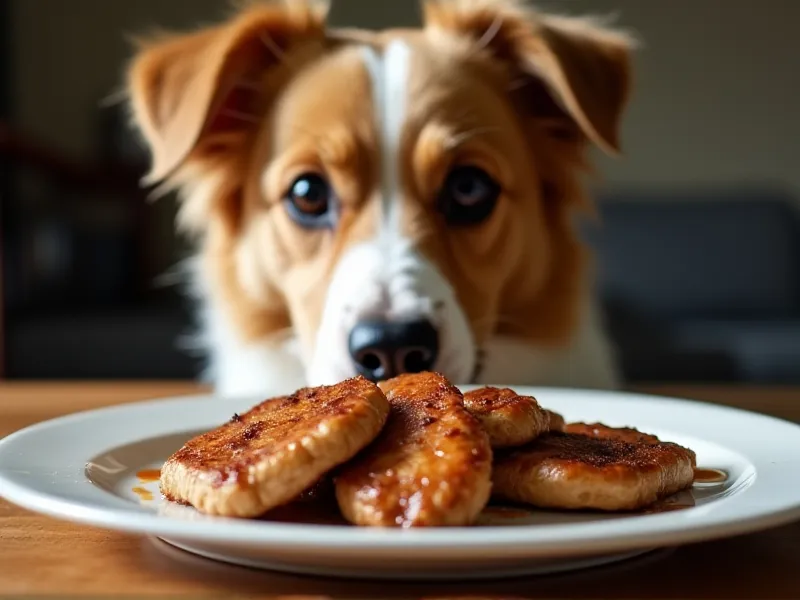
Table of Contents
- Can Dogs Eat Cooked Pork Chops? The Short Answer
- The Benefits of Cooked Pork for Dogs
- The Risks: Why Pork Chops Might Not Be Ideal
- How Much Cooked Pork Chop Is Safe for Dogs?
- Healthier Alternatives to Pork Chops
- FAQ: Your Pork Chop Questions Answered
- Conclusion: Prioritize Moderation and Your Vet’s Guidance
Can Dogs Eat Cooked Pork Chops? The Short Answer
Yes, dogs can eat small amounts of plain, cooked pork chops—but with caveats. Pork itself is not toxic to dogs, and in moderation, it can even offer some nutritional benefits. However, pork chops come with risks that make them less than ideal as a regular treat. The key issues? High fat content, bones, and seasoning. Read on to learn how to navigate these safely.
The Benefits of Cooked Pork for Dogs
Before we get into the risks, let’s talk about why pork can be a nutritious addition to your dog’s diet—when prepared properly. Lean, unseasoned pork is packed with essential nutrients that support your dog’s health:
1. High-Quality Protein
Pork is an excellent source of animal-based protein, which is crucial for dogs. Protein helps build and repair muscle tissue, supports a healthy coat and skin, and keeps their immune system strong. A 3-ounce serving of cooked, lean pork contains about 22 grams of protein—similar to chicken or beef.
2. Essential Vitamins and Minerals
Pork is rich in B vitamins, including:
- Vitamin B12: Supports brain function and red blood cell production.
- Niacin (B3): Aids in energy metabolism and healthy skin.
- Thiamine (B1): Important for nerve function and digestion.
It also provides minerals like zinc (supports immune health and wound healing), iron (helps with oxygen transport in the blood), and potassium (regulates heart and muscle function).
3. Palatability
Let’s be real: Dogs love the taste of pork. If your pup is a picky eater, a small bite of plain pork can be a motivating treat for training or a special reward.
The Risks: Why Pork Chops Might Not Be Ideal
While pork has nutritional perks, pork chops specifically come with some red flags. Here’s what to watch out for:
1. High Fat Content = Pancreatitis Risk
Pork chops (especially bone-in or marbled cuts) are often high in fat. Fatty foods can trigger pancreatitis in dogs—a painful, potentially life-threatening condition where the pancreas becomes inflamed. Symptoms include vomiting, diarrhea, lethargy, and loss of appetite. Even a small amount of fatty pork can be dangerous for dogs prone to pancreatitis (like small breeds, overweight dogs, or those with a history of the condition).
According to the American Veterinary Medical Association (AVMA), high-fat diets are a leading cause of pancreatitis in dogs.
2. Bones: A Choking and Internal Hazard
Cooked pork chop bones are a big no-no. When cooked, bones become brittle and can splinter, leading to:
- Choking: Small bone fragments can get stuck in your dog’s throat.
- Internal damage: Sharp splinters may tear the esophagus, stomach, or intestines, causing infection or blockages (which often require surgery).
- Dental fractures: Chewing hard bones can crack your dog’s teeth.
Even if your dog “loves bones,” the risk isn’t worth it. The ASPCA explicitly warns against giving dogs cooked bones of any kind.
3. Seasonings and Marinades Are Toxic
Most pork chops are seasoned with ingredients that are harmful to dogs, including:
- Garlic/onion: These contain compounds that damage red blood cells, leading to anemia. Even small amounts (like a sprinkle of garlic powder) can be toxic over time.
- Salt: Excess salt causes sodium ion poisoning, leading to vomiting, diarrhea, seizures, or even death.
- Spices: Paprika, pepper, or chili powder can irritate your dog’s stomach, causing discomfort or diarrhea.
If your pork chop is grilled, smoked, or marinated, it may also contain added sugars, sauces, or preservatives—all of which are unnecessary and potentially harmful.
4. Stomach Upset from Rich Food
Dogs have sensitive digestive systems, and rich, fatty foods like pork chops can throw them off balance. Even if your dog doesn’t develop pancreatitis, they might experience vomiting, diarrhea, or gas after eating a pork chop—especially if they’re not used to it.
How Much Cooked Pork Chop Is Safe for Dogs?
If you decide to share a small bite, follow these guidelines to minimize risk:
1. Stick to Plain, Lean Cuts
Choose boneless, unseasoned pork chops. Trim all visible fat (the white, marbled parts) to reduce pancreatitis risk. Avoid breaded, fried, or sauced pork chops entirely.
2. Portion Size Matters
A general rule: Treats (including pork) should make up no more than 10% of your dog’s daily calories. For reference:
- Small dogs (10–20 lbs): 1–2 tiny bites (about the size of a dime to a quarter).
- Medium dogs (30–50 lbs): 2–3 small bites (about the size of a golf ball).
- Large dogs (60+ lbs): 3–4 bites (about the size of a ping-pong ball).
3. Frequency: Occasional, Not Regular
Pork chops should be a rare treat—think once every few weeks, not weekly. Regularly feeding high-fat foods increases the risk of long-term health issues like obesity or pancreatitis.
4. Watch for Reactions
After sharing, monitor your dog for 24–48 hours. If they show signs of stomach upset (vomiting, diarrhea), lethargy, or loss of appetite, contact your vet.
Healthier Alternatives to Pork Chops
If you want to treat your dog to pork, there are safer ways to do it. Or, opt for these protein-packed alternatives:
1. Lean Pork Loin
Pork loin is much lower in fat than pork chops. Cook it plain (no seasoning), dice it, and serve as a treat. It’s a great source of protein without the extra fat.
2. Chicken or Turkey Breast
These are go-to lean proteins for dogs. They’re low in fat, easy to digest, and packed with nutrients. Boil or bake plain chicken/turkey (no skin, bones, or seasoning) for a safe, healthy treat.
3. Salmon
Cooked, boneless salmon is rich in omega-3 fatty acids, which support joint health and a shiny coat. Just avoid smoked or salted salmon.
4. Plain, Cooked Beef
Lean ground beef (drained of fat) or sirloin steak (trimmed) is another dog-friendly option. It’s high in protein and iron, making it a nutritious treat.
FAQ: Your Pork Chop Questions Answered
Q: Can dogs eat pork chop bones?
A: No. Cooked pork chop bones are brittle and can splinter, causing choking, internal tears, or blockages. Even raw bones carry risks (like bacterial contamination), so it’s best to skip them entirely.
Q: My dog stole a seasoned pork chop! What should I do?
A: Stay calm and monitor them. If the pork had garlic, onion, or large amounts of salt, contact your vet immediately—these can be toxic. Watch for vomiting, diarrhea, or lethargy, and call your vet if symptoms appear.
Q: Is pork better than chicken for dogs?
A: It depends. Pork is a good protein source, but chicken is leaner and more commonly recommended by vets (it’s less likely to cause stomach upset). If your dog has a chicken allergy, pork can be a safe alternative—but always choose lean cuts.
Q: Can puppies eat pork chops?
A: It’s not ideal. Puppies have sensitive digestive systems and are more prone to stomach upset. Stick to their puppy food, and avoid rich treats like pork chops until they’re older (consult your vet for guidance).
Q: What if my dog only ate a tiny piece of pork chop?
A: Probably fine, but monitor. A small, unseasoned, fat-trimmed bite is unlikely to harm most dogs. Keep an eye out for diarrhea or vomiting, but don’t panic unless symptoms worsen.
Conclusion: Prioritize Moderation and Your Vet’s Guidance
Cooked pork chops aren’t toxic to dogs, but they’re far from the best treat. While lean, unseasoned pork can offer nutrients like protein and B vitamins, the high fat, bones, and seasoning in pork chops make them a risky choice.
If you do share a bite, keep it small, plain, and rare. And when in doubt, opt for safer alternatives like chicken, turkey, or lean pork loin. Your dog’s health (and their upset stomach-free nights) will thank you.
As always, every dog is different—what works for one pup might not work for another. If you have questions about your dog’s diet, reach out to your vet. They can help you create a balanced meal plan that keeps your furry friend happy, healthy, and tail-waggingly full.
Sources:
- American Society for the Prevention of Cruelty to Animals (ASPCA). “People Foods to Avoid Feeding Your Pets.”
- American Veterinary Medical Association (AVMA). “Pancreatitis in Dogs.”
- Veterinary Nutritionist Dr. Jennifer Coates, “Can Dogs Eat Pork?” (PetMD).
- Cummings School of Veterinary Medicine at Tufts University. “Nutrition for Dogs: What’s in a Balanced Diet?”