· 8 min read
Can Dogs Eat Pork Chops? What Pet Parents Need to Know
Picture this: It’s a cozy Sunday evening, and you’re grilling up a batch of juicy pork chops for dinner. The aroma fills the kitchen, and suddenly, you feel a wet nose nudge your hand. You look down to find your dog, tail wagging furiously, eyes wide with anticipation. “Just a bite?” they seem to ask. It’s a scenario many pet parents face—but before you give in to those puppy-dog eyes, you might wonder: Is pork safe for dogs? Can they eat pork chops, or is this human food off-limits?
If you’ve ever found yourself asking these questions, you’re not alone. Let’s dive into the details: the benefits, the risks, and how to keep your pup safe if you decide to share a little porky goodness.
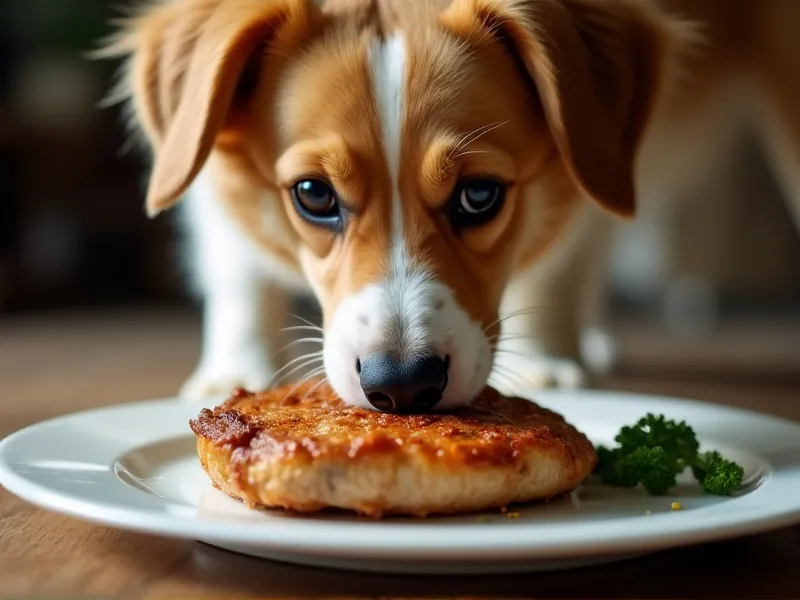
Table of Contents
- Can Dogs Eat Pork Chops? The Short Answer
- The Benefits of Pork for Dogs
- The Risks of Feeding Pork Chops to Dogs
- How Much Pork Chop Can Dogs Eat? Guidelines
- Healthier Alternatives to Pork Chops
- FAQ: Your Pork Chop Questions Answered
- Conclusion: Moderation is Key
Can Dogs Eat Pork Chops? The Short Answer
Yes, dogs can eat plain, fully cooked pork chops in very small, occasional amounts—but there are important caveats.
Pork itself is not toxic to dogs. In fact, it’s a common ingredient in some high-quality dog foods. However, pork chops pose unique risks that make them less than ideal for regular treats. The key issues? High fat content, bones, and added seasonings. Let’s break down what’s safe, what’s not, and how to navigate this tasty temptation.
The Benefits of Pork for Dogs
Before we get into the risks, let’s highlight why pork can be a nutritious addition to your dog’s diet—when prepared properly. Pork is packed with essential nutrients that support your pup’s health:
1. High-Quality Protein
Protein is the building block of strong muscles, healthy skin, and a shiny coat. Pork is a complete protein, meaning it contains all the amino acids dogs need to thrive. According to the American Kennel Club (AKC), lean pork is a great source of this vital nutrient.
2. B Vitamins for Energy
Pork is rich in B vitamins like B12, niacin (B3), and thiamine (B1). These vitamins help convert food into energy, support brain function, and keep your dog’s nervous system running smoothly. B12, in particular, is crucial for red blood cell formation—something senior dogs or those with digestive issues may need extra of.
3. Zinc and Iron for Immune Health
Zinc is a mineral that boosts your dog’s immune system, aids wound healing, and supports thyroid function. Iron, on the other hand, helps transport oxygen in the blood. Pork (especially organ meats like liver, though not chops) is a good source of both.
4. Selenium, an Antioxidant
Selenium acts as an antioxidant, protecting cells from damage and supporting thyroid health. Pork is one of the best dietary sources of this mineral for dogs.
The Risks of Feeding Pork Chops to Dogs
While pork has nutritional perks, pork chops come with some significant risks that pet parents need to avoid. Here’s what to watch out for:
1. High Fat Content = Pancreatitis Risk
Pork chops—especially bone-in or marbled cuts—are high in fat. Dogs have sensitive digestive systems, and a sudden influx of fat can trigger pancreatitis, a painful and potentially life-threatening inflammation of the pancreas. Symptoms include vomiting, diarrhea, lethargy, and loss of appetite. According to VCA Hospitals, fatty foods are a leading cause of pancreatitis in dogs.
Even lean pork chops have more fat than, say, chicken breast. For dogs prone to obesity or with a history of pancreatitis, pork chops are a big no-no.
2. Bones: A Choking and Internal Perforation Hazard
Pork chop bones (cooked or raw) are a major risk. Cooked bones become brittle and can splinter, leading to:
- Choking: Small bone fragments can get stuck in your dog’s throat.
- Internal tears: Sharp splinters can pierce the esophagus, stomach, or intestines, requiring emergency surgery.
- Intestinal blockages: Large bone pieces can get lodged in the gut, causing severe pain and infection.
The ASPCA explicitly warns against giving dogs cooked bones of any kind, including pork.
3. Toxic Seasonings
Most pork chops are seasoned with ingredients that are dangerous to dogs:
- Onion/garlic: These contain thiosulphate, which destroys red blood cells and causes anemia. Even small amounts (like in seasoning blends) can be toxic.
- Salt: Excess salt leads to sodium ion poisoning, with symptoms like vomiting, diarrhea, seizures, and even death.
- Garlic powder, paprika, or chili flakes: These can irritate your dog’s stomach or cause allergic reactions.
Always avoid seasoned pork chops. Plain, unseasoned, and fully cooked is the only way to go.
4. Undercooked Pork and Parasites
Raw or undercooked pork may contain Trichinella spiralis, a parasite that causes trichinosis. Symptoms in dogs include muscle pain, fever, and swelling. While trichinosis is rare in well-cooked pork, it’s a risk worth avoiding. Always cook pork to an internal temperature of 145°F (63°C) to kill parasites, per USDA guidelines.
How Much Pork Chop Can Dogs Eat? Guidelines
If you want to share a small piece of plain, cooked pork chop with your dog, follow these rules to keep them safe:
1. Stick to Lean, Trimmed Cuts
Choose boneless pork chops and trim off all visible fat. Fat is the biggest culprit for pancreatitis, so the leaner, the better.
2. Portion Control is Critical
Treats should make up no more than 10% of your dog’s daily calories. For pork chops, that means:
- Small dogs (10–20 lbs): 1–2 tiny bites (about the size of a dime).
- Medium dogs (30–50 lbs): 1–2 tablespoons (no bigger than a ping-pong ball).
- Large dogs (60+ lbs): 2–3 tablespoons (about the size of a golf ball).
Overfeeding can lead to upset stomach, obesity, or pancreatitis.
3. Occasional Treats Only
Pork chops should never replace your dog’s regular meals. Think of them as a rare treat—maybe once a month, not once a week.
4. Watch for Allergies
Some dogs are allergic to pork. Signs include itching, red skin, ear infections, or gastrointestinal upset. If you notice these, stop feeding pork and consult your vet.
Healthier Alternatives to Pork Chops
If you want to spoil your dog with pork without the risks of chops, try these safer options:
1. Lean Pork Loin
Pork loin is much leaner than pork chops and easier to digest. Cook it plain (no seasoning), dice it, and serve as a treat.
2. Skinless Chicken or Turkey
These are lower in fat than pork and less likely to cause pancreatitis. They’re also rich in protein and easy to find.
3. Dehydrated Pork Treats
Look for commercial dog treats made from 100% pork (no additives). Brands like Wellness Core offer lean, dehydrated options.
4. Pork Liver (In Moderation)
Liver is nutrient-dense (high in iron and vitamins) but very rich. Feed only small amounts (1 teaspoon for small dogs, 1 tablespoon for large dogs) to avoid diarrhea.
FAQ: Your Pork Chop Questions Answered
Q: Can dogs eat pork bones?
A: No! Cooked pork bones splinter and can cause choking, internal tears, or blockages. Raw bones are also risky (bacterial contamination, dental fractures). Skip the bones entirely.
Q: My dog stole a pork chop off the counter! What should I do?
A: Stay calm. If the chop had bones, seasonings, or was undercooked, call your vet immediately. Watch for symptoms like vomiting, diarrhea, lethargy, or difficulty breathing. If it was plain and cooked, monitor for stomach upset (most dogs will be okay, but fat can still cause issues).
Q: Is pork better than chicken for dogs?
A: It depends on your dog. Both are good protein sources, but chicken is leaner and less likely to cause pancreatitis. Some dogs with chicken allergies thrive on pork, though. Always consult your vet about your dog’s specific needs.
Q: Can puppies eat pork chops?
A: Puppies have sensitive tummies and are more prone to pancreatitis. It’s best to avoid pork chops until they’re full-grown (1–2 years old, depending on breed).
Q: What if my dog has pancreatitis—can they ever eat pork?
A: No. Dogs with a history of pancreatitis should avoid high-fat foods like pork entirely. Ask your vet for low-fat treat options.
Conclusion: Moderation is Key
Pork chops can be a safe, tasty treat for dogs—if you serve them plain, fully cooked, boneless, and in tiny amounts. But the risks (fat, bones, seasoning) mean they’re far from ideal. When in doubt, opt for leaner proteins like chicken or turkey, or stick to commercial dog treats designed for your pup’s needs.
Every dog is different, so always consult your vet before introducing new foods—especially if your dog has health issues like obesity, pancreatitis, or allergies. With a little caution, you can keep those tail wags coming and keep your furry friend healthy.
After all, the best part of sharing a meal isn’t the food—it’s the love. And that? That’s always safe to give.
Sources: