· 9 min read
Can Dogs Eat Pork Bones (Ribs)? The Surprising Truth Every Pet Parent Needs to Know
It’s a warm summer evening, and you’re firing up the grill. The sweet, smoky aroma of barbecued pork ribs fills the air, and your dog—let’s call her Bella—sits at your feet, tail thumping a mile a minute. Her big, brown eyes lock onto your plate, and she lets out a soft whimper, as if to say, “Just a little taste? Please?”
We’ve all been there: sharing a meal with our furry companions feels like a act of love. But when it comes to pork ribs, that instinct to share might leave you wondering: Can dogs eat pork bones? Are ribs safe, or is this a recipe for disaster?
As pet parents, our top priority is keeping our pups healthy and happy. In this post, we’ll dive into the facts: the potential benefits (yes, there are some!), the very real risks, and what you need to know to make the best choice for your dog. Let’s get started.
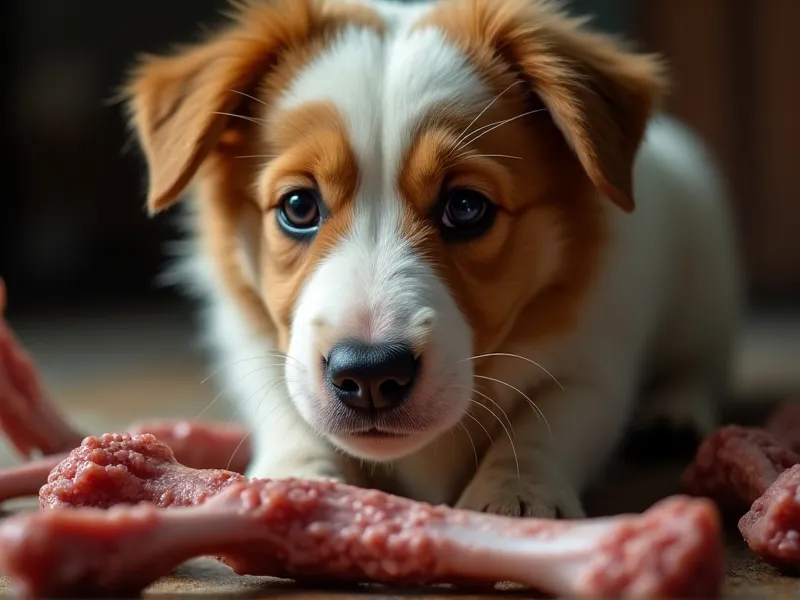
Table of Contents
- Can Dogs Eat Pork Bones? The Short Answer
- The Nutritional Profile of Pork: Meat vs. Bones
- The Risks of Feeding Pork Bones (Ribs) to Dogs
- Guidelines: If (and How) to Feed Pork to Dogs Safely
- Healthier Alternatives to Pork Bones
- FAQ: Your Pork Bone Questions Answered
- Conclusion: Love Your Dog—Skip the Bone
Can Dogs Eat Pork Bones? The Short Answer
No—dogs should not eat pork bones, including ribs.
While plain, cooked pork meat (without bones or seasoning) can be a safe, occasional treat for most dogs, the bones themselves are a serious hazard. This is especially true for cooked pork ribs, which are brittle and prone to splintering. Even raw pork bones carry risks, including bacterial contamination and choking.
If your dog begs for a bite of your rib, opt for a small piece of the meat (no bone, no sauce!) instead. Let’s break down why bones are off-limits—and what makes pork meat a (sometimes) good choice.
The Nutritional Profile of Pork: Meat vs. Bones
Before we talk risks, let’s clarify: the “benefits” of pork for dogs come from the meat, not the bones. Pork is a nutrient-dense protein source, but bones add little value and a lot of danger. Here’s the breakdown:
Pork Meat: Potential Benefits
Unseasoned, cooked pork meat (lean cuts like tenderloin or pork chops) offers several nutrients dogs need:
- Protein: Essential for muscle growth, repair, and immune function. Pork is a complete protein, meaning it contains all 10 amino acids dogs require.
- B Vitamins: Thiamine (B1), niacin (B3), and B12 support energy metabolism, brain health, and red blood cell production.
- Minerals: Pork is rich in zinc (supports skin and coat health), iron (oxygen transport), and potassium (regulates heart and muscle function).
- Healthy Fats: In moderation, the fat in pork (especially from cuts like bacon, though bacon is high in salt) provides energy and helps absorb fat-soluble vitamins.
Pork Bones: No Real Benefits
Bones, on the other hand, offer minimal nutritional value for dogs. While they do contain calcium and phosphorus (important for bones and teeth), these minerals are more safely obtained from balanced dog food or vet-recommended supplements.
Worse, bones lack fiber (despite what some myths claim!) and are high in calories—meaning they’re more likely to cause weight gain than provide nutrition.
The Risks of Feeding Pork Bones (Ribs) to Dogs
Now, let’s get to the critical part: why pork bones (ribs, in particular) are so dangerous for dogs. Even a small bone can lead to life-threatening emergencies. Here are the top risks:
1. Splintering and Internal Injury (Cooked Bones)
Cooking causes bones to dry out and become brittle. When a dog chews on a cooked pork rib bone, it can shatter into sharp, needle-like pieces. These splinters can:
- Tear the mouth, throat, or esophagus on the way down.
- Pierce the stomach or intestines, leading to internal bleeding, infection, or peritonitis (a fatal inflammation of the abdominal lining).
- Block the intestines, requiring emergency surgery to remove.
Rib bones are especially risky because they’re small, thin, and curved—making them more likely to splinter than larger bones (like beef femurs).
2. Choking Hazard
Even if a bone doesn’t splinter, it can get stuck in your dog’s throat. Small rib bones (or chunks of bone) can lodge in the trachea (windpipe) or esophagus, blocking airflow. Signs of choking include pawing at the mouth, gagging, difficulty breathing, or blue gums—this is a medical emergency.
3. Bacterial Contamination
Raw pork bones (and raw meat) may contain harmful bacteria like Salmonella or E. coli. These can make your dog sick (vomiting, diarrhea, fever) and even spread to humans in your household (a risk known as “zoonosis”).
Cooking kills most bacteria, but as we’ve already established, cooked bones are splinter risks. It’s a lose-lose.
4. Seasonings and Additives
Most pork ribs are cooked with sauces, rubs, or marinades that contain ingredients toxic to dogs, including:
- Onion/garlic powder: Can damage red blood cells, leading to anemia.
- Salt: Excess salt causes sodium ion poisoning (symptoms: vomiting, diarrhea, seizures).
- Sugar: Contributes to obesity, dental decay, and even diabetes.
- Alcohol or xylitol: Both are highly toxic (xylitol can cause liver failure in dogs).
Even “mild” seasonings like pepper or paprika can irritate your dog’s stomach.
5. Dental Damage
Hard bones (raw or cooked) can crack or break your dog’s teeth. This is painful and may require expensive dental work (like root canals or extractions).
Guidelines: If (and How) to Feed Pork to Dogs Safely
If you want to share pork with your dog, skip the bones and focus on the meat. Here’s how to do it safely:
1. Choose Lean, Unseasoned Cuts
Stick to plain, cooked pork meat—no bones, no skin, no sauce. Good options include:
- Pork tenderloin (lean, low-fat).
- Pork chops (trimmed of fat).
- Ground pork (cooked thoroughly, no added salt/spices).
Avoid fatty cuts like bacon (high in salt and fat), pork belly, or ribs (even the meat attached to ribs may have bone fragments).
2. Cook Thoroughly
Raw pork can carry bacteria (like Trichinella spiralis, which causes trichinosis) and parasites. Cook pork to an internal temperature of 160°F (71°C) to kill pathogens.
3. Serve in Moderation
Pork should be an occasional treat, not a staple. A general rule: treats (including pork) should make up no more than 10% of your dog’s daily calories. For example:
- A small dog (10–20 lbs): 1–2 bite-sized pieces (about 1 oz).
- A medium dog (30–50 lbs): 2–3 pieces (2–3 oz).
- A large dog (60+ lbs): 3–4 pieces (4–5 oz).
Overfeeding pork can lead to pancreatitis (inflammation of the pancreas) due to its fat content, especially in dogs prone to the condition (like small breeds or overweight dogs).
4. Monitor for Reactions
Some dogs are sensitive to pork. Watch for signs of an upset stomach (vomiting, diarrhea, gas) or allergies (itchy skin, ear infections) after feeding. If you notice these, stop serving pork and consult your vet.
Healthier Alternatives to Pork Bones
If your dog loves to chew, there are plenty of safe, satisfying alternatives to pork ribs. Here are our top picks:
1. Raw, Meaty Bones (Large and Non-Splintering)
If you want to offer a bone, opt for large, raw bones that won’t splinter. Good choices include:
- Beef marrow bones (thick, hollow bones—supervise to prevent choking on marrow).
- Beef knucklebones (dense, tough, and long-lasting).
- Lamb shank bones (large and meaty).
Note: Always supervise your dog with raw bones, and discard them when they become small enough to swallow. Avoid weight-bearing bones (like femurs) for aggressive chewers—they can crack teeth.
2. Dental Chews
Vet-recommended dental chews (like Greenies, Virbac C.E.T., or Merrick Fresh Kisses) clean teeth, freshen breath, and satisfy chewing urges without the risk of bones.
3. Natural Chews
- Bully sticks: Made from dried bull pizzle—high in protein, low in fat, and digestible.
- Deer antlers: Long-lasting, rich in calcium, and less likely to splinter than bones (choose “split” antlers for softer chewing).
- Sweet potato chews: Homemade or store-bought—chewy, high in fiber, and safe for most dogs.
4. Veggie Chews
Crunchy vegetables like carrots, celery, or cucumber make great low-calorie chews. They’re high in fiber and help clean teeth!
FAQ: Your Pork Bone Questions Answered
Q: Can dogs eat raw pork bones?
A: Raw pork bones are less likely to splinter than cooked ones, but they still carry risks: bacterial contamination (Salmonella), choking, intestinal blockage, and dental damage. Most vets recommend avoiding raw bones unless specifically advised otherwise (e.g., for raw-fed dogs under veterinary supervision).
Q: My dog ate a pork rib bone! What should I do?
A: Stay calm, but act quickly. Monitor for signs of distress:
- Gagging, vomiting, diarrhea, or loss of appetite.
- Lethargy, abdominal pain (hunched back), or difficulty defecating.
- Blood in stool or vomit.
If you notice any of these, contact your vet immediately. Even if your dog seems fine, call your vet—some blockages take hours or days to cause symptoms.
Q: Are there any “safe” pork bones for dogs?
A: No. All pork bones (ribs, chops, etc.) are small, thin, and prone to splintering—even raw ones. Stick to larger, non-pork bones (like beef marrow bones) if you want to offer a bone.
Q: Can dogs eat rib meat (without the bone)?
A: Yes! Plain, unseasoned rib meat (trimmed of fat and bone fragments) is safe in moderation. Just avoid any sauce, seasoning, or bone bits.
Q: Is pork better than chicken or beef for dogs?
A: Pork is a good protein source, but it’s not “better” than chicken or beef. The best protein depends on your dog’s needs (e.g., chicken is leaner, beef is higher in iron). Always choose unseasoned, cooked meat and feed in moderation.
Conclusion: Love Your Dog—Skip the Bone
Sharing a meal with your dog is one of life’s simple joys, but when it comes to pork ribs, the risk isn’t worth the reward. Pork bones (cooked or raw) pose serious dangers, from splintering to choking to infection.
Instead, opt for plain, cooked pork meat (in moderation!) if you want to treat your pup. And for chewing fun, choose safer alternatives like dental chews, bully sticks, or raw beef bones (supervised, of course).
As always, every dog is different—if you’re unsure about feeding pork or any new food, consult your vet. They can help you make choices that keep your furry friend happy, healthy, and safe.
Here’s to many more tail-wagging meals—minus the bones!
References
- American Society for the Prevention of Cruelty to Animals (ASPCA). “People Foods to Avoid Feeding Your Pets.” aspca.org
- American Veterinary Medical Association (AVMA). “Raw Food Diets for Pets: What You Need to Know.” avma.org
- PetMD. “Can Dogs Eat Pork?” petmd.com
- Food and Drug Administration (FDA). “Raw Pet Food.” fda.gov