· 7 min read
Can Dogs Eat Popeyes Chicken? The Risks, Benefits, and Safer Alternatives
Picture this: You’re cruising through the Popeyes drive-thru, mouth watering at the thought of that crispy, spicy chicken. In the passenger seat, your dog—let’s call her Bella—paws at your arm, tail thumping a mile a minute. Her big, hopeful eyes seem to say, “Share the love, human!” It’s a scenario many pet parents face: fast food cravings + a begging pup = the inevitable question: Can dogs eat Popeyes chicken?
Before you cave to those puppy eyes, let’s dive into the facts. While chicken itself is a staple in many dogs’ diets, Popeyes’ famous fried chicken comes with a host of hidden dangers. In this post, we’ll break down whether it’s safe, the risks involved, and healthier ways to treat your pup.
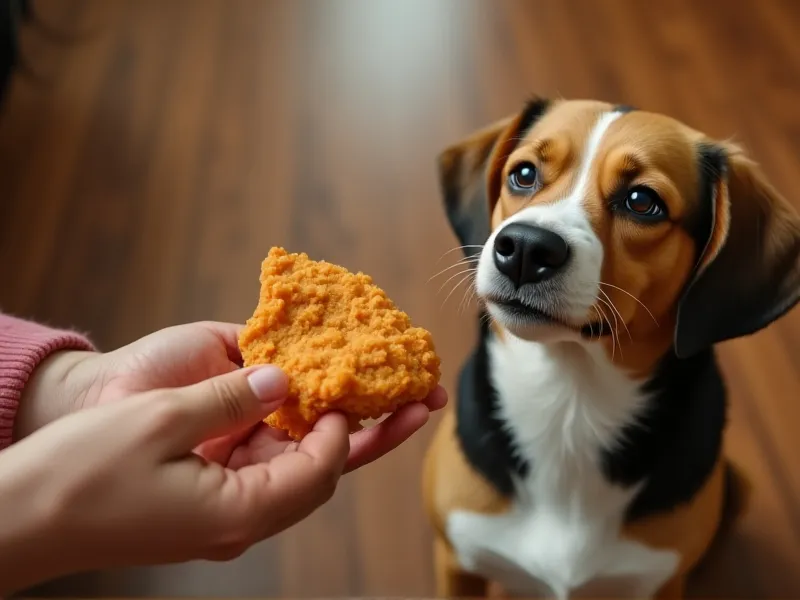
Table of Contents
- Can Dogs Eat Popeyes Chicken? The Short Answer
- Potential “Benefits”—But Let’s Be Real
- The Risks: Why Popeyes Chicken Isn’t Ideal for Dogs
- If You Must Share: Guidelines for Safe Feeding
- Healthier Alternatives to Popeyes Chicken
- FAQ: Common Questions About Dogs and Popeyes Chicken
- Conclusion: Prioritize Your Dog’s Health
Can Dogs Eat Popeyes Chicken? The Short Answer
No, Popeyes chicken is not recommended for dogs. While plain, unseasoned chicken is a healthy protein source for dogs, Popeyes’ version is fried, heavily salted, and loaded with spices, breading, and additives that can harm your pup. Occasional tiny bites (like a crumb) are unlikely to cause severe issues, but regular or larger servings pose significant risks.
Potential “Benefits”—But Let’s Be Real
Chicken itself is a nutritional powerhouse for dogs. It’s packed with:
- Protein: Essential for muscle growth, repair, and overall energy.
- Vitamins and minerals: B vitamins (B6, B12), niacin, and selenium, which support brain function and immune health.
- Low carbs: A good option for dogs on grain-free or low-carb diets.
But here’s the catch: Popeyes chicken is not plain chicken. The frying, breading, and seasoning turn this nutrient-dense food into a processed, unhealthy treat. Any “benefits” of the chicken are overshadowed by the risks of its preparation. Think of it like comparing a grilled chicken breast (good for you) to a deep-fried chicken nugget (not so good)—the difference is night and day for your dog’s body.
The Risks: Why Popeyes Chicken Isn’t Ideal for Dogs
Let’s break down the specific dangers of Popeyes chicken for dogs:
1. High Fat Content: A Recipe for Pancreatitis
Popeyes chicken is fried in oil, making it extremely high in fat. A single spicy drumstick, for example, contains around 15 grams of fat—more than some small dogs should eat in a day.
Dogs have sensitive pancreases, and a sudden influx of fat can trigger pancreatitis, a painful and potentially life-threatening condition where the pancreas becomes inflamed. Symptoms include vomiting, diarrhea, lethargy, and loss of appetite. Severe cases require hospitalization.
Source: The American College of Veterinary Internal Medicine (ACVIM) notes that high-fat diets are a leading cause of pancreatitis in dogs.
2. Excess Salt: Sodium Ion Poisoning
Popeyes chicken is loaded with salt. A single piece of their original chicken has about 400–500 mg of sodium—more than half the daily recommended limit for a 30-pound dog (which is roughly 800 mg/day). Larger dogs can tolerate slightly more, but even a medium dog (50 lbs) should only have ~1,000 mg/day.
Too much salt causes sodium ion poisoning, leading to symptoms like excessive thirst, urination, vomiting, diarrhea, tremors, seizures, and even death in severe cases.
Source: The ASPCA warns that excessive sodium intake can be toxic to pets, especially small breeds.
3. Toxic Spices and Additives
Popeyes’ seasoning blends often include ingredients like onion powder and garlic powder—both toxic to dogs. These ingredients contain thiosulfate, which damages red blood cells and causes anemia. Even small amounts can lead to weakness, pale gums, and labored breathing.
Other additives, like MSG or artificial flavorings, may irritate your dog’s digestive system, leading to stomach upset.
4. Breading: Empty Calories and Digestive Upset
The crispy breading on Popeyes chicken is made with flour, salt, sugar, and sometimes additives. For dogs, this is nothing but empty calories. The sugar can disrupt their gut microbiome, and the flour may cause bloating or diarrhea, especially in dogs with grain sensitivities.
5. Choking Hazards: Bones and Sharp Breading
Even if you “remove the bones,” small bone fragments can hide in the meat. Cooked bones are brittle and can splinter, causing choking, punctures in the throat or intestines, or blockages.
The crispy breading is also a choking risk, especially for small dogs. Sharp pieces can get stuck in their throats or scratch their digestive tracts.
6. Stomach Upset: Vomiting and Diarrhea
The combination of fat, salt, and spices is a triple threat to your dog’s stomach. Many dogs will experience vomiting, diarrhea, or gas within hours of eating Popeyes chicken. For puppies, senior dogs, or those with sensitive stomachs, this can lead to dehydration.
If You Must Share: Guidelines for Safe Feeding
We get it—those puppy eyes are hard to resist. If you absolutely must share a tiny bite of Popeyes chicken with your dog, follow these strict rules to minimize risk:
- Remove everything: Skin, breading, bones, and seasoning. Only share a small piece of the plain, unseasoned chicken meat (no spices, no oil).
- Size matters: A bite should be no larger than the tip of your thumb for small dogs, or a dime-sized piece for medium/large dogs.
- No repeats: This should be a one-time (and very rare) treat, not a regular occurrence.
- Watch for reactions: Monitor your dog for 24 hours afterward. If they show signs of vomiting, diarrhea, or lethargy, contact your vet immediately.
Healthier Alternatives to Popeyes Chicken
Instead of risking Popeyes, try these dog-safe treats that are just as tasty (to them!) and way better for their health:
1. Plain Cooked Chicken
Boil or grill a boneless, skinless chicken breast with no salt, spices, or oil. Chop it into small pieces for a high-protein treat.
2. Lean Meats
Turkey, beef, or pork (all cooked, unseasoned, and trimmed of fat) are great alternatives.
3. Dog-Safe Veggies
Carrots, green beans, or sweet potatoes (cooked) make crunchy, low-calorie treats.
4. Commercial Dog Treats
Opt for high-quality dog treats made with real ingredients (look for brands like Blue Buffalo or Wellness).
FAQ: Common Questions About Dogs and Popeyes Chicken
Q: My dog stole a piece of Popeyes chicken—what should I do?
A: Stay calm. Remove any remaining chicken, check for bones, and monitor your dog for 24 hours. If they vomit, have diarrhea, or seem lethargic, call your vet. For small dogs or large amounts, contact your vet immediately.
Q: Is Popeyes mashed potatoes safe for dogs?
A: No. Mashed potatoes often contain butter, milk (many dogs are lactose intolerant), salt, and garlic/onion powder—all harmful to dogs.
Q: Can dogs eat Popeyes biscuits?
A: Absolutely not. Biscuits are high in salt, sugar, and unhealthy fats. They offer no nutritional value and can cause stomach upset or obesity.
Q: What if I remove the skin and breading—can my dog eat the chicken then?
A: It’s better, but still not ideal. The meat may still have residual salt, spices, or oil. Stick to plain, home-cooked chicken instead.
Conclusion: Prioritize Your Dog’s Health
While sharing a bite of Popeyes chicken with your dog might seem harmless, the risks far outweigh any temporary joy. From pancreatitis to sodium poisoning, the fried, seasoned, and salt-laden chicken can lead to serious health issues.
Instead, opt for plain, cooked chicken or dog-safe veggies as treats. And when in doubt, always consult your vet—they know your dog’s unique needs best.
Your pup loves you unconditionally, and they’ll be just as happy with a belly rub and a healthy snack as they would with a greasy chicken bite. Here’s to keeping those tails wagging and tummies happy!
References:
- American College of Veterinary Internal Medicine (ACVIM). “Pancreatitis in Dogs.”
- American Society for the Prevention of Cruelty to Animals (ASPCA). “Toxic and Non-Toxic Plants and Foods.”
- PetMD. “Sodium Poisoning in Dogs.”