· 8 min read
Can Dogs Eat Jalapenos? Spicy Truths Every Pet Parent Needs to Know
It’s taco night, and you’re savoring a zesty jalapeno slice when your furry sidekick trots over, tail wagging, nose twitching. Those big, pleading eyes seem to say, “Share the crunch!” But before you cave, you pause: Is this spicy snack safe for my dog? Jalapenos are a staple in many human diets, but when it comes to our four-legged friends, the rules change. In this guide, we’ll cut through the confusion to answer the burning question: Can dogs eat jalapenos? We’ll explore potential benefits (if any), hidden risks, safe serving guidelines, and healthier alternatives to keep your pup happy and healthy. Let’s dive in!
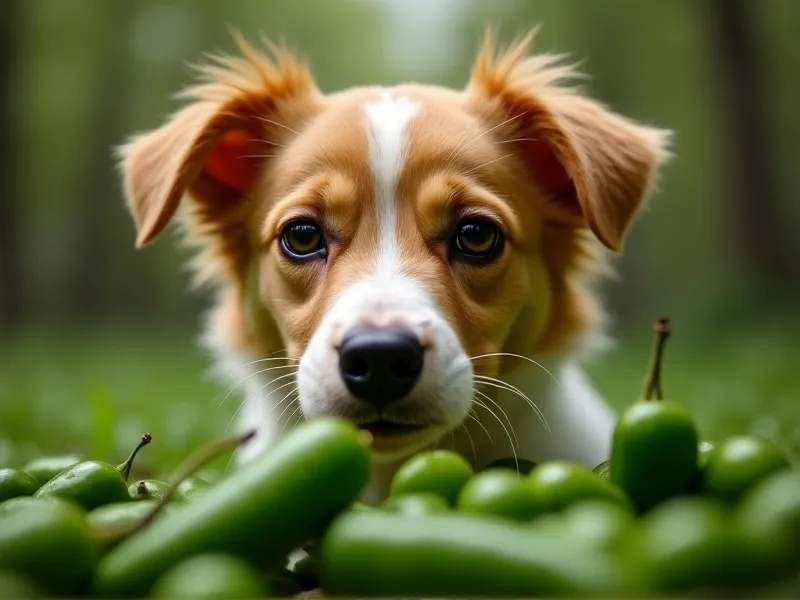
Table of Contents
- The Short Answer: Should Dogs Eat Jalapenos?
- What’s in a Jalapeno, Anyway?
- Potential “Benefits” of Jalapenos for Dogs: Are They Worth It?
- The Risks of Feeding Jalapenos to Dogs: Why Spicy Snacks Spell Trouble
- How Much Jalapeno Is “Safe” for Dogs? Spoiler: Probably None
- Healthier Alternatives to Jalapenos: Safe, Tasty Treats Your Dog Will Love
- FAQ: What to Do If Your Dog Ate a Jalapeno (and Other Common Questions)
- Conclusion: Prioritize Your Pup’s Comfort Over Curiosity
- References
The Short Answer: Should Dogs Eat Jalapenos?
No, dogs should not eat jalapenos. While jalapenos aren’t technically toxic to dogs, they’re far from a safe or healthy snack. The active compound in jalapenos—capsaicin—is what gives them their spicy kick, and it can cause significant discomfort (and even health issues) for our canine companions. From burning mouths to upset tummies, the risks of feeding jalapenos to dogs far outweigh any minor nutritional benefits. Let’s break down why.
What’s in a Jalapeno, Anyway?
To understand why jalapenos are problematic for dogs, let’s start with their composition. A typical jalapeno pepper contains:
- Capsaicin: The star of the show (or the villain, in this case). Capsaicin is the chemical that triggers the “spicy” sensation in humans. Dogs have far more sensitive taste buds and digestive systems than we do, so capsaicin hits them harder.
- Fiber: Jalapenos contain small amounts of dietary fiber, which aids digestion in humans. But dogs already get fiber from their regular dog food, so this isn’t a unique benefit.
- Vitamins and minerals: They’re rich in vitamin C, vitamin A, potassium, and antioxidants. Again, these nutrients are already present in balanced dog diets—no need to rely on spicy peppers.
- Seeds and membranes: These tough, fibrous parts can pose a choking hazard or cause intestinal blockages, especially in small dogs.
Potential “Benefits” of Jalapenos for Dogs: Are They Worth It?
At first glance, jalapenos might seem like a nutrient-dense snack. After all, they’re packed with vitamins! But let’s put this in perspective:
The “Benefits” (in Theory):
- Vitamin C: Supports immune health. But dogs produce their own vitamin C, so they don’t need extra from food.
- Vitamin A: Important for vision and skin health. Most dog foods are fortified with vitamin A, so jalapenos aren’t necessary.
- Fiber: Aids digestion. However, the amount of fiber in a single jalapeno is minimal—your dog would need to eat multiple peppers to see any benefit, which would cause far more harm than good.
- Potassium: Regulates heart function and muscle health. Again, dog food already contains potassium (from ingredients like sweet potatoes or chicken), so jalapenos add nothing new.
The Verdict on Benefits:
The nutritional upside of jalapenos for dogs is negligible. The amount of vitamins or fiber in a jalapeno is so small that your dog would need to consume an unsafe quantity to reap any benefits. And by then, the capsaicin and physical risks would have already caused problems.
The Risks of Feeding Jalapenos to Dogs: Why Spicy Snacks Spell Trouble
Now, let’s get to the real concern: the risks. Jalapenos can cause a range of issues for dogs, from mild discomfort to serious health problems. Here’s what you need to watch for:
1. Capsaicin Irritation
Capsaicin is the biggest culprit. When dogs eat jalapenos, capsaicin binds to receptors in their mouths, throats, and digestive tracts, causing:
- Burning sensation: Your dog may paw at their mouth, drool excessively, or whine in pain.
- Stomach upset: Nausea, vomiting, diarrhea, or abdominal pain. In severe cases, this can lead to dehydration.
- Respiratory issues: If capsaicin irritates the nose or lungs, dogs may cough, sneeze, or have trouble breathing.
2. Choking and Blockages
Jalapeno seeds and membranes are tough and indigestible. For small dogs, puppies, or dogs who gulp their food, these can get stuck in the throat (choking) or intestines (blockage). Intestinal blockages are life-threatening and often require surgery.
3. Added Ingredients (If Pickled or Seasoned)
Most jalapenos we eat aren’t fresh—they’re pickled, stuffed, or seasoned. These versions are even more dangerous:
- Salt: Pickled jalapenos are high in sodium, which can cause salt toxicity (symptoms: vomiting, diarrhea, seizures, even death in severe cases).
- Vinegar: Irritates the stomach and can worsen nausea.
- Garlic or onion: Some recipes add garlic or onion, which are toxic to dogs (they damage red blood cells).
4. Individual Sensitivity
Just like humans, dogs have different tolerances. A tiny sliver of jalapeno might barely faze one dog but send another into a vomiting fit. Brachycephalic breeds (like Bulldogs or Pugs) or dogs with sensitive stomachs are especially at risk.
How Much Jalapeno Is “Safe” for Dogs? Spoiler: Probably None
If you’re thinking, “What if I just give my dog a tiny bite?”—don’t. Even a small piece of jalapeno can cause discomfort. Here’s why:
- No “safe” serving size: There’s no official guideline for how much jalapeno is safe, because even a sliver can trigger capsaicin irritation.
- Dogs can’t tell us they’re in pain: They can’t say, “This burns!”—they’ll just show signs like drooling, vomiting, or restlessness.
- It’s not worth the risk: The “reward” (a moment of sharing a snack) isn’t worth the potential for hours of suffering (or a vet bill).
Bottom line: The safest amount of jalapeno for dogs is zero.
Healthier Alternatives to Jalapenos: Safe, Tasty Treats Your Dog Will Love
Instead of jalapenos, try these dog-friendly snacks that are actually good for them:
1. Bell Peppers (Sweet Peppers)
Bell peppers are jalapenos’ mild cousins—no capsaicin, no heat! They’re crunchy, low in calories, and packed with vitamins A and C. Slice them into strips for a refreshing snack.
2. Carrots
Crunchy, sweet, and full of fiber and vitamin A. Carrots are great for dental health (they scrape plaque off teeth!) and are safe for all dogs.
3. Green Beans
Low in calories, high in fiber, and a good source of vitamins K and C. Steamed or raw, green beans make a satisfying treat.
4. Apples (Without Seeds)
Apples are rich in fiber and antioxidants. Just remove the seeds (they contain small amounts of cyanide) and core, then slice into wedges.
5. Blueberries
Tiny, tasty, and loaded with antioxidants. Blueberries are a perfect training treat or frozen snack for hot days.
These alternatives are not only safe—they’re nutritious and most dogs go crazy for them!
FAQ: What to Do If Your Dog Ate a Jalapeno (and Other Common Questions)
Q: My dog stole a jalapeno off the counter! What should I do?
A: Stay calm. First, check how much they ate (a whole pepper? Just a bite?). Then:
- Monitor for symptoms: Excessive drooling, vomiting, diarrhea, pawing at the mouth, or restlessness.
- Offer water: Let them drink small sips to soothe their mouth and throat (don’t force water, as it may trigger vomiting).
- Call your vet if: Symptoms last more than a few hours, or if your dog is lethargic, has bloody diarrhea, or can’t keep water down.
Q: Are all peppers bad for dogs?
A: No! Bell peppers (red, green, yellow, orange) are safe and healthy. Avoid spicy peppers like jalapenos, habaneros, or cayenne.
Q: Can dogs eat spicy food in general?
A: No. All spicy foods contain capsaicin, which irritates dogs’ digestive systems. This includes chili, hot sauce, curry, or spicy chips.
Q: What if my dog likes spicy food?
A: Some dogs may seem to “enjoy” spicy snacks, but that doesn’t mean it’s safe. They might be attracted to the smell or texture, not the heat. Even if they act fine, capsaicin is still damaging their insides over time.
Q: Are pickled jalapenos worse than fresh ones?
A: Yes! Pickled jalapenos have added salt, vinegar, and sometimes garlic/onion—all of which are harmful to dogs. Fresh jalapenos are “less bad,” but still not safe.
Conclusion: Prioritize Your Pup’s Comfort Over Curiosity
At the end of the day, sharing a jalapeno with your dog might seem harmless, but it’s a risk not worth taking. Capsaicin irritation, choking hazards, and unnecessary discomfort are all avoidable by skipping the spicy peppers. Instead, opt for safe, nutritious treats like bell peppers, carrots, or blueberries—your dog will thank you (with tail wags, not tummy aches).
Remember: When in doubt about a human food, always check with your vet. They know your dog’s individual health needs and can guide you toward the best snacks.
Here’s to happy, healthy pups—and taco nights where you enjoy the jalapenos, and your dog enjoys a safe, tasty alternative!
References
- American Society for the Prevention of Cruelty to Animals (ASPCA). “People Foods to Avoid Feeding Your Pets.” aspca.org/pet-care/animal-poison-control/people-foods-avoid-feeding-your-pets
- PetMD. “Can Dogs Eat Peppers?” petmd.com/dog/nutrition/can-dogs-eat-peppers
- VCA Animal Hospitals. “Gastroenteritis in Dogs.” vcahospitals.com/know-your-pet/gastroenteritis-in-dogs
- American Kennel Club (AKC). “Can Dogs Eat Bell Peppers?” akc.org/expert-advice/nutrition/can-dogs-eat-bell-peppers