· 8 min read
Can Dogs Eat Ice? A Pet Parent’s Guide to Cooling Treats (Risks, Benefits & Alternatives)
It’s a scorching July afternoon. You’re sprawled on the couch, sipping a tall glass of iced water, when you feel a wet nose nudge your hand. Looking down, you meet your dog’s pleading eyes—ears perked, tail thumping, tongue lolling as they eye the ice cubes clinking in your cup. “Can I have some?” they seem to ask. If you’ve ever wondered whether ice is safe for dogs, you’re in good company.
Dogs and ice: it’s a common summer scenario, but one that sparks plenty of questions. Is that frozen cube a harmless way to cool your pup down, or could it pose hidden risks? The answer, like many things in pet care, is “it depends.”
In this guide, we’ll break down everything you need to know about dogs and ice: from the benefits of a chilly treat to the risks of overdoing it, plus safer, nutrient-packed alternatives to keep your furry friend cool and happy. Let’s dive in!
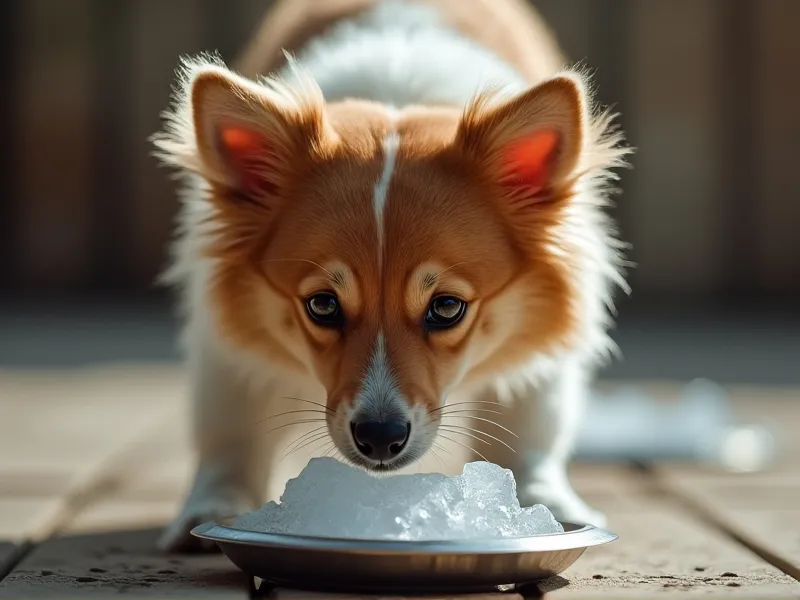
Table of Contents
- Can Dogs Eat Ice? The Short Answer
- Benefits of Ice for Dogs: More Than Just Cool
- Risks to Watch Out For: When Ice Might Be a Problem
- How Much Ice Is Safe? Guidelines by Size & Breed
- Healthier Alternatives to Plain Ice
- FAQ: Your Top Ice-Related Questions Answered
- Conclusion: Cool, Safe, and Happy
Can Dogs Eat Ice? The Short Answer
Yes, most healthy dogs can safely eat small amounts of plain ice. Ice itself is just frozen water, so it’s non-toxic and won’t harm your pup in moderation. In fact, it can be a refreshing way to help them cool down on hot days or stay hydrated.
But there’s a catch: how you serve ice, what’s in it, and how much your dog eats matters. Ice from sugary drinks (like soda or lemonade), large cubes that pose a choking risk, or excessive amounts can lead to problems. And some dogs—like those with sensitive stomachs or dental issues—might need to skip the ice altogether.
Benefits of Ice for Dogs: More Than Just Cool
Plain ice isn’t just a “cool” trick—it can offer real benefits for your dog, especially when served mindfully. Let’s break down the perks:
1. Hydration Helper
Dogs need water to thrive, but some pups are picky drinkers. Ice can entice them to consume more moisture, especially if they’re reluctant to drink plain water. Chewing ice also stimulates saliva production, which adds a little extra hydration. This is especially helpful on hot days or after exercise, when their thirst is high.
2. Natural Coolant
Dogs regulate body temperature by panting, but on sweltering days, that might not be enough. Ice helps lower their core temperature from the inside out. Think of it as a “doggy popsicle” to beat the heat—perfect for brachycephalic breeds (like pugs or bulldogs) who struggle with overheating, or active dogs who love to play in the sun.
3. Low-Calorie Treat Option
If your dog is watching their weight, ice is a guilt-free snack. Unlike high-calorie treats (looking at you, biscuits!), plain ice has zero calories, sugar, or fat. It’s a great way to reward them without derailing their diet.
4. Nutrient Boost (With Safe Add-Ins!)
Plain ice is mostly water, but you can level it up by adding dog-safe fruits or veggies. Freezing ingredients like banana slices, blueberries, or watermelon in ice cubes turns a simple treat into a nutrient-rich snack. For example:
- Bananas add potassium (supports heart health) and fiber (aids digestion).
- Watermelon (seedless!) is 92% water (hydration + fiber) and packed with vitamins A and C.
- Blueberries offer antioxidants to support immune health.
Just skip the sugar, artificial flavors, or toxic fruits (like grapes, raisins, or cherries—more on that later!).
Risks to Watch Out For: When Ice Might Be a Problem
Ice isn’t all sunshine and frozen rainbows. Here are the risks to keep in mind before serving:
1. Sugar and Artificial Additives
Problem: Ice from sugary drinks (soda, lemonade, iced coffee) or flavored ice pops is a no-go. Sugar can lead to obesity, dental decay, or even diabetes in dogs. Artificial sweeteners like xylitol (found in some “sugar-free” treats) are extremely toxic and can cause seizures or liver failure.
Fix: Stick to plain ice made with filtered water. If you want flavor, add safe fruits/veggies instead of sugary syrups.
2. Stomach Upset
Problem: Too much cold food can shock your dog’s digestive system, leading to vomiting, diarrhea, or stomach cramps—especially if they eat a bunch of ice at once. Dogs with sensitive stomachs (like those with IBS or food allergies) are extra prone to this.
Fix: Serve small amounts at a time. If your dog starts retching or has loose stools after ice, hold off and offer room-temperature water instead.
3. Choking Hazard
Problem: Large ice cubes are a choking risk, especially for small dogs or brachycephalic breeds (who have shorter airways). Even medium or large dogs might gulp down a cube that gets stuck in their throat.
Fix: Crush ice into small flakes or use a silicone mold to make tiny “ice bites.” For small dogs, opt for crushed ice or melt the cubes slightly to soften them.
4. Dental Concerns (Rare, but Possible)
Problem: Hard ice cubes might crack weak teeth or damage existing dental work (like crowns). This is more common in dogs who aggressively chew ice, but it’s rare for healthy pups.
Fix: If your dog has dental issues (e.g., broken teeth, gingivitis), skip hard ice. Crushed ice or frozen fruit (softer than ice) is a safer alternative.
How Much Ice Is Safe? Guidelines by Size & Breed
“Moderation” is the golden rule here. The amount of ice your dog can handle depends on their size, age, and health. Here’s a quick guide:
Small Dogs (Under 20 lbs: Chihuahuas, Yorkies, Pugs)
- Serving: 1–2 crushed ice flakes or 1 tiny cube (about ½ inch) per session.
- Frequency: 1–2 times per day on hot days, max.
- Why: Smaller throats mean higher choking risk. Crushed ice is easier to swallow and less likely to cause stomach upset.
Medium Dogs (20–50 lbs: Beagles, Corgis, Bulldogs)
- Serving: 2–3 small cubes (1 inch or less) or ¼ cup crushed ice.
- Frequency: 2–3 times per day on hot days, or after exercise.
Large Dogs (50+ lbs: Labs, German Shepherds, Great Danes)
- Serving: 3–4 regular cubes (1–1.5 inches) or ½ cup crushed ice.
- Frequency: Up to 3–4 times per day, but watch for stomach sensitivity.
When to Skip Ice Altogether
Avoid ice if your dog:
- Has a history of stomach issues (vomiting, diarrhea).
- Is a puppy under 12 weeks (their digestive systems are still developing).
- Has dental problems (broken teeth, recent dental surgery).
- Is elderly or has mobility issues (choking risk is higher).
Healthier Alternatives to Plain Ice
Plain ice is fine, but why not make it more exciting (and nutritious)? These alternatives are safer, tastier, and packed with benefits:
1. Frozen Fruit Cubes
What to use: Blueberries, seedless watermelon, banana slices, or apple chunks (no seeds/core).
How to make: Blend or chop the fruit, mix with a little water, and freeze in silicone molds.
Why it’s great: Adds fiber, vitamins, and natural sweetness without sugar. Blueberries, for example, are loaded with antioxidants!
2. Veggie Ice Bites
What to use: Carrots, green beans, or cucumber (all low-calorie and safe for dogs).
How to make: Shred or dice veggies, mix with water, and freeze in small molds.
Why it’s great: Crunchy texture helps clean teeth, and veggies add fiber to support digestion.
3. Yogurt Ice Cubes (No Xylitol!)
What to use: Plain, unsweetened Greek yogurt (check for xylitol—never use yogurt with this sweetener!).
How to make: Spoon yogurt into molds and freeze. Add a dash of cinnamon (safe for dogs!) for flavor.
Why it’s great: Protein-rich and probiotic-packed to support gut health.
4. Bone Broth Ice Cubes
What to use: Low-sodium bone broth (homemade or store-bought, no onions/garlic).
How to make: Pour broth into molds and freeze.
Why it’s great: Tasty, hydrating, and rich in collagen (supports joint health). Perfect for picky eaters!
FAQ: Your Top Ice-Related Questions Answered
Q: Can puppies eat ice?
A: Puppies under 12 weeks have sensitive stomachs, so it’s best to avoid ice. Once they’re older (12+ weeks), small amounts of crushed ice are usually safe, but monitor for stomach upset.
Q: Is ice bad for dogs’ teeth?
A: Healthy teeth can handle small ice cubes, but dogs with dental issues (cracked teeth, gingivitis) should skip hard ice. Crushed ice or frozen fruit is gentler.
Q: Can dogs eat ice cream instead of ice?
A: Ice cream is high in sugar and lactose (many dogs are lactose intolerant), leading to upset tummies. Stick to frozen yogurt (no xylitol) or fruit-based treats instead.
Q: My dog ate a whole bowl of ice—should I worry?
A: Probably not, but watch for vomiting or diarrhea. Offer room-temperature water and withhold food for a few hours if they seem uncomfortable. If symptoms persist, call your vet.
Q: Are there dogs who should never eat ice?
A: Yes: dogs with kidney disease (excess water can strain kidneys), those with throat/airway issues (risk of choking), or dogs recovering from surgery (cold can slow healing).
Conclusion: Cool, Safe, and Happy
Ice can be a fun, hydrating treat for dogs—when served right. Stick to plain, crushed ice in small amounts, avoid sugary add-ins, and skip it if your pup has health issues. For extra nutrition, try frozen fruits, veggies, or yogurt cubes instead.
As always, every dog is different! If you’re unsure whether ice is safe for your specific pup, check with your vet. With a little common sense, you and your furry friend can enjoy cool, happy summers together.
Stay frosty, and keep those tails wagging!
References
- American Society for the Prevention of Cruelty to Animals (ASPCA). “People Foods to Avoid Feeding Your Pets.” aspca.org
- American Kennel Club (AKC). “Summer Safety Tips for Dogs.” akc.org
- VCA Hospitals. “Gastroenteritis in Dogs.” vcahospitals.com
- PetMD. “Hydration for Dogs: Signs of Dehydration & How to Prevent It.” petmd.com