· 7 min read
Can Dogs Eat Hummus Dip? A Pet Parent’s Guide to Risks, Benefits, and Safer Snacks
You’re munching on a crunchy veggie platter, hummus dip in hand, when your dog trots over—tail wagging, nose twitching, those big, begging eyes locked on your snack. It’s a common scene: our furry friends are curious about everything we eat, and hummus, with its creamy texture and earthy aroma, is no exception. But as a responsible pet parent, you pause: Is hummus safe for dogs?
Hummus has skyrocketed in popularity as a healthy human snack, packed with chickpeas, tahini, and olive oil. But dogs have different nutritional needs, and some “human foods” can be harmful. In this guide, we’ll break down whether hummus is a safe treat, its potential benefits (yes, there are a few!), the very real risks, and what to do if your dog sneaks a bite. Let’s dig in.
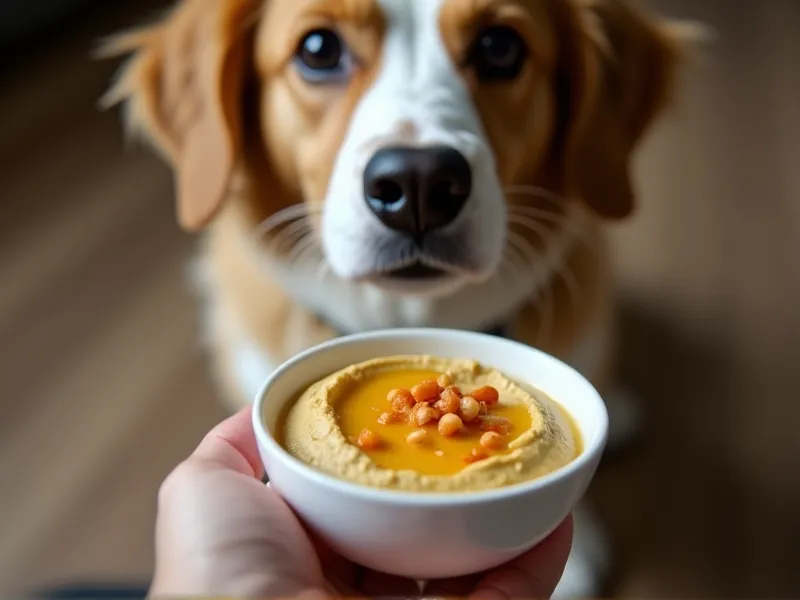
Table of Contents
- Can Dogs Eat Hummus? The Short Answer
- What Is Hummus, Anyway?
- Potential Benefits of Hummus for Dogs (The “Maybe” List)
- Risks of Feeding Hummus to Dogs (The “Proceed With Caution” List)
- How Much Hummus Can Dogs Safely Eat? (If Any)
- Healthier Alternatives to Hummus for Dogs
- FAQ: Your Hummus-and-Dog Questions Answered
- Conclusion: Prioritize Safety Over Snacks
- References
Can Dogs Eat Hummus? The Short Answer
No, hummus is not recommended for dogs—even in small amounts. While some ingredients (like plain chickpeas) are technically safe, most hummus recipes include garlic, a toxic ingredient for dogs. Additionally, added salt, sugar, and high-fat components (like tahini or olive oil) pose health risks. If your dog accidentally licks a tiny bit of plain, garlic-free hummus, they’ll likely be fine—but intentional feeding is best avoided.
What Is Hummus, Anyway?
To understand why hummus is risky, let’s start with its ingredients. Traditional hummus is a Middle Eastern dip made by blending:
- Chickpeas (the star: high in fiber and protein)
- Tahini (ground sesame paste: rich in healthy fats and calcium)
- Olive oil (monounsaturated fats)
- Lemon juice (vitamin C)
- Garlic (flavor booster… and dog toxin)
- Spices (e.g., paprika, cumin, salt)
But store-bought or flavored hummus can include extras: sugar, preservatives, herbs, roasted red peppers, or even “fun” flavors like chocolate (rare, but not unheard of). These additives only increase the risks for dogs.
Potential Benefits of Hummus for Dogs (The “Maybe” List)
At first glance, hummus sounds nutrient-dense—and it is… for humans. Let’s unpack the “potential” benefits for dogs, keeping in mind these nutrients are better obtained through dog-safe foods:
1. Chickpeas: Fiber, Protein, and More
Chickpeas (the main ingredient) are loaded with:
- Fiber: Aids digestion and helps regulate blood sugar.
- Plant-based protein: Supports muscle health (though dogs need animal protein as their primary source).
- Vitamins/minerals: B vitamins (energy), vitamin C (immune support), potassium (heart health), and iron (red blood cell function).
But: Dogs don’t need chickpeas to thrive. Their balanced dog food already has the fiber and protein they require.
2. Tahini: Healthy Fats and Calcium
Tahini (sesame paste) offers:
- Healthy fats: Monounsaturated and polyunsaturated fats for coat/skin health.
- Calcium: Supports bone health.
But: Too much tahini (high in fat) can trigger pancreatitis in dogs, a painful and life-threatening condition.
3. Olive Oil: Heart-Healthy Fats
Olive oil is rich in oleic acid, a monounsaturated fat linked to heart health in humans. In small amounts, it may help dogs with dry skin.
But: Again, dogs get healthy fats from their regular diet (e.g., salmon oil). Excess oil leads to weight gain.
Risks of Feeding Hummus to Dogs (The “Proceed With Caution” List)
The risks of hummus far outweigh its benefits for dogs. Here’s why:
1. Garlic: The Big Red Flag
Garlic (and onions, leeks, chives) belongs to the Allium family, which is toxic to dogs. Even small amounts can damage red blood cells, leading to anemia (symptoms: weakness, pale gums, vomiting, lethargy). There is no “safe” amount of garlic for dogs—and most hummus recipes include it.
Fun fact: Garlic is often hidden in “roasted red pepper” or “herb” hummus, so always check labels!
2. Salt: A Hidden Danger
Commercial hummus is often high in salt (sodium) to enhance flavor. Dogs need only tiny amounts of sodium (about 100mg/day for a 33lb dog). Too much causes:
- Thirst, excessive urination
- Vomiting, diarrhea
- Seizures or even death (in severe cases, called “sodium ion poisoning”).
3. Added Sugars: Empty Calories
Some flavored hummus (e.g., “honey” or “sweet red pepper”) includes added sugar. Dogs have no nutritional need for sugar, and excess leads to:
- Obesity
- Dental decay
- Diabetes (long-term).
4. High Fat: Pancreatitis Risk
Tahini and olive oil make hummus high in fat. Dogs’ pancreases struggle to digest large amounts of fat, which can cause pancreatitis (inflammation of the pancreas). Symptoms include severe abdominal pain, vomiting, and loss of appetite—requiring emergency vet care.
5. Choking Hazard
Chunky hummus (with whole chickpeas or veggies) can pose a choking risk, especially for small dogs or those who gulp food.
6. Spices and Additives
Spices like paprika, cumin, or chili powder may irritate your dog’s stomach, causing gas or diarrhea. Store-bought hummus may also contain preservatives (e.g., sodium benzoate) or artificial flavors, which are unnecessary and potentially harmful.
How Much Hummus Can Dogs Safely Eat? (If Any)
If you’re still tempted to share a bite (we get it—those puppy eyes!), here’s the bottom line:
- If hummus contains garlic, salt, sugar, or spices: NEVER feed it.
- If it’s plain (no garlic, salt, sugar, spices): Maybe a tiny spoonful (teaspoon for small dogs, tablespoon for large dogs) as a one-time treat.
But even plain hummus isn’t ideal. Dogs don’t need the extra fat or fiber from hummus, and there are safer ways to give them chickpeas (more on that below).
Healthier Alternatives to Hummus for Dogs
Instead of hummus, treat your pup to these dog-safe snacks that offer similar benefits without the risks:
1. Plain Cooked Chickpeas
Skip the hummus and feed your dog mashed, unsalted, cooked chickpeas (no garlic or oil). A tablespoon (adjusted for size) provides fiber and protein without additives.
2. Plain Greek Yogurt
Rich in protein and probiotics (good for digestion), plain Greek yogurt (no sugar, xylitol, or flavorings) is a hit with most dogs.
3. Pumpkin Puree (Unsweetened)
High in fiber and beta-carotene, pumpkin helps with digestion and is low in calories. Freeze it in ice cube trays for a cool treat!
4. Cooked Sweet Potato
Mashed or cubed, sweet potato is packed with vitamins A and C, fiber, and potassium—great for energy and coat health.
5. Green Beans (Steamed or Raw)
Crunchy and low-calorie, green beans are a favorite for dogs watching their weight. They’re high in fiber and vitamins K and C.
FAQ: Your Hummus-and-Dog Questions Answered
Q: My dog ate a spoonful of hummus with garlic—what should I do?
A: Call your vet immediately. Garlic toxicity can take 24–72 hours to show symptoms, but early treatment (e.g., inducing vomiting, activated charcoal) is critical.
Q: Is homemade hummus safer than store-bought?
A: Only if you skip garlic, salt, sugar, and spices. But even then, it’s still high in fat (tahini/olive oil), so not recommended.
Q: Can puppies eat hummus?
A: No. Puppies have sensitive digestive systems and are more vulnerable to toxins like garlic. Stick to puppy-formulated treats.
Q: My dog loves chickpeas—can I give them straight from the can?
A: No—canned chickpeas are often high in salt. Rinse and cook dried chickpeas (no salt) instead.
Q: Is hummus good for dogs with allergies?
A: Unlikely. Chickpeas are a legume, and some dogs are allergic to legumes (symptoms: itching, ear infections). Always consult your vet before trying new foods for allergic pups.
Conclusion: Prioritize Safety Over Snacks
Hummus is a delicious, nutrient-dense snack for humans, but it’s not worth the risk for dogs. Garlic, salt, and high fat content make most hummus recipes unsafe, and even “plain” versions offer little benefit compared to dog-safe alternatives.
When in doubt, stick to your dog’s balanced commercial diet—formulated to meet their unique nutritional needs. And if you want to share a treat, opt for cooked chickpeas, pumpkin, or green beans instead.
As always, consult your vet before introducing new foods to your dog’s diet. They know your pup’s health history and can guide you toward safe, healthy snacks.
Here’s to happy, healthy snacking—for both you and your fur baby!
References
- American Society for the Prevention of Cruelty to Animals (ASPCA). Toxic and Non-Toxic Plants: Garlic. aspca.org/pet-care/animal-poison-control/toxic-and-non-toxic-plants/garlic
- American Kennel Club (AKC). Can Dogs Eat Chickpeas? akc.org/expert-advice/nutrition/can-dogs-eat-chickpeas/
- Pet Poison Helpline. Allium Toxicity in Dogs and Cats. petpoisonhelpline.com/poison/onion-garlic-chive/
- Cummings School of Veterinary Medicine at Tufts University. Pancreatitis in Dogs. tuftscvm.org/news-and-events/ask-the-expert/pancreatitis-in-dogs
- FDA. Foods Toxic to Dogs. fda.gov/animal-veterinary/animal-health-literacy/foods-poisonous-dogs