· 8 min read
Can Dogs Eat Human Biscuits? What Pet Parents Need to Know
It’s a familiar scene: You’re curled up on the couch, munching on a crispy biscuit, when your dog trots over, nose twitching, eyes locked on your snack. Their tail thumps the floor, and that “please, just one bite” expression is impossible to resist. But before you hand over a crumb, you pause—can dogs eat human biscuits? Are these treats harmless, or could they be hiding risks for your furry friend?
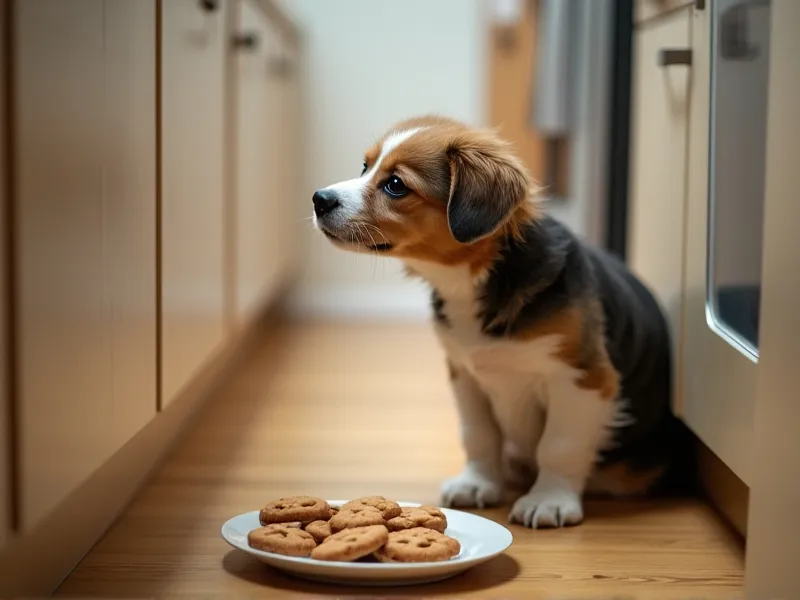
Table of Contents
- Can Dogs Eat Human Biscuits? The Short Answer
- Potential Benefits of Human Biscuits for Dogs (Spoiler: They’re Minimal)
- The Risks: Why Human Biscuits Are Often a Bad Idea
- Sugar: A Silent Threat to Your Dog’s Health
- Artificial Additives and Preservatives
- Stomach Upset and Digestive Woes
- Choking Hazards
- Guidelines: If You Must Share, Here’s How to Do It Safely
- Portion Control: Less Is More
- Choosing the “Least Bad” Human Biscuits
- Frequency: Rarely, Not Regularly
- Healthier Alternatives to Human Biscuits
- Dog-Specific Treats: Formulated for Their Needs
- Homemade Dog Biscuits: Safe, Tasty, and Customizable
- Fresh Fruits and Veggies: Nature’s Treats
- FAQ: Your Top Questions Answered
- Conclusion: Prioritize Your Dog’s Health with Smart Choices
Can Dogs Eat Human Biscuits? The Short Answer
Yes, dogs can technically eat small amounts of some human biscuits—but they’re far from ideal. Most human biscuits are packed with sugar, salt, artificial additives, and empty calories that offer little nutritional value for dogs. While a tiny crumb here and there is unlikely to harm your pup, regular or large servings can lead to health issues. Think of human biscuits as “junk food” for dogs: occasional, tiny bites might be okay, but they shouldn’t be a staple in their diet.
Potential Benefits of Human Biscuits for Dogs (Spoiler: They’re Minimal)
Let’s be clear: Human biscuits aren’t a health food for dogs. That said, some types might offer trace benefits—though these are overshadowed by the risks. Here’s what to know:
- Fiber: Whole-grain biscuits (e.g., plain whole wheat crackers or oatmeal biscuits) may contain small amounts of fiber, which aids digestion. However, dogs get plenty of fiber from their balanced dog food, so this isn’t a reason to share your biscuit.
- Potassium: Biscuits made with bananas, sweet potatoes, or other potassium-rich ingredients might offer a tiny boost. But again, dogs need specific potassium levels, and their regular diet should already meet this need.
- Mental Stimulation: Sharing a small, novel treat (like a crumb of your biscuit) can make your dog feel included. But this emotional benefit is easily replicated with healthier treats.
Bottom line: The “benefits” of human biscuits are negligible. They’re not a substitute for nutrient-dense dog treats or balanced meals.
The Risks: Why Human Biscuits Might Not Be Ideal
Now, let’s dive into the real concern: the risks. Most human biscuits are designed for human taste buds, not canine health. Here’s why they can be problematic:
1. Sugar Overload: A Recipe for Obesity and Disease
Sugar is the biggest offender in human biscuits. Cookies, pastries, and even “sweet” crackers are loaded with refined sugars (like sucrose) or high-fructose corn syrup. Dogs don’t need sugar in their diet—their bodies aren’t built to process large amounts.
- Obesity: Excess sugar turns to fat, leading to weight gain. Obesity in dogs increases the risk of diabetes, joint pain, heart disease, and shortened lifespans.
- Dental Issues: Sugar feeds harmful bacteria in your dog’s mouth, causing plaque, tartar, and cavities. Over time, this can lead to painful gum disease.
- Energy Spikes and Crashes: Just like in humans, sugar can make dogs hyperactive, followed by a slump—hardly ideal for their mood or behavior.
2. Artificial Additives and Preservatives
Many human biscuits contain artificial colors, flavors, or preservatives (e.g., BHA, BHT, or artificial vanilla). While the FDA deems these safe for humans in small amounts, dogs are more sensitive to certain additives.
- Allergic Reactions: Artificial colors (like Red 40 or Yellow 5) can trigger itching, rashes, or digestive upset in sensitive dogs.
- Long-Term Risks: Some preservatives (e.g., BHA) are linked to cancer in lab animals when consumed in high doses over time. While your dog would need to eat a lot of biscuits to face this risk, it’s better to avoid unnecessary exposure.
Worst of all: Biscuits sweetened with xylitol (a sugar substitute) are toxic to dogs. Xylitol causes a rapid insulin release, leading to life-threatening hypoglycemia (low blood sugar), seizures, or liver failure. Always check labels—xylitol is often in “sugar-free” or “diet” biscuits.
3. Stomach Upset and Digestive Issues
Human biscuits are often high in fat (butter, oil) or dairy (milk, cheese). Dogs have sensitive digestive systems, and rich, fatty foods can cause:
- Diarrhea or Vomiting: A sudden influx of fat or sugar can irritate the gut, leading to loose stools or nausea.
- Pancreatitis: This painful, potentially fatal condition occurs when the pancreas becomes inflamed, often due to high-fat foods. Symptoms include vomiting, lethargy, and loss of appetite—always a veterinary emergency.
4. Choking Hazards
Small, hard biscuits (like crackers) or large, dry biscuit pieces can pose choking risks, especially for small dogs or those who gulp treats without chewing. Even soft biscuits can get stuck in the throat if your dog eats too quickly.
Guidelines: If You Must Share, Here’s How to Do It Safely
If you’re tempted to share a tiny bite of your biscuit (we get it—those puppy eyes are tough!), follow these rules to minimize risk:
Portion Control: Less Is More
Treats of any kind should make up no more than 10% of your dog’s daily calories. For a 30-pound dog, that’s about 100 extra calories per day. A single small human biscuit can have 50–100 calories, so even half a biscuit could push their treat limit.
Rule of thumb: Offer a crumb or a piece no larger than your thumbnail. For small breeds (e.g., Chihuahuas), stick to a pinch—literally a few crumbs.
Choosing the “Least Bad” Human Biscuits
If you must share, pick the plainest, least processed option. Avoid:
- Chocolate, raisins, or macadamia nuts (all toxic to dogs).
- Sweetened biscuits (cookies, pastries, frosted varieties).
- Biscuits with artificial additives (colors, flavors, xylitol).
Better (but still not great) options:
- Plain, unsweetened whole wheat crackers (e.g., saltine crackers, but watch sodium!).
- Oatmeal biscuits with no added sugar or spices (e.g., plain oatmeal cookies without raisins).
Always read the label first! If ingredients include “sugar,” “high-fructose corn syrup,” or unpronounceable additives, skip it.
Frequency: Rarely, Not Regularly
Human biscuits should be a once-in-a-blue-moon treat, not a daily habit. Even small amounts add up over time, increasing the risk of weight gain or digestive issues. Save them for special occasions—like that lazy Sunday morning when you want to share a moment, not every breakfast.
Healthier Alternatives to Human Biscuits
The best way to avoid the risks of human biscuits is to skip them entirely. Instead, opt for these dog-safe, nutritious alternatives:
1. Dog-Specific Treats: Formulated for Their Needs
Dog treats are designed with your pup’s health in mind. Look for options with:
- High-quality proteins (e.g., chicken, salmon).
- Limited ingredients (fewer additives).
- No added sugars or artificial preservatives.
Brands like Blue Buffalo, Zuke’s, or Merrick offer great options. For training, try small, low-calorie treats (e.g., freeze-dried liver bits) to avoid overfeeding.
2. Homemade Dog Biscuits: Safe, Tasty, and Customizable
Skip the store-bought human biscuits and bake your own! It’s easy, affordable, and you control the ingredients. Try this simple recipe:
Peanut Butter & Pumpkin Dog Biscuits
- 1 cup oats (ground into flour)
- 1/4 cup natural peanut butter (no xylitol!)
- 1/4 cup pumpkin puree (unsweetened)
- 1 egg
- 1 tbsp water (if needed to bind)
Mix ingredients, roll into dough, cut into shapes, and bake at 350°F for 15–20 minutes. Let cool, then store in an airtight container. Your dog will love them, and you’ll feel good knowing they’re safe!
3. Fresh Fruits and Veggies: Nature’s Treats
Many fresh foods are low in calories, high in nutrients, and safe for dogs. Try:
- Carrots: Crunchy, low-calorie, and great for dental health.
- Blueberries: Packed with antioxidants.
- Apple slices: Remove seeds (they contain cyanide), and offer plain.
- Sweet potato: Baked or steamed for a fiber-rich treat.
Avoid grapes, raisins, onions, garlic, and avocado—these are toxic to dogs.
FAQ: Your Top Questions Answered
Q: Can my dog eat chocolate biscuits?
A: No! Chocolate is toxic to dogs (especially dark or baking chocolate). It contains theobromine, which dogs can’t metabolize, leading to vomiting, seizures, or death. Even a small chocolate biscuit can harm small dogs.
Q: What if my dog ate a whole pack of human biscuits?
A: Monitor them closely and contact your vet. Symptoms like vomiting, diarrhea, lethargy, or increased thirst could signal pancreatitis, sugar overload, or xylitol poisoning (if the biscuits contained xylitol). Better safe than sorry!
Q: Are plain saltine crackers okay for dogs?
A: They’re “less bad,” but still not ideal. Saltines are high in sodium, which can lead to dehydration or kidney issues in excess. A tiny crumb is unlikely to hurt, but skip them for healthier options like carrots.
Q: Can puppies eat human biscuits?
A: Even less than adult dogs. Puppies have smaller stomachs and developing digestive systems, so rich or sugary foods are more likely to cause upset. Stick to puppy-specific treats or fresh veggies.
Conclusion: Moderation and Veterinary Guidance
While a tiny crumb of your human biscuit won’t harm your dog, these treats are far from ideal. Most are high in sugar, salt, and additives that can lead to long-term health issues. When in doubt, opt for dog-specific treats, homemade biscuits, or fresh fruits/veggies—your pup will thank you for the extra care.
As always, consult your vet before introducing new treats, especially if your dog has health conditions (e.g., diabetes, obesity) or food allergies. They can help you choose the best options for your dog’s unique needs.
At the end of the day, the best treat you can give your dog is love—and maybe a crunchy carrot stick. 🐾
References: