· 8 min read
Can Dogs Eat Horse Chestnuts? A Pet Parent’s Guide to Safety and Alternatives
It’s a crisp autumn afternoon, and you’re strolling through the park with your furry sidekick, Max. Leaves crunch underfoot, and suddenly, Max’s nose zeroes in on a shiny, brown nut lying in the grass. “Horse chestnut,” you think, as he leans in for a sniff. Before he can snap it up, you pause: Can dogs eat horse chestnuts? If you’ve ever found yourself asking this question, you’re not alone. As pet parents, we’re always on the lookout for safe, healthy treats to share with our pups—but when it comes to foraged finds like horse chestnuts, the answer isn’t as straightforward as you might hope.
In this guide, we’ll cut through the confusion to answer the big question, break down the risks (and any potential benefits), share safe feeding guidelines, and even suggest healthier alternatives your dog will love. Let’s dive in!
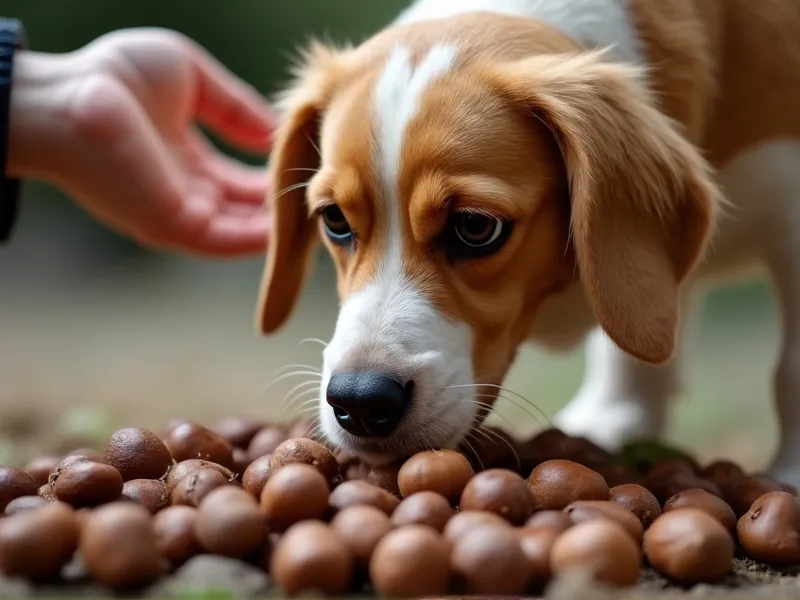
Table of Contents
- Can Dogs Eat Horse Chestnuts? The Short Answer
- Horse Chestnuts vs. Sweet Chestnuts: What’s the Difference?
- Potential Risks of Horse Chestnuts for Dogs
- Are There Any Benefits? Why Horse Chestnuts Don’t Make the Cut
- Safe Feeding Guidelines: How Much Horse Chestnut Can Dogs Eat?
- Healthier Alternatives to Horse Chestnuts
- FAQ: Your Horse Chestnut Questions Answered
- Conclusion: Prioritizing Your Dog’s Safety
Can Dogs Eat Horse Chestnuts? The Short Answer
No, dogs should not eat horse chestnuts.
Horse chestnuts (scientific name: Aesculus hippocastanum) contain a toxic compound called aesculin, which is harmful to dogs. Even small amounts can cause gastrointestinal upset, and larger doses may lead to more severe health issues. Unlike sweet chestnuts (which are safe for dogs in moderation when cooked), horse chestnuts pose a clear danger to your pup’s health.
Horse Chestnuts vs. Sweet Chestnuts: What’s the Difference?
Before we dive deeper, let’s clear up a common confusion: horse chestnuts and sweet chestnuts are NOT the same. Mixing them up could put your dog at risk, so it’s crucial to know how to tell them apart.
Horse Chestnuts:
- Appearance: Encased in a spiky, green husk that splits open to reveal 1-3 smooth, round nuts. The nuts are often shiny, with a light brown color and a distinctive “white scar” (like a pupil) on one end.
- Taste: Bitter and inedible raw (even for humans!).
- Toxicity: Contains aesculin, a toxin harmful to dogs, cats, and even humans in large amounts.
Sweet Chestnuts:
- Appearance: Husk is softer and less spiky (more like a furry burr), with 2-3 pointed, flat-sided nuts inside. Nuts are darker brown and have a rough, textured surface.
- Taste: Mildly sweet when cooked (a popular fall snack for humans!).
- Safety: Safe for dogs in small, cooked portions (no added salt, butter, or seasonings).
Pro tip for pet parents: If you’re foraging or buying chestnuts, always confirm they’re sweet chestnuts (look for labels like “European chestnuts” or “Castanea sativa”). When in doubt, avoid feeding any chestnut to your dog—better safe than sorry!
Potential Risks of Horse Chestnuts for Dogs
Horse chestnuts are toxic to dogs primarily due to aesculin, a glycoside that interferes with the body’s ability to absorb vitamin K, leading to bleeding disorders in severe cases. Even small amounts can cause problems, and the risk increases with the size of the dose and your dog’s size (small dogs are more vulnerable). Here’s what to watch for:
1. Gastrointestinal Upset (Most Common)
Aesculin irritates the digestive tract, leading to symptoms like:
- Vomiting (may contain foam or bile)
- Diarrhea (sometimes bloody)
- Excessive drooling
- Loss of appetite
- Abdominal pain or bloating
These symptoms usually appear within 1-6 hours of ingestion and can last 24-48 hours, depending on the amount eaten.
2. Choking Hazard
Horse chestnuts are large, hard, and round—perfect for getting stuck in a dog’s throat, especially small breeds or dogs who gulp their food. A choking emergency requires immediate action, so always keep an eye on your pup during walks (fall is prime horse chestnut season!).
3. Severe Toxicity (Rare but Possible)
In rare cases, ingesting large amounts of horse chestnuts can lead to:
- Lethargy or weakness
- Tremors or seizures
- Increased heart rate
- Hemolytic anemia (damage to red blood cells, leading to pale gums, jaundice, or difficulty breathing)
If you notice any of these severe symptoms, contact your vet or an emergency animal hospital immediately.
Are There Any Benefits? Why Horse Chestnuts Don’t Make the Cut
You might be wondering: “But don’t chestnuts have fiber, potassium, or other nutrients?” While sweet chestnuts do offer small amounts of fiber, vitamin C, and potassium, horse chestnuts are a different story.
Horse chestnuts contain negligible amounts of these “beneficial” nutrients—and even if they did, the aesculin toxin completely outweighs any potential upside. There’s no scenario where feeding your dog horse chestnuts is a good idea. The risks (vomiting, diarrhea, choking, or worse) far exceed any vague nutritional benefits.
In short: Horse chestnuts are not a “superfood” for dogs—they’re a toxin in disguise.
Safe Feeding Guidelines: How Much Horse Chestnut Can Dogs Eat?
None.
There is no “safe” amount of horse chestnut for dogs. Even a single nut could cause mild gastrointestinal upset in a small dog, while larger breeds might tolerate a bite or two but still face discomfort. To keep your pup safe:
- Never intentionally feed horse chestnuts to your dog.
- Avoid leaving horse chestnuts (or their husks) in areas your dog can access (e.g., your yard, park trails).
- During fall walks, keep your dog on a leash and redirect them if they try to sniff or eat fallen nuts.
Healthier Alternatives to Horse Chestnuts
If you want to treat your dog to a seasonal snack, skip the horse chestnuts and opt for these safe, tasty alternatives instead:
1. Cooked Sweet Chestnuts (In Moderation!)
As mentioned earlier, sweet chestnuts are safe for dogs when cooked, plain, and unsalted. Remove the outer shell and inner skin, then mash or chop a small amount (1-2 nuts for medium dogs, ½ a nut for small dogs) as an occasional treat. Avoid raw sweet chestnuts—they’re hard to digest and may cause stomach upset.
2. Pumpkin (Plain, Canned, or Cooked)
Pumpkin is a fall favorite for dogs! It’s rich in fiber (great for digestion) and beta-carotene (supports eye health). Serve 1-2 tablespoons of plain, unsweetened pumpkin (canned or roasted) mixed into their food or as a standalone snack.
3. Apples (No Seeds!)
Crunchy, sweet, and packed with vitamin A and fiber, apples are a dog-safe staple. Remove the core and seeds (seeds contain small amounts of cyanide), then slice into bite-sized pieces.
4. Carrots
Low in calories and high in vitamin K and fiber, carrots make a great crunchy snack. Raw or steamed, they’re perfect for cleaning teeth and keeping your dog occupied.
5. Blueberries
These tiny superfoods are loaded with antioxidants and vitamin C. Toss a handful into your dog’s bowl or freeze them for a cool, summer-like treat in fall.
6. Commercial Dog Treats
When in doubt, stick to high-quality dog treats made with safe, vet-approved ingredients. Look for options with limited additives and whole-food ingredients (e.g., sweet potato, chicken, or peanut butter).
FAQ: Your Horse Chestnut Questions Answered
Q: My dog ate a horse chestnut—what should I do?
A: Stay calm! Contact your vet or the Pet Poison Helpline (1-855-764-7661) immediately. Provide details like your dog’s size, how much they ate, and when. If possible, bring a sample of the chestnut (or a photo) to help the vet assess the risk. Watch for symptoms like vomiting or lethargy and report them right away.
Q: Are horse chestnut trees dangerous to dogs?
A: Yes, all parts of the horse chestnut tree (nuts, leaves, bark, and flowers) contain aesculin, though the nuts are the most concentrated source. Keep your dog away from horse chestnut trees, especially during fall when nuts drop.
Q: Can dogs eat roasted chestnuts?
A: If they’re sweet chestnuts (roasted, plain, and unsalted), small amounts are safe. But horse chestnuts remain toxic even when roasted—heat doesn’t break down aesculin.
Q: Are chestnut-flavored dog treats safe?
A: It depends on the ingredients! Some commercial treats use “chestnut flavor” or sweet chestnut extract, which is fine. Avoid treats with horse chestnut extract or unspecified “chestnut” ingredients. Always check the label for toxins like xylitol (a sugar substitute toxic to dogs).
Conclusion: Prioritizing Your Dog’s Safety
Fall is a magical time for walks, cozy sweaters, and seasonal snacks—but when it comes to horse chestnuts, it’s best to keep them off your dog’s menu. These nuts contain aesculin, a toxin that can cause vomiting, diarrhea, and even severe health issues.
Instead of taking risks, opt for safe alternatives like cooked sweet chestnuts, pumpkin, or apples. And remember: When in doubt about a new food, always consult your vet. They know your dog’s unique health needs and can help you make the best choices.
Here’s to happy, healthy fall adventures with your pup—minus the horse chestnuts!
References
- American Society for the Prevention of Cruelty to Animals (ASPCA). “Toxic and Non-Toxic Plants: Horse Chestnut.” ASPCA.org
- Pet Poison Helpline. “Horse Chestnut Poisoning in Dogs.” PetPoisonHelpline.com
- VCA Hospitals. “Nut Toxicity in Dogs.” VCAAmerica.com
- Cornell University College of Veterinary Medicine. “Plant Toxicity for Dogs.” Cornell.edu