· 8 min read
Can Dogs Eat Honey? A Pet Parent’s Guide to Safe Treats
You’re spreading a dollop of golden honey on your oatmeal, and suddenly, you feel a wet nose nuzzling your hand. Your dog’s big, hopeful eyes lock onto yours, as if asking, “Is that for me too?” It’s a sweet moment—but before you share, you pause. Can dogs eat honey? Is this sticky, natural sweetener a safe treat, or should it stay off the doggy menu?
If you’ve ever wondered whether honey belongs in your pup’s bowl (or on their tongue), you’re not alone. As pet parents, we want to spoil our fur babies, but their health always comes first. Let’s dive into the sticky details: the benefits, the risks, and how to decide if honey deserves a spot in your dog’s treat rotation.
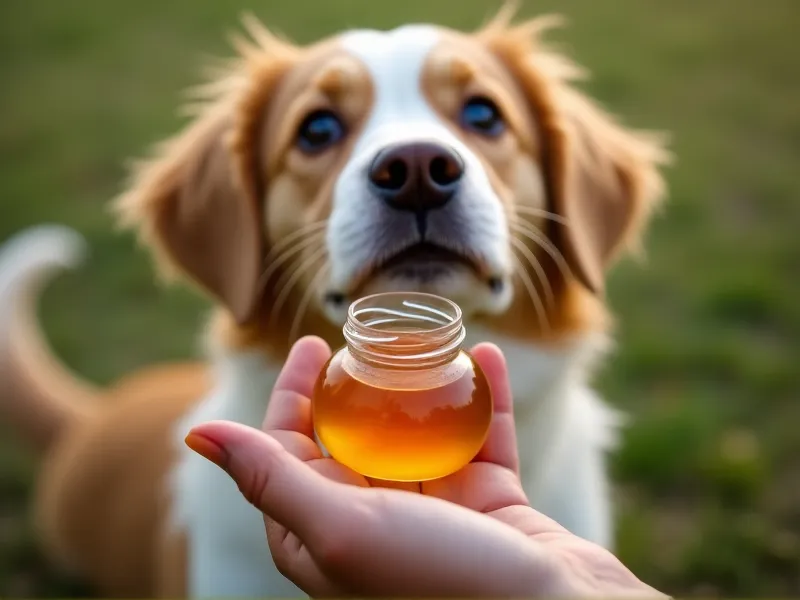
Table of Contents
- Can Dogs Eat Honey? The Short Answer
- Potential Benefits of Honey for Dogs
- Risks to Watch Out For
- How Much Honey Is Safe for Dogs?
- Healthier Alternatives to Honey
- FAQ: Your Honey-and-Dog Questions Answered
- Conclusion: Honey as an Occasional Treat
Can Dogs Eat Honey? The Short Answer
Yes, dogs can eat honey—in moderation. Honey is not toxic to dogs, and small amounts can even offer some nutritional perks. However, it’s far from a “superfood” for pups, and there are important risks to consider, especially when it comes to sugar content, portion size, and your dog’s individual health.
Think of honey as you would a candy for your dog: a rare, tiny indulgence, not a daily staple. Let’s break down the “why” behind that advice.
Potential Benefits of Honey for Dogs
Honey has been praised for its natural nutrients in humans, and some of those benefits might extend to dogs—though it’s important to keep expectations realistic. Here’s what honey brings to the table:
1. Nutrient Boost (In Small Doses)
Honey contains trace amounts of vitamins and minerals that support overall health:
- B Vitamins: B1 (thiamine), B2 (riboflavin), and B6, which help with energy metabolism and brain function.
- Vitamin C: An antioxidant that supports immune health.
- Minerals: Small amounts of potassium (important for heart and muscle function), calcium (bone health), and iron (red blood cell production).
These nutrients are present in tiny quantities, though—so honey shouldn’t replace a balanced dog food. Think of it as a bonus, not a meal.
2. Antioxidants for Cellular Health
Raw, unprocessed honey is rich in antioxidants like flavonoids and phenolic acids, which fight free radicals (unstable molecules that damage cells). Over time, this may support your dog’s immune system and reduce inflammation. However, most store-bought honey is processed (heated and filtered), which can reduce antioxidant levels. Raw honey retains more of these compounds—but it comes with its own risks (more on that later).
3. Soothing for Sore Throats (Anecdotal)
Some pet parents and holistic vets suggest a tiny amount of honey can soothe a dog’s scratchy throat, similar to how it works in humans. If your dog has a mild cough (think: from kennel cough or dry air), a drop of honey might ease irritation. Note: This is not a substitute for vet care—if your dog is coughing persistently, always check with your vet first.
Risks to Watch Out For
While honey has perks, it’s not without downsides. Here are the biggest risks to keep in mind before sharing:
1. High Sugar Content: A Recipe for Health Issues
Honey is mostly sugar—about 82% carbohydrates, with fructose and glucose being the main culprits. Too much sugar can lead to:
- Obesity: Extra calories from sugar add up quickly, especially if honey is given alongside regular treats.
- Diabetes: Chronic high sugar intake can disrupt insulin regulation, increasing diabetes risk (or worsening it in dogs already diagnosed).
- Dental Problems: Sugar feeds harmful bacteria in your dog’s mouth, leading to plaque, tartar, and cavities.
2. Stomach Upset (Even in Small Doses)
Dogs’ digestive systems aren’t built to handle large amounts of sugar. A little honey might be fine, but too much can cause diarrhea, vomiting, or gas—especially in dogs with sensitive stomachs, IBS, or pancreatitis (since high sugar can trigger inflammation in the pancreas).
3. Choking Hazard
Honey is thick and sticky, which can pose a choking risk if given in large globs or to dogs who gulp treats without chewing. Always mix honey into food (like plain yogurt or mashed banana) or spread it thinly on a piece of kibble to avoid this.
4. Botulism Risk for Vulnerable Dogs
Raw honey may contain Clostridium botulinum spores, which produce a toxin that causes botulism—a rare but serious illness. Adult dogs with healthy immune systems can usually fight off these spores, but they’re dangerous for:
- Puppies under 1 year old: Their immune systems and digestive tracts are still developing.
- Immunocompromised dogs: Those with diseases like cancer or autoimmune disorders.
- Pregnant/nursing dogs: Spores could harm developing puppies or nursing litters.
Processed honey is heated, which kills most spores, making it safer for these groups—but it still has the sugar risk.
How Much Honey Is Safe for Dogs?
The key word here is moderation. The amount depends on your dog’s size, weight, and health. As a general rule:
| Dog Size | Max Honey per Day (Occasional Treat) |
|---|---|
| Small (under 20 lbs) | ¼ teaspoon |
| Medium (20–50 lbs) | ½ teaspoon |
| Large (50+ lbs) | 1 teaspoon |
Important notes:
- Never give honey to puppies under 1 year old.
- Avoid honey if your dog has diabetes, obesity, pancreatitis, or dental issues.
- Stick to occasional treats—once a day at most, and skip it if you’re already giving other sugary treats (like fruit or store-bought cookies).
Healthier Alternatives to Honey
If you want to treat your dog without the sugar spike, try these nutrient-dense alternatives:
1. Mashed Banana
A natural sweetener with fiber, potassium, and vitamins B6 and C. Most dogs love the creamy texture, and it’s low in calories (1 medium banana = ~105 calories, vs. 1 tsp honey = ~21 calories—with more nutrients!).
2. Unsweetened Applesauce
Packed with fiber (pectin) to support digestion and vitamin C. Avoid versions with added sugar—opt for plain, unsweetened applesauce.
3. Pumpkin Puree (Unsweetened)
Rich in fiber and beta-carotene (which converts to vitamin A). Great for dogs with upset tummies, and it’s low in calories (1/4 cup = ~25 calories).
4. Blueberries
Tiny, sweet, and loaded with antioxidants. They’re low in sugar and high in fiber—perfect for training treats or a snack.
5. Carrot Sticks
Crunchy, low-calorie, and full of vitamin A. Chewing carrots also helps scrape plaque off teeth (hello, natural dental care!).
FAQ: Your Honey-and-Dog Questions Answered
Q: Is raw honey better than processed honey for dogs?
A: Raw honey has more antioxidants and enzymes, but it may contain botulism spores (risky for puppies/immunocompromised dogs). Processed honey is safer for vulnerable pups but has fewer nutrients. For healthy adult dogs, raw honey is fine in tiny amounts—but processed is the safer bet overall.
Q: Can honey help with my dog’s allergies?
A: Some people claim local raw honey helps with pollen allergies (by exposing the body to small amounts of pollen). However, there’s no scientific evidence this works for dogs. Allergies in dogs are often caused by proteins (like in food or fleas), not pollen, so honey is unlikely to help. Always consult your vet for allergy treatment.
Q: My dog ate a whole jar of honey! What should I do?
A: Stay calm, but monitor for signs of stomach upset (vomiting, diarrhea, bloating) or hyperactivity (from sugar). If your dog is small, obese, or diabetic, contact your vet immediately—large sugar doses can cause pancreatitis or blood sugar spikes. For healthy dogs, offer water and watch for 24 hours; if symptoms worsen, call your vet.
Q: Can puppies eat honey?
A: No. Puppies under 1 year old are at risk of botulism from raw honey spores, and their developing systems can’t handle the sugar. Stick to puppy-safe treats like softened kibble or plain yogurt until they’re older.
Q: Is honey safe for dogs with seizures?
A: Dogs with epilepsy or seizures often need strict blood sugar control. Honey’s high sugar can cause blood sugar spikes and crashes, which may trigger seizures. Avoid honey unless your vet specifically approves it.
Conclusion: Honey as an Occasional Treat
So, can dogs eat honey? Yes—but think of it as a rare, tiny luxury, not a daily habit. A drop of honey might make your pup’s day, but it shouldn’t replace balanced meals or healthier treats.
Always prioritize your dog’s health: skip honey if they’re diabetic, obese, or under 1 year old, and stick to portion sizes based on their weight. When in doubt, ask your vet—they know your dog’s unique needs best.
At the end of the day, the best treat for your dog is your love (and maybe a belly rub). But if you do share honey? Make it sweet, safe, and very occasional.
References
- American Kennel Club (AKC). “Can Dogs Eat Honey?” akc.org
- PetMD. “Honey for Dogs: Benefits and Risks.” petmd.com
- Veterinary Centers of America (VCA). “Botulism in Dogs.” vcahospitals.com
- Whole Dog Journal. “Honey: A Sweet Treat for Dogs?” wholedogjournal.com