· 8 min read
Can Dogs Eat Gyro Meat? A Pet Parent’s Guide to Sharing Greek Flavors Safely
Picture this: You’re at your favorite Greek restaurant, savoring a warm pita stuffed with tender, spiced gyro meat, crisp veggies, and creamy tzatziki. Suddenly, you feel a soft nudge on your leg. Looking down, your dog is staring up at you with those irresistible “please share” eyes, tail thumping like a metronome. It’s hard to resist—after all, gyro meat smells amazing. But before you toss them a bite, you pause: Is gyro meat safe for dogs?
As pet parents, we’ve all been there. We want to treat our furry friends, but we also need to keep them healthy. In this guide, we’ll break down whether gyro meat is a safe snack, the potential benefits and risks, how much (if any) to share, and healthier alternatives to satisfy their cravings. Let’s dig in!
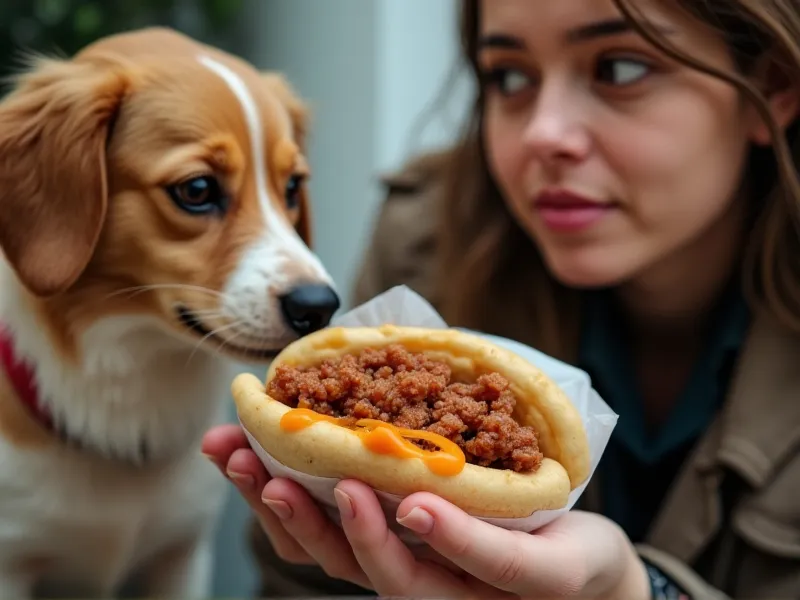
Table of Contents
- Can Dogs Eat Gyro Meat? The Short Answer
- Potential Benefits of Gyro Meat for Dogs (Spoiler: They’re Minimal)
- The Risks of Feeding Gyro Meat to Dogs (These Are Important!)
- How Much Gyro Meat Is Safe for Dogs? Guidelines for Pet Parents
- Healthier Alternatives to Gyro Meat for Your Pup
- FAQ: Your Gyro Meat and Dogs Questions Answered
- Conclusion: Prioritize Safety, But Don’t Stress
- References
1. Can Dogs Eat Gyro Meat? The Short Answer
No, gyro meat is not recommended for dogs—at least, not the typical gyro you’d buy at a restaurant or deli.
Here’s why: Traditional gyro meat is made from spiced, seasoned meat (usually lamb, beef, chicken, or a blend) cooked on a vertical rotisserie. While the meat itself (unseasoned, plain, and lean) might be safe in tiny amounts, the problem lies in the added ingredients: salt, spices (like garlic or onion), high fat, and sometimes even sugar. These can pose serious health risks to dogs, which we’ll explore in detail below.
In short: Save the gyro for yourself. Your dog will thank you for choosing safer treats instead!
2. Potential Benefits of Gyro Meat for Dogs (Spoiler: They’re Minimal)
Before we dive into the risks, let’s acknowledge the elephant in the room: Gyro meat is meat, and meat is a source of protein—an essential nutrient for dogs. So, could there be any upsides? Let’s break it down:
Protein: A Building Block for Dogs
Dogs need protein to maintain muscle mass, repair tissues, and support a healthy immune system. Gyro meat (whether lamb, beef, or chicken) is high in protein. For example, a 3-ounce serving of cooked lamb contains about 25 grams of protein—similar to other lean meats.
Trace Nutrients
Depending on the meat, gyro might offer small amounts of:
- Iron: Important for red blood cell health.
- Zinc: Supports skin, coat, and immune function.
- B Vitamins (B12, niacin): Aid energy metabolism and brain health.
The Catch: These Benefits Are Better Found Elsewhere
Here’s the problem: The nutrients in gyro meat are not unique—and they’re often overshadowed by the risks of the added seasonings and fat. For example, you can get the same protein, iron, and zinc from plain, unseasoned chicken breast or lean beef, which are far safer for dogs (and cheaper, too!).
3. The Risks of Feeding Gyro Meat to Dogs (These Are Important!)
Now, let’s talk about why gyro meat is generally a no-go. The risks far outweigh the minimal benefits, and some can be life-threatening.
Risk 1: Toxic Spices (Garlic and Onion)
Many gyro recipes include garlic or onion powder (or fresh garlic/onion) to boost flavor. Both are toxic to dogs, even in small amounts.
Garlic and onion contain compounds called N-propyl disulfides, which damage a dog’s red blood cells, leading to a condition called hemolytic anemia. Symptoms include weakness, lethargy, pale gums, vomiting, or dark urine. In severe cases, it can be fatal.
Even “just a sprinkle” of garlic powder in gyro seasoning can be dangerous for small dogs. For example, a 10-pound dog only needs to ingest about 15 grams of onion (or 5 grams of garlic) to risk poisoning.
Risk 2: Too Much Salt (Sodium Toxicity)
Gyro meat is often heavily salted to enhance flavor. Dogs need far less sodium than humans: The recommended daily sodium intake for dogs is about 100 mg per 10 pounds of body weight. A single serving of gyro meat can contain 500–800 mg of sodium—way more than a small dog needs in a day!
Excess salt can lead to sodium ion poisoning, causing symptoms like excessive thirst, urination, vomiting, diarrhea, tremors, seizures, or even death.
Risk 3: High Fat Content (Pancreatitis Risk)
Gyro meat (especially lamb or beef varieties) is often high in fat. Fatty foods can trigger pancreatitis in dogs—a painful, potentially fatal inflammation of the pancreas.
Pancreatitis symptoms include vomiting, diarrhea, abdominal pain (your dog may hunch over), lethargy, and loss of appetite. Even a small piece of fatty gyro meat can cause a flare-up, especially in dogs prone to the condition (like obese dogs or certain breeds, e.g., Miniature Schnauzers).
Risk 4: Choking Hazard
Gyro meat is often served in thick, chewy slices. If you give your dog a large piece, they might try to swallow it whole, leading to choking or intestinal blockage. Small dogs are especially at risk.
Risk 5: Added Sugar (Yes, Even in Gyro!)
Some gyro marinades or sauces (like tzatziki, which is often served with gyro) contain added sugar. While sugar isn’t toxic, it’s empty calories that can lead to obesity, dental decay, or even diabetes over time.
Risk 6: Foodborne Illness (Bacteria)
Like all meat, gyro can harbor bacteria like Salmonella or E. coli if not cooked properly. Dogs can get food poisoning, just like humans, leading to vomiting, diarrhea, or fever.
4. How Much Gyro Meat Is Safe for Dogs? Guidelines for Pet Parents
Let’s say you’re at a cookout, and your dog snags a tiny piece of plain, unseasoned gyro meat before you can stop them. Should you panic? Probably not. But intentional feeding? It’s best to avoid it.
If you must share (we get it—those puppy eyes are tough!), follow these strict rules:
Only Feed Plain, Unseasoned Gyro Meat
No salt, no garlic, no onion, no spices. This is rare—most gyros are heavily seasoned—so double-check first.
Keep Portions Tiny
- Small dogs (under 20 lbs): A piece the size of a pea (about ¼ teaspoon).
- Medium dogs (20–50 lbs): A piece the size of a dime (about ½ teaspoon).
- Large dogs (50+ lbs): A piece the size of a quarter (about 1 teaspoon).
This is a “one-time only” treat—not a regular snack.
Avoid Fatty Cuts
Trim off all visible fat, as fat is a major pancreatitis risk.
Cook Thoroughly
Raw or undercooked meat can contain bacteria (like Salmonella), so ensure it’s fully cooked.
Watch for Symptoms
After feeding, monitor your dog for 24–48 hours. If they show vomiting, diarrhea, lethargy, or pale gums, contact your vet immediately.
5. Healthier Alternatives to Gyro Meat for Your Pup
Instead of sharing your gyro, try these dog-safe Greek-inspired treats. Your pup will love them, and you’ll have peace of mind!
1. Plain Cooked Chicken or Turkey
Boil or bake chicken/turkey breast (no salt, no seasoning) and cut into small pieces. It’s high in protein, low in fat, and dogs go crazy for it.
2. Lean Lamb (Unseasoned)
If your dog loves the taste of lamb, try plain, cooked lamb leg (trimmed of fat). Lamb is a great source of protein and iron—just skip the gyro spices!
3. Greek Yogurt (No Added Sugar)
Plain, unsweetened Greek yogurt is rich in protein and probiotics, which support gut health. Avoid flavors with sugar or xylitol (a toxic sweetener).
4. Cucumber Slices
Crunchy, hydrating, and low in calories—cucumber is a perfect snack for hot days (and a great substitute for gyro veggies like lettuce or tomato).
5. Frozen Blueberries
Toss a few frozen blueberries in their bowl for a sweet, antioxidant-rich treat. Dogs love the cold, juicy texture!
6. FAQ: Your Gyro Meat and Dogs Questions Answered
Q: Can my dog eat the pita bread from my gyro?
A: It’s not toxic, but pita is high in carbs and often salted. Too much can cause stomach upset or weight gain. Stick to tiny bites (like a crumb) as a rare treat.
Q: What about tzatziki sauce?
A: No. Tzatziki typically contains garlic (toxic) and sometimes onion. Even “garlic-free” versions may have other spices or high salt.
Q: My dog stole a whole gyro! What should I do?
A: Stay calm. Call your vet immediately. They may recommend inducing vomiting (if done within 2 hours) or monitoring for symptoms like pancreatitis or anemia.
Q: Are there any “dog-safe” gyro recipes I can make at home?
A: Yes! Try this: Mix ground turkey with a pinch of oregano (safe in small amounts), cook thoroughly, and serve plain. Skip the garlic, onion, and salt.
7. Conclusion: Prioritize Safety, But Don’t Stress
At the end of the day, sharing food with your dog is a way to bond—but their health always comes first. Gyro meat, with its salt, spices, and fat, is best left off the menu. Instead, opt for plain, unseasoned meats or dog-safe veggies.
If you’re ever unsure about a food, consult your vet. They know your dog’s unique health needs (like allergies or pancreatitis risk) and can give personalized advice.
And remember: Your dog doesn’t care if the treat is fancy—they just care that it comes from you. A simple belly rub or game of fetch might be the “treat” they cherish most!
8. References
- American Society for the Prevention of Cruelty to Animals (ASPCA). “People Foods to Avoid Feeding Your Pets.” aspca.org/pet-care/animal-poison-control/people-foods-avoid-feeding-your-pets
- American Kennel Club (AKC). “Can Dogs Eat Garlic?” akc.org/expert-advice/nutrition/can-dogs-eat-garlic/
- PetMD. “Pancreatitis in Dogs: Symptoms, Causes, and Treatment.” petmd.com/dog/conditions/digestive/c_dg_pancreatitis
- Veterinary Centers of America (VCA). “Salt Toxicity in Dogs.” vca.com/vet-perks/ask-a-vet/salt-toxicity-in-dogs