· 9 min read
Can Dogs Eat Guac? The Surprising Truth About Sharing Your Favorite Dip With Your Pup
It’s Taco Tuesday, and you’re dipping a chip into creamy, fresh guacamole when you feel a wet nose nudge your hand. Your pup, tail wagging, gives you that “please share” look—ears perked, eyes wide, as if they know exactly how delicious that green goodness is. Before you cave to those puppy-dog eyes, you pause: Can dogs eat guac?
Guacamole is a staple at parties, picnics, and lazy nights in. Made with ripe avocados, lime juice, and a mix of seasonings, it’s loved for its rich, tangy flavor. But as a pet parent, you know not all human foods are safe for dogs. So, is guac a safe snack to share, or should it stay strictly on your plate?
In this post, we’ll break down everything you need to know: the ingredients in guacamole, potential benefits (yes, there are some!), hidden risks, and whether a tiny taste could harm your furry friend. Let’s dive in.
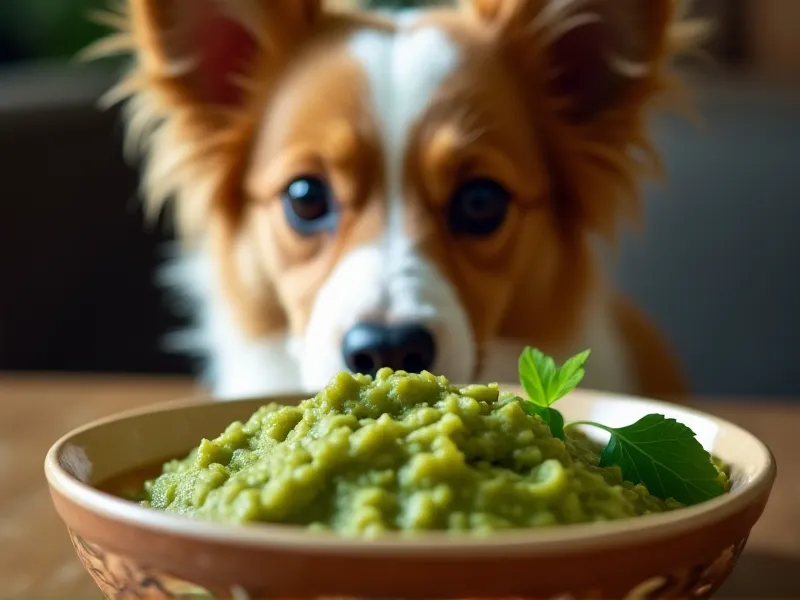
Table of Contents
- Can Dogs Eat Guacamole? The Short Answer
- What’s in Guacamole, Anyway?
- Potential Benefits of Avocado for Dogs
- The Risks of Guacamole for Dogs (Spoiler: It’s Not Just Avocado)
- How Much Guacamole (or Avocado) Can Dogs Safely Eat?
- Healthier Alternatives to Guacamole for Dogs
- FAQ: Your Guac-and-Dog Questions Answered
- Conclusion: Enjoy Guac Responsibly—With Your Pup in Mind
Can Dogs Eat Guacamole? The Short Answer
No, dogs should not eat guacamole.
While plain, ripe avocado flesh is generally considered safe for dogs in tiny amounts, guacamole is a mix of ingredients—many of which are toxic, harmful, or irritating to dogs. Even if you skip the spicy stuff, common guac add-ins like onions, garlic, and salt make it a risky choice for your pup.
In short: Keep the guac for yourself. Your dog’s stomach (and health) will thank you.
What’s in Guacamole, Anyway?
To understand why guac is a no-go for dogs, let’s start with its ingredients. Traditional guacamole is made with:
- Avocado: The star! Mashed, ripe avocado forms the base.
- Lime or lemon juice: Adds tang and prevents browning.
- Onions or garlic: Often minced for flavor (red onions are common).
- Salt: To taste.
- Spices: Chili powder, cumin, or paprika (optional, but popular).
- Extras: Some recipes add diced tomatoes, jalapeños, or even sugar (store-bought versions sometimes include added sugars or preservatives).
While avocado itself might not be toxic, the other ingredients are where the real danger lies. Let’s break down the pros and cons—starting with the “good” part: avocado.
Potential Benefits of Avocado for Dogs
Avocado gets a bad rap in some pet circles, but the truth is, its flesh (when plain and ripe) has some nutritional perks for dogs. Here’s what makes avocado potentially beneficial:
1. Healthy Fats
Avocado is rich in monounsaturated fats (like oleic acid), which support:
- Skin and coat health: These fats help keep your dog’s fur shiny and skin moisturized, reducing dryness and itchiness.
- Heart health: Monounsaturated fats may lower bad cholesterol (LDL) in dogs, just like in humans.
2. Fiber
A 100-gram serving of avocado has about 7 grams of fiber—more than many fruits dogs can eat (like apples or bananas). Fiber aids digestion by promoting regular bowel movements and supporting a healthy gut microbiome.
3. Potassium
Potassium is an essential mineral for dogs, supporting:
- Muscle function (including the heart muscle).
- Nerve signaling.
- Fluid balance in the body.
Avocado has more potassium than bananas (a dog-favorite snack!), with about 485 mg per 100 grams vs. bananas’ 358 mg.
4. Vitamins & Antioxidants
Avocado is packed with:
- Vitamin E: An antioxidant that protects cells from damage and supports the immune system.
- Vitamin C: Boosts immunity and aids collagen production (important for joints and skin).
- Vitamin K: Helps with blood clotting and bone health.
- Folate (B9): Supports cell repair and red blood cell production.
But wait—if avocado has all these benefits, why can’t dogs eat guac? Because guacamole isn’t just avocado. Let’s get to the risky part.
The Risks of Guacamole for Dogs (Spoiler: It’s Not Just Avocado)
Even if you love avocado’s benefits, guacamole’s other ingredients make it unsafe. Here’s why:
1. Onions and Garlic: Toxic to Dogs
Onions, garlic, leeks, and chives (all part of the allium family) are toxic to dogs—even in small amounts. They contain compounds that damage red blood cells, leading to a condition called hemolytic anemia. Symptoms include:
- Lethargy
- Pale gums
- Weakness
- Vomiting or diarrhea
- Rapid breathing
Toxicity depends on the dog’s size and the amount ingested. For example, a 10-pound dog could get sick from just 1/4 cup of chopped onions, while a 50-pound dog might tolerate a bit more—but it’s never worth the risk. Most guacamole recipes include at least a sprinkle of onion or garlic, so even a “little taste” could be dangerous.
2. Salt: A Hidden Hazard
Salt is a staple in guacamole, but dogs need very little sodium in their diet. The average dog only needs about 100-200 mg of sodium per day (depending on size). A single tablespoon of guacamole can have 100+ mg of sodium—nearly half of a small dog’s daily limit!
Too much salt causes sodium ion poisoning, with symptoms like:
- Extreme thirst
- Vomiting or diarrhea
- Tremors or seizures
- In severe cases, kidney damage or death
3. Spices and Additives
Chili powder, cumin, or jalapeños might make guac tasty for humans, but they irritate a dog’s sensitive digestive system. Spicy foods can cause:
- Stomach pain
- Diarrhea
- Excessive drooling
- Panting
Store-bought guacamole may also include added sugars, preservatives, or artificial flavors—all of which are unnecessary and harmful to dogs (sugar contributes to obesity and diabetes; preservatives can cause allergic reactions).
4. Avocado Pits and Skin: Choking and Blockage Risks
While we’re focusing on guacamole (which usually doesn’t include pits or skin), it’s worth noting: Avocado pits are a major choking hazard. They’re large, hard, and can get stuck in a dog’s throat or intestines, leading to blockages (which often require surgery). The skin is also tough to digest and may cause stomach upset.
5. High Fat Content: Pancreatitis Risk
Avocado is high in fat (about 15 grams per 100 grams). While healthy fats are good in moderation, too much fat can trigger pancreatitis in dogs—a painful, potentially life-threatening condition where the pancreas becomes inflamed. Dogs with a history of pancreatitis, obesity, or diabetes are especially at risk.
How Much Guacamole (or Avocado) Can Dogs Safely Eat?
Let’s be clear: Guacamole is never safe for dogs, even in small amounts. The onions, garlic, and salt alone make it a no-go.
But what if you’re tempted to share plain avocado (no salt, spices, or other ingredients)? While avocado flesh isn’t toxic, it should still be given sparingly. Here’s a general guideline:
- Small dogs (under 20 lbs): 1-2 small slices (about 1-2 tablespoons) of mashed avocado, once every 2-3 weeks.
- Medium dogs (20-50 lbs): 2-3 slices (3-4 tablespoons), once every 1-2 weeks.
- Large dogs (50+ lbs): 1/4 of a small avocado (about 1/4 cup), once a week at most.
Important: Always consult your vet before giving your dog avocado (or any new food). Some dogs may have allergies or sensitivities, and portion sizes depend on their age, weight, and health.
Healthier Alternatives to Guacamole for Dogs
If you want to treat your pup to a tasty, nutrient-rich snack, skip the guac and try these safer options instead:
1. Mashed Banana
Bananas are high in potassium (like avocado!) and fiber, plus they’re naturally sweet—dogs love them. Mash a small slice and serve as a treat.
2. Cooked Sweet Potato
Sweet potatoes are packed with fiber, vitamin A (good for eyesight), and antioxidants. Bake or boil a small chunk, mash it, and let it cool before serving.
3. Plain Pumpkin (Unsweetened)
Pumpkin is a doggie superfood! It’s high in fiber (great for upset tummies) and beta-carotene. Serve 1-2 tablespoons of plain, canned pumpkin (not pie filling!) as a treat.
4. Unsweetened Applesauce
Applesauce (no sugar added) is low in calories and high in vitamin C. It’s a soft, easy-to-digest snack for dogs of all ages.
5. Green Beans (Steamed)
Steamed green beans are low in calories, high in fiber, and crunchy—perfect for dogs who love to chew. They’re a great “guilt-free” treat.
FAQ: Your Guac-and-Dog Questions Answered
Q: Is avocado toxic to dogs?
A: No, avocado flesh is not toxic to dogs. However, the pit, skin, and leaves contain persin (a fungicidal toxin) that’s harmful to birds, rabbits, and horses—but dogs are more resistant. The bigger risks for dogs are the pit (choking/blockage) and the high fat content (pancreatitis).
Q: My dog stole a bite of guacamole! Should I panic?
A: Stay calm, but act fast. If the guac contained onions or garlic, contact your vet immediately—even a small amount can be toxic. Watch for symptoms like lethargy, vomiting, or pale gums. If it was plain avocado (no onions/garlic/salt), monitor your dog for stomach upset (diarrhea, vomiting) and call your vet if symptoms persist.
Q: Can dogs eat avocado toast?
A: No. Avocado toast usually includes salt, garlic, or other toppings (like cheese or spices) that are harmful. Stick to plain, unsalted avocado in tiny amounts (if your vet approves).
Q: Are there “dog-safe” guacamole recipes?
A: You could try mashing plain avocado with a splash of water (no salt, spices, or onions), but even then, it’s not necessary. Dogs don’t need guac to be happy—stick to safer treats like banana or pumpkin.
Q: Why do some dog foods include avocado?
A: Some high-end dog foods use avocado oil or mashed avocado as a source of healthy fats. These are carefully formulated to be safe (no pits/skin, controlled portions), so they’re different from sharing your guac.
Conclusion: Enjoy Guac Responsibly—With Your Pup in Mind
Guacamole is a delicious snack for humans, but when it comes to dogs, it’s best to keep it off their plates. The onions, garlic, salt, and spices in guac pose serious risks, even in small amounts. While plain avocado flesh has some benefits, it’s high in fat and should only be given sparingly (and with your vet’s okay).
Instead of sharing your guac, treat your pup to a safer snack—like mashed banana, steamed sweet potato, or plain pumpkin. They’ll wag their tail just as hard, and you’ll have peace of mind knowing you’re keeping them healthy.
At the end of the day, the best way to enjoy guacamole is with your pup by your side—just let them enjoy their own dog-friendly treat while you savor yours.
Happy snacking (responsibly)!
References
- American Society for the Prevention of Cruelty to Animals (ASPCA). Toxic and Non-Toxic Plants: Avocado. aspca.org/pet-care/animal-poison-control/toxic-and-non-toxic-plants/avocado
- American Veterinary Medical Association (AVMA). Onion Toxicity in Dogs and Cats. avma.org/resources/pet-owners/petcare/onion-toxicity-dogs-and-cats
- PetMD. Salt Poisoning in Dogs. petmd.com/dog/conditions/toxicity/salt-poisoning-dogs
- American Kennel Club (AKC). Can Dogs Eat Avocado? akc.org/expert-advice/nutrition/can-dogs-eat-avocado/
- Veterinary Centers of America (VCA). Pancreatitis in Dogs. vca.com/pet-health/dog-health/pancreatitis-in-dogs