· 9 min read
Can Dogs Eat Ground Cherries? A Pet Parent’s Guide to Risks, Benefits & Safety
Picture this: You’re at the farmers market, browsing vibrant stalls of fresh produce, when your dog’s nose suddenly sniffs out a basket of tiny, orange fruits wrapped in papery husks. “Ground cherries!” the vendor calls. They look sweet, colorful, and intriguing—and your pup is giving you the “please share” eyes. But before you toss one their way, you pause: Can dogs eat ground cherries? Are these little fruits a safe, healthy snack, or a hidden hazard?
If you’ve ever wondered whether ground cherries (also called cape gooseberries or goldenberries) belong in your dog’s treat rotation, you’re not alone. As pet parents, we want to spoil our furry friends with tasty, nutrient-packed snacks, but it’s crucial to separate fact from fiction when it comes to “human foods.”
In this guide, we’ll break down everything you need to know about ground cherries and dogs: what they are, if they’re safe, their potential benefits and risks, how much (if any) to feed, and healthier alternatives. Let’s dive in!
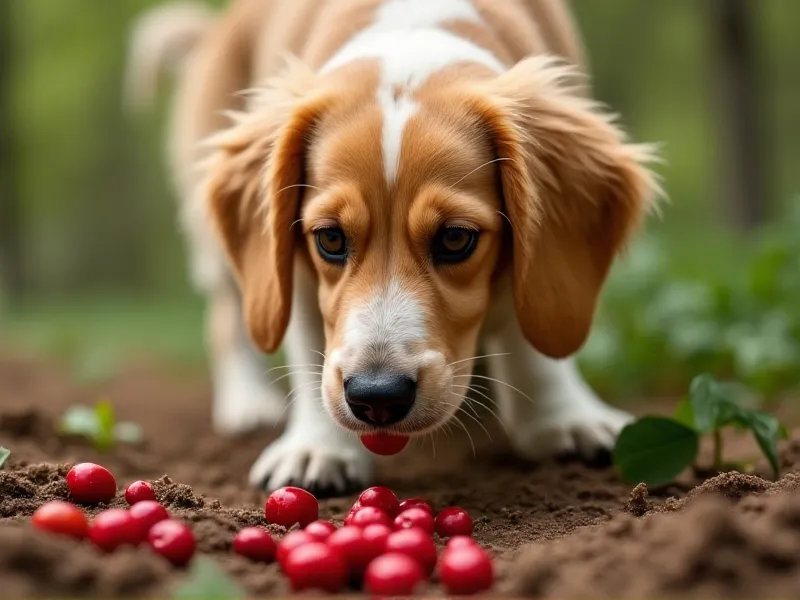
Table of Contents
- What Are Ground Cherries?
- Can Dogs Eat Ground Cherries? The Short Answer
- Potential Benefits of Ground Cherries for Dogs
- Risks of Feeding Ground Cherries to Dogs
- How Much Ground Cherry Can Dogs Eat? (If Any)
- Healthier Alternatives to Ground Cherries
- FAQ: Common Questions About Dogs and Ground Cherries
- Conclusion: Moderation is Key
- References
What Are Ground Cherries?
First, let’s get to know the star of the show: ground cherries. Scientifically known as Physalis peruviana, ground cherries are small, round fruits native to South America, though they’re now grown worldwide. They belong to the nightshade family (Solanaceae), which includes familiar plants like tomatoes, potatoes, and bell peppers.
You’ll recognize ground cherries by their unique appearance: each fruit is about the size of a cherry tomato, encased in a papery, lantern-like husk (called a calyx). When ripe, the fruit inside is bright orange or yellow, with a sweet-tart flavor often described as a mix of pineapple, mango, and tomato.
Fun fact: Ground cherries go by many names, including cape gooseberry, goldenberry, husk cherry, and poha. While “cape gooseberry” is sometimes used interchangeably, it’s technically a closely related species (Physalis edulis), though the two are often sold under the same label. For our purposes, we’ll refer to them broadly as ground cherries.
Can Dogs Eat Ground Cherries? The Short Answer
Yes, dogs can eat small amounts of ripe, fresh ground cherry fruit—but with important caveats.
The fleshy part of the ground cherry (the orange/yellow fruit inside the husk) is not toxic to dogs. However, this is not a “free pass” to feed them freely. Ground cherries come with risks, and they should never be a regular part of your dog’s diet.
Key warnings:
- Never feed your dog the husk, stem, leaves, or unripe fruit. These parts may contain trace amounts of solanine, a compound found in nightshades that can be toxic in large quantities (though ground cherries have lower levels than, say, raw potatoes).
- The fruit itself is high in natural sugar, which can lead to weight gain, diabetes, or digestive upset if overfed.
- The small size of ground cherries poses a choking hazard, especially for toy breeds or dogs who gulp their food.
Potential Benefits of Ground Cherries for Dogs
While ground cherries aren’t a “superfood” for dogs, they do offer some nutritional perks—in tiny doses. Here’s what the fruit brings to the table:
1. Vitamins for Immune & Eye Health
Ground cherries are rich in vitamin A (in the form of beta-carotene), which supports eye health, skin health, and immune function. They also contain vitamin C, an antioxidant that helps boost immunity and fight inflammation. While dogs produce their own vitamin C, extra amounts from whole foods can be beneficial, especially for senior dogs or those with immune issues.
2. Fiber for Digestive Health
A small amount of fiber (about 3g per 100g serving) in ground cherries can help regulate your dog’s digestion by promoting healthy bowel movements. However, this is a double-edged sword: too much fiber can cause diarrhea (more on that later).
3. Potassium for Heart & Muscle Function
Potassium is an essential mineral that supports heart health, muscle function, and fluid balance. Ground cherries contain a modest amount of potassium (about 155mg per 100g), which can complement the nutrients in your dog’s balanced commercial diet.
Important note: These benefits are minimal compared to what your dog gets from their regular food. Commercial dog foods are formulated to meet all their nutritional needs, so ground cherries should never replace meals or core supplements.
Risks of Feeding Ground Cherries to Dogs
The risks of ground cherries often outweigh the benefits, which is why they’re not recommended as a go-to treat. Let’s break down the biggest concerns:
1. High Sugar Content
Ground cherries are surprisingly sweet—one cup (about 140g) contains roughly 15g of natural sugar. For context, a medium dog (30-50 lbs) should consume no more than 10-20g of sugar per day from all sources (including treats). Feeding even a handful of ground cherries could push them over that limit.
Excess sugar in dogs can lead to:
- Obesity (a major risk factor for diabetes, joint pain, and heart disease).
- Pancreatitis (inflammation of the pancreas, which is life-threatening).
- Dental decay (though dogs’ teeth are more resistant than humans’, sugar still feeds harmful bacteria).
2. Digestive Upset
The sugar and fiber in ground cherries can irritate your dog’s stomach, especially if they’re not used to new foods. Symptoms of digestive upset include:
- Diarrhea
- Vomiting
- Gas or bloating
- Abdominal pain
This is more likely if your dog eats a large amount or has a sensitive stomach.
3. Choking Hazard
Ground cherries are small and round—perfect for getting stuck in a dog’s throat, especially if they’re not chewed properly. Toy breeds (e.g., Chihuahuas, Yorkies) or dogs who “inhale” their food are at higher risk.
4. Potential Toxicity from Non-Fruit Parts
As mentioned earlier, the husk, stem, leaves, and unripe fruit of ground cherries may contain solanine, a glycoalkaloid toxin found in nightshades. While ground cherries have lower solanine levels than toxic nightshades like deadly nightshade (Atropa belladonna), ingesting large amounts of these parts could cause:
- Drooling
- Dilated pupils
- Tremors
- Seizures (in severe cases)
Thankfully, dogs are unlikely to eat the bitter-tasting husk or leaves, but it’s best to keep them away entirely.
How Much Ground Cherry Can Dogs Eat? (If Any)
If you decide to share a ground cherry with your dog, less is always more. Here’s a general guideline based on your dog’s size:
| Dog Size | Maximum Amount per Serving (Occasional Treat) |
|---|---|
| Toy/Small (≤20 lbs) | 1-2 ripe, pitted ground cherries (peeled from husk) |
| Medium (20-50 lbs) | 2-3 ripe, pitted ground cherries |
| Large (50+ lbs) | 3-4 ripe, pitted ground cherries |
Key rules for feeding:
- Only feed ripe, fresh fruit. Unripe ground cherries are sour and may contain higher solanine levels.
- Always remove the husk, stem, and any leaves. Wash the fruit thoroughly to remove pesticides.
- Cut the fruit into smaller pieces for small dogs to reduce choking risk.
- Offer ground cherries as an occasional treat (no more than once a week), not daily.
- Monitor your dog for 24 hours after feeding. If they show signs of digestive upset (diarrhea, vomiting), gas, or lethargy, contact your vet.
Healthier Alternatives to Ground Cherries
If you’re looking for safe, low-sugar fruits to spoil your dog, skip the ground cherries and opt for these vet-approved alternatives instead:
1. Blueberries
Blueberries are a top pick: low in sugar (10g per cup), high in antioxidants (like anthocyanins), and packed with vitamins C and K. They’re also small and easy to portion, making them ideal for training treats.
2. Strawberries
Strawberries are sweet but low in calories and high in fiber and vitamin C. Just remove the green top and slice them into bite-sized pieces.
3. Apples (Without Seeds/Core)
Apples are a great source of fiber and vitamin A. Remove the seeds (which contain cyanide, though in tiny amounts) and core, then slice into wedges.
4. Carrots
Crunchy, low-calorie, and high in beta-carotene, carrots are perfect for dogs who love to chew. They also help clean teeth!
5. Green Beans
Cooked or raw green beans are high in fiber, low in calories, and a great “filler” for dogs on weight-loss diets.
FAQ: Common Questions About Dogs and Ground Cherries
Q: My dog ate a ground cherry husk—should I panic?
A: Probably not, but monitor them closely. The husk is indigestible and may cause mild stomach upset (like diarrhea or vomiting) as it passes through. If your dog is choking, gagging, or unable to breathe, contact your vet immediately.
Q: Are dried ground cherries (goldenberries) safe for dogs?
A: No. Dried ground cherries have concentrated sugar (often with added sugars) and are sticky, increasing the risk of dental decay and choking.
Q: Can puppies eat ground cherries?
A: It’s best to avoid. Puppies have sensitive digestive systems, and the sugar in ground cherries could upset their tummies. Stick to puppy-safe treats like plain, cooked sweet potato or blueberries.
Q: Are ground cherries the same as tomatillos? Can dogs eat tomatillos?
A: Tomatillos (Physalis ixocarpa) are a close relative of ground cherries but larger and more savory. Like ground cherries, tomatillos are not toxic to dogs, but they’re high in fiber and may cause digestive upset if overfed. They’re not a recommended treat.
Q: What if my dog has diabetes—can they eat ground cherries?
A: No. Dogs with diabetes need strict sugar control, and ground cherries’ natural sugar can spike blood glucose levels. Consult your vet for diabetic-safe treats (e.g., green beans, cucumber).
Conclusion: Moderation is Key
So, can dogs eat ground cherries? Yes, but they’re far from a “must-have” snack. The small nutritional benefits are overshadowed by the risks of sugar, choking, and digestive upset.
If you do choose to share a ground cherry with your pup, stick to tiny portions, remove the husk, and watch for reactions. For most dogs, though, there are better, safer options—like blueberries, carrots, or apples—that offer more nutrients with fewer risks.
As always, when introducing a new food to your dog, consult your vet first. They know your dog’s health history (allergies, weight, medical conditions) and can give personalized advice.
At the end of the day, the best treat for your dog is your love and attention—but a occasional, safe snack never hurts!
References
- American Society for the Prevention of Cruelty to Animals (ASPCA). “Toxic and Non-Toxic Plants.” aspca.org/pet-care/animal-poison-control/toxic-and-non-toxic-plants
- PetMD. “Fruits Dogs Can and Can’t Eat.” petmd.com/dog/nutrition/which-fruits-are-safe-dogs-eat
- Veterinary Centers of America (VCA). “Nutrition for Dogs.” vcaanimals hospitals.com/know-your-pet/nutrition-for-dogs
- University of California Agriculture and Natural Resources. “Ground Cherry (Physalis peruviana).” ucanr.edu/sites/fruitandnut/files/277730.pdf
- Merck Veterinary Manual. “Glycoalkaloid Poisoning in Animals.” merckvetmanual.com/toxicology/plants/glycoalkaloid-poisoning