· 9 min read
Can Dogs Eat Cooked Ground Beef? Benefits, Risks & Safe Serving Guide
It’s a familiar scene: You’re standing at the stove, browning ground beef for tonight’s spaghetti or tacos. The savory aroma fills the kitchen, and suddenly, you feel a wet nose nudge your hand. Your dog sits nearby, tail thumping a mile a minute, those big, hopeful eyes locked on the pan. “Just a little taste?” you wonder. “Can dogs eat cooked ground beef, or is this one human food I should keep to myself?”
If you’ve ever asked this question, you’re not alone. As pet parents, we want to share the foods we love with our furry companions—but we also need to keep their health and safety top of mind. In this guide, we’ll break down everything you need to know about feeding cooked ground beef to your dog, from its nutritional perks to potential risks, how much is safe, and even healthier alternatives to consider. Let’s dive in!
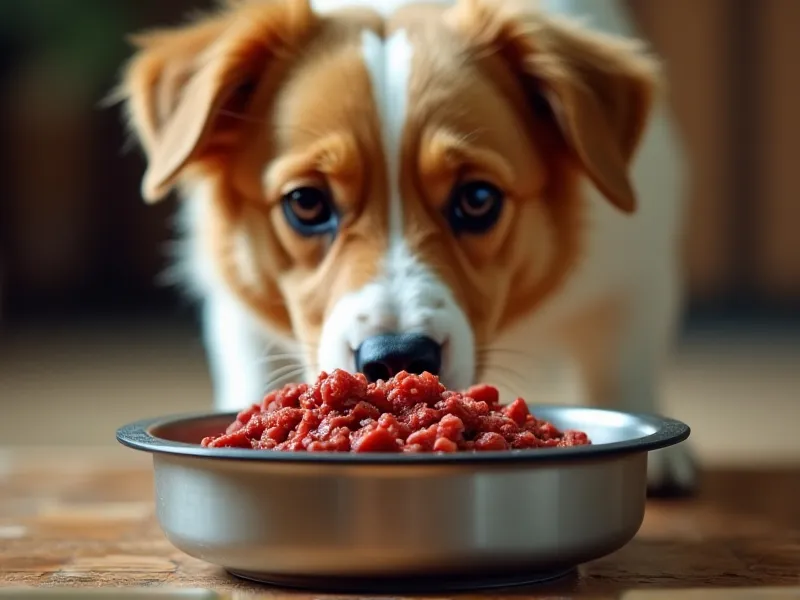
Table of Contents
- Can Dogs Eat Cooked Ground Beef? The Short Answer
- Nutritional Benefits of Cooked Ground Beef for Dogs
- Potential Risks of Feeding Cooked Ground Beef to Dogs
- How Much Cooked Ground Beef Is Safe for Dogs?
- Healthier Alternatives to Ground Beef for Dogs
- FAQ: Your Questions Answered
- Conclusion: Moderation is Key
Can Dogs Eat Cooked Ground Beef? The Short Answer
Yes, dogs can eat cooked ground beef—in moderation and when prepared properly. Plain, unseasoned, thoroughly cooked ground beef is generally safe for most healthy dogs and can even offer some nutritional benefits. However, it’s not a “free pass” to share your burger or taco meat without caution. Factors like fat content, added seasonings, and portion size can turn this tasty treat into a health risk.
The key here is plain and cooked. Avoid ground beef with onions, garlic, salt, pepper, or other spices (many of which are toxic to dogs). Also, never feed raw ground beef—undercooked meat can harbor harmful bacteria like Salmonella or E. coli, which pose risks to both you and your pup.
Nutritional Benefits of Cooked Ground Beef for Dogs
When prepared correctly, cooked ground beef can be a nutrient-dense addition to your dog’s diet (as an occasional treat, not a staple). Let’s break down its key nutritional perks:
1. High-Quality Protein
Beef is an excellent source of complete protein, meaning it contains all the essential amino acids your dog needs for muscle growth, tissue repair, and overall energy. Protein is crucial for dogs of all ages—puppies need it for growth, adult dogs for maintaining muscle mass, and seniors for preserving strength.
2. Iron (Heme Iron)
Ground beef is rich in heme iron, a type of iron that’s highly absorbable by the body. Iron helps transport oxygen in the blood (via red blood cells) and supports healthy brain function. Dogs with iron deficiencies (though rare in healthy dogs) may benefit from small amounts of iron-rich foods like beef.
3. Zinc
Zinc is an essential mineral for dogs, supporting immune function, skin health, and wound healing. A zinc deficiency can lead to issues like dry, flaky skin or a weakened immune system, so getting enough from food is key.
4. B Vitamins
Ground beef contains B vitamins like B12, niacin (B3), and riboflavin (B2). These vitamins play roles in energy metabolism, nerve function, and red blood cell production. B12, in particular, is vital for brain health and preventing anemia.
5. Selenium
This trace mineral acts as an antioxidant, protecting cells from damage and supporting thyroid function. Selenium deficiency is rare in dogs but can lead to muscle weakness or heart issues.
Potential Risks of Feeding Cooked Ground Beef to Dogs
While cooked ground beef has benefits, it’s not without risks—especially when overfed or improperly prepared. Here are the top concerns to watch for:
1. High Fat Content
Most ground beef (even “lean” varieties) contains fat, and too much fat can spell trouble for dogs. Excess fat intake can lead to:
- Pancreatitis: A painful, potentially life-threatening inflammation of the pancreas. Dogs with pancreatitis often experience vomiting, diarrhea, and abdominal pain. Breeds like Miniature Schnauzers, Cocker Spaniels, and obese dogs are particularly prone to this condition.
- Obesity: Regularly feeding high-fat treats can pack on extra pounds, increasing the risk of diabetes, joint pain, and heart disease.
Pro tip: Opt for “extra lean” ground beef (90% lean or higher) to reduce fat intake. Always drain excess fat after cooking—never leave grease in the meat, as it’s a胰腺炎风险 (pancreatitis risk) waiting to happen.
2. Toxic Seasonings
Many of the spices we love on ground beef are dangerous for dogs. Common offenders include:
- Onions and Garlic: These belong to the Allium family and can damage a dog’s red blood cells, leading to anemia. Even small amounts (like in taco seasoning or burger mix) can be toxic.
- Salt: Excess salt can cause sodium ion poisoning, leading to vomiting, diarrhea, seizures, or even death. Most commercial ground beef dishes (like burgers or meatballs) are high in salt.
- Xylitol: A sugar substitute sometimes found in low-sugar seasonings or sauces. Xylitol is highly toxic to dogs and can cause a rapid drop in blood sugar or liver failure.
Always check the label if you’re using pre-packaged ground beef—many pre-seasoned mixes contain these harmful ingredients. When in doubt, cook plain, unseasoned ground beef from scratch.
3. Bacterial Contamination (If Undercooked)
Raw or undercooked ground beef is a breeding ground for bacteria like Salmonella, E. coli, or Listeria. These pathogens can cause gastrointestinal upset (vomiting, diarrhea) in dogs and may even spread to humans (a risk known as “zoonosis”). To keep your pup safe, cook ground beef to an internal temperature of at least 160°F (71°C)—no pink in the middle!
4. Choking Hazard (Rare, But Possible)
While ground beef is generally soft, large chunks (if not broken up) could pose a choking risk for small dogs or dogs who gulp their food. Always break cooked ground beef into small pieces before feeding.
How Much Cooked Ground Beef Is Safe for Dogs?
The golden rule: Cooked ground beef should make up no more than 10% of your dog’s daily calorie intake. Treats (including human foods like beef) shouldn’t replace your dog’s regular, balanced dog food, which is formulated to meet all their nutritional needs.
To put this into perspective, let’s look at portion sizes based on your dog’s weight:
| Dog Weight | Daily Calorie Needs* | Max Ground Beef (Cooked, Lean) |
|---|---|---|
| 10 lbs | ~300 calories | 1–2 tbsp (about 30 calories) |
| 30 lbs | ~700 calories | 2–3 tbsp (about 70 calories) |
| 60 lbs | ~1,100 calories | 1/4 cup (about 110 calories) |
| 90 lbs | ~1,500 calories | 1/3 cup (about 150 calories) |
Calorie estimates based on average adult dogs; active dogs or puppies may need more, seniors or less active dogs fewer. Always adjust based on your dog’s individual needs.
If you’re unsure how much to feed, consult your vet. They can help you calculate a safe portion based on your dog’s age, activity level, and health status (e.g., dogs with pancreatitis or obesity may need smaller portions or avoid beef entirely).
Healthier Alternatives to Ground Beef for Dogs
If you’re looking for leaner or more nutrient-dense protein options, these alternatives to ground beef are often safer or more beneficial for dogs:
1. Lean Ground Turkey or Chicken
Turkey and chicken are lower in fat than beef, making them better choices for dogs prone to pancreatitis or obesity. They’re also rich in protein and easy to digest. Just like with beef, opt for plain, unseasoned, and thoroughly cooked versions.
2. Boneless, Skinless Chicken Breast
Chicken breast is a staple in many homemade dog food recipes—and for good reason. It’s ultra-lean, high in protein, and low in fat. Boil or bake it plain, then shred or dice for a healthy treat.
3. Salmon (Cooked)
Salmon is packed with omega-3 fatty acids, which support skin, coat, and joint health. It’s also a great protein source, though it should be fed in moderation (too much can cause diarrhea). Always cook salmon thoroughly to avoid parasites.
4. Lean Beef Cuts (Sirloin, Round)
If your dog loves beef, lean cuts like sirloin or eye of round are better than ground beef. They’re lower in fat and can be diced into small pieces for a occasional treat. Avoid fatty cuts like ribeye or brisket.
5. Eggs (Cooked)
Eggs are a budget-friendly, nutrient-dense protein source. They’re rich in vitamins A, D, and B12, as well as selenium. Scramble or boil an egg (no salt or butter) for a quick, healthy snack.
FAQ: Your Questions Answered
Q: Can dogs eat raw ground beef?
A: No. Raw ground beef carries a high risk of bacterial contamination (Salmonella, E. coli) and can cause gastrointestinal upset or food poisoning. Stick to thoroughly cooked beef.
Q: Is ground beef good for dogs with sensitive stomachs?
A: It depends. Plain, cooked, lean ground beef may be gentle on some dogs’ stomachs (it’s often used in “bland diets” for diarrhea). However, high-fat beef can worsen stomach issues. Always consult your vet before feeding beef to a dog with digestive problems.
Q: Can dogs eat ground beef with rice?
A: Yes, in moderation. A small amount of plain cooked ground beef mixed with white rice is a classic “bland diet” recommended by vets for dogs with upset stomachs. Just ensure the beef is lean, unseasoned, and the rice is plain (no butter or salt).
Q: How often can I feed my dog cooked ground beef?
A: Occassionally—no more than 1–2 times per week. Remember, it’s a treat, not a meal replacement. Overfeeding can lead to obesity or pancreatitis.
Q: My dog ate seasoned ground beef—what should I do?
A: Contact your vet immediately. If the beef contained onions, garlic, xylitol, or large amounts of salt, your dog may need medical attention. Watch for symptoms like vomiting, diarrhea, lethargy, or pale gums, and share the ingredients with your vet.
Conclusion: Moderation is Key
Cooked ground beef can be a safe, tasty treat for your dog when prepared properly—plain, lean, thoroughly cooked, and in small portions. It offers protein, iron, and other nutrients, but it’s not a substitute for a balanced dog food diet.
As with any human food, the key is moderation. Avoid seasonings, opt for lean cuts, and never overfeed. And if your dog has health issues like pancreatitis, obesity, or food allergies, always check with your vet before sharing beef (or any new food).
At the end of the day, your dog’s health and happiness are what matter most. A small spoonful of plain cooked ground beef now and then? Likely safe and sure to make their tail wag. But when in doubt, those puppy dog eyes can wait—consult your vet first.
Sources:
- American Society for the Prevention of Cruelty to Animals (ASPCA). “People Foods to Avoid Feeding Your Pets.”
- American Veterinary Medical Association (AVMA). “Nutrition for Dogs.”
- Coates, J. (2021). “Can Dogs Eat Ground Beef?” PetMD.
- Veterinary Nutritionist Dr. Justin Shmalberg. “Feeding Human Foods to Dogs: Risks and Benefits.” University of Florida College of Veterinary Medicine.