· 8 min read
Can Dogs Eat Gristle? The Surprising Truth Every Pet Parent Should Know
Picture this: You’re enjoying a hearty roast chicken or a juicy steak, and there it is—the tiny, springy piece of gristle you’ve nudged to the edge of your plate. Your dog, ever the opportunist, sits beside you, tail wagging, nose twitching, clearly begging for a taste. “It’s just a little piece,” you think. “Surely it won’t hurt, right?”
If you’ve ever found yourself in this scenario, you’re not alone. Gristle is one of those “gray area” human foods that leaves pet parents scratching their heads. Is it a safe, natural treat, or a hidden hazard? Let’s dive into the details to help you make the best choice for your furry friend.
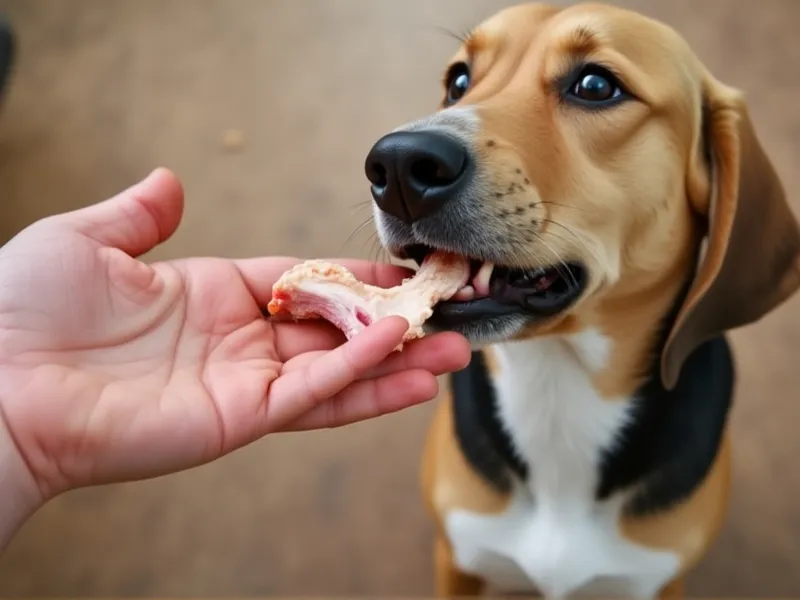
Table of Contents
- Can Dogs Eat Gristle? The Short Answer
- What Is Gristle, Anyway?
- Potential Benefits of Gristle for Dogs (Spoiler: They’re Minimal)
- The Risks of Feeding Gristle to Dogs (These Are Important)
- How Much Gristle Is “Safe” for Dogs?
- Healthier Alternatives to Gristle
- FAQ: Your Gristle Questions Answered
- Final Thoughts: Moderation and Common Sense
Can Dogs Eat Gristle? The Short Answer
Yes, but only in very small, occasional amounts—and with caution. Gristle isn’t toxic to dogs, but it’s far from a “superfood.” While some dogs may tolerate a tiny piece without issue, it comes with significant risks that often outweigh any minor benefits. Think of it like junk food for dogs: not poisonous, but not something you’d want to make a regular part of their diet.
What Is Gristle, Anyway?
Before we dive into safety, let’s clarify what gristle actually is. Gristle is a type of connective tissue found in meat, most commonly around joints, bones, or between muscles. It’s made primarily of collagen, a protein that gives it a tough, rubbery texture (hence why it’s often left uneaten by humans!). When cooked, it softens slightly but remains chewy—think the “springy” part of a chicken wing or the edge of a pot roast.
Potential Benefits of Gristle for Dogs (Spoiler: They’re Minimal)
If gristle isn’t toxic, does it offer any upside? Let’s break down the supposed benefits:
1. Collagen for Joints and Skin
Gristle is rich in collagen, a protein that supports skin elasticity and joint health in both humans and dogs. Some pet parents assume this makes gristle a natural “supplement” for aging dogs or those with joint issues. However, the amount of collagen in a tiny piece of gristle is negligible. For dogs to see real benefits, they’d need far more collagen than a single gristle scrap could provide—and there are safer, more effective ways to add collagen to their diet (like high-quality joint supplements or bone broth).
2. Trace Nutrients
Gristle may contain small amounts of minerals like phosphorus and calcium, which are important for bone health. But again, these amounts are minimal. A balanced dog food already provides all the essential nutrients your pup needs, so gristle isn’t a meaningful source of nutrition.
3. Mental Stimulation (Maybe)
Some dogs enjoy the challenge of chewing on gristle, which can keep them occupied for a few minutes. But this is a stretch—there are far safer, more engaging chew toys (like Kongs or antlers) that won’t pose choking or digestive risks.
The bottom line: Gristle isn’t a “healthy” treat. Any benefits are minor and easily overshadowed by its potential dangers.
The Risks of Feeding Gristle to Dogs (These Are Important)
Now, let’s talk about the real concerns. While a tiny piece of gristle might seem harmless, it can lead to serious issues—especially if fed regularly or in large chunks.
1. Choking Hazard
Gristle is tough, rubbery, and doesn’t break down easily when chewed. For small dogs (think Chihuahuas, Yorkies) or dogs who gulp their food, a piece of gristle can get stuck in the throat, blocking the airway. This is a life-threatening emergency. Even larger dogs aren’t immune—gristle can lodge in the esophagus, causing discomfort, drooling, or difficulty breathing.
2. Digestive Upset
Gristle is hard to digest. If your dog eats a large piece, it may sit in their stomach or intestines, leading to:
- Vomiting
- Diarrhea
- Bloating
- Abdominal pain
In severe cases, undigested gristle can form a blockage in the intestines, which requires surgery to remove. Intestinal blockages are painful, expensive, and potentially fatal—so this risk alone is reason enough to be cautious.
3. Bacterial Contamination (If Raw)
If the gristle is raw (e.g., from uncooked meat), it may carry bacteria like Salmonella or E. coli, which can sicken both your dog and your family. While cooking reduces this risk, it doesn’t eliminate it entirely—especially if the meat wasn’t handled properly.
4. Seasonings and Additives (A Hidden Danger)
Gristle from processed meats (like deli turkey, sausage, or canned soups) is often loaded with salt, garlic, onion, or sugar—all of which are toxic to dogs. Even “plain” gristle from your plate might be seasoned with spices (like pepper) or cooked in butter, which can upset your dog’s stomach. Always ensure gristle is unseasoned, plain, and cooked if you must offer it (but we’ll explain why you should avoid it altogether later!).
How Much Gristle Is “Safe” for Dogs?
If you still want to give your dog a tiny piece of gristle occasionally, here’s how to minimize risk:
- Size matters: For small dogs (under 20 lbs), a piece no larger than a grain of rice. For medium dogs (20–50 lbs), a piece the size of a dime. For large dogs (over 50 lbs), a piece the size of a nickel.
- Frequency: No more than once a week. Gristle should never be a regular treat.
- Supervise: Always watch your dog while they chew gristle. If they start gagging, coughing, or pawing at their mouth, intervene immediately.
- Avoid if: Your dog has a history of digestive issues, is a “gulp eater,” or is a puppy (their small throats and immature digestive systems are more vulnerable).
Healthier Alternatives to Gristle
Instead of risking gristle, opt for these safe, nutritious treats that your dog will love just as much (if not more!):
1. Cooked, Boneless Meat
A small piece of cooked chicken, turkey, or lean beef (unseasoned) is a great source of protein. Unlike gristle, it’s easy to digest and low-risk.
2. Veggies
Carrots, green beans, or cucumber slices are low-calorie, high-fiber, and safe for most dogs. They’re also great for dental health—crunching on carrots helps scrape plaque off teeth!
3. Fruit (In Moderation)
Apples (without seeds), blueberries, or banana slices make sweet, healthy treats. Just avoid grapes, raisins, and cherries, which are toxic to dogs.
4. Commercial Dental Chews
Look for vet-recommended dental chews (like Greenies or Pedigree Dentastix) designed to clean teeth and freshen breath. These are formulated to be digestible and reduce choking risks.
5. Bone Broth
A spoonful of unsalted bone broth is a tasty, collagen-rich treat that’s gentle on the stomach. It’s great for picky eaters or dogs recovering from illness.
FAQ: Your Gristle Questions Answered
Q: My dog ate a big piece of gristle—should I panic?
A: Stay calm, but monitor them closely for 24–48 hours. Signs of trouble include vomiting, diarrhea, lethargy, loss of appetite, or difficulty defecating. If you notice any of these, contact your vet immediately—they may need to check for an intestinal blockage.
Q: Is gristle the same as bone? Can dogs eat bones?
A: No, gristle is connective tissue; bones are hard and can splinter, causing choking or punctures. Cooked bones are never safe for dogs (they splinter easily). Raw bones can be safe for some dogs but should only be given under strict supervision (and avoid small bones like chicken bones).
Q: Can puppies eat gristle?
A: It’s best to avoid it. Puppies have smaller airways and developing digestive systems, making them more prone to choking or upset stomachs from gristle.
Q: Is gristle good for dogs’ teeth?
A: No. While some people think chewing gristle “cleans teeth,” its rubbery texture doesn’t effectively scrape plaque. Stick to dental chews or raw carrots for dental health instead.
Final Thoughts: Moderation and Common Sense
At the end of the day, gristle isn’t toxic, but it’s not a treat worth risking. The minimal benefits are far outweighed by the potential for choking, digestive issues, or blockages. Instead of sharing your table scraps, opt for safe, nutritious alternatives that your dog will enjoy without the stress.
Every dog is different—some may tolerate a tiny piece of gristle with no issues, while others could have a severe reaction. When in doubt, ask your vet. They know your dog’s health history and can give personalized advice.
After all, your dog’s safety is worth more than a momentary tail wag. Stick to treats you know are safe, and save the gristle for the trash can. Your pup will thank you with a healthy, happy tail thump!
Sources:
- American Kennel Club (AKC). “Human Foods Dogs Can and Can’t Eat.” akc.org
- PetMD. “Choking Hazards for Dogs: What to Watch For.” petmd.com
- VCA Animal Hospitals. “Gastrointestinal Obstruction in Dogs.” vcahospitals.com
- World Small Animal Veterinary Association (WSAVA). “Nutrition Toolkit for Pet Owners.” wsava.org