· 8 min read
Can Dogs Eat Grilled Onions? The Surprising Truth Every Pet Parent Needs to Know
Picture this: It’s a warm summer evening, and you’re hosting a backyard BBQ. The grill is sizzling with burgers, veggies, and—of course—caramelized grilled onions, their sweet, smoky aroma wafting through the air. Your dog, ever the enthusiastic foodie, trots over, tail thumping, eyes glued to the plate of onions in your hand. “Just a tiny bite won’t hurt, right?” you think. After all, onions are a healthy part of your diet—packed with fiber, vitamins, and antioxidants. But here’s the thing: what’s good for us isn’t always good for our furry friends.
If you’ve ever wondered whether grilled onions are safe for dogs, you’re not alone. As pet parents, we want to share the joys of mealtime with our pups, but it’s crucial to know which human foods are off-limits. In this post, we’ll dive into the science behind onion toxicity, break down the risks (and why even “healthy” nutrients don’t matter here), and share safe, tasty alternatives your dog will love. Let’s get started!
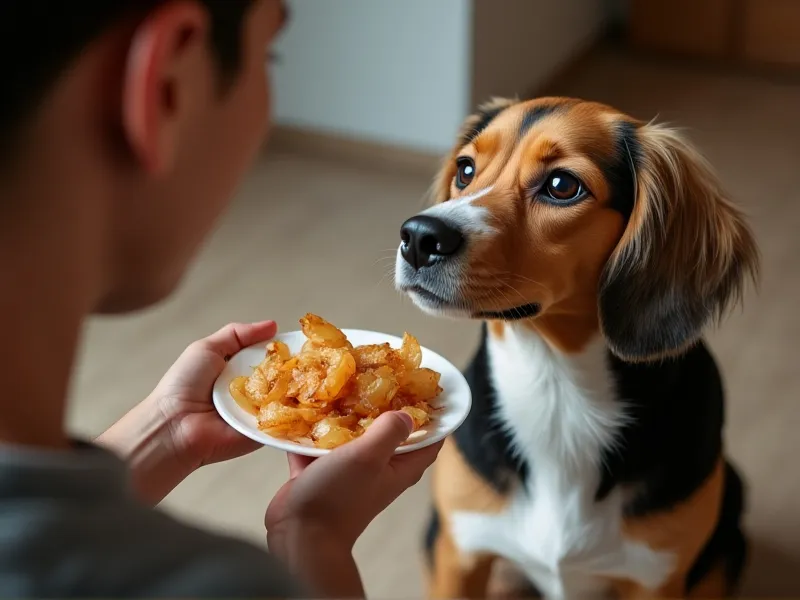
Table of Contents
- Can Dogs Eat Grilled Onions? The Short Answer
- Why Onions Are Toxic to Dogs: The Science Behind the Danger
- What Happens If Your Dog Eats Grilled Onions? Symptoms to Watch For
- “But Onions Have Nutrients!” Why Benefits Don’t Outweigh the Risks
- Is Any Amount of Grilled Onion Safe for Dogs?
- Healthier Alternatives to Grilled Onions for Dogs
- FAQ: Your Most Pressing Onion Toxicity Questions Answered
- Conclusion: Keep Your Pup Safe and Happy
Can Dogs Eat Grilled Onions? The Short Answer
No. Grilled onions (and all forms of onions—raw, cooked, dehydrated, or powdered) are toxic to dogs. Even small amounts can cause serious health problems, including life-threatening anemia. While onions are a staple in human diets, they contain a compound that’s harmless to us but dangerous to our canine companions. Let’s unpack why.
Why Onions Are Toxic to Dogs: The Science Behind the Danger
Onions belong to the Allium family, which also includes garlic, leeks, chives, and shallots. All of these plants contain thiosulfate, a compound that’s toxic to dogs (and cats, too). Here’s why this matters:
- Humans vs. Dogs: Our bodies produce an enzyme called rhodanese, which breaks down thiosulfate into harmless byproducts. Dogs, however, lack enough rhodanese to process thiosulfate efficiently. When dogs eat onions, thiosulfate builds up in their bloodstream and attacks red blood cells, causing them to rupture (a condition called hemolytic anemia).
- Red Blood Cell Damage: Red blood cells carry oxygen throughout the body. When they’re damaged, oxygen delivery drops, leading to weakness, fatigue, and organ damage. In severe cases, this can be fatal.
Does Grilling Make Onions Less Toxic?
You might think cooking onions would destroy the toxin—but think again. Grilling, boiling, or sautéing onions does not remove thiosulfate. In fact, cooking can even concentrate the compound (for example, onion powder is far more potent than a raw onion slice). So whether the onion is charred on the grill, caramelized in a pan, or dried into powder, it’s still dangerous for dogs.
What Happens If Your Dog Eats Grilled Onions? Symptoms to Watch For
Toxicity symptoms can take time to appear—sometimes 12–72 hours after ingestion. The severity depends on how much onion your dog ate, their size, and their overall health. Here’s what to look out for:
Mild to Moderate Symptoms:
- Gastrointestinal upset: Vomiting, diarrhea, or stomach pain (your dog might whine, pace, or refuse food).
- Lethargy: Your dog seems tired, weak, or less interested in play.
- Pale gums: Gums that are pinkish-white instead of healthy pink (press gently on their gums—they should return to pink within 2 seconds; if not, it’s a red flag).
Severe Symptoms (Signs of Anemia):
- Rapid breathing or panting: Because damaged red blood cells can’t carry enough oxygen, your dog may struggle to breathe.
- Dark urine: Red or brown urine (a sign of broken red blood cells being filtered by the kidneys).
- Collapse or seizures: In extreme cases, oxygen deprivation can lead to neurological issues.
If you notice any of these symptoms—especially pale gums, dark urine, or lethargy—contact your vet immediately. Onion toxicity is treatable if caught early, but delays can lead to organ failure or death.
“But Onions Have Nutrients!” Why Benefits Don’t Outweigh the Risks
You might be thinking, “Onions are high in fiber, potassium, and vitamin C—can’t those nutrients help my dog?” It’s a fair question, but here’s the reality: the risks of onion toxicity far outweigh any potential benefits.
Yes, onions contain:
- Fiber: Aids digestion (but dogs can get fiber from safe foods like pumpkin or sweet potatoes).
- Potassium: Supports heart and muscle health (bananas and spinach are safer sources).
- Antioxidants: Like quercetin (blueberries and broccoli offer antioxidants without the toxicity).
But these nutrients are not worth the risk of hemolytic anemia. Dogs don’t need onions to thrive—there are plenty of safe, nutrient-dense foods that offer the same benefits without endangering their health.
Is Any Amount of Grilled Onion Safe for Dogs?
Simply put: No amount of onion is truly “safe” for dogs. Even small quantities can cause problems, especially for small breeds or dogs with pre-existing conditions (like anemia or kidney disease).
Toxicity thresholds vary by size:
- Small dogs (under 20 lbs): As little as 1/4 cup of chopped onion can cause toxicity.
- Medium dogs (20–50 lbs): 1/2 cup of onion may lead to symptoms.
- Large dogs (50+ lbs): 1 cup or more could be dangerous.
But remember: Every dog is different. A 10-pound Chihuahua might get sick from a single grilled onion ring, while a 100-pound Great Dane might tolerate a small piece better—but tolerate doesn’t mean “safe.” Over time, repeated small exposures can build up in their system, leading to chronic anemia.
Rule of thumb: Keep all onion-containing foods (grilled, raw, powdered, or cooked) far from your dog’s reach.
Healthier Alternatives to Grilled Onions for Dogs
Want to share a tasty, nutrient-packed snack with your pup? Skip the onions and try these safe, dog-approved alternatives:
1. Carrots
- Why they’re great: Crunchy, low-calorie, and high in beta-carotene (supports eye health). Dogs love them raw or lightly steamed.
2. Green Beans
- Why they’re great: Rich in fiber and vitamins A, C, and K. Serve them fresh, frozen, or steamed (no salt or butter!).
3. Sweet Potatoes
- Why they’re great: A superfood for dogs! Packed with fiber, potassium, and vitamin A. Bake or boil them (no added sugar or spices).
4. Broccoli
- Why they’re great: Antioxidants, fiber, and vitamin C. Serve small florets (raw or cooked)—too much can cause gas, so moderation is key.
5. Blueberries
- Why they’re great: Low in calories, high in antioxidants (like resveratrol), and a fun, bite-sized treat for training.
These foods are non-toxic, easy to prepare, and loved by most dogs. Plus, they offer all the nutrients onions have—without the deadly side effects!
FAQ: Your Most Pressing Onion Toxicity Questions Answered
Q: My dog stole a small piece of grilled onion. Should I panic?
A: Don’t panic, but act quickly. Even a small piece could cause issues, especially for small dogs. Call your vet immediately—they may recommend inducing vomiting (if ingestion was recent) or monitoring for symptoms. Early intervention is key!
Q: Are cooked onions safer than raw onions for dogs?
A: No. Cooking does not remove thiosulfate, the toxic compound. In fact, cooked onions (like grilled or caramelized) may be more appealing to dogs, increasing the risk of them sneaking a bite.
Q: What about onion powder or garlic powder? Are those safe?
A: Onion and garlic powders are more dangerous than whole onions because they’re concentrated. A tiny sprinkle on your dog’s food could lead to toxicity. Always check ingredient lists for “onion powder” or “garlic powder” in commercial dog treats or kibble—opt for brands that avoid these.
Q: Can dogs eat other Allium vegetables, like leeks or chives?
A: No. All Allium plants (onions, garlic, leeks, chives, shallots) contain thiosulfate and are toxic to dogs. Keep all of these foods out of your dog’s reach.
Q: How is onion toxicity treated?
A: Treatment depends on how much onion was eaten and how long ago. Your vet may induce vomiting, administer activated charcoal to absorb toxins, or provide IV fluids. In severe cases of anemia, blood transfusions may be necessary.
Conclusion: Keep Your Pup Safe and Happy
When it comes to grilled onions and dogs, the answer is clear: avoid them entirely. While it might be tempting to share a bite of your BBQ feast, the risk of onion toxicity—with symptoms ranging from stomach upset to life-threatening anemia—is simply too great.
Instead, opt for safe, delicious alternatives like carrots, green beans, or sweet potatoes. These foods are packed with nutrients your dog needs, and they’ll love the taste just as much (if not more!).
Remember: When in doubt about a human food, always check with your vet. Your furry friend’s health is worth the extra caution.
Here’s to many happy, healthy BBQs with your pup—minus the onions! 🐶🍔
References
- American Society for the Prevention of Cruelty to Animals (ASPCA). “Onions.” ASPCA Toxic and Non-Toxic Plants.
- VCA Animal Hospitals. “Onion and Garlic Toxicity in Dogs.” VCA Hospitals.
- PetMD. “Onion Poisoning in Dogs.” PetMD.
- American College of Veterinary Internal Medicine (ACVIM). “Hemolytic Anemia in Dogs.” ACVIM.