· 7 min read
Can Dogs Eat Grilled Chicken? A Pet Parent’s Guide to Safe, Tasty Treats
Picture this: It’s a warm summer evening, and you’re firing up the grill. The scent of marinated chicken drifts through the air, and suddenly, you feel a gentle nudge at your ankle. There’s your dog, tail thumping a mile a minute, eyes locked on the grill, and that irresistible “please share” expression on their face. We’ve all been there—tempted to toss our furry friend a bite of that juicy, charred chicken. But before you do, you pause: Is grilled chicken safe for dogs?
If you’ve ever asked yourself this question, you’re not alone. Chicken is a staple in many commercial dog foods, so it’s natural to wonder if the grilled version (a human favorite) is fair game. In this guide, we’ll break down everything you need to know: whether dogs can eat grilled chicken, the benefits and risks, how much to feed, and even healthier alternatives. Let’s dive in!
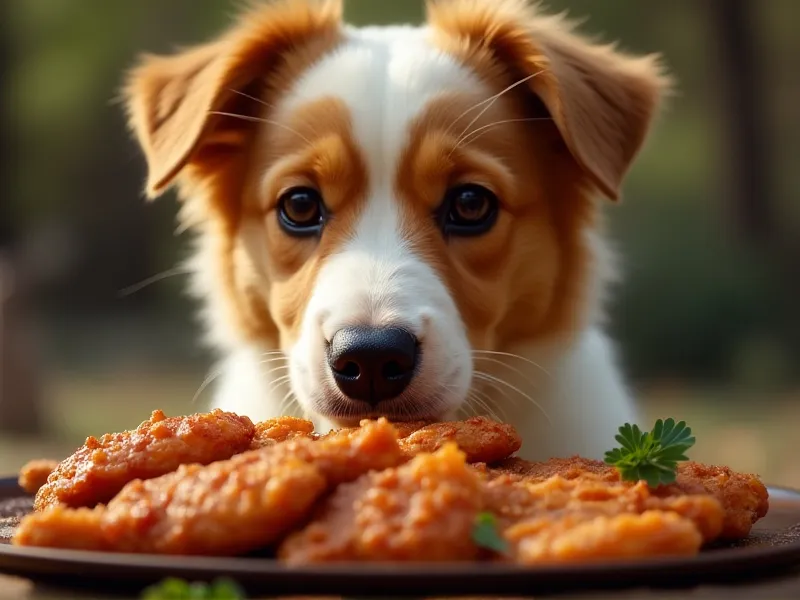
Table of Contents
- Can Dogs Eat Grilled Chicken? The Short Answer
- The Benefits of Grilled Chicken for Dogs
- Potential Risks of Grilled Chicken for Dogs
- How Much Grilled Chicken Can Dogs Eat? Guidelines
- Healthier Alternatives to Grilled Chicken
- FAQ: Common Questions About Dogs and Grilled Chicken
- Conclusion: Moderation is Key
Can Dogs Eat Grilled Chicken? The Short Answer
Yes, dogs can eat grilled chicken—but with important caveats. Plain, unseasoned, boneless, and skinless grilled chicken is generally safe for dogs in moderation. In fact, chicken is a high-quality protein source that’s easy for dogs to digest, making it a popular ingredient in dog food and a great occasional treat.
However, the keyword here is plain. Many grilled chicken recipes include seasonings, marinades, or added fats that can be harmful to dogs. Additionally, bones and excess skin pose their own risks. Let’s break down the details to ensure your pup stays safe and happy.
The Benefits of Grilled Chicken for Dogs
When prepared correctly, grilled chicken offers several nutritional benefits for your dog. Here’s why it can be a healthy addition to their diet (in small amounts!):
1. High-Quality Protein
Protein is the building block of a dog’s diet, supporting muscle growth, repair, and overall energy. Chicken is a complete protein, meaning it contains all the essential amino acids dogs need. According to the American College of Veterinary Nutrition (ACVN), protein should make up 18-22% of an adult dog’s diet and up to 30% for puppies and active dogs. Grilled chicken (without added fats) is a lean source of this crucial nutrient.
2. Essential Vitamins and Minerals
Chicken is packed with vitamins and minerals that support your dog’s health:
- B Vitamins (B6, B12, Niacin): These help convert food into energy, support brain function, and maintain healthy skin and coat.
- Selenium: An antioxidant that boosts immune function and thyroid health.
- Phosphorus: Works with calcium to keep bones and teeth strong.
3. Easily Digestible
Compared to red meats like beef or pork, chicken is gentler on a dog’s stomach. This makes it a good option for dogs with sensitive digestion or those recovering from illness (always consult your vet first for medical cases).
Potential Risks of Grilled Chicken for Dogs
While grilled chicken can be beneficial, it’s not without risks—especially if it’s not prepared with your dog in mind. Here are the biggest dangers to watch for:
1. Toxic Seasonings and Marinades
This is the most common risk when sharing grilled chicken with dogs. Many human seasonings are toxic to dogs, including:
- Onions and Garlic: Even small amounts can damage red blood cells, leading to anemia.
- Salt: Excess salt causes sodium ion poisoning, leading to vomiting, diarrhea, seizures, or even death.
- Garlic Powder, Onion Powder, or Spice Blends: These concentrated forms are even more dangerous than fresh onions/garlic.
- Alcohol, Citrus, or Sugary Marinades: Alcohol is toxic, citrus can cause stomach upset, and sugar contributes to obesity and dental issues.
Always avoid sharing chicken seasoned with these ingredients. Stick to plain grilled chicken with no added salt, spices, or sauces.
2. Bones: A Choking and Internal Hazard
Cooked chicken bones (including grilled ones) are a major no-no. When cooked, bones become brittle and can splinter, causing choking, lacerations to the mouth or throat, or blockages in the intestines. Even small bones pose a risk—always remove all bones before giving chicken to your dog.
3. Excess Fat and Skin
Chicken skin and the fatty drippings from grilling are high in fat, which can trigger pancreatitis in dogs. Pancreatitis is a painful inflammation of the pancreas that can lead to vomiting, diarrhea, and even organ failure. Lean, skinless chicken is the safest bet.
4. Charred or Burnt Meat
While research on dogs is limited, some studies suggest that charred meat (from grilling) may contain polycyclic aromatic hydrocarbons (PAHs) and heterocyclic amines (HCAs)—compounds linked to cancer in humans. To reduce this risk, trim off any burnt edges before sharing.
How Much Grilled Chicken Can Dogs Eat? Guidelines
Moderation is key! Grilled chicken should be an occasional treat, not a replacement for your dog’s balanced commercial diet. Here’s how much to feed based on your dog’s size:
| Dog Size | Recommended Serving (Occasional Treat) |
|---|---|
| Small (10-20 lbs) | 1-2 ounces (about the size of a deck of cards) |
| Medium (30-50 lbs) | 2-4 ounces (about the size of a small fist) |
| Large (60+ lbs) | 4-6 ounces (about the size of a large fist) |
Pro Tip: Treats (including grilled chicken) should make up no more than 10% of your dog’s daily calorie intake, per the AKC. This ensures they don’t miss out on essential nutrients from their regular food.
If you’re unsure how this fits into their diet, check the calorie content of your dog’s food and adjust portions accordingly. For example, a 30-lb dog eating 600 calories/day should have no more than 60 calories from treats—about 3 ounces of grilled chicken (skinless, boneless).
Healthier Alternatives to Grilled Chicken
If you want to avoid the risks of grilling (or just mix up your dog’s treats), these alternatives are safer and equally tasty:
1. Boiled Chicken
Boiling chicken (plain, no salt) is the gold standard for dog-safe chicken. It’s lean, easy to digest, and free from added fats or charring. Simply boil boneless, skinless chicken breasts, shred, and serve plain or mixed with their kibble.
2. Baked Chicken
Baking chicken (350°F for 20-25 minutes) is another low-fat option. Skip the oil—just place chicken on a baking sheet and cook until internal temperature reaches 165°F.
3. Lean Turkey
Turkey is similar to chicken in nutrition but even leaner. Plain, baked, or boiled turkey makes a great alternative for dogs who love poultry.
4. Fresh Fruits and Veggies
For a low-calorie treat, try carrots, green beans, or apple slices (no seeds!). These are packed with fiber and vitamins and pose no risk of seasonings or bones.
FAQ: Common Questions About Dogs and Grilled Chicken
Q: Can dogs eat grilled chicken bones?
A: No! Cooked bones (including grilled ones) splinter easily and can cause choking, intestinal blockages, or tears. Always remove bones before sharing.
Q: My dog stole a piece of seasoned grilled chicken—what should I do?
A: If the chicken contained onions, garlic, or large amounts of salt, monitor your dog for symptoms like vomiting, diarrhea, lethargy, or pale gums. Contact your vet immediately if these occur. For small amounts of mild seasonings (like a sprinkle of pepper), your dog will likely be fine, but offer extra water to flush out excess salt.
Q: Is grilled chicken safe for puppies?
A: Yes, but in very small amounts. Puppies have sensitive stomachs, so start with 1-2 bites of plain, skinless, boneless chicken to avoid upset. Consult your vet before introducing new foods to puppies.
Q: Can dogs eat grilled chicken every day?
A: No. Daily chicken can lead to nutritional imbalances (e.g., too much protein, not enough fiber or vitamins from other foods) and obesity. Stick to occasional treats.
Conclusion: Moderation is Key
Grilled chicken can be a safe, tasty treat for your dog—if it’s plain, boneless, skinless, and given in moderation. Avoid seasonings, bones, and excess fat, and always prioritize their regular balanced diet. When in doubt, consult your vet—they know your dog’s health history and can offer personalized advice.
At the end of the day, sharing a bite of plain grilled chicken with your pup (after you’ve double-checked for bones and seasonings!) is a small way to bond. Just remember: A happy, healthy dog is one who enjoys treats in moderation. Now, go fire up that grill—and maybe save a plain, bone-free piece for your furry friend!
Sources: