· 8 min read
Can Dogs Eat Green Beans Raw? Benefits, Risks & Safe Feeding Guidelines
Picture this: You’re standing at the kitchen counter, snacking on a handful of fresh, crunchy green beans. Out of the corner of your eye, you spot your dog—tail thumping, ears perked, nose twitching—staring at you like you’re holding the last slice of pizza on Earth. “Can I share?” you wonder. “Are raw green beans safe for dogs?”
If you’ve ever asked that question, you’re not alone. Green beans are a popular, nutrient-packed veggie for humans, and many pet parents want to pass the goodness along to their furry friends. But before you toss Fido a bean, it’s important to separate fact from fiction. In this post, we’ll dive into whether raw green beans are a safe treat, their benefits, potential risks, and how to feed them responsibly. Let’s crunch into the details!
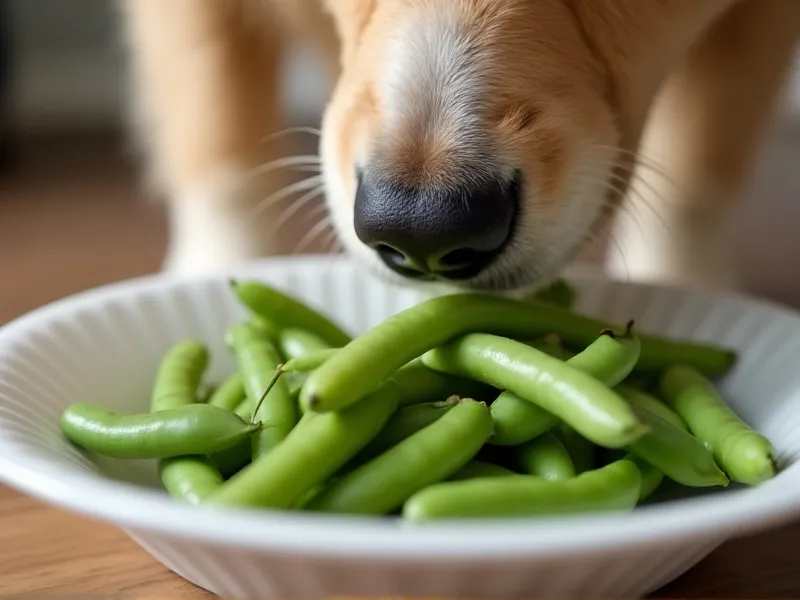
Table of Contents
- Can Dogs Eat Green Beans Raw? The Short Answer
- The Benefits of Raw Green Beans for Dogs
- Potential Risks of Feeding Raw Green Beans to Dogs
- How Much Raw Green Beans Can Dogs Eat? Guidelines by Size
- Healthier Alternatives (or Preparations) to Raw Green Beans
- FAQ: Your Raw Green Bean Questions, Answered
- Conclusion: Moderation & Vet Check-Ins Are Key
Can Dogs Eat Green Beans Raw? The Short Answer
Yes, dogs can eat raw green beans—in moderation. Green beans are non-toxic to dogs (ASPCA, 2023) and can even offer health benefits when fed correctly. They’re low in calories, high in fiber, and packed with vitamins and minerals. However, there are caveats: too many raw green beans can cause stomach upset, and they may pose a choking risk for small dogs if not prepared properly. As with any new food, start small and monitor your pup for reactions.
The Benefits of Raw Green Beans for Dogs
Green beans aren’t just a crunchy snack—they’re a nutritional powerhouse for your dog. Here’s why they might make a great addition to their treat rotation:
1. Nutrient-Dense: Vitamins & Minerals Galore
Raw green beans are loaded with essential nutrients that support your dog’s overall health:
- Vitamin A: Boosts eye health, immune function, and skin/coat condition (AKC, 2022).
- Vitamin C: An antioxidant that fights free radicals and supports collagen production (important for joints and skin).
- Vitamin K: Helps with blood clotting and bone health (PetMD, 2023).
- Potassium: Regulates heart rate and muscle function, and supports kidney health (VCA Hospitals, 2023).
- Iron: Aids in red blood cell production, preventing anemia.
2. Fiber: A Digestive Superhero
Fiber is crucial for your dog’s gut health, and green beans deliver it in spades. Soluble fiber (found in green beans) helps slow digestion, keeping your dog full longer and stabilizing blood sugar. Insoluble fiber adds bulk to stool, promoting regular bowel movements and preventing constipation (Cornell University College of Veterinary Medicine, 2021).
For dogs struggling with weight gain, fiber-rich green beans can be a game-changer: they add volume to meals without extra calories, helping your pup feel satisfied while cutting back on kibble.
3. Low-Calorie & Low-Fat: Perfect for Weight Management
One cup of raw green beans contains only ~31 calories and 0.2g of fat (USDA, 2023). Compare that to a typical dog biscuit (which can have 30–50 calories per treat!), and you’ll see why green beans are a favorite among vets for overweight or obese dogs. They’re a guilt-free way to reward your pup without derailing their diet.
4. Crunchy Texture: Dental Benefits (Sort Of)
The crispness of raw green beans can help scrape plaque off your dog’s teeth as they chew—think of it as a “nature’s toothbrush.” While they’re not a substitute for regular dental care (brushing, dental chews), they can contribute to fresher breath and healthier gums when fed occasionally.
Potential Risks of Feeding Raw Green Beans to Dogs
While green beans are generally safe, there are a few risks to watch out for, especially if fed in excess or improperly prepared:
1. Stomach Upset: Too Much Fiber = Unhappy Tummies
Green beans are high in fiber, which is great in moderation—but too much can backfire. If your dog gobbles down a large handful of raw green beans, they may experience:
- Gas
- Bloating
- Diarrhea
- Stomach cramps
This is especially true for dogs with sensitive stomachs or those unused to high-fiber foods. Start with tiny portions (a teaspoon or two) and gradually increase to gauge their tolerance.
2. Choking Hazard: Size Matters
Whole raw green beans can be a choking risk, especially for small breeds (e.g., Chihuahuas, Yorkies) or dogs who wolf down food without chewing. The long, slender shape can get stuck in their throat. To avoid this, chop raw green beans into 1–2 inch pieces (or smaller for toy breeds) before feeding.
3. Natural Sugars: Even “Good” Sugars Add Up
Green beans contain natural sugars (about 1.9g per cup, USDA 2023). While this is minimal, dogs with diabetes or insulin resistance need to avoid sudden spikes in sugar intake. Always consult your vet before adding green beans (or any new food) to a diabetic dog’s diet.
4. Pesticides & Contaminants: Wash Thoroughly
Conventionally grown green beans may harbor pesticides, herbicides, or bacteria like Salmonella (CDC, 2022). To reduce risk:
- Wash raw green beans thoroughly under running water.
- Opt for organic green beans when possible to minimize chemical exposure.
- Avoid beans with visible mold, bruises, or slime—these can make your dog sick.
How Much Raw Green Beans Can Dogs Eat? Guidelines by Size
The golden rule for treats: They should make up no more than 10% of your dog’s daily calorie intake (VCA Hospitals, 2023). For green beans, here’s a rough guide based on your dog’s size:
| Dog Size | Raw Green Beans per Day (as treats) |
|---|---|
| Small (≤20 lbs) | 1–2 tablespoons (chopped) |
| Medium (21–50 lbs) | 2–3 tablespoons (chopped) |
| Large (51–90 lbs) | 3–4 tablespoons (chopped) |
| Extra-Large (>90 lbs) | 4–5 tablespoons (chopped) |
Pro Tip: Always adjust based on your dog’s activity level, weight, and health. For example, a highly active border collie may tolerate more than a sedentary pug. And never replace a meal with green beans—they’re a treat, not a substitute for balanced dog food.
Healthier Alternatives (or Preparations) to Raw Green Beans
If raw green beans don’t agree with your dog (or you want to mix things up), try these safer or more digestible options:
1. Steamed Green Beans
Steaming green beans softens their texture, making them easier to digest—especially for senior dogs, puppies, or dogs with sensitive stomachs. Steaming also retains most nutrients (unlike boiling, which leaches vitamins into water). Just steam until tender-crisp, let cool, and chop before serving.
2. Frozen Green Beans
Frozen green beans (thawed or served frozen) are a hit in summer! They’re crunchy, cooling, and great for teething puppies (the cold soothes sore gums). Plus, freezing preserves nutrients, so they’re just as healthy as fresh.
3. Other Dog-Safe Veggies
If your dog isn’t a green bean fan, try these alternatives:
- Carrots: Crunchy, high in vitamin A, and low in calories (raw or steamed).
- Cucumber: Hydrating, low-calorie, and perfect for hot days (remove seeds to avoid gas).
- Broccoli florets: Rich in fiber and vitamin C (steamed only—raw broccoli can cause gas).
- Zucchini: Mild-tasting and packed with antioxidants (shredded or sliced raw).
Avoid These Veggies: Onions, garlic, mushrooms, and avocados are toxic to dogs. Stick to the list above!
FAQ: Your Raw Green Bean Questions, Answered
Q: Can puppies eat raw green beans?
A: Yes, but start very small! Puppies have sensitive tummies, so offer 1–2 chopped pieces at a time. Wait 24 hours to check for diarrhea or gas before feeding more.
Q: Are canned green beans safe for dogs?
A: Canned green beans are not recommended. Most are packed in saltwater (sodium is bad for dogs’ kidneys) or have added sugars, preservatives, or seasonings. If you must use canned, choose “no salt added” and rinse thoroughly—but fresh or frozen is always better.
Q: My dog ate a whole bowl of raw green beans. Should I panic?
A: Probably not, but monitor them closely. They may have gas or loose stools for 24–48 hours. If they’re lethargic, vomiting, or in pain, contact your vet—severe bloating can be dangerous.
Q: Can green beans help with my dog’s bad breath?
A: They might! The crunch can scrape plaque, and the fiber helps move food through the gut (bad breath is sometimes linked to digestive issues). For persistent bad breath, though, see a vet—it could signal dental disease or other health problems.
Q: Are green beans safe for dogs with kidney disease?
A: Green beans are high in potassium, which can be harmful to dogs with advanced kidney disease (kidneys regulate potassium levels). Always ask your vet before feeding green beans to a dog with kidney issues.
Conclusion: Moderation & Vet Check-Ins Are Key
So, can dogs eat green beans raw? Absolutely—they’re a healthy, low-calorie treat that most dogs love. Just remember to:
- Chop them into bite-sized pieces to avoid choking.
- Start small to prevent stomach upset.
- Wash thoroughly (or buy organic) to reduce pesticides.
- Stick to the 10% treat rule to keep their diet balanced.
Every dog is different, though. If your pup has health conditions (like diabetes, kidney disease, or a sensitive stomach), or if you’re unsure, always consult your vet before adding green beans to their diet.
At the end of the day, sharing a crunchy green bean with your dog is a sweet (and healthy!) way to bond. Just keep it in moderation, and enjoy those tail wags—they’re worth it.
References
- American Society for the Prevention of Cruelty to Animals (ASPCA). (2023). People Foods to Avoid Feeding Your Pets. aspca.org/pet-care/animal-poison-control/people-foods-avoid-feeding-your-pets
- American Kennel Club (AKC). (2022). The Best Vegetables for Dogs: Safe and Healthy Options. akc.org/expert-advice/nutrition/best-vegetables-for-dogs/
- PetMD. (2023). Fiber for Dogs: Why It’s Important and How to Add It to Their Diet. petmd.com/dog/nutrition/fiber-dogs-why-its-important-and-how-add-their-diet
- United States Department of Agriculture (USDA). (2023). Nutrition Facts: Green Beans, Raw. usda.gov
- VCA Hospitals. (2023). Feeding Your Dog: Amounts & Frequency. vcahospitals.com/know-your-pet/feeding-your-dog
- Centers for Disease Control and Prevention (CDC). (2022). Food Safety for Pets. cdc.gov/healthypets/nutrition/food-safety.html