· 8 min read
Can Dogs Eat Cooked Green Beans? A Pet Parent’s Guide to Safe, Healthy Treats
It’s a familiar scene: You’re standing at the stove, stirring a pot of steamed green beans, when your dog trots over, nose twitching, and fixes you with those irresistible puppy eyes. “Just one bite?” they seem to say. You want to share—after all, veggies are good for you, right? But are green beans safe for dogs, especially when cooked?
If you’ve ever wondered whether your furry friend can enjoy this crunchy, nutrient-packed vegetable, you’re in the right place. In this guide, we’ll break down everything you need to know: from the nutritional benefits of cooked green beans to potential risks, how much to feed, and even healthier alternatives. Let’s dive in!
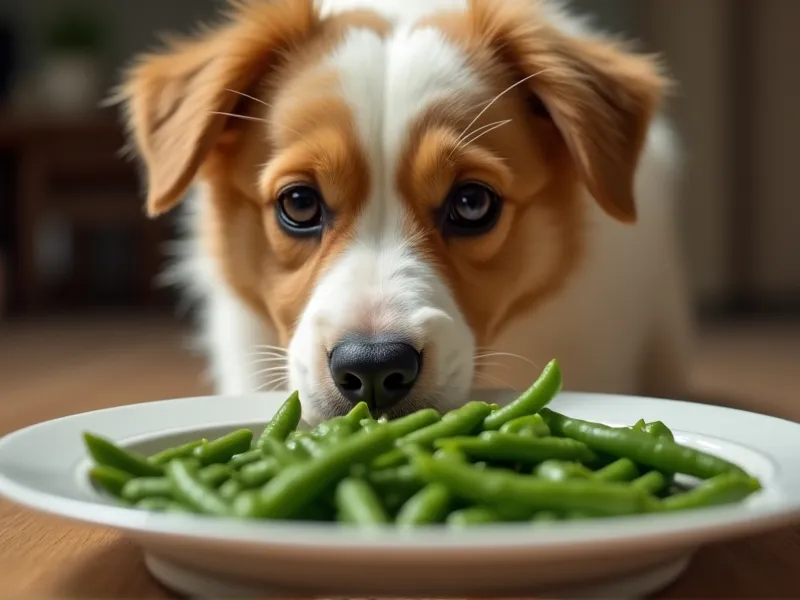
Table of Contents
- Can Dogs Eat Cooked Green Beans? The Short Answer
- Nutritional Benefits of Cooked Green Beans for Dogs
- Potential Risks to Watch For
- How Much Cooked Green Beans Can Dogs Eat?
- Healthier Alternatives to Green Beans (If Needed)
- Frequently Asked Questions (FAQ)
- Conclusion: Green Beans as a Safe, Occasional Treat
- References
Can Dogs Eat Cooked Green Beans? The Short Answer
Yes! Cooked green beans are generally safe and can even be a healthy addition to your dog’s diet—in moderation.
Unlike some human foods (looking at you, chocolate or onions), green beans are non-toxic to dogs. In fact, many veterinarians and pet nutritionists recommend them as a low-calorie, nutrient-dense treat. The key is to serve them plain, without added seasonings, and to avoid overfeeding, which can lead to digestive upset.
Nutritional Benefits of Cooked Green Beans for Dogs
Green beans aren’t just a “filler” veggie—they’re packed with vitamins, minerals, and fiber that can support your dog’s health. Let’s break down their nutritional profile:
1. Fiber: A Digestive Superstar
Cooked green beans are rich in dietary fiber, which helps keep your dog’s digestive system running smoothly. Fiber adds bulk to stool, preventing constipation, and can also support healthy gut bacteria. For dogs prone to obesity, fiber can help them feel full longer, reducing overeating (more on that later!).
2. Vitamins for Overall Wellness
- Vitamin A: Essential for eye health, skin health, and immune function. It supports your dog’s vision (especially night vision) and helps maintain a shiny coat.
- Vitamin C: An antioxidant that boosts the immune system, fights free radicals, and aids in collagen production (important for joints and skin).
- Vitamin K: Critical for blood clotting and bone health, helping your dog’s body repair injuries and maintain strong bones.
3. Potassium: Balancing Electrolytes
Potassium is an electrolyte that regulates fluid balance, muscle function, and heart health. It works with sodium to keep your dog’s cells functioning properly—especially important for active pups or those recovering from illness.
4. Low-Calorie, Low-Fat, and Nutrient-Dense
One of the biggest perks of green beans is their low calorie count. A cup of cooked green beans has only about 44 calories, making them an excellent treat for dogs on weight management plans. They’re also fat-free and cholesterol-free, so you can feel good about offering them as a guilt-free snack.
Potential Risks to Watch For
While cooked green beans are safe for most dogs, there are a few risks to keep in mind to ensure your pup stays happy and healthy:
1. Added Ingredients: The Hidden Danger
The green beans themselves are safe—but how you prepare them matters. Avoid serving green beans cooked with:
- Salt: Too much sodium can lead to dehydration, high blood pressure, or kidney issues.
- Butter/Oil: Adds unnecessary fat and calories, which can contribute to obesity or pancreatitis.
- Garlic/Onion: These are toxic to dogs, even in small amounts, and can damage red blood cells.
- Seasonings (e.g., garlic powder, chili flakes): Many spices are irritating to dogs’ stomachs or toxic.
Rule of thumb: Stick to plain, steamed, boiled, or roasted green beans with no added ingredients.
2. Too Much Fiber: Digestive Upset
While fiber is good, too much can backfire. Overfeeding green beans can lead to:
- Gas
- Bloating
- Diarrhea
- Stomach cramps
This is especially true for dogs with sensitive stomachs or those not used to high-fiber foods. Introduce green beans slowly to avoid digestive issues.
3. Choking Hazard (For Small Dogs or Whole Beans)
Whole green beans—especially long, uncut ones—can pose a choking risk, particularly for small breeds or dogs who gulp their food. To prevent this, chop green beans into bite-sized pieces before serving. For tiny dogs (e.g., Chihuahuas, Yorkies), even smaller pieces or mashed green beans may be safer.
4. Canned Green Beans: Watch for Added Salt or Sugar
Canned green beans are convenient, but many brands add salt, sugar, or preservatives to enhance flavor. Always check the label for “no salt added” or “low sodium” options. If you use canned, rinse them thoroughly to reduce sodium content before serving. Fresh or frozen green beans (without sauces) are the best choice.
How Much Cooked Green Beans Can Dogs Eat?
The golden rule for any treat—including green beans—is moderation. Treats should make up no more than 10% of your dog’s daily calorie intake, with the remaining 90% coming from a balanced, commercial dog food (or vet-approved homemade diet).
Here’s a general guideline based on your dog’s size:
| Dog Size | Recommended Serving (Cooked Green Beans) |
|---|---|
| Small (5–20 lbs) | 2–5 tablespoons (chopped) per day |
| Medium (20–50 lbs) | ¼–½ cup (chopped) per day |
| Large (50+ lbs) | ½–1 cup (chopped) per day |
Note: Adjust based on your dog’s activity level, age, and overall diet. For example, a senior dog with a slower metabolism may need smaller portions.
If you’re unsure how many calories your dog needs, ask your vet. They can help you calculate a daily limit and ensure green beans fit into their diet safely.
Healthier Alternatives to Green Beans (If Needed)
Green beans are a great option, but every dog is different! If your pup isn’t a fan, or if you want to mix up their treats, here are some other dog-safe veggies with similar benefits:
1. Carrots
Like green beans, carrots are low-calorie, high-fiber, and packed with vitamin A. They’re crunchy (good for dental health!) and can be served raw or cooked.
2. Broccoli
Broccoli is rich in vitamins C and K, fiber, and antioxidants. Serve small amounts (steamed or raw, chopped) to avoid gas—too much can cause stomach upset.
3. Cucumber
Cucumber is 96% water, making it a hydrating, low-calorie treat for hot days. It’s also a good source of vitamin K and potassium.
4. Zucchini
Zucchini is mild-tasting, high in fiber, and low in calories. Shred it into your dog’s food or serve cooked as a treat.
5. Pumpkin (Plain, Canned)
Plain, unsweetened pumpkin is a fiber powerhouse that can soothe upset stomachs (both diarrhea and constipation). It’s also rich in beta-carotene (which converts to vitamin A).
Avoid these veggies: Onions, garlic, mushrooms, avocado, and rhubarb—all are toxic to dogs.
Frequently Asked Questions (FAQ)
Q: Can dogs eat raw green beans instead of cooked?
A: Yes, raw green beans are safe for most dogs, but cooked green beans are easier to digest—especially for puppies, senior dogs, or those with sensitive stomachs. Raw green beans are also crunchier, which some dogs love, but they may pose a higher choking risk if not chopped.
Q: Are frozen green beans safe for dogs?
A: Yes! Frozen green beans (without sauces or seasonings) are safe. Thaw and chop them, or serve frozen as a cool treat on hot days (great for teething puppies!).
Q: Can green beans help my overweight dog lose weight?
A: Absolutely! Green beans are low in calories and high in fiber, so they can replace higher-calorie treats or even a small portion of your dog’s regular food (with your vet’s approval) to help them feel full without extra calories.
Q: My dog ate too many green beans—what should I do?
A: If your dog overindulges, monitor them for signs of digestive upset (gas, diarrhea, vomiting). Offer plenty of water and avoid feeding other foods for a few hours. If symptoms persist or worsen, contact your vet.
Q: Are green beans safe for dogs with diabetes?
A: Green beans are low in sugar (about 1.9g per cup) and high in fiber, making them a good treat for dogs with diabetes. Always check with your vet first to ensure they fit into your dog’s specific diet plan.
Conclusion: Green Beans as a Safe, Occasional Treat
Cooked green beans are a wonderful addition to your dog’s treat rotation—they’re nutritious, low-calorie, and most dogs love their mild, crunchy flavor. Just remember to:
- Serve them plain (no salt, butter, or seasonings).
- Chop them into bite-sized pieces to avoid choking.
- Stick to small portions (10% of daily calories).
- Introduce them slowly to prevent digestive upset.
As with any new food, if your dog has underlying health conditions (e.g., kidney disease, diabetes) or is on a special diet, consult your vet before adding green beans to their meals.
So, the next time your pup begs for a bite of your green beans, feel free to share—just keep it simple, fresh, and in moderation. Your dog’s tail (and their tummy) will thank you!
References
- American Kennel Club (AKC). “Can Dogs Eat Green Beans?” AKC.org
- ASPCA. “People Foods to Avoid Feeding Your Pets.” ASPCA.org
- VCA Hospitals. “Dietary Fiber for Dogs.” VCAHospitals.com
- PetMD. “Can Dogs Eat Green Beans? Benefits and Risks.” PetMD.com