· 9 min read
Can Dogs Eat Green Beans and Corn? A Pet Parent’s Guide to Safe Veggie Snacking
It’s dinnertime, and you’re steaming a batch of fresh green beans and corn for your family. Out of the corner of your eye, you notice your pup, tail wagging, staring up at you with those “please share” eyes. You pause—are these veggies safe for them? Can dogs eat green beans and corn, or are they better left off the menu?
As pet parents, we want to treat our dogs to healthy, tasty snacks, but navigating which human foods are safe can feel overwhelming. Green beans and corn are staples in many kitchens, packed with vitamins and fiber for us—but do they offer the same benefits to our furry friends? Or are there hidden risks we should watch for?
In this guide, we’ll break down everything you need to know about feeding green beans and corn to dogs. We’ll cover their safety, nutritional perks, potential risks, portion guidelines, and even healthier alternatives. Let’s dive in!
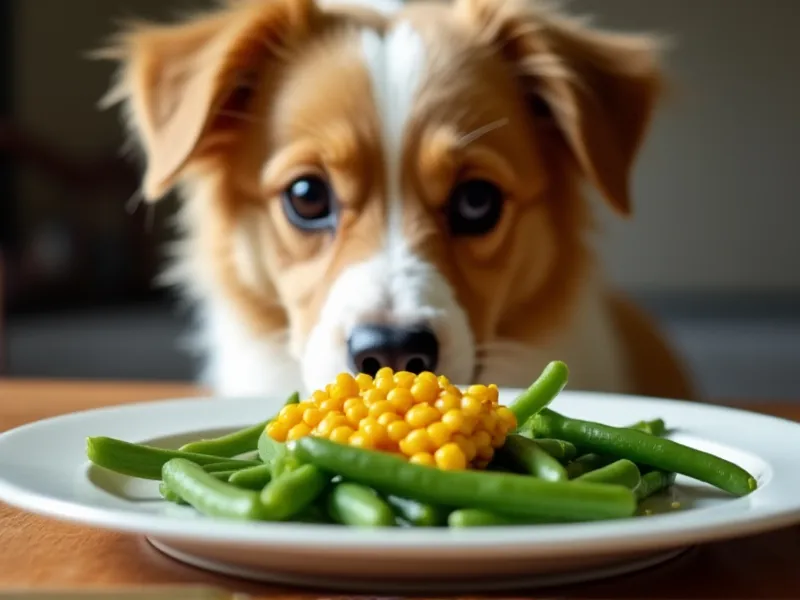
Table of Contents
- Can Dogs Eat Green Beans? The Short Answer
- Benefits of Green Beans for Dogs
- Risks of Green Beans for Dogs (and How to Avoid Them)
- Can Dogs Eat Corn? The Short Answer
- Benefits of Corn for Dogs
- Risks of Corn for Dogs (and How to Avoid Them)
- How Much Green Beans and Corn Can Dogs Eat?
- Healthier Alternatives to Green Beans and Corn
- FAQ: Your Green Beans and Corn Questions Answered
- Conclusion: Moderation is Key
- References
Can Dogs Eat Green Beans? The Short Answer
Yes, dogs can eat green beans—they’re generally safe and even beneficial when fed in moderation.
Green beans are low in calories, high in fiber, and packed with vitamins, making them a popular choice for pet parents looking to add healthy variety to their dog’s diet. Whether raw, steamed, or boiled (without added salt, butter, or seasonings), green beans can be a nutritious treat—just be mindful of portion sizes and preparation.
Benefits of Green Beans for Dogs
Green beans aren’t just a crunchy snack—they offer several health perks for your pup:
1. Low-Calorie, Weight-Friendly Option
Green beans are 90% water and contain only about 31 calories per cup (cooked). This makes them an excellent treat for overweight or obese dogs, as they add volume to meals without packing on extra pounds. Many vets even recommend green beans as a “filler” to help dogs feel full while reducing their main kibble intake during weight loss programs [1].
2. Rich in Fiber for Digestive Health
A cup of cooked green beans provides 2.7 grams of fiber, which supports healthy digestion by promoting regular bowel movements. Fiber also helps regulate blood sugar levels and keeps your dog feeling satisfied longer [2].
3. Packed with Essential Vitamins and Minerals
Green beans are a nutrient-dense food, containing:
- Vitamin A: Supports eye health, immune function, and skin/coat health.
- Vitamin C: An antioxidant that boosts immunity and collagen production.
- Vitamin K: Aids in blood clotting and bone health.
- Potassium: Regulates heart function and muscle contractions.
- Folate: Important for cell repair and growth [3].
Risks of Green Beans for Dogs (and How to Avoid Them)
While green beans are safe for most dogs, there are a few risks to keep in mind:
1. Raw Green Beans May Cause Digestive Upset
Raw green beans are tough and can be hard for some dogs—especially small breeds or those with sensitive stomachs—to digest. This can lead to gas, bloating, or diarrhea. To avoid this, steam or boil green beans until they’re tender (but not mushy) before feeding.
2. Too Much Fiber Can Lead to Gastrointestinal Issues
While fiber is good for digestion, excessive amounts can backfire. Feeding large quantities of green beans may cause loose stools, diarrhea, or even intestinal blockages in rare cases (though this is more common with other high-fiber foods). Stick to small portions to prevent tummy troubles.
3. Pesticide Residue (If Not Washed or Organic)
Non-organic green beans may contain pesticide residues, which can be harmful to dogs if ingested regularly. Always wash green beans thoroughly under running water, or opt for organic varieties when possible.
4. Choking Hazard for Small Dogs
Whole, raw green beans can be a choking risk for tiny breeds (e.g., Chihuahuas, Yorkies) or dogs who gulp their food. If feeding raw, chop green beans into bite-sized pieces to reduce this risk.
Can Dogs Eat Corn? The Short Answer
Yes, dogs can eat corn—but with important caveats.
Corn itself (the kernels) is safe for dogs and even provides nutritional value. However, corn on the cob is extremely dangerous (more on that below), and some dogs may have sensitivities to corn. When fed plain, cooked, and in moderation, corn kernels can be a healthy addition to your dog’s diet.
Benefits of Corn for Dogs
Corn often gets a bad rap as a “filler” in commercial dog food, but it’s actually a nutrient-rich grain with several benefits:
1. Source of Energy and Fiber
Corn is a good source of carbohydrates, which provide energy for active dogs. It also contains dietary fiber (about 2 grams per cup of cooked kernels), which supports digestive health [4].
2. Packed with Vitamins and Antioxidants
Corn is rich in:
- B Vitamins: Thiamine (B1) supports brain function, while niacin (B3) aids in energy metabolism.
- Lutein and Zeaxanthin: Antioxidants that promote eye health and reduce the risk of age-related macular degeneration.
- Vitamin C: Boosts immunity and collagen production [5].
3. Gluten-Free Alternative
For dogs with gluten sensitivities, corn is a safe, gluten-free carbohydrate source (unlike wheat or barley).
Risks of Corn for Dogs (and How to Avoid Them)
Corn isn’t without risks—here’s what to watch for:
1. Corn on the Cob is a Major Choking/Blockage Hazard
The cob itself is indigestible and can get stuck in your dog’s throat (choking) or intestines (blockage), which is life-threatening. Even small pieces of cob can cause a blockage, requiring surgery to remove. Never feed your dog corn on the cob—only the kernels [6].
2. High Sugar Content in Sweet Corn
Sweet corn (the variety we eat fresh) contains more sugar than field corn (used in dog food). Too much sugar can lead to weight gain, dental issues, or even diabetes in dogs. Stick to small portions of plain, cooked sweet corn.
3. Mycotoxins from Moldy Corn
Corn is prone to mold growth, which produces mycotoxins (toxins produced by fungi). These can cause vomiting, diarrhea, liver damage, or even death in dogs. Always check corn for mold before feeding, and discard any that looks discolored or smells off [7].
4. Potential Allergies or Sensitivities
While rare, some dogs may be allergic to corn. Symptoms include itchy skin, ear infections, or digestive upset. If you notice these signs after feeding corn, stop and consult your vet.
How Much Green Beans and Corn Can Dogs Eat?
Treats (including veggies like green beans and corn) should make up no more than 10% of your dog’s daily calorie intake.
To put this in perspective:
- For a 10-pound dog (about 300 calories/day), 10% is 30 calories—roughly 1/4 cup of cooked green beans or 1/4 cup of corn kernels.
- For a 50-pound dog (about 700 calories/day), 10% is 70 calories—roughly 1/2 cup of green beans or 1/2 cup of corn.
Always adjust portions based on your dog’s size, age, activity level, and overall health. Overfeeding can lead to weight gain or digestive issues.
Preparation Tips:
- Green Beans: Steam, boil, or microwave (no salt, butter, or seasonings). Avoid canned green beans with added salt or preservatives.
- Corn: Cooked, plain kernels only. Never feed the cob. Avoid canned corn (high in sodium) or creamed corn (added sugar).
Healthier Alternatives to Green Beans and Corn
If your dog isn’t a fan of green beans or corn, or you want to mix things up, try these safe, nutrient-dense alternatives:
1. Carrots
Crunchy and low in calories, carrots are rich in beta-carotene (which converts to vitamin A) and fiber. They’re great for dental health, as chewing raw carrots helps scrape plaque off teeth.
2. Broccoli
Steamed broccoli (no florets—they can be a choking hazard!) is high in vitamin C, fiber, and antioxidants. Stick to small portions, as too much can cause gas.
3. Blueberries
These tiny fruits are packed with antioxidants, vitamin C, and fiber. They’re low in calories and make a refreshing summer treat (try freezing them for a cool snack!).
4. Pumpkin (Plain, Canned)
Plain, unsweetened pumpkin is a fiber powerhouse that helps with both diarrhea and constipation. It’s also rich in beta-carotene and vitamins A and C.
5. Sweet Potatoes
Cooked, mashed sweet potatoes are high in fiber, vitamin A, and potassium. They’re a great alternative to corn for dogs with sensitivities.
FAQ: Your Green Beans and Corn Questions Answered
Q: Can dogs eat canned green beans?
A: Yes, but only if they’re low-sodium or no-salt-added. Regular canned green beans often contain high levels of salt, which can lead to dehydration or kidney issues in dogs. Always rinse canned green beans to remove excess sodium before feeding.
Q: Is corn on the cob ever safe for dogs?
A: No! The cob is indigestible and can cause choking or intestinal blockage, which is a medical emergency. Even small pieces of cob can get stuck—always remove kernels from the cob before feeding.
Q: Can dogs eat raw green beans?
A: Some dogs can handle raw green beans, but they’re harder to digest and may cause gas. Steaming or boiling makes them softer and easier on the stomach, especially for puppies, senior dogs, or those with sensitive digestion.
Q: Are green beans or corn good for dogs with diabetes?
A: Green beans are a better choice for diabetic dogs, as they’re low in sugar and high in fiber (which helps regulate blood sugar). Corn has more natural sugar, so feed it sparingly or avoid it if your dog has diabetes.
Q: Can dogs eat green bean casserole or creamed corn?
A: No. These dishes contain onions, garlic, butter, salt, or sugar—all of which are toxic or harmful to dogs. Onions and garlic can damage red blood cells, leading to anemia [8].
Conclusion: Moderation is Key
Green beans and corn can be safe, healthy treats for dogs when fed in moderation and prepared properly. Green beans offer fiber and vitamins with minimal calories, while corn provides energy and antioxidants (as long as you skip the cob!).
As with any new food, introduce green beans or corn slowly to avoid digestive upset, and always consult your vet if you have concerns—especially if your dog has underlying health conditions (e.g., diabetes, kidney disease) or food allergies.
At the end of the day, the best diet for your dog is a balanced, high-quality commercial dog food tailored to their age, size, and needs. Veggies like green beans and corn are just a fun, healthy bonus—so go ahead and share a bite (in moderation!) with your eager pup.
References
- American Kennel Club (AKC). “Can Dogs Eat Green Beans?” AKC.org
- PetMD. “Green Beans for Dogs: Benefits, Risks, and Serving Tips.” PetMD.com
- USDA FoodData Central. “Green Beans, Cooked, Boiled, Without Salt.” USDA.gov
- American Society for the Prevention of Cruelty to Animals (ASPCA). “People Foods Dogs Can and Can’t Eat.” ASPCA.org
- Tufts Cummings School of Veterinary Medicine. “Corn in Dog Food: Is It Good or Bad?” TuftsVetNutrition.org
- VCA Animal Hospitals. “Corn Cob Ingestion in Dogs.” VCAHospitals.com
- Food and Drug Administration (FDA). “Mycotoxins in Pet Food.” FDA.gov
- ASPCA. “Onions, Garlic, Chives, and Leeks.” ASPCA.org