· 9 min read
Can Dogs Eat Grape Tomatoes? Benefits, Risks & Safe Feeding Guide
It’s a sunny afternoon, and you’re munching on a bowl of fresh, juicy grape tomatoes—plump, sweet, and bursting with flavor. Out of the corner of your eye, you notice your dog: tail wagging, nose twitching, those big, soulful eyes locked onto your snack. “Just one tiny bite?” they seem to beg. If you’ve ever found yourself in this scenario, you’re not alone. As pet parents, we want to share the good things in life with our furry friends—but is a grape tomato a safe “good thing” to share?
Grape tomatoes are a popular snack for humans, packed with vitamins and antioxidants. But when it comes to dogs, not all human foods are created equal. Some are harmless, others are toxic, and some fall into a gray area of “safe in moderation.” In this guide, we’ll dive into the question: Can dogs eat grape tomatoes? We’ll break down the benefits, risks, how much is safe, and even healthier alternatives to keep your pup happy and healthy. Let’s get started!
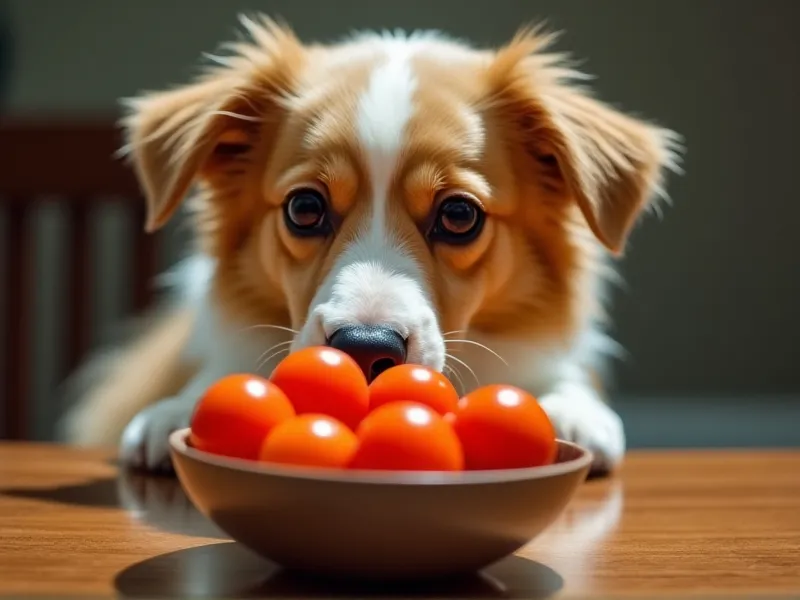
Table of Contents
- Can Dogs Eat Grape Tomatoes? The Short Answer
- The Benefits of Grape Tomatoes for Dogs
- Potential Risks to Watch For
- How Much Grape Tomato Can Dogs Safely Eat?
- Healthier Alternatives to Grape Tomatoes
- FAQ: Your Questions Answered
- Conclusion: Enjoy Responsibly
- References
Can Dogs Eat Grape Tomatoes? The Short Answer
Yes, dogs can eat ripe, red grape tomatoes in small, occasional amounts. Ripe grape tomatoes are low in toxins and offer some nutritional benefits. However, there are important caveats: unripe (green) tomatoes and tomato plant parts (leaves, stems, vines) are unsafe, as they contain a toxic substance called solanine. Additionally, even ripe grape tomatoes can cause stomach upset if fed in excess, and their small size poses a minor choking risk for tiny dogs.
In short: Share a tiny bite of ripe, red grape tomato with your dog as an occasional treat—but skip the green ones, avoid the plant, and never overdo it.
The Benefits of Grape Tomatoes for Dogs
When fed safely, grape tomatoes can offer a few key nutrients that support your dog’s health. Let’s break down the “good stuff” they contain:
1. Vitamins A & C: Antioxidants for Overall Health
Grape tomatoes are rich in vitamin A, which is crucial for your dog’s vision, skin health, and immune system. It helps maintain healthy mucous membranes (like those in the nose and eyes) and supports cell growth.
They also contain vitamin C, a powerful antioxidant that fights free radicals (harmful molecules that damage cells). While dogs can produce their own vitamin C, supplementation through food can help boost their immune system, especially during times of stress or illness.
2. Fiber: Supporting Digestive Health
Fiber is essential for keeping your dog’s digestive system running smoothly, and grape tomatoes have a small amount of dietary fiber. Fiber helps regulate bowel movements, prevents constipation, and can even support a healthy gut microbiome. Just be careful—too much fiber at once can lead to diarrhea (more on that later!).
3. Potassium: For Heart & Muscle Function
Potassium is an electrolyte that plays a vital role in maintaining your dog’s heart rhythm, muscle function, and blood pressure. It helps balance fluids in the body and supports nerve transmission. A small serving of grape tomatoes can contribute to your dog’s daily potassium needs.
4. Low-Calorie, Hydrating Snack
Grape tomatoes are mostly water (about 95%!) and low in calories (around 10 calories per cup). This makes them a lighter alternative to high-calorie treats like cookies or cheese, which is great for dogs watching their weight.
Potential Risks to Watch For
While ripe grape tomatoes are generally safe, they’re not without risks. Here’s what to keep in mind before sharing:
1. Solanine Toxicity (Unripe Tomatoes & Plant Parts)
The biggest risk comes from unripe (green) tomatoes and parts of the tomato plant (leaves, stems, vines). These contain solanine, a glycoalkaloid toxin that’s harmful to dogs (and humans!) in large amounts. Solanine is the plant’s natural defense against pests, and it’s most concentrated in green, unripe fruit and green parts of the plant.
Symptoms of solanine poisoning in dogs include:
- Drooling
- Weakness or lethargy
- Vomiting or diarrhea
- Dilated pupils
- Confusion or disorientation
- In severe cases, seizures or tremors
Thankfully, ripe, red tomatoes have very low levels of solanine (almost undetectable), so the risk is minimal. But never feed your dog green tomatoes, and keep them away from tomato plants in your garden.
2. Natural Sugar Content
Grape tomatoes contain natural sugars (fructose), which, while healthier than added sugars, can add up if overfed. Too much sugar can lead to:
- Weight gain or obesity
- Increased risk of diabetes (especially in predisposed dogs)
- Tooth decay (though less of a risk with fresh tomatoes than processed treats)
Even a few extra grape tomatoes can contribute to your dog’s daily calorie intake, so portion control is key.
3. Stomach Upset
Some dogs have sensitive digestive systems, and tomatoes (even ripe ones) can cause gastrointestinal upset. The fiber and acidity in tomatoes may lead to:
- Diarrhea
- Vomiting
- Gas or bloating
This is more likely if your dog eats a large number of tomatoes or if they’re not used to them. Start with a tiny piece and monitor for signs of discomfort.
4. Choking Hazard
Grape tomatoes are small, round, and slippery—this can pose a choking risk for very small dogs (e.g., Chihuahuas, Yorkies) or dogs who gulp their food without chewing. To reduce this risk, slice the tomato into smaller pieces before feeding.
5. Oxalates (A Concern for Kidney Issues)
Tomatoes contain small amounts of oxalates, compounds that can contribute to kidney stones in dogs with a history of kidney disease or calcium oxalate stones. If your dog has kidney issues, it’s best to avoid tomatoes altogether and consult your vet for safe treat options.
How Much Grape Tomato Can Dogs Safely Eat?
The golden rule for dog treats: They should make up no more than 10% of your dog’s daily calorie intake. For grape tomatoes, this translates to very small portions. Here’s a general guideline based on your dog’s size:
| Dog Size | Safe Serving (Per Week) | Example |
|---|---|---|
| Small (5-10 lbs) | 1-2 grape tomatoes | Think: 1-2 tiny bites (slice into pieces!) |
| Medium (10-30 lbs) | 2-3 grape tomatoes | About the size of a thumb (for a Beagle) |
| Large (30+ lbs) | 3-4 grape tomatoes | A few bites (for a Labrador or Golden Retriever) |
Important notes:
- Always start with a single small piece to test your dog’s tolerance.
- Never feed tomatoes daily—they’re an occasional treat, not a regular snack.
- If your dog has health issues (diabetes, kidney disease, sensitive stomach), skip tomatoes and ask your vet for alternatives.
- Wash tomatoes thoroughly to remove pesticides or dirt.
Healthier Alternatives to Grape Tomatoes
If you’re looking for safer, more nutrient-dense snacks for your dog, these alternatives are often better than grape tomatoes:
1. Carrots
- Why: Low in calories, high in fiber and vitamin A, and crunchy texture helps clean teeth.
- How to serve: Raw (sliced into sticks) or cooked (steamed or boiled, no salt).
2. Blueberries
- Why: Packed with antioxidants (like anthocyanins), low in sugar, and great for brain health.
- How to serve: Fresh or frozen (a cool treat in summer!).
3. Cucumber
- Why: 96% water, hydrating, low in calories, and gentle on the stomach.
- How to serve: Sliced into rounds (remove seeds if large, as they can cause gas).
4. Green Beans (Cooked)
- Why: High in fiber, vitamins K and C, and low in calories—perfect for weight management.
- How to serve: Steamed or boiled (no salt, butter, or seasonings).
5. Sweet Potato (Cooked)
- Why: Rich in beta-carotene (vitamin A), fiber, and potassium.
- How to serve: Baked or mashed (no added sugar or spices).
FAQ: Your Questions Answered
Q: Can puppies eat grape tomatoes?
A: Puppies have developing digestive systems, so it’s best to stick to their regular puppy food to avoid stomach upset. If you want to share a tiny piece, wait until they’re at least 6 months old, start with a crumb-sized bite, and monitor for diarrhea or vomiting. Always consult your vet first.
Q: What if my dog ate a whole bowl of grape tomatoes?
A: If your dog gobbled up a large number of ripe grape tomatoes, monitor them for 24 hours. Symptoms of overindulgence may include diarrhea, vomiting, or gas. If they show signs of distress (e.g., persistent vomiting, lethargy), contact your vet. For unripe tomatoes or plant parts, call your vet or an emergency animal poison hotline immediately (ASPCA Poison Control: 888-426-4435).
Q: Are cherry tomatoes safer than grape tomatoes for dogs?
A: Cherry tomatoes and grape tomatoes are similar in size and nutritional content. Both are safe in small amounts, but cherry tomatoes are slightly sweeter (higher sugar) and rounder, which may pose a slightly higher choking risk. The same guidelines apply: ripe, red, washed, and sliced for small dogs.
Q: Can dogs eat tomato sauce or ketchup?
A: No. Tomato sauce, ketchup, and other processed tomato products often contain added salt, garlic, onion, or spices—all of which are toxic to dogs. Garlic and onion, in particular, can damage red blood cells and cause anemia. Stick to fresh, plain tomatoes only.
Q: My dog ate a green tomato—should I panic?
A: Don’t panic, but monitor closely. A single green tomato is unlikely to cause severe toxicity, but multiple green tomatoes or plant parts could. Watch for symptoms like vomiting, diarrhea, or weakness, and contact your vet if they appear.
Conclusion: Enjoy Responsibly
Grape tomatoes can be a safe, occasional treat for dogs—ripe, red, and in tiny portions. They offer vitamins, fiber, and hydration, but they’re not essential to your dog’s diet. The key is moderation: a bite here and there, not a bowlful.
Always prioritize your dog’s safety: avoid green tomatoes and plant parts, wash thoroughly, slice for small dogs, and never overfeed. If your dog has health issues or you’re unsure, consult your vet before sharing.
At the end of the day, the best treat for your dog is your love and attention—but a tiny, ripe grape tomato? That’s just the cherry on top (or should we say, the tomato on top?).
Happy snacking, and here’s to many healthy, tail-wagging moments with your furry friend!
References
- American Society for the Prevention of Cruelty to Animals (ASPCA). (n.d.). Toxic and Non-Toxic Plants: Tomato. https://www.aspca.org/pet-care/animal-poison-control/toxic-and-non-toxic-plants/tomato
- American Kennel Club (AKC). (2022). Can Dogs Eat Tomatoes? Are Tomatoes Safe for Dogs? https://www.akc.org/expert-advice/nutrition/can-dogs-eat-tomatoes/
- PetMD. (2023). Can Dogs Eat Tomatoes? Benefits & Risks. https://www.petmd.com/dog/nutrition/can-dogs-eat-tomatoes
- Veterinary Information Network (VIN). (2021). Solanine Toxicity in Dogs. https://www.vin.com/ (Accessed via professional veterinary database)
- World Small Animal Veterinary Association (WSAVA). (2020). Nutrition Guidelines for Dogs. https://wsava.org/guidelines/global-nutrition-guidelines/