· 7 min read
Can Dogs Eat Granola Oats? A Pet Parent’s Guide to Safe Snacking
It’s a quiet Saturday morning. You’re savoring a bowl of crunchy granola, topped with fresh berries and a drizzle of honey, when your dog trots over—tail wagging, nose twitching, and those irresistible “share with me” eyes locked on your spoon. You pause, wondering: Is this okay? Can dogs eat granola oats?
As pet parents, we want to treat our furry friends, but we also know that many human foods can be harmful to dogs. Granola, with its mix of oats, nuts, sugars, and add-ons, is a common breakfast staple for us—but is it safe for our pups?
In this guide, we’ll break down the facts: the difference between plain oats and commercial granola, the potential benefits of oats for dogs, the hidden risks in granola, and how to safely share (or not share) this snack with your canine companion. Let’s dig in!
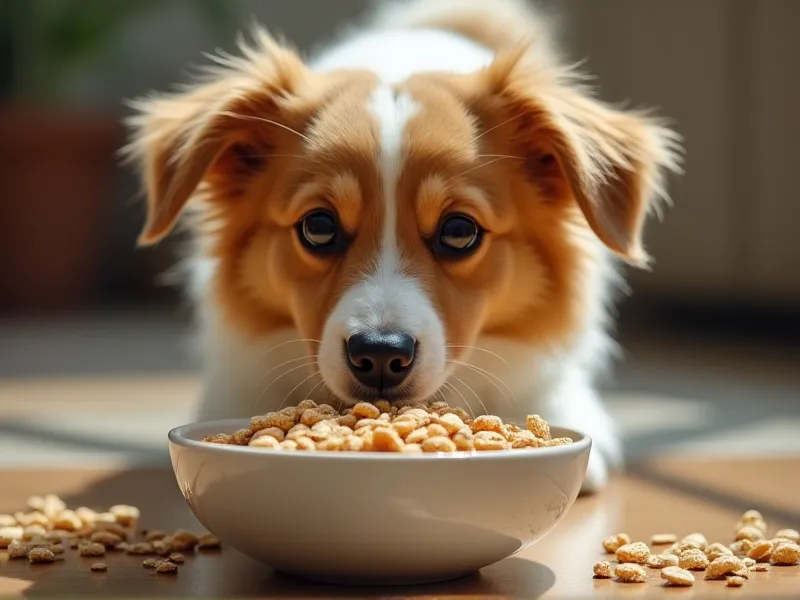
Table of Contents
- Can Dogs Eat Granola Oats? The Short Answer
- The Benefits of Oats for Dogs
- The Risks of Granola for Dogs
- How Much Oats (or Granola) Is Safe for Dogs?
- Healthier Alternatives to Granola
- FAQ: Your Granola Oats Questions Answered
- Conclusion: Oats Yes, Granola No (Usually)
- References
Can Dogs Eat Granola Oats? The Short Answer
Let’s cut to the chase: Plain, unflavored oats are generally safe and even beneficial for dogs—but most store-bought granola is not.
Here’s why: “Granola oats” are rarely just oats. Commercial granola typically includes added sugars, honey, nuts, dried fruits, chocolate, or artificial sweeteners—all of which can be toxic or harmful to dogs. On the flip side, plain rolled oats (cooked or raw, in moderation) are packed with nutrients that support your dog’s health.
So, if you’re eyeing that granola bag, hold off. But a spoonful of plain oats? That’s a different story. Let’s break down the details.
The Benefits of Oats for Dogs
Oats are a nutritional powerhouse for humans, and they offer similar perks for dogs. Here’s why plain oats deserve a spot in your pup’s treat rotation (in moderation!):
1. Rich in Fiber for Digestive Health
Oats are loaded with soluble fiber, including beta-glucan, which acts like a prebiotic to support healthy gut bacteria. This fiber helps regulate digestion, easing both constipation and diarrhea. For dogs with sensitive stomachs, cooked oats can be a gentle, soothing addition to their diet.
2. Heart-Healthy Nutrients
Beta-glucan isn’t just good for digestion—it also supports heart health by helping lower LDL (“bad”) cholesterol levels. Oats also contain potassium, an essential mineral that regulates blood pressure, muscle function, and electrolyte balance (critical for active dogs!).
3. Gluten-Free and Easy to Digest
Unlike wheat, oats are naturally gluten-free (just check labels for cross-contamination if your dog has celiac-like sensitivities). They’re also low in fat and high in protein (about 5g per cup), making them a great option for dogs with food allergies or sensitivities.
4. Packed with Vitamins and Minerals
Oats deliver B vitamins (thiamine, folate) for energy metabolism, iron for red blood cell health, and magnesium for bone strength. These nutrients support everything from your dog’s coat shine to their immune system.
The Risks of Granola for Dogs
Now, let’s talk about granola—the processed version of oats. Most store-bought granola is a minefield of ingredients that can harm your dog. Here’s what to watch out for:
1. Added Sugars: A Hidden Danger
Granola is often loaded with sugar, brown sugar, or high-fructose corn syrup. Dogs don’t need added sugar, and excess sugar leads to:
- Obesity (a leading cause of diabetes, joint pain, and heart disease in dogs)
- Dental decay (cavities and gum disease)
- Energy spikes and crashes (irritability or lethargy)
Even “low-sugar” granola can contain 5-10g of sugar per serving—way more than your dog needs in a day.
2. Toxic Additives: Nuts, Chocolate, and Raisins
Granola mixes often include:
- Macadamia nuts: Toxic to dogs, causing weakness, vomiting, and hyperthermia (even small amounts!).
- Chocolate chips: Contains theobromine, which dogs can’t metabolize—even a few chips can cause seizures or death in small breeds.
- Raisins/grapes: Toxic to dogs (no safe dose!), leading to kidney failure.
- Walnuts: May contain mold (aflatoxin), which is toxic to the liver.
Other common add-ins like coconut flakes (high in fat, risking pancreatitis) or honey (raw honey can carry botulism spores, dangerous for puppies) only add to the risk.
3. Choking Hazards
Granola is crunchy and clumpy, which can pose a choking risk—especially for small dogs or those who gulp food. Hard granola pieces can also damage teeth or get stuck in the throat.
4. Stomach Upset from Processed Ingredients
Even if granola lacks toxic ingredients, the combination of sugar, oils, and fiber can upset your dog’s stomach, leading to vomiting, diarrhea, or gas.
How Much Oats (or Granola) Is Safe for Dogs?
Rule of thumb: Stick to plain oats, and treat them as a supplement, not a meal.
For Plain Oats:
- Cooked oats are easier to digest than raw. Start with 1–2 tablespoons per 10 pounds of body weight, 1–2 times per week.
- Raw oats can be sprinkled on kibble (1–2 teaspoons per 10 pounds) but may cause bloating if overfed.
- Portion control: Treats should make up no more than 10% of your dog’s daily calories. For a 30-pound dog (700 calories/day), 70 calories from treats = ~¼ cup cooked oats (about 75 calories).
For Granola:
Avoid it entirely unless you’ve made homemade granola with only dog-safe ingredients (no sugar, nuts, or additives). Even then, it’s unnecessary—plain oats are healthier!
Healthier Alternatives to Granola
If you want to share a tasty, oat-based snack with your dog, skip the granola aisle and try these safer options:
1. Plain Cooked Oats
Simmer rolled oats in water (no salt, sugar, or milk) until soft. Serve warm or cooled—many dogs love this as a cozy breakfast or post-walk treat.
2. Oat + Pumpkin Mix
Mix cooked oats with a spoonful of plain pumpkin puree (not pie filling!) for extra fiber and vitamin A. Perfect for dogs with digestion issues.
3. Frozen Oat Treats
Blend cooked oats with unsweetened applesauce, freeze in ice cube trays, and serve as a summer snack.
4. Homemade Oat Cookies
Bake a batch of dog-friendly cookies using oats, banana (natural sweetness), and a dash of cinnamon (safe for dogs!). No added sugar or butter needed.
FAQ: Your Granola Oats Questions Answered
Q: My dog stole a handful of granola—should I panic?
A: Check the ingredients first. If it contains macadamia nuts, chocolate, raisins, or xylitol, call your vet immediately (these are toxic). If it’s just sugar/oats, monitor for vomiting, diarrhea, or lethargy. Contact your vet if symptoms last more than 24 hours.
Q: Can puppies eat oats?
A: Yes! Plain, cooked oats are safe for puppies over 6 weeks old. Avoid raw oats (hard to digest) and skip honey (raw honey may contain botulism spores, risky for young pups).
Q: Are steel-cut oats better than rolled oats for dogs?
A: Both are safe, but rolled oats cook faster and are easier to digest. Steel-cut oats may be too tough for small dogs or seniors.
Q: Can dogs with diabetes eat oats?
A: Yes—oats have a low glycemic index and can help regulate blood sugar (thanks to beta-glucan). Always consult your vet first to adjust portions.
Conclusion: Oats Yes, Granola No (Usually)
Plain oats are a wonderful, nutrient-dense treat for dogs—they support digestion, heart health, and more. But granola? It’s best left for humans. With added sugars, nuts, and toxic ingredients, it’s simply not worth the risk.
When in doubt, stick to the basics: plain, cooked oats in moderation. And as always, if you’re unsure about a food, consult your vet—they know your dog’s unique needs best.
Here’s to happy, healthy snacking with your furry friend!
References
- American Society for the Prevention of Cruelty to Animals (ASPCA). Toxic and Non-Toxic Foods for Dogs. aspca.org/pet-care/animal-poison-control/dogs-plant-list
- American Kennel Club (AKC). Can Dogs Eat Oatmeal? akc.org/expert-advice/nutrition/can-dogs-eat-oatmeal
- VCA Hospitals. Nutrition for Dogs: Fiber. vcahospitals.com/know-your-pet/nutrition-for-dogs-fiber
- PetMD. Health Benefits of Oats for Dogs. petmd.com/dog/nutrition/evr_dg_can_dogs_eat_oatmeal