· 7 min read
Can Dogs Eat Glazed Donuts? Risks, Benefits & Safe Alternatives
You’re standing in line at your favorite bakery, the sweet aroma of fresh donuts wafting through the air. You pick up a glazed donut—golden, sticky, and perfectly sweet—and take a bite. Suddenly, you feel a wet nose nudge your hand. Looking down, you meet your dog’s hopeful eyes, tail thumping against your leg. “Just a tiny bite?” they seem to plead.
It’s a scenario many pet parents face: our dogs are curious about our food, and it’s hard to resist those begging faces. But when it comes to glazed donuts, is sharing really caring? Let’s dive into the sticky details to find out if these sugary treats are safe for your pup.
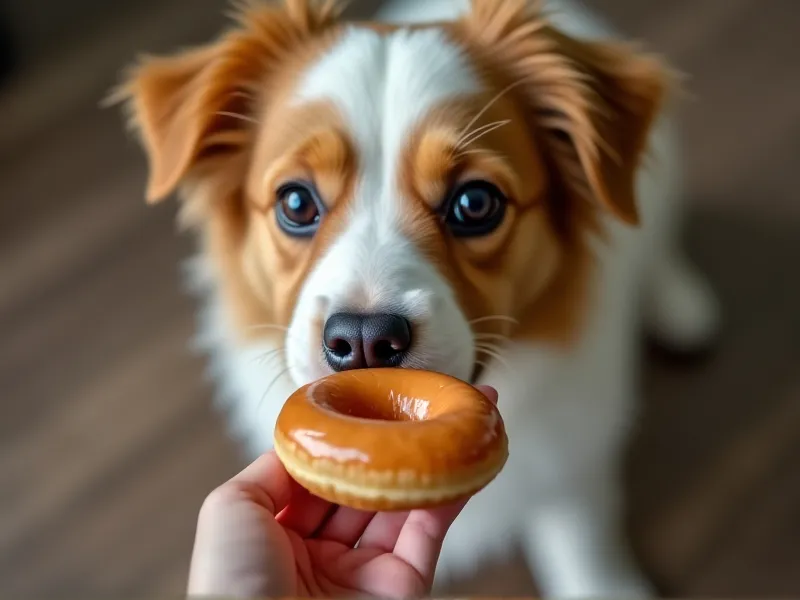
Table of Contents
- Can Dogs Eat Glazed Donuts? The Short Answer
- What’s in a Glazed Donut, Anyway?
- Potential “Benefits”: Are There Any?
- The Risks of Feeding Glazed Donuts to Dogs
- How Much (If Any) Glazed Donut Is Safe for Dogs?
- Healthier Alternatives to Glazed Donuts
- FAQ: Common Questions About Dogs and Donuts
- Conclusion: Prioritizing Your Dog’s Health
Can Dogs Eat Glazed Donuts? The Short Answer
No, glazed donuts are not safe for dogs to eat, and they should be avoided. While a tiny crumb here or there is unlikely to cause immediate harm, these treats are packed with sugar, unhealthy fats, and empty calories that offer no nutritional value and pose significant health risks to your pup. Let’s break down why.
What’s in a Glazed Donut, Anyway?
To understand why glazed donuts are problematic, let’s start with their ingredients. A typical glazed donut contains:
- Flour: Usually refined white flour, which is low in fiber and nutrients.
- Sugar: Both in the dough (to make it sweet) and the glaze (a thick coating of sugar, water, and sometimes corn syrup).
- Fat: Vegetable oil or shortening for frying, making donuts high in unhealthy fats.
- Leavening agents: Like yeast or baking powder, which help the donut rise.
- Additives: Artificial flavors, colors, or preservatives (common in store-bought donuts).
The glaze alone is often 30-40% sugar by weight—meaning even a small donut is a sugar bomb for your dog’s system.
Potential “Benefits”: Are There Any?
Let’s get this out of the way: Glazed donuts are not a “healthy” food for humans, let alone dogs. While some might argue, “But donuts have flour—doesn’t that have fiber?” or “Maybe a little potassium?” the reality is that any minimal nutrients are completely overshadowed by the treat’s downsides.
- Fiber: Refined white flour has almost no fiber (unlike whole grains). A donut might contain 1-2 grams of fiber at most—hardly enough to benefit your dog.
- Potassium: Trace amounts may come from flour or added ingredients, but you’d need to feed your dog dozens of donuts to meet their daily potassium needs (which is obviously dangerous).
In short: There are no meaningful benefits to feeding glazed donuts to dogs. Any “nutrients” are negligible, and the risks far outweigh them.
The Risks of Feeding Glazed Donuts to Dogs
Now, let’s talk about the real concern: the dangers these treats pose to your pup. From sugar overload to choking hazards, glazed donuts are a recipe for trouble.
1. Sugar Overload: Obesity, Diabetes, and Beyond
Dogs’ bodies are not designed to process large amounts of sugar. Here’s why excess sugar is harmful:
- Obesity: Donuts are calorie-dense (a medium glazed donut has ~200 calories) and high in unhealthy fats. Feeding even small amounts regularly can lead to weight gain, which increases the risk of joint pain, heart disease, and other obesity-related issues.
- Dental disease: Sugar feeds harmful bacteria in your dog’s mouth, leading to plaque, tartar, and gum disease. Over time, this can cause tooth loss or even infections that spread to the bloodstream.
- Diabetes: Chronic sugar intake can disrupt your dog’s insulin regulation, increasing the risk of type 2 diabetes. Once diagnosed, diabetes requires lifelong management with insulin, diet, and vet visits.
- Pancreatitis: The high fat content in donuts (from frying) can trigger pancreatitis—a painful, potentially life-threatening inflammation of the pancreas. Symptoms include vomiting, diarrhea, lethargy, and loss of appetite.
2. Stomach Upset and Digestive Issues
Dogs have sensitive digestive systems, and sugary, fatty foods like donuts can throw them off balance. Even a small bite may cause:
- Diarrhea or vomiting: The sugar and fat can irritate the gut lining, leading to loose stools or stomach upset.
- Bloating: Rich foods may slow digestion, causing gas and discomfort (especially in deep-chested breeds prone to bloat).
- Pancreatitis (again!): As mentioned, fat is a major trigger for pancreatitis, and donuts are loaded with it.
3. Choking Hazards and Foreign Objects
Donuts are soft but dense, and their round shape can pose a choking risk—especially for small dogs or those who gulp food without chewing. If a chunk gets stuck in your dog’s throat, it can block their airway, requiring emergency intervention.
Even if they swallow it whole, large pieces can cause an intestinal blockage (a life-threatening condition where the donut gets stuck in the intestines). Symptoms include vomiting, inability to defecate, and abdominal pain—requiring surgery to fix.
4. Hidden Dangers: Xylitol and Other Toxins
Most glazed donuts don’t contain xylitol (a sugar substitute toxic to dogs), but it’s worth mentioning: Some “sugar-free” or “low-sugar” donuts do use xylitol. Even a tiny amount (as little as 0.1 grams per kg of body weight) can cause a sudden drop in blood sugar, seizures, or liver failure in dogs. Always check labels for xylitol—better safe than sorry!
How Much (If Any) Glazed Donut Is Safe for Dogs?
The honest answer: None. There’s no “safe” amount of glazed donut to feed your dog regularly. Even a small bite (like a crumb) is empty calories with no nutritional value.
If your dog accidentally snatches a tiny piece (e.g., a crumb off the floor), monitor them for 24 hours. Most dogs will be fine, but watch for signs of stomach upset (vomiting, diarrhea) or unusual behavior. If they ate a large chunk or an entire donut, contact your vet immediately—especially if they’re small, have preexisting conditions (like diabetes), or show symptoms.
Healthier Alternatives to Glazed Donuts
Instead of sharing your donut, treat your pup to these dog-safe options that are tasty and nutritious:
1. Fresh Fruits (in moderation)
- Blueberries: Packed with antioxidants and low in sugar.
- Apple slices: Remove the core and seeds (they contain cyanide), then offer a few slices for a crunchy, fiber-rich snack.
- Banana: A small piece (1-2 slices) is a natural source of potassium and vitamins.
2. Veggies (crunchy and satisfying)
- Carrot sticks: Low-calorie, high in fiber, and great for dental health (the crunch helps scrape plaque!).
- Sweet potato: Cooked, mashed, or baked into “fries” (no salt or butter) for a vitamin A boost.
- Green beans: Steamed or raw (trimmed) for a low-carb, crunchy treat.
3. Dog-Friendly Baked Treats
- Homemade peanut butter cookies: Mix whole wheat flour, egg, and unsalted peanut butter (no xylitol!) for a tail-wagging snack.
- Frozen yogurt bites: Spoon plain, unsweetened yogurt into ice cube trays and freeze for a cool summer treat.
- Store-bought dog treats: Look for options with natural ingredients, no added sugar, and vet approval (e.g., Zuke’s, Blue Buffalo).
FAQ: Common Questions About Dogs and Donuts
Q: My dog licked a glazed donut—should I worry?
A: A quick lick is unlikely to cause harm, but it’s still sugar your dog doesn’t need. Offer fresh water and monitor for any stomach upset.
Q: Are plain donuts (no glaze) safer than glazed ones?
A: No. Plain donuts still have sugar, fat, and empty calories. They’re just slightly less sugary than glazed versions.
Q: Can dogs have donut holes?
A: Donut holes are smaller, but they’re still high in sugar and fat. Plus, their size makes them a bigger choking risk for small dogs.
Q: What if my dog has diabetes—can they ever have a donut?
A: Absolutely not. Sugar is extremely dangerous for diabetic dogs, as it can spike blood sugar levels and lead to serious complications.
Conclusion: Prioritizing Your Dog’s Health
While it’s tempting to share your favorite treats with your pup, glazed donuts are best left off the menu. They offer no nutritional value and come with serious risks, from obesity to pancreatitis.
Instead, opt for dog-safe snacks like fresh fruits, veggies, or homemade treats. And when in doubt, always consult your vet—they can help you choose treats that fit your dog’s age, size, and health needs.
Your dog’s wagging tail and healthy smile are worth more than a sugary donut, after all. 😊
References
- American Society for the Prevention of Cruelty to Animals (ASPCA). Toxic and Non-Toxic Plants and Foods. aspca.org
- VCA Hospitals. Obesity in Dogs. vcahospitals.com
- American Kennel Club (AKC). Human Foods Dogs Can and Can’t Eat. akc.org
- PetMD. Pancreatitis in Dogs. petmd.com