· 8 min read
Can Dogs Eat McDonald’s Fries? The Surprising Truth Every Pet Parent Needs to Know
Picture this: You’re cruising through the McDonald’s drive-thru, craving those golden, crispy fries. As you pull up to the window, your dog—tongue lolling, eyes wide—stares at the bag in your hand, tail thumping like a metronome. “Just one bite?” you think. “Surely a tiny fry won’t hurt, right?”
If you’ve ever asked yourself this question, you’re not alone. McDonald’s fries are a beloved (if guilty) pleasure for humans, but when it comes to our furry friends, the stakes are higher. Dogs have different digestive systems and nutritional needs, and what’s harmless for us can sometimes be risky for them.
In this post, we’ll dive into whether dogs can safely eat McDonald’s fries, breaking down the potential benefits (spoiler: there aren’t many), the very real risks, and what to do if you decide to share a fry (or, better yet, what to offer instead). Let’s get started!
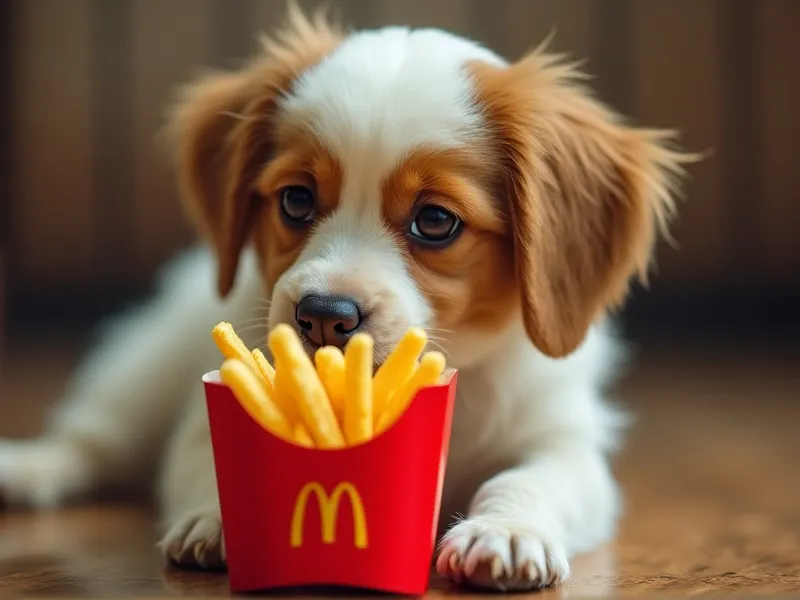
Table of Contents
- Can Dogs Eat McDonald’s Fries? The Short Answer
- What’s Actually in McDonald’s Fries?
- Potential “Benefits”: What Potatoes Could Offer (But Fries Lose)
- The Risks: Why McDonald’s Fries Are a Risky Treat
- If You Must Share: How Much Is “Safe”?
- Healthier Alternatives to Satisfy That Crunch
- FAQ: Your Burning Questions Answered
- Conclusion: Prioritize Your Dog’s Health
- References
Can Dogs Eat McDonald’s Fries? The Short Answer
No, dogs should not eat McDonald’s fries regularly, and even small occasional bites come with risks.
McDonald’s fries are not toxic to dogs, but they’re far from a healthy treat. They’re high in salt, unhealthy fats, and additives—all of which can cause short-term discomfort (like an upset stomach) or long-term health issues (like obesity or pancreatitis) in dogs. While a single tiny fry might not harm most dogs, it’s best to avoid sharing them altogether.
What’s Actually in McDonald’s Fries?
To understand why McDonald’s fries are problematic for dogs, let’s start with the ingredients. According to McDonald’s official website, their classic fries contain:
- Potatoes (duh!)
- Vegetable oil (canola, corn, soybean, and hydrogenated soybean oil)
- Salt
- Natural beef flavor (which includes hydrolyzed wheat and hydrolyzed milk—more on that later)
- Dextrose (a sugar)
- Sodium acid pyrophosphate (to keep fries from turning brown)
On their own, potatoes are not bad for dogs. In fact, plain, cooked potatoes can be a source of vitamins and fiber. But McDonald’s fries are a far cry from plain potatoes. They’re fried in oil, loaded with salt, and mixed with additives that make them a nutritional nightmare for our pups.
Potential “Benefits”: What Potatoes Could Offer (But Fries Lose)
Potatoes themselves are packed with nutrients that can benefit dogs when prepared properly. For example:
- Potassium: Supports heart and muscle function.
- Vitamin C: An antioxidant that boosts the immune system.
- Fiber: Aids digestion (when eaten with the skin).
- Vitamin B6: Helps with energy metabolism.
But here’s the catch: McDonald’s fries lose most of these benefits during processing. Frying potatoes in oil destroys heat-sensitive vitamins, and the added salt and sugar overshadow any nutritional value. By the time they’re served, fries are little more than empty calories with a side of risk.
The Risks: Why McDonald’s Fries Are a Risky Treat
Let’s break down the biggest dangers of feeding McDonald’s fries to your dog:
1. High Sodium: A Recipe for Salt Toxicity
Dogs need only a tiny amount of salt in their diet—about 0.25 grams per pound of body weight per day, according to the AKC1. A small order of McDonald’s fries contains around 190 mg of sodium2—that’s nearly half the daily recommended amount for a 20-pound dog!
Too much salt can lead to salt toxicity, which causes symptoms like:
- Excessive thirst and urination
- Vomiting or diarrhea
- Lethargy or confusion
- Seizures (in severe cases)
Over time, high sodium intake can also strain your dog’s kidneys, increasing the risk of kidney disease.
2. Unhealthy Fats: Pancreatitis Waiting to Happen
McDonald’s fries are fried in oil, making them high in fat—specifically, saturated and trans fats. Dogs’ bodies aren’t designed to process large amounts of unhealthy fat, which can trigger pancreatitis (inflammation of the pancreas).
Pancreatitis is extremely painful and can be life-threatening. Symptoms include:
- Severe abdominal pain
- Vomiting
- Loss of appetite
- Lethargy
Even a small serving of fries can be enough to cause pancreatitis in sensitive dogs, especially those prone to the condition (like overweight dogs or certain breeds, such as Miniature Schnauzers).
3. Sugar: Empty Calories with No Nutritional Value
Dextrose (a sugar) is added to McDonald’s fries to help them brown evenly and add a hint of sweetness. While the amount isn’t huge, dogs don’t need sugar in their diet. Excess sugar can lead to:
- Weight gain and obesity
- Dental issues (cavities, gum disease)
- Increased risk of diabetes (over time)
4. Stomach Upset: Grease = Gastrointestinal Chaos
The high fat and oil in fries can irritate your dog’s stomach, leading to:
- Diarrhea
- Vomiting
- Bloating
- Gas
Puppies, senior dogs, and dogs with sensitive stomachs are especially prone to these issues. Even a single fry can leave your pup feeling miserable for hours (or days!).
5. Choking Hazards: Long Fries + Small Dogs = Trouble
Long, thin fries can pose a choking risk, especially for small breeds or dogs who gulp their food. If a fry gets stuck in your dog’s throat, it could block their airway—requiring emergency veterinary care.
6. Hidden Allergens: Wheat and Dairy
McDonald’s “natural beef flavor” contains hydrolyzed wheat and hydrolyzed milk3. Wheat and dairy are common allergens for dogs, causing symptoms like itchy skin, ear infections, or digestive upset in sensitive pups.
If You Must Share: How Much Is “Safe”?
We get it—those puppy eyes are hard to resist. If you absolutely have to share a fry (we won’t judge… too much), follow these rules:
- Stick to a tiny amount: For a large dog (60+ pounds), 1–2 small fries once in a blue moon is the max. For small dogs (under 20 pounds), even a single fry is too much.
- Avoid seasoned fries: Flavors like “salt and vinegar” or “cheesy” add extra sodium and spices that are even worse for dogs.
- Monitor for symptoms: After sharing, watch for vomiting, diarrhea, or lethargy. If you see any, contact your vet.
But remember: The safest choice is to skip the fries entirely.
Healthier Alternatives to Satisfy That Crunch
If your dog is begging for a crispy snack, there are plenty of dog-safe alternatives that are both delicious and nutritious:
1. Baked Sweet Potato Fries (Homemade!)
Slice a sweet potato into thin strips, toss with a tiny bit of olive oil (optional), and bake at 400°F for 20–25 minutes. No salt, no additives—just natural sweetness and fiber.
2. Plain Boiled Potato
A small cube of plain, boiled potato (without butter or salt) is a safe, low-calorie treat. Leave the skin on for extra fiber!
3. Carrot Sticks
Crunchy, low-calorie, and packed with vitamin A—carrots are a dog favorite. Plus, they help clean teeth!
4. Green Beans
Steamed or raw green beans are full of fiber and vitamins, making them perfect for weight-conscious dogs.
5. Apple Slices (No Seeds!)
Apples are a great source of vitamin C and fiber. Just remove the seeds (they contain cyanide, which is toxic in large amounts) and core first.
FAQ: Your Burning Questions Answered
Q: My dog stole a whole fry off the table! Should I panic?
A: Probably not—one fry is unlikely to cause serious harm. Monitor your dog for 24 hours for vomiting, diarrhea, or lethargy. If symptoms appear, call your vet.
Q: Are seasoned fries (like McDonald’s “Shake Shack-style” or loaded fries) worse than plain?
A: Yes! Seasoned fries often have extra salt, garlic, onion, or cheese—all of which are dangerous. Onion and garlic are toxic to dogs and can damage red blood cells4.
Q: Can puppies eat McDonald’s fries?
A: No. Puppies have smaller stomachs and more sensitive digestive systems, so even a tiny fry could cause an upset stomach. Stick to puppy-safe treats like plain yogurt (no xylitol) or puppy kibble.
Q: What if my dog has a food allergy? Are fries off-limits?
A: Definitely. Fries contain wheat and dairy (from the “natural beef flavor”), which are common allergens. If your dog has allergies, avoid fries entirely.
Q: Is there any scenario where fries are “okay”?
A: Only as a very rare, tiny treat for a healthy adult dog. But honestly? Your dog would be happier (and healthier) with a carrot stick.
Conclusion: Prioritize Your Dog’s Health
At the end of the day, McDonald’s fries are a human indulgence—not a dog treat. While sharing a fry once in a lifetime might not hurt, the risks (salt toxicity, pancreatitis, stomach upset) far outweigh any momentary joy.
Instead of fries, opt for dog-safe snacks like carrots, sweet potatoes, or plain boiled potatoes. Your pup’s belly (and vet bills) will thank you.
If you’re ever unsure about a food, always consult your vet. They know your dog’s health history and can give personalized advice.
Here’s to happy, healthy pups—and fewer guilty drive-thru decisions!
References
Footnotes
-
American Kennel Club (AKC). “Can Dogs Eat Salt?” akc.org/expert-advice/nutrition/can-dogs-eat-salt ↩
-
McDonald’s USA. “Nutrition Facts: Small French Fries.” mcdonalds.com/us/en-us/product/small-french-fries.html ↩
-
McDonald’s USA. “Ingredients: French Fries.” mcdonalds.com/us/en-us/about-our-food/ingredients/french-fries-ingredients.html ↩
-
ASPCA. “Toxic and Non-Toxic Plants: Onion.” aspca.org/pet-care/animal-poison-control/toxic-and-non-toxic-plants/onion ↩