· 8 min read
Can Dogs Eat Freeze-Dried Minnows? A Pet Parent’s Guide to Safe Snacking
Picture this: You’re unpacking your hiking gear after a weekend trip, and there it is—a half-empty bag of freeze-dried minnows, your go-to lightweight snack for the trail. Your dog, ever the curious scavenger, trots over, nose twitching, and fixes you with that classic “please share” stare. You pause, minnow in hand: “Is this safe for my pup?”
Freeze-dried snacks have exploded in popularity for humans and pets alike, thanks to their portability, long shelf life, and nutrient density. But when it comes to our furry friends, not all “human snacks” are created equal. In this guide, we’ll dive into whether freeze-dried minnows are a safe treat for dogs, break down their benefits and risks, and share tips to keep your pup happy and healthy. Spoiler: The answer isn’t a simple “yes” or “no”—it depends on quality, quantity, and your dog’s unique needs.
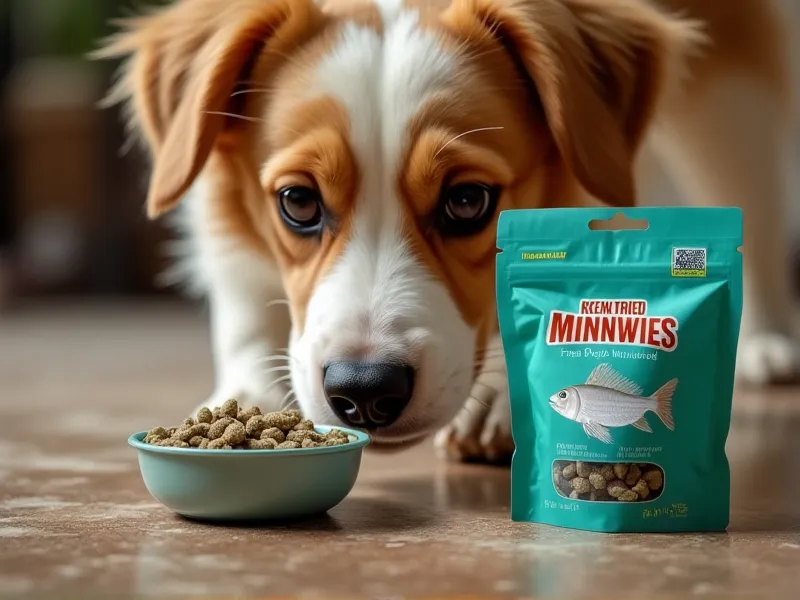
Table of Contents
- Can Dogs Eat Freeze-Dried Minnows? The Short Answer
- The Benefits of Freeze-Dried Minnows for Dogs
- High-Quality Protein
- Omega-3 Fatty Acids
- Essential Vitamins and Minerals
- Potential Risks to Watch For
- Choking Hazards
- Hidden Additives
- Allergies and Sensitivities
- Stomach Upset from Overindulgence
- How Much Freeze-Dried Minnows Can Dogs Safely Eat?
- Healthier Alternatives to Freeze-Dried Minnows
- FAQ: Your Most Pressing Questions Answered
- Conclusion: Snack Smart, Keep Your Pup Happy
1. Can Dogs Eat Freeze-Dried Minnows? The Short Answer
Yes, dogs can eat freeze-dried minnows—in moderation—if the minnows are high-quality, unseasoned, and appropriately sized for your pet.
Freeze-dried minnows are essentially whole, small fish (typically less than 2 inches long) that have been dehydrated via freeze-drying—a process that removes moisture while preserving most nutrients. When sourced from clean waters and free of additives, they can be a protein-packed, low-carb treat. However, they’re not a “one-size-fits-all” snack. Factors like your dog’s size, age, and dietary needs matter, and there are risks to consider (more on that later).
Think of freeze-dried minnows as you would a fancy cheese stick for humans: a tasty occasional treat, not a meal replacement.
2. The Benefits of Freeze-Dried Minnows for Dogs
When chosen carefully, freeze-dried minnows offer several nutritional perks for your pup. Let’s break them down:
High-Quality Protein: A Building Block for Strong Pups
Dogs are omnivores, but they thrive on animal-based protein. Minnows are complete proteins, meaning they contain all 10 essential amino acids your dog needs for muscle repair, immune function, and energy. A 1-ounce serving of freeze-dried minnows contains roughly 18-20 grams of protein—comparable to a small egg! This makes them an excellent snack for active dogs, working breeds, or senior pups who need help maintaining muscle mass.
Omega-3 Fatty Acids: For a Shiny Coat and Healthy Joints
Fatty fish like minnows are rich in omega-3 fatty acids (EPA and DHA), which are superheroes for your dog’s health. These fats:
- Reduce inflammation, easing joint pain in dogs with arthritis or hip dysplasia.
- Support brain health, especially in puppies (critical for cognitive development).
- Promote a glossy coat and healthy skin, reducing dryness and itching.
Unlike plant-based omegas (like flaxseed), fish-based omegas are “pre-formed,” meaning your dog’s body can use them directly—no conversion needed.
Vitamins and Minerals: Micronutrients with a Punch
Freeze-drying preserves most vitamins and minerals, so minnows are a natural source of:
- Vitamin B12: Essential for nerve function and red blood cell production. A deficiency can lead to fatigue or weakness.
- Selenium: An antioxidant that supports thyroid health and fights cell damage.
- Potassium: Regulates heart rate and muscle function (important for active dogs!).
- Phosphorus: Works with calcium to keep bones and teeth strong.
Low in Carbs and Fillers
Many commercial dog treats are loaded with grains, sugars, or artificial binders that offer little nutritional value. Freeze-dried minnows, when pure (no added ingredients), are 90%+ protein and moisture-free, making them ideal for dogs on low-carb diets (like those with diabetes) or pups prone to weight gain.
3. Potential Risks to Watch For
While minnows have benefits, they’re not risk-free. Here’s what to keep in mind before sharing:
Choking Hazard: Size Matters!
Minnows are small, but their dry, brittle texture can pose a choking risk—especially for small dogs (think Chihuahuas, Yorkies) or dogs who gulp treats without chewing. If the minnows are larger than 1-2 inches, break them into smaller pieces first. For tiny pups, opt for “minnow meal” (ground freeze-dried minnows) instead of whole fish.
Hidden Additives: Avoid Salt, Seasonings, and Preservatives
Not all freeze-dried minnows are created equal. Some brands add:
- Salt: Excess sodium can cause dehydration, high blood pressure, or even sodium ion poisoning (symptoms: vomiting, diarrhea, seizures).
- Preservatives: BHA, BHT, or ethoxyquin (linked to organ damage in dogs).
- Seasonings: Garlic, onion, or chili powder (toxic to dogs—garlic and onion destroy red blood cells, leading to anemia).
Always check the ingredient list! The best freeze-dried minnows have one ingredient: “freeze-dried minnows.” Avoid anything with a laundry list of additives.
Allergies: Rare, but Possible
Fish allergies in dogs are less common than chicken or beef allergies, but they do happen. Symptoms include itchy skin, ear infections, or digestive upset (vomiting/diarrhea). If your dog has never had fish before, start with a tiny piece (half a minnow) and monitor for 24 hours.
Stomach Upset from Overindulgence
Even pure minnows can cause tummy trouble if overfed. Their high protein content can overwhelm your dog’s digestive system, leading to:
- Loose stools or diarrhea.
- Nausea (your dog might lick their lips excessively or avoid food).
- Pancreatitis (rare, but possible in dogs with sensitive pancreases—high-fat treats are riskier, but too much protein can trigger it in some cases).
4. How Much Freeze-Dried Minnows Can Dogs Safely Eat?
The golden rule: Treats should make up no more than 10% of your dog’s daily calories. For freeze-dried minnows, that translates to:
| Dog Size | Weight Range | Daily Limit (Freeze-Dried Minnows) |
|---|---|---|
| Small (e.g., Chihuahua) | 5-15 lbs | 1-2 minnows |
| Medium (e.g., Beagle) | 15-50 lbs | 2-3 minnows |
| Large (e.g., Labrador) | 50-100 lbs | 3-4 minnows |
| Extra-Large (e.g., Great Dane) | 100+ lbs | 4-5 minnows |
Note: Adjust based on your dog’s activity level. A couch potato Corgi needs fewer treats than a Border Collie who herds sheep all day!
Pro tip: Break minnows into smaller pieces to stretch them into training rewards. A minnow crumble works wonders for teaching “sit” or “stay”!
5. Healthier Alternatives to Freeze-Dried Minnows
If freeze-dried minnows aren’t right for your pup (e.g., due to size or additives), here are safer, nutrient-dense alternatives:
Fresh, Cooked Fish (No Bones!)
Opt for wild-caught salmon, sardines, or mackerel—cooked, deboned, and unseasoned. These offer the same omega-3s as minnows but with less choking risk (since you can flake them). A 1-inch cube of cooked salmon is a perfect treat!
Freeze-Dried Dog-Specific Treats
Brands like Stella & Chewy’s or Orijen make freeze-dried fish treats (e.g., cod, whitefish) designed for dogs. They’re tested for safety, portioned appropriately, and free of harmful additives.
Dehydrated Sweet Potatoes or Carrots
For a crunchy, low-calorie snack, try dehydrated veggies. Sweet potatoes are rich in fiber and beta-carotene (vitamin A for eye health), while carrots clean teeth and freshen breath.
Plain Greek Yogurt (Unsweetened)
A spoonful of plain Greek yogurt is packed with protein and probiotics, which support gut health. Just avoid flavors with xylitol (toxic to dogs!) or added sugar.
6. FAQ: Your Most Pressing Questions Answered
Q: Can puppies eat freeze-dried minnows?
A: Yes, but wait until they’re at least 8 weeks old (weaned) and start with tiny portions (1/2 a minnow for small breeds). Puppies have sensitive tummies, so monitor for diarrhea. Consult your vet first if your puppy has a history of digestive issues.
Q: Are freeze-dried minnows better than regular dog treats?
A: It depends on the treat! A pure, single-ingredient minnow is better than a treat with corn syrup or artificial colors. But some dog-specific treats (like freeze-dried chicken liver) may be more palatable or lower in choking risk for small dogs.
Q: My dog ate a whole bag of freeze-dried minnows! What should I do?
A: Stay calm. First, check the ingredient list—if there’s salt or additives, call your vet immediately. If they’re pure minnows, monitor for vomiting, diarrhea, or lethargy. Offer plenty of water to prevent dehydration, and skip their next meal to give their stomach a break. If symptoms last more than 24 hours, contact your vet.
Q: Can minnows help with my dog’s bad breath?
A: Maybe! The crunch of minnows can scrape plaque off teeth (like a tiny toothbrush), and their natural oils may reduce bacteria in the mouth. For severe bad breath, though, see your vet—it could signal dental disease or an underlying issue.
Q: Are wild-caught minnows safer than farm-raised?
A: Generally, yes. Farm-raised fish may contain antibiotics or pesticides. Look for minnows labeled “wild-caught” and sourced from clean waters (e.g., the Great Lakes or Alaskan coasts).
7. Conclusion: Snack Smart, Keep Your Pup Happy
Freeze-dried minnows can be a fun, nutritious treat for dogs—when chosen wisely. They’re a great source of protein, omegas, and minerals, but they come with risks like choking or additives. Always opt for pure, single-ingredient minnows, stick to portion limits, and keep an eye on your pup after their first taste.
At the end of the day, the best treat is one that keeps your dog healthy and tail-wagging. When in doubt, consult your vet—they know your dog’s unique needs best.
So go ahead: Share a minnow (or two) with your furry friend. Just don’t forget the belly rubs afterward—those are the real reward.
References
- American Kennel Club (AKC). “Human Foods Dogs Can and Can’t Eat.” akc.org
- PetMD. “Fish for Dogs: Benefits and Risks.” petmd.com
- Journal of Food Science. “Effect of Freeze-Drying on Nutrient Retention in Seafood.” onlinelibrary.wiley.com
- Veterinary Centers of America (VCA). “Omega-3 Fatty Acids for Dogs.” vcahospitals.com