· 8 min read
Can Dogs Eat Freeze-Dried Bananas? Benefits, Risks & Safe Feeding Guide
You’re hiking with your pup, and you reach for a snack: a bag of crunchy, sweet freeze-dried banana chips. Instantly, those big, pleading eyes lock onto yours. “Can I share?” your dog seems to ask. It’s a common scenario—pet parents everywhere wonder if human snacks like freeze-dried bananas are safe for their furry friends. After all, bananas are often called a “superfood” for humans, but does that apply to dogs too?
If you’ve ever found yourself debating whether to toss your pup a freeze-dried banana chip, you’re in the right place. In this guide, we’ll break down everything you need to know: are freeze-dried bananas safe for dogs? What benefits do they offer? What risks should you watch for? And how much is too much? Let’s dig in.
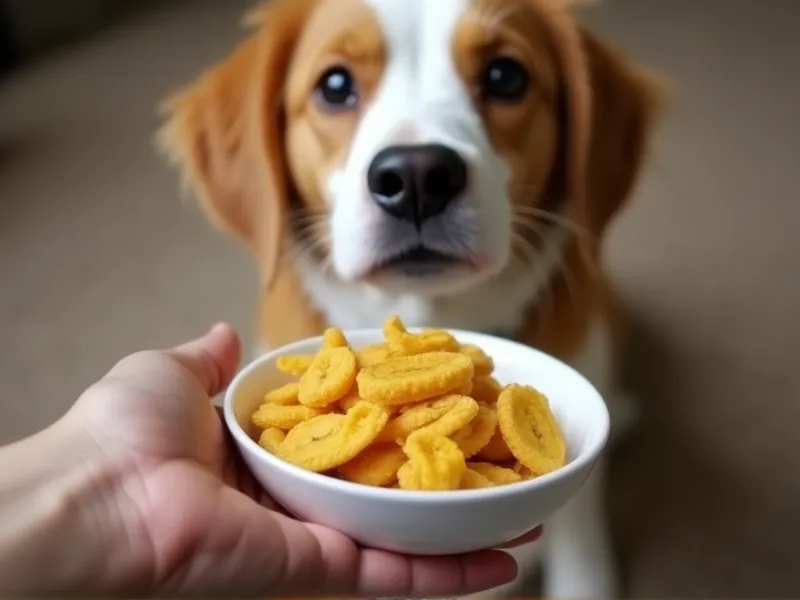
Table of Contents
- Can Dogs Eat Freeze-Dried Bananas? The Short Answer
- What Are Freeze-Dried Bananas, Anyway?
- The Benefits of Freeze-Dried Bananas for Dogs
- The Risks of Feeding Freeze-Dried Bananas to Dogs
- How Much Freeze-Dried Banana Can Dogs Safely Eat?
- How to Choose the Best Freeze-Dried Bananas for Dogs
- Healthier Alternatives to Freeze-Dried Bananas
- FAQ: Common Questions About Dogs & Freeze-Dried Bananas
- Conclusion: Moderation is Key
Can Dogs Eat Freeze-Dried Bananas? The Short Answer
Yes, dogs can eat freeze-dried bananas—but only in small, occasional amounts, and only if they’re unsweetened and free of additives.
Bananas themselves are non-toxic to dogs, and freeze-drying preserves many of their nutrients. However, freeze-dried bananas are concentrated, meaning they’re higher in sugar and calories than fresh bananas. This makes them a treat, not a meal replacement. As with any human food, moderation is critical to avoid health issues.
What Are Freeze-Dried Bananas, Anyway?
Before we dive into benefits and risks, let’s clarify: freeze-dried bananas aren’t the same as dehydrated or “banana chips” (which are often fried or coated in sugar).
Freeze-drying is a process that removes moisture from food by freezing it and then gently “sublimating” (evaporating) the ice under low pressure. This preserves:
- Most vitamins and minerals (unlike heat-based dehydration, which can break down nutrients).
- The fruit’s natural flavor and texture (crunchy, not chewy).
The result? A lightweight, shelf-stable snack with a crispy crunch. For dogs, this can be appealing—but it also means the sugar and calories are packed into a small serving.
The Benefits of Freeze-Dried Bananas for Dogs
When chosen carefully (unsweetened, no additives), freeze-dried bananas offer some perks for your pup:
1. Nutrient-Rich Goodness
Bananas are a natural source of key nutrients, and freeze-drying locks many of these in:
- Potassium: Supports heart health, muscle function, and electrolyte balance (important for active dogs).
- Vitamin B6: Aids in brain development, immune function, and red blood cell production.
- Vitamin C: An antioxidant that boosts immunity and collagen production (great for skin and joints).
- Fiber: Helps regulate digestion and keep your dog feeling full (though too much can backfire—more on that later).
According to the USDA, a 100g serving of fresh bananas contains about 358mg of potassium, 0.4mg of vitamin B6, and 8.7mg of vitamin C—most of which stays intact in freeze-dried form.
2. Low in Fat, No Added Sugars (When Unsweetened)
Unsweetened freeze-dried bananas are naturally low in fat (less than 1g per 100g) and contain no cholesterol. Unlike some dog treats (looking at you, bacon-flavored biscuits), they’re a “cleaner” option—if you pick the right brand.
3. Convenient, Mess-Free Training Treat
Freeze-dried bananas are lightweight, non-perishable, and easy to break into small pieces. They’re perfect for:
- Rewarding good behavior during training (no crumbs, no sticky residue).
- Packing in a hiking bag for on-the-go snacks.
- Adding a tiny “boost” to puzzle toys or slow feeders.
The Risks of Feeding Freeze-Dried Bananas to Dogs
While freeze-dried bananas have benefits, they come with risks—especially if overfed or poorly chosen. Here’s what to watch for:
1. High Sugar Content: A Recipe for Obesity & Diabetes
Bananas are naturally sweet, with about 12g of sugar per 100g (fresh). When freeze-dried, water is removed, so sugar becomes more concentrated. For example, 100g of freeze-dried bananas may contain 60-70g of sugar (depending on the brand).
Dogs don’t need added sugar in their diet. Too much can lead to:
- Weight gain/obesity: Extra calories from sugar quickly add up, especially for less active dogs.
- Pancreatitis: A painful inflammation of the pancreas, linked to high-sugar, high-fat diets.
- Diabetes: Chronic high sugar intake can impair insulin function over time.
The American Kennel Club (AKC) warns that obesity is the #1 preventable disease in dogs, so limiting sugary treats is critical.
2. Stomach Upset: Fiber Overload
Bananas are high in fiber (2.6g per 100g fresh). While fiber is good for digestion, too much can cause:
- Diarrhea
- Bloating
- Gas
Small dogs and dogs with sensitive stomachs are especially prone to this. A few chips might be fine, but a handful could leave your pup rushing to the backyard.
3. Choking Hazard: Tiny, Hard Pieces
Freeze-dried bananas are crispy and can break into small, hard bits. For small breeds (Chihuahuas, Yorkies) or dogs who gulp treats without chewing, these pieces pose a choking risk. Always break them into very small pieces and supervise your dog while they eat.
4. Hidden Additives: Sugar, Salt, & Preservatives
Not all freeze-dried bananas are created equal. Many brands made for humans add:
- Added sugar (honey, cane sugar, or syrups).
- Salt (to enhance flavor).
- Preservatives or artificial flavors.
These additives are harmful to dogs: salt can cause sodium ion poisoning (vomiting, seizures), and extra sugar amplifies the obesity risk. Always read the ingredient list—only “banana” should be listed.
How Much Freeze-Dried Banana Can Dogs Safely Eat?
The golden rule for dog treats: they should make up no more than 10% of your dog’s daily calorie intake. This leaves 90% for a balanced, species-appropriate diet.
To put this in perspective, let’s break it down by dog size (using approximate calorie needs and freeze-dried banana calories):
| Dog Size | Daily Calorie Needs* | 10% Treat Allowance | Freeze-Dried Banana Serving** |
|---|---|---|---|
| Small (10 lbs) | ~300 calories | 30 calories | 1-2 small chips (8-10g) |
| Medium (30 lbs) | ~600 calories | 60 calories | 2-3 chips (15-20g) |
| Large (60 lbs) | ~1,000 calories | 100 calories | 4-5 chips (25-30g) |
*Calorie estimates from the AKC; **based on freeze-dried bananas at ~350 calories per 100g (common for unsweetened brands).
Pro tip: If your dog has health issues (diabetes, obesity, or digestive problems), skip freeze-dried bananas entirely. Consult your vet first.
How to Choose the Best Freeze-Dried Bananas for Dogs
Not all freeze-dried bananas are safe for dogs. Follow these steps to pick the right brand:
1. Check the Ingredient List (Twice!)
The label should say only “banana”—no sugar, salt, honey, or preservatives. Avoid brands marketed as “snacks for humans” (they often add sweeteners). Look for “pet-safe” freeze-dried fruits or plain, unsweetened human-grade options (e.g., Trader Joe’s Unsweetened Freeze-Dried Bananas).
2. Avoid “Flavored” or “Candied” Varieties
Terms like “honey-glazed,” “chocolate-dipped,” or “cinnamon” are red flags. Chocolate is toxic to dogs, and added flavors usually mean added sugars or chemicals.
3. Opt for Organic (When Possible)
Organic freeze-dried bananas are grown without pesticides, which can be harmful to dogs (even in small amounts). They’re pricier, but worth it for peace of mind.
4. Store Them Properly
Freeze-dried foods absorb moisture, so keep them in an airtight container in a cool, dry place. This prevents sogginess and mold growth.
Healthier Alternatives to Freeze-Dried Bananas
If you want to treat your dog but worry about sugar, try these lower-sugar, nutrient-dense options:
1. Fresh Banana (Yes, Seriously!)
Fresh banana is better than freeze-dried for most dogs. It has the same nutrients but with water, so sugar is less concentrated. A thin slice (1-2 inches) is satisfying and less likely to cause stomach upset.
2. Blueberries
Tiny, sweet, and packed with antioxidants (like resveratrol, which supports heart health). Blueberries have only 4g of sugar per 100g—less than half of bananas. Great for training or as a frozen summer treat.
3. Carrots
Crunchy, low-calorie, and high in fiber and vitamin A (good for eyesight). Raw carrots clean teeth as your dog chews—win-win!
4. Green Beans (Steamed)
A low-carb, high-fiber snack that’s gentle on tummies. Steamed green beans are soft enough for senior dogs but still satisfying to crunch.
5. Freeze-Dried Sweet Potatoes (Unsweetened)
Sweet potatoes are lower in sugar than bananas (7g per 100g fresh) and rich in beta-carotene (supports immune health). Look for unsweetened, single-ingredient freeze-dried sweet potatoes.
FAQ: Common Questions About Dogs & Freeze-Dried Bananas
Q: Can puppies eat freeze-dried bananas?
A: Puppies can have tiny amounts (e.g., 1 small chip for a 10-week-old Lab puppy), but their tummies are sensitive. Stick to fresh, plain foods (like mashed banana) until they’re older (6+ months).
Q: My dog has diabetes—can they have freeze-dried bananas?
A: No. The high sugar content can spike blood glucose levels, which is dangerous for diabetic dogs. Opt for low-sugar treats like green beans instead.
Q: What if my dog ate too many freeze-dried bananas?
A: Watch for symptoms: diarrhea, vomiting, lethargy, or excessive thirst. If they ate a large amount (e.g., half a bag), contact your vet—sugar overload can cause pancreatitis in severe cases.
Q: Are freeze-dried bananas better than dehydrated bananas for dogs?
A: Freeze-dried bananas retain more nutrients than dehydrated (which uses heat), but both are high in sugar. Dehydrated bananas are chewier, which may reduce choking risk for small dogs—but check for added sugars there, too.
Conclusion: Moderation is Key
Freeze-dried bananas can be a safe, tasty treat for your dog—when chosen carefully and given in tiny amounts. They’re nutrient-rich, convenient, and perfect for rewarding good behavior. But remember: sugar is the biggest risk. Overfeeding can lead to obesity, diabetes, or stomach upset.
Always read labels, break treats into small pieces, and stick to the 10% rule. And if your dog has health issues (or you’re unsure), ask your vet first.
At the end of the day, the best treat for your furry friend is your love—but a tiny freeze-dried banana chip now and then? That’s just the cherry on top (or, you know, the banana on top).
References: American Kennel Club (AKC), American Society for the Prevention of Cruelty to Animals (ASPCA), Veterinary Centers of America (VCA), USDA FoodData Central.